Inside the “Forever 21” culture that’s making Gen Z feel older faster
Gen Z was promised they’d be “forever 21,” living in an endless loop of hot outfits, soft life aesthetics, and main‑character energy. But instead, a lot of them already feel weirdly… old. Their group chats are full of 22‑year‑olds joking about burnout, back pain, and “aging like milk,” even though many haven’t hit the traditional milestones of adulthood yet.
Meanwhile, a Harvard “On Edge” report shows young adults are reporting peak levels of stress and exhaustion in their mid‑20s, an age when previous generations were just starting to find their footing. Research links this to fast‑fashion pressure, social media comparison, cosmetic procedures, and economic anxiety.
The “Forever 21” culture, where you’re expected to look eternally youthful, constantly upgrade your aesthetic, and stay hustle‑ready, is quietly making Gen Z feel older, earlier, and more exhausted than anyone ever advertised.
The Fast-Fashion Hamster Wheel That Ages Their Mood

Half of Gen Z report that the pressure to keep up with fast-fashion trends harms their mental health, a higher share than any other age group, and one that researchers link to anxiety and early burnout. About 50 percent admit they buy clothing just to match peers or stay on-trend, and roughly a third won’t re-wear an outfit after posting it online.
Psychologists warn that the buy–wear–discard cycle creates a perpetual feeling of never being “caught up,” contributing to fatigue, social comparison, and stress that makes a 22-year-old feel much older than their calendar age.
“Forever 21” Branding Meets a Generation That’s Over It
Forever 21 once promised teens the fantasy of being perpetually twenty-one: endless freedom, nightlife, and instant adult chic. But the brand failed to evolve for Gen Z, a generation that prioritizes sustainability and ethical consumption.
Its collapse and loss of relevance signal a cultural shift: young people are pivoting toward thrift, resale, and niche brands, rejecting disposable fashion while still grappling with the pressure to perform adult sophistication online and in real life. That mix of rebellion and expectation contributes to the “old-before-you’re-ready” feeling many Gen Zers report.
Burnout Hits Them Earlier Than Any Other Generation

Where previous generations peak in stress in their 40s, Gen Z experiences similar intensity in their mid-20s. Over half report feeling overwhelmed, a significant jump compared with Gen X or Baby Boomers. Experts link this early burnout to a perfect storm of economic instability, social media comparison, and constant connectivity.
With student debt, precarious jobs, and online exposure shaping their daily lives, a 23-year-old can feel like a frazzled 40-year-old, juggling pressures their parents didn’t encounter until decades later.
Botox, Fillers, and “Preventive” Work in Their Early 20s

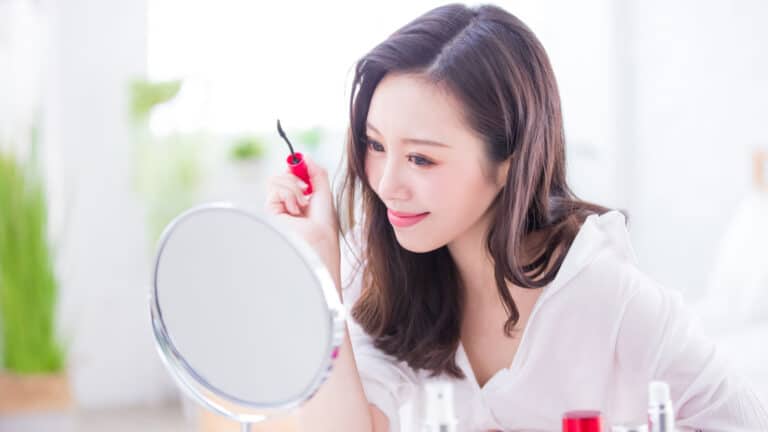
Cosmetic treatments among 18–24-year-olds have surged, with Botox injections up roughly 73 percent between 2019 and 2022 and dermal fillers rising nearly 70 percent. About 30 percent of young adults have already experimented with non-surgical cosmetic procedures, often motivated by the desire to smooth wrinkles they don’t yet have.
Social media, AI aging filters, and the pressure to appear flawless online amplify this behavior. The trend reinforces the narrative that Gen Z is accelerating adulthood through aesthetic choices, blending youthful energy with adult preoccupations about appearance.
Fashion That Reads Older on Camera

Much of Gen Z’s style, from overlined lips and heavy contouring to “office siren” 90s-inspired outfits, photographs as older than it is. Experts note that these choices, combined with cosmetic procedures, create a visual age acceleration.
A 19-year-old in full glam, dressed like a late-20s professional, visually compresses their teen years, giving the impression that they’ve skipped over parts of adolescence. Social media amplifies this perception, making a young adult look older online than they might in everyday life.
Social Media Filters That Fast-Forward Their Face
AI filters and retouched selfies are reshaping self-perception. Research shows heavy social media use is linked to negative body image and disordered eating. Gen Z is exposed to hyper-polished aesthetics and AI aging filters, creating heightened anxiety over minor facial changes.
Experimental studies indicate that reducing social media use by even half can improve satisfaction with appearance, suggesting that visual pressure online accelerates the feeling of looking older than one actually is.
Emerging Adults Feeling 35 but Living Like Teens
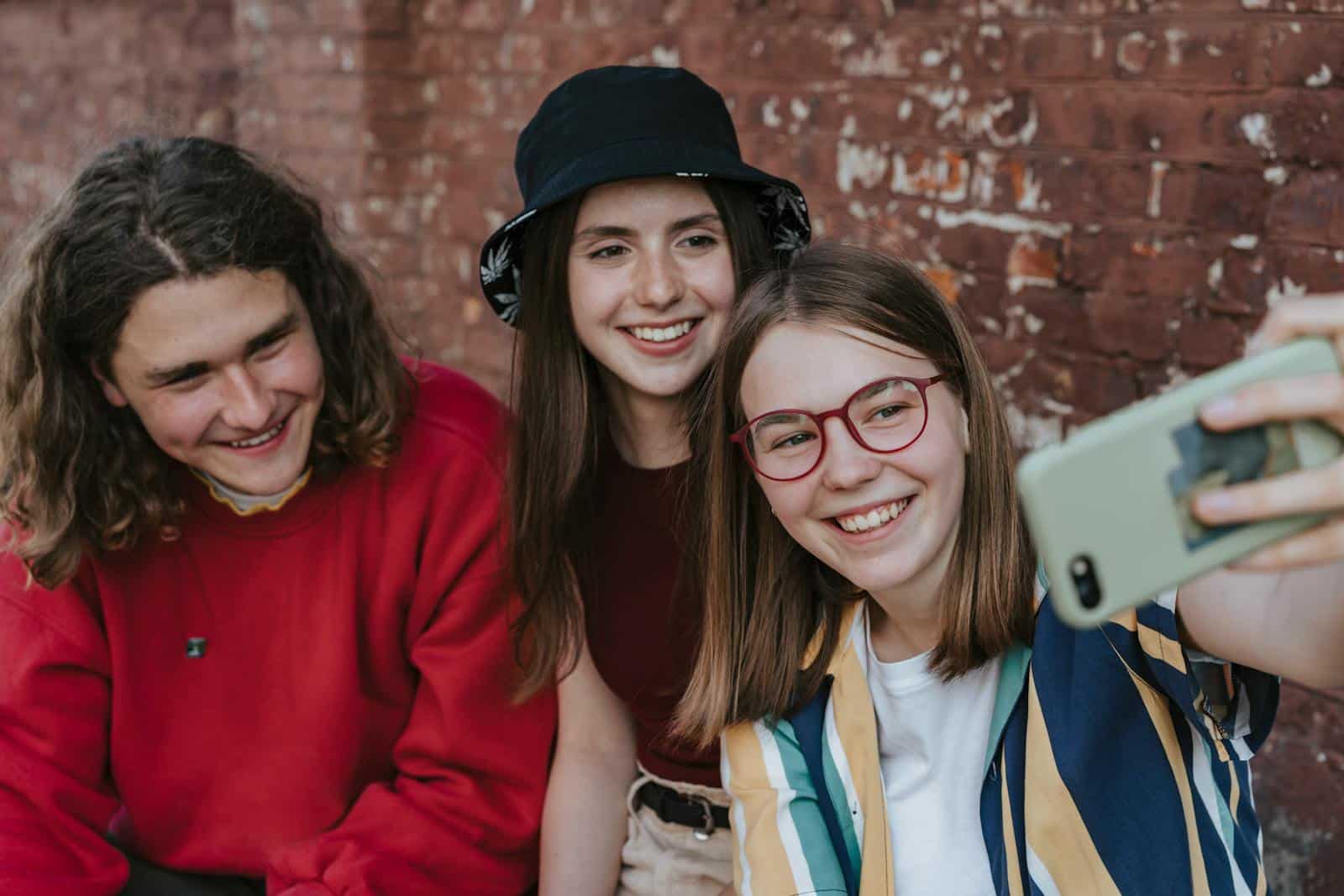
Demographers call this stage “emerging adulthood,” when 18–mid-20-somethings feel adult in stress and responsibility but haven’t hit traditional milestones like marriage, kids, or financial independence. Census data show fewer young adults achieve these markers by their mid-20s than prior generations.
The result is a paradoxical experience: feeling burdened by adult worries while still socially and economically tethered to teen or early-adult lifestyles. It’s a cocktail that leaves Gen Z feeling both behind and prematurely aged.
The Pressure to Be “On” All the Time

Information overload, FOMO, and constant online visibility collapse the boundary between public and private life. About 40 percent of teens report that social media content fuels worries about appearance.
Psychologists note that the demand to be perpetually camera-ready, responsive, and productive contributes to anxiety and emotional fatigue, making early 20s young adults feel older than they should while still navigating a life stage traditionally reserved for exploration and learning.
Fast Fashion’s Mental-Health Hangover
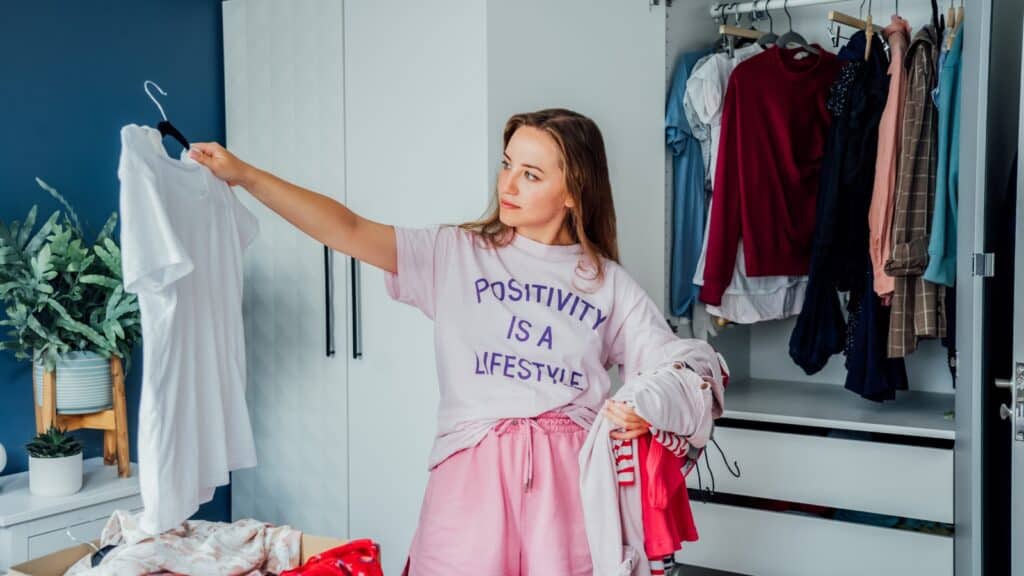
Gen Z’s fast-fashion habits create a constant churn: billions of items are produced and discarded each year. Half of young people report this pressure hurts their mental well-being, fueling anxiety, waste guilt, and financial strain.
Experts describe it as a treadmill with no off-ramp, where identity and style are temporary, transactional, and performative, accelerating the perception of adulthood well before actual independence or stability is reached.
Sustainability Guilt That Makes Them Grow Up Fast

Gen Z is willing to pay more for sustainable products, yet they remain major fast-fashion consumers, creating tension between values and behavior. This gap fosters eco-anxiety and cognitive dissonance, adding to stress.
Resale and thrift markets are booming as young people seek ethical alternatives, but the constant navigation of moral and social expectations contributes to the overall sensation of accelerated adulthood.
The Novelty Trap: Chasing the Next Identity

Nearly 40 percent of Gen Z make a point of constantly trying new brands, driven by social media algorithms that reward reinvention. This revolving-door consumer behavior erodes a stable sense of self, with young adults moving through micro-phases of style and identity at a pace previous generations never experienced.
The result is perpetual reinvention paired with a chronic feeling of “already missing” the last phase of their life.
They’re Not Biologically Aging Faster

Despite appearances, there’s no evidence that Gen Z is biologically aging faster than Millennials. Dermatologists note that preventive Botox and cosmetic trends may even accelerate perceived aging visually.
Researchers agree that what looks like early aging is cultural: stress, fast fashion, cosmetic choices, and social media aesthetics, not genetics or metabolism, create the impression that 22-year-olds are older than their actual years.
Nostalgia for Being a Teen… Yesterday

Many in Gen Z are nostalgic for early-2010s teen culture; Tumblr aesthetics, cozy café vibes, and simpler digital lives. This longing reflects a compressed youth, where technology, social media, and adult pressures intruded early.
Teens and 20-somethings reminisce online about “simpler times,” blending the longing of adolescence with the midlife-style nostalgia of someone far older, a subtle marker of cultural acceleration rather than literal aging.
Disclaimer – This list is solely the author’s opinion based on research and publicly available information. It is not intended to be professional advice.
Like our content? Be sure to follow us