Old Testament prophets that foretold the birth of Jesus
Ancient prophecies are drawing renewed attention today as readers trace how multiple Old Testament voices converged on a single birth in Bethlehem.
The ancient scriptures contain whispers that seem to echo forward in time to the manger scene in Bethlehem. Many scholars have spent decades studying how these old writings align with the life of Jesus. For centuries, people have found hope in these predictions that speak of a coming ruler who would bring peace. It is fascinating to see how different voices from the past pointed to the same future event.
Scripture tells us that these messages offered hope to people waiting for a Savior, painting a picture of who He would be and where He would come from. While we unwrap boxes, scholars remind us that these predictions create a roadmap leading straight to the town of Bethlehem.
Isaiah And The Virgin Birth
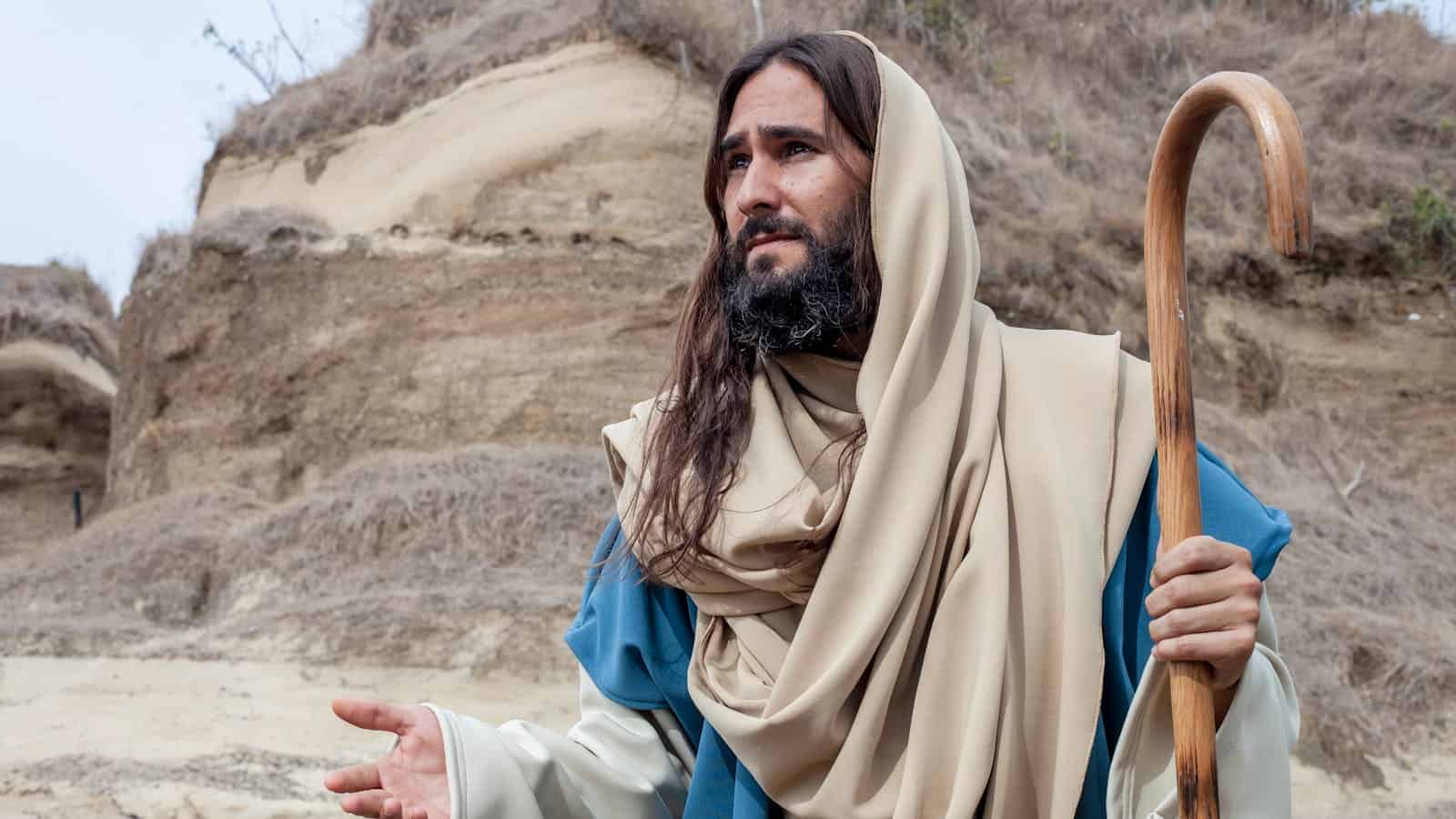
Isaiah is perhaps the most famous of the prophets for his specific details regarding the Messiah. He wrote that a virgin would conceive and give birth to a son named Immanuel. This particular verse is often read during candlelit services to emphasize the miraculous nature of the event.
His writings cover more than just the birth; they describe the nature of the child as a Prince of Peace. Data from the Barna Group in April 2025 shows that 66% of U.S. adults have made a personal commitment to Jesus. This rising interest aligns with Isaiah’s ancient vision of a leader who would draw people to himself.
Micah And The Little Town Of Bethlehem

Micah might be a lesser-known name, but his prediction was incredibly specific about the location. He pinpointed Bethlehem Ephrathah as the birthplace of the ruler over Israel. This was a tiny village, making the prophecy seemingly unlikely until it actually came to pass.
It turns out that location matters a great deal to those who study the history of this event. A Lifeway Research study from December 2025 reveals that 72% of Americans agree that Christmas celebrates a historical event. Micah provided the geographical pin on the map that grounds the story in real history.
Hosea And The Flight To Egypt

Hosea provided a prophecy that many realized only after the holy family fled to Egypt to escape danger. The verse stating “out of Egypt I called my son” is cited in the New Testament as a direct fulfillment. It connects the history of Israel with the life of Jesus powerfully and symbolically.
This narrative arc of escaping danger and returning fits into a broader story of redemption. Gallup reported in December 2025 that while 88% of Americans celebrate Christmas, only 47% attend religious services during the season. Even if fewer people attend church, the story of the flight to Egypt remains a staple of the cultural recounting of the Nativity.
Jeremiah And The Weeping Mothers

Jeremiah is often called the weeping prophet, and his connection to the birth story is a tragic one. He foretold a time when Rachel would weep for her children because they were no more. This grim prediction is linked to King Herod’s order to kill the infants in Bethlehem while trying to eliminate Jesus.
While the holidays are joyous, this prophecy acknowledges the pain that existed alongside the celebration. According to Lifeway Research in late 2025, while 53% of Americans think they can retell the Christmas story, only 22% believe they could do so accurately from memory. The darker details, like Jeremiah’s prophecy, are often the parts that people forget or omit.
Balaam And The Star Of Jacob

Balaam is an unusual figure in the Bible, yet his words set the stage for the Magi’s journey. He predicted that a star would come out of Jacob and a scepter would rise out of Israel. This celestial sign is what eventually guided the wise men from the East to visit the young child.
The imagery of the star is one of the most recognizable symbols of the season today. Barna’s 2025 data highlights a massive shift among Gen Z men, whose commitment to Jesus jumped 15 percentage points between 2019 and 2025. Perhaps the ancient idea of looking for signs and following them still resonates with a younger generation seeking direction.
David And The Eternal Lineage
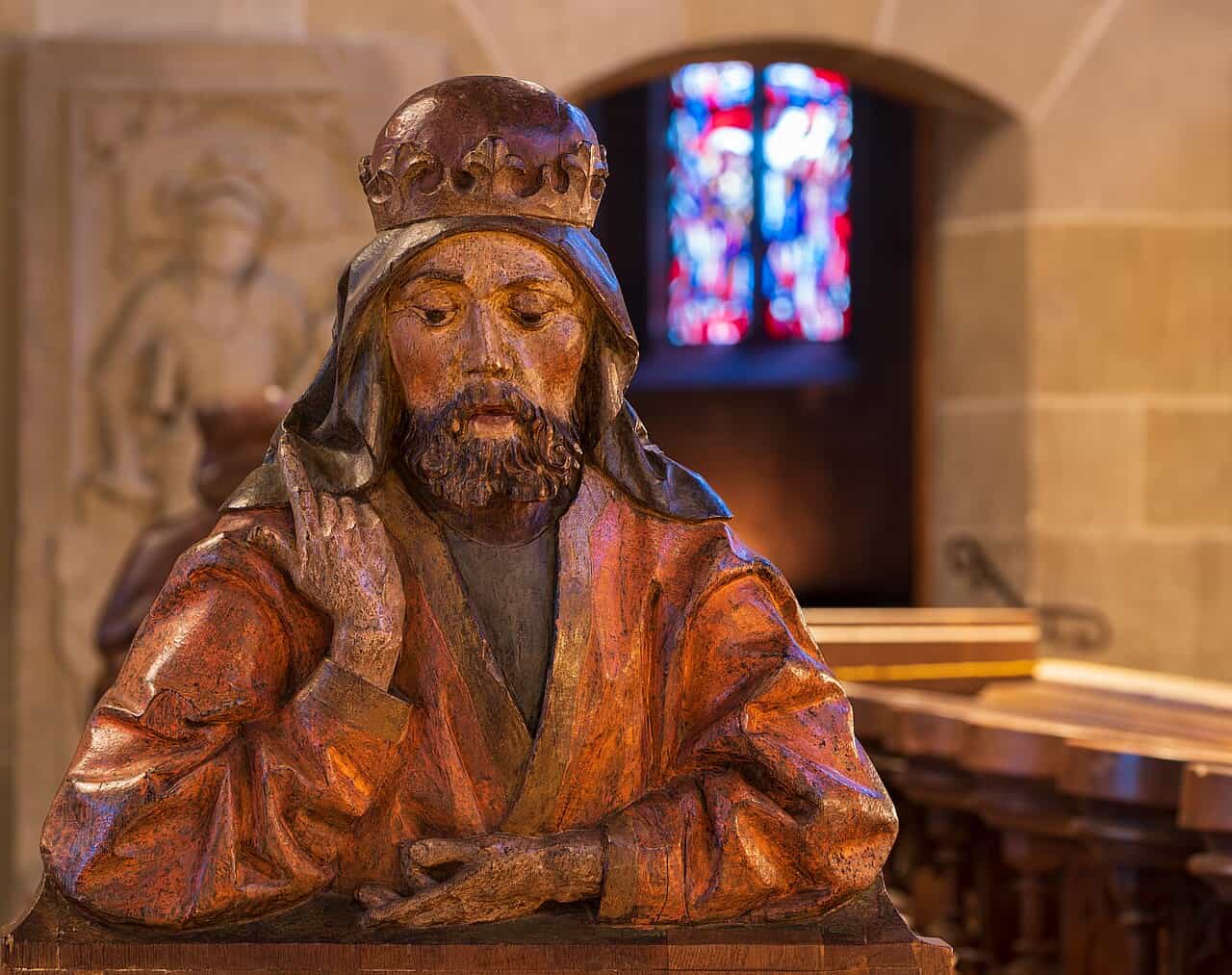
David is primarily known as a king, but the New Testament refers to him as a prophet regarding his own descendant. In the Psalms, he wrote that God would place one of his descendants upon the throne forever. This established the expectation that the Messiah would come directly from the royal line of David.
Genealogies in the Gospels go to great lengths to prove this specific familial connection. Ancestry data suggests that Americans are increasingly interested in ancestry, paralleling this ancient focus on family lines. David’s prophetic songs ensured that the birth would be seen as a royal arrival.
Daniel
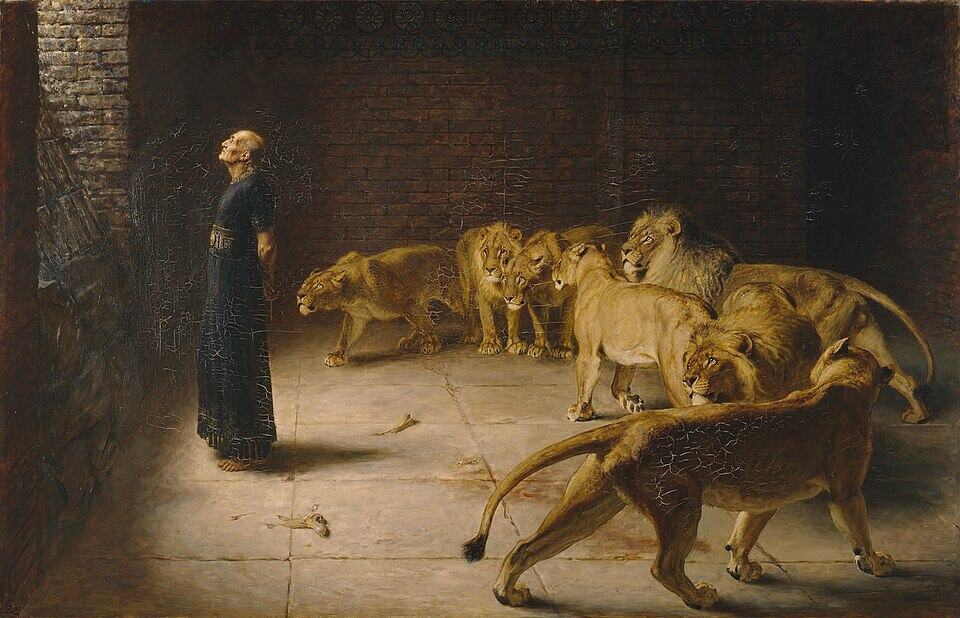
Daniel crunched the numbers in Babylon, providing a timeline for when the “Anointed One” would arrive on the scene to finish transgression. His prophecy of the “Seventy Weeks” has kept theologians busy with calculators and charts for hundreds of years.
He saw a vision of a Son of Man given authority, glory, and sovereign power that would encompass all nations and people groups forever. It served as a reminder that God had not forgotten his pact, even when the throne seemed empty, and the people were exiled.
Malachi

Malachi closed out the Old Testament by predicting a messenger who would prepare the way before the Lord suddenly came to his temple. He spoke of the “Sun of Righteousness” rising with healing in its wings, a beautiful image for anyone tired of the cold and dark.
Scholars have noted that this expectation of a forerunner was widespread in the first century and set the stage for John the Baptist. Gallup polling from 2023 shows that belief in God remains high at 74%, suggesting these spiritual themes still resonate deeply with the public.
Zechariah

Zechariah saw a king coming on a donkey, humble and bringing salvation, which crowds later shouted about during Palm Sunday. He also referred to the Messiah as “the Branch” who would build the temple of the Lord and rule as a priest. His visions were strange and vivid, yet they painted a portrait of a leader who was both a high priest and a crowned ruler.
Moses
Moses promised that God would raise a prophet “like me” from among the brothers, someone the people were strictly instructed to listen to. For centuries, the Jewish people looked for this second Moses who would lead a new and greater exodus.
He set the bar high, implying this future figure would speak God’s words directly and hold a special intimacy with the Creator. Barna Group research suggests a potential uptick in weekly church attendance, signaling a return to these weekly teachings.
Like our content? Be sure to follow us