Pop art reveals how trapped we are in consumer culture
In a world drowning in ads and images, Pop Art froze the noise mid-loop and forced viewers to sit with what constant repetition was doing to them.
Pop Art is usually remembered as bright and playful, fascinated with ordinary things. Soup cans. Soda bottles. Comic panels. Movie stars. It’s often described as the moment art stopped being so serious and decided to lean into consumer culture instead. In that telling, Pop Art comes off as cheerful and accessible, lightly ironic, and mostly harmless.
That version makes the movement easy to like, but it also smooths over what made it genuinely uncomfortable.
Pop Art didn’t happen because artists suddenly fell in love with products, logos, or branding. It happened because those things had already taken over everyday life to such an extent that ignoring them wasn’t possible anymore. Advertising was inescapable. Mass production had reshaped how people ate, shopped, dressed, and even thought about success. Repetition wasn’t just background noise. It was the atmosphere.
Pop Art didn’t create that world, and it didn’t celebrate it. What it did was freeze it. It pulled familiar images out of the flow of daily life and held them in place, forcing viewers to sit with them long enough to notice just how much space they were already taking up in their heads.
Where the Misreading Begins

When people say Pop Art celebrated mass culture, they are usually reacting to the surface. The colors are bold and clean. The images are familiar. The subjects feel approachable in a way earlier art movements often did not. There are no obscure myths to decode and no specialized knowledge required to recognize a soup can or a famous face. From the outside, that accessibility can look like enthusiasm.
But the work itself resists emotional warmth. Pop Art deliberately removes the cues that tell viewers what matters and how they should feel about it. Narrative disappears. Hierarchy collapses. A household product is given the same visual weight as a celebrity portrait. A comic panel is stripped of its story and presented as a fragment.
Nothing is framed as more meaningful than anything else, and that flattening is not accidental. It exposes how mass culture already treats images, objects, and people as interchangeable units competing for attention.
The Emotional Flatness Was Intentional
One reason Pop Art still confuses people is that it does not behave the way art is expected to behave. Many people approach art looking for emotional guidance. They expect to be moved, inspired, disturbed, or reassured in a recognizable way. Pop Art refuses to do that work for them.
The emotional flatness often described as coldness or detachment is part of the message. By withholding cues, Pop Art forces viewers to confront their own reactions, or lack of reaction. When nothing tells you how to feel, the absence itself becomes noticeable.
That absence mirrors how people often interact with consumer culture. Images surround us constantly, but emotional engagement is shallow. Attention is brief. Recognition replaces reflection. Pop Art does not correct that pattern. It reflects it back.
Why Repetition Does So Much of the Work
Repetition is the most obvious feature of Pop Art and the one most people notice first. The same image appears again and again, sometimes with minor variations, sometimes with none at all. At first, repetition feels bold or graphic. Over time, it becomes dull. The image loses its ability to hold attention. It fades into visual noise. That experience is not a side effect. It is the point.
Pop Art recreates the psychological effect of mass media rather than commenting on it from a distance. Advertising works by repetition. Branding works by repetition. Familiarity breeds comfort, and comfort eventually turns into numbness. Pop Art exaggerates that process until the viewer becomes aware of it happening.
Instead of explaining how repetition flattens meaning, the work lets viewers feel that flattening in real time.
Familiarity as a Form of Control
One of the quieter insights of Pop Art is how familiarity shapes behavior. When images repeat often enough, they stop demanding thought. They become accepted. Trusted. Invisible. That invisibility is powerful because it lowers resistance.
Pop Art pieces disrupt that comfort by exaggerating it. When a familiar image is repeated excessively or presented out of context, it becomes strange again. That moment of strangeness creates a crack where awareness can enter.
The art does not accuse. It does not moralize. It simply asks the viewer to sit with the discomfort of recognition.
Objects Detached From Use
A soup can in a kitchen carries associations. Hunger. Routine. Habit. Memory. It is part of daily life, not something meant to be contemplated. Pop Art removes that object from its function and isolates it as an image. Once use disappears, meaning thins out. What remains is surface. Label. Shape. Color.
This shift mirrors how consumer culture often asks people to relate to objects. Products are less about function and more about identity. They signal taste, status, and belonging. Pop Art mirrors that logic by presenting objects as symbols rather than tools.
The result feels empty because it is meant to. The emptiness reflects how meaning is often stripped away once appearance takes over.
When People Become Images
One of the most unsettling moves Pop Art made was treating celebrities the same way it treated products. Faces were repeated, recolored, cropped, and multiplied until individuality disappeared. What mattered was recognizability rather than personhood.
This approach was controversial at the time because it flattened figures people were used to seeing as special or exceptional. Fame was stripped of narrative and presented as an image circulating through mass media.
Seen now, this logic feels familiar rather than shocking. Faces circulate endlessly online. Visibility becomes value. Emotional depth becomes optional once repetition takes over. Pop Art did not predict this world so much as notice its early shape.
Why Neutrality Felt Threatening
The Pop Art approach unsettled critics and audiences alike because it refused to take a clear moral stance. It did not openly condemn consumer culture, but it did not celebrate it either. That neutrality made people uneasy.
Art that criticizes loudly can be dismissed. Art that celebrates can be enjoyed. Art that simply reflects leaves the viewer alone with their interpretation.
Pop Art suggested that consumer culture was not something happening outside of people, but something shaping how they saw, felt, and decided. That implication is harder to reject because it places responsibility back on the viewer.
The Role of the Viewer
Pop Art shifts the burden of meaning onto the audience. Instead of telling people what to think, it creates conditions where thinking becomes unavoidable. When familiar images are repeated and stripped of context, viewers have to confront their own relationship with them.
Do they feel bored? Comforted? Irritated? Detached? Amused? None of those reactions are wrong, but none are neutral either.
Museums Did Not Neutralize the Message
As Pop Art was absorbed into museums and galleries, it became easier to treat it as decorative or nostalgic. Bright colors and recognizable imagery lend themselves to that reading. Framed on white walls, the work can feel settled and resolved.
But the institutional setting does not erase the underlying tension. In some ways, it sharpens it. The same culture that produces endless disposable images also decides which of those images deserve preservation and value.
Pop Art exists right inside that contradiction. It does not resolve it. It exposes it.
Why Pop Art Still Feels Current
Pop Art does not feel dated because the conditions it responded to never disappeared. They intensified. Images now circulate faster, repeat more often, and reach further than they did in the 1960s. Faces blur together. Products speak in the same visual language. Individual moments flatten into content.
The technology has changed, but the effect remains familiar. Attention is fragmented. Recognition is rewarded. Repetition shapes preference.
The Real Trap Is Familiarity
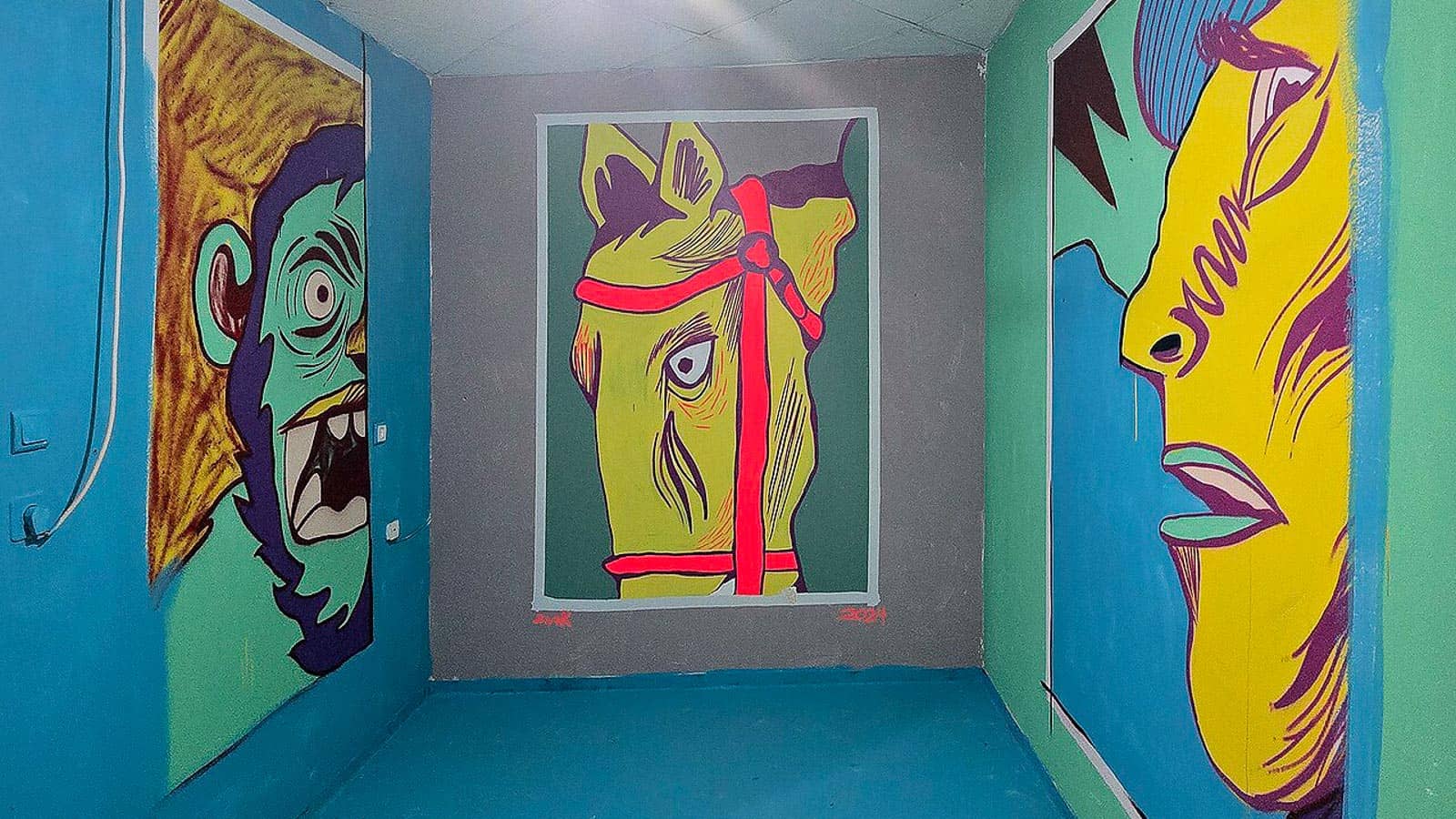
The deeper insight of Pop Art is not that consumer culture is loud or excessive. It is that repetition makes it invisible. When everything feels familiar, urgency disappears. When images repeat endlessly, meaning thins out. When branding surrounds every experience, it begins to feel natural rather than constructed.
The Pop Art approach disrupts that comfort by exaggerating it. By making the familiar strange again, it forces attention back onto things people usually pass without noticing.
What Pop Art Does Not Offer
Pop Art often leaves viewers with questions that linger. How much of what you see every day do you actually notice? How much of it shapes your expectations without your awareness? How often repetition replaces thought?
Why We Keep Wanting Pop Art to Be Easier
The appreciation of Pop Art pieces is often softened in hindsight. It is easier to describe the work as playful than to sit with what it reveals. Nostalgia smooths over tension. Celebration replaces confrontation.
Calling Pop Art fun allows people to enjoy the surface without engaging with the mirror underneath. But Pop Art was never just about liking what we see; it was about recognizing the systems we live inside.
And once that recognition settles in, the work stops feeling decorative and starts feeling uncomfortably close.
143 Years Later, Here’s Why We Still Can’t Stop Talking About Picasso

With over 20,000 works spanning styles from Cubism to ceramics, Picasso’s legacy shows how relentless reinvention can define modern art itself.
Every October 25, the world remembers Pablo Picasso, a name that is practically synonymous with modern art. Born in Málaga, Spain, in 1881, Picasso lived for more than ninety years and left behind a staggering body of work. He painted, drew, sculpted, designed stage sets, and even worked in ceramics, producing more than 20,000 pieces over his lifetime. His career was marked by relentless reinvention, constant experimentation, and controversy both in his personal life and in his art. On his birthday, we are reminded not only of his extraordinary achievements but also of the debates that continue to surround him. Learn more.