Seen and served: why women veterans are still fighting to be recognized
When you think of a veteran, your brain probably defaults to a guy in a weathered camo hat, nursing a lukewarm coffee at the local diner and swapping “back in my day” stories. It’s a classic image, sure, but it’s also getting a serious software update.
The face of service is changing faster than a recruit’s haircut. According to the U.S. Department of Veterans Affairs, updated in 2025, women make up approximately 11.3 percent of the total veteran population in the United States. But there’s a strange paradox at play here.
While their numbers are surging, the recognition hasn’t quite caught up. Too many of these heroes trade in their tactical gear only to find themselves wearing a literal “invisibility cloak” back home. They’ve earned the title, yet they’re still being asked, “Is that your husband’s hat?”
It’s time we pull back the curtain on why these women are often hidden in plain sight and why their stories are the ones you actually need to be listening to.
The media still defaults to a male veteran
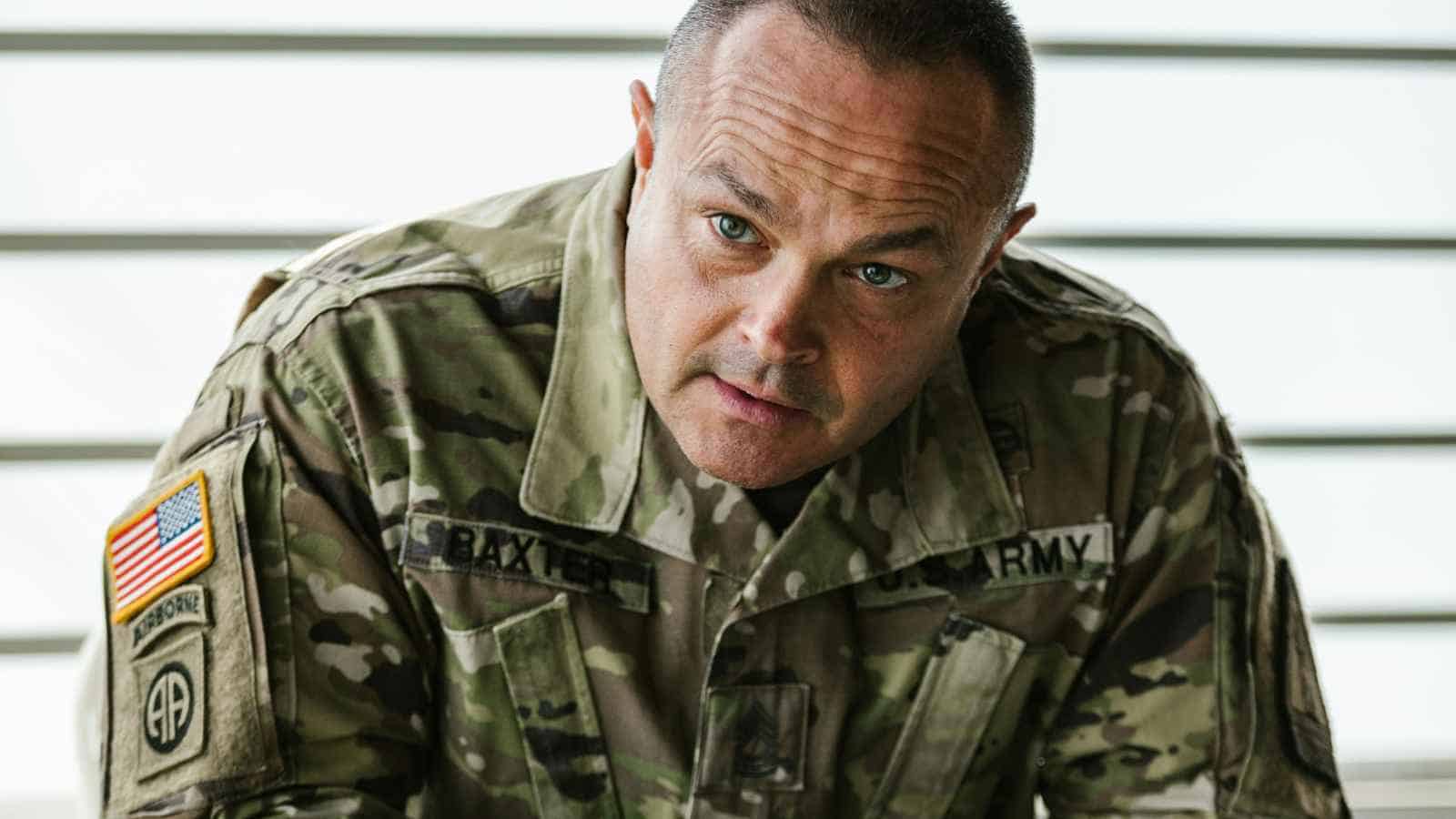
Flip through the news, and you will see that the “face” of the military remains overwhelmingly male. When the media only shows one type of veteran, it erases the stories of the thousands of women who served in every corner of the globe. This lack of representation makes the public doubt women’s authority on military issues.
Growing in number, shrinking in visibility
The percentage of women veterans in the U.S. has grown from 6.3% in fiscal year 2000 to 11.3% in 2023, representing approximately 2.1 million women, according to the U.S. Department of Veterans Affairs.
Despite this growth, many women veterans feel like “second-class citizens” when they walk into military spaces. They often find themselves explaining that they are the veteran, not the spouse or the daughter. This constant need to prove their service adds a heavy emotional weight to their civilian transition.
Transitioning home can mean becoming “invisible” again
When women leave the military, many feel like they simply “disappear” from the public eye. Even with these impressive credentials, they report feeling overlooked in campus veteran groups and workplace programs. They spend their post-service lives juggling roles as mothers and employees while still fighting for basic recognition.
They serve in every role and face unique risks
Women now crush it in every military role imaginable, including high-risk combat positions. This increased exposure means they face serious health challenges. The U.S. Department of Veterans Affairs reports that approximately 13% of women veterans and 6% of men veterans will experience PTSD in their lifetime, confirming that women veterans have a significantly higher risk.
These distinct burdens require a healthcare system that actually understands what a woman’s service looks like.
Mental health burdens are heavier and deadlier

The mental health stakes for women veterans are incredibly high and require urgent attention. Disabled American Veterans states that women veterans are twice as likely to attempt suicide compared to their male counterparts. They also face a suicide risk that is roughly double that of civilian women.
Homelessness is rising even as overall veteran homelessness falls
While the U.S. is making progress on ending veteran homelessness, women are being left behind in the cold. Even more shocking, the count of unsheltered women living in cars or on the streets shot up. VA officials point to a mix of trauma, domestic violence, and economic instability as the main drivers of this unacceptable crisis.
Economic potential and economic gaps
Women veterans are absolute powerhouses in the workforce, but they still hit a few glass ceilings. While they have the skills to lead, many systems still underestimate their professional value and leadership potential.
Fighting to be seen as leaders, not exceptions
Progress is happening in the halls of power, but it is moving at a snail’s pace. As of early 2025, nine women veterans were serving in the 119th Congress, the highest number to serve simultaneously in U.S. history.
According to CQ Roll Call, this group includes 7 members in the House and 2 in the Senate, reflecting a growing, though small, representation of women with military backgrounds in federal office. These women are often treated as “inspiring exceptions” rather than the experts on national security that they actually are.
Key takeaway
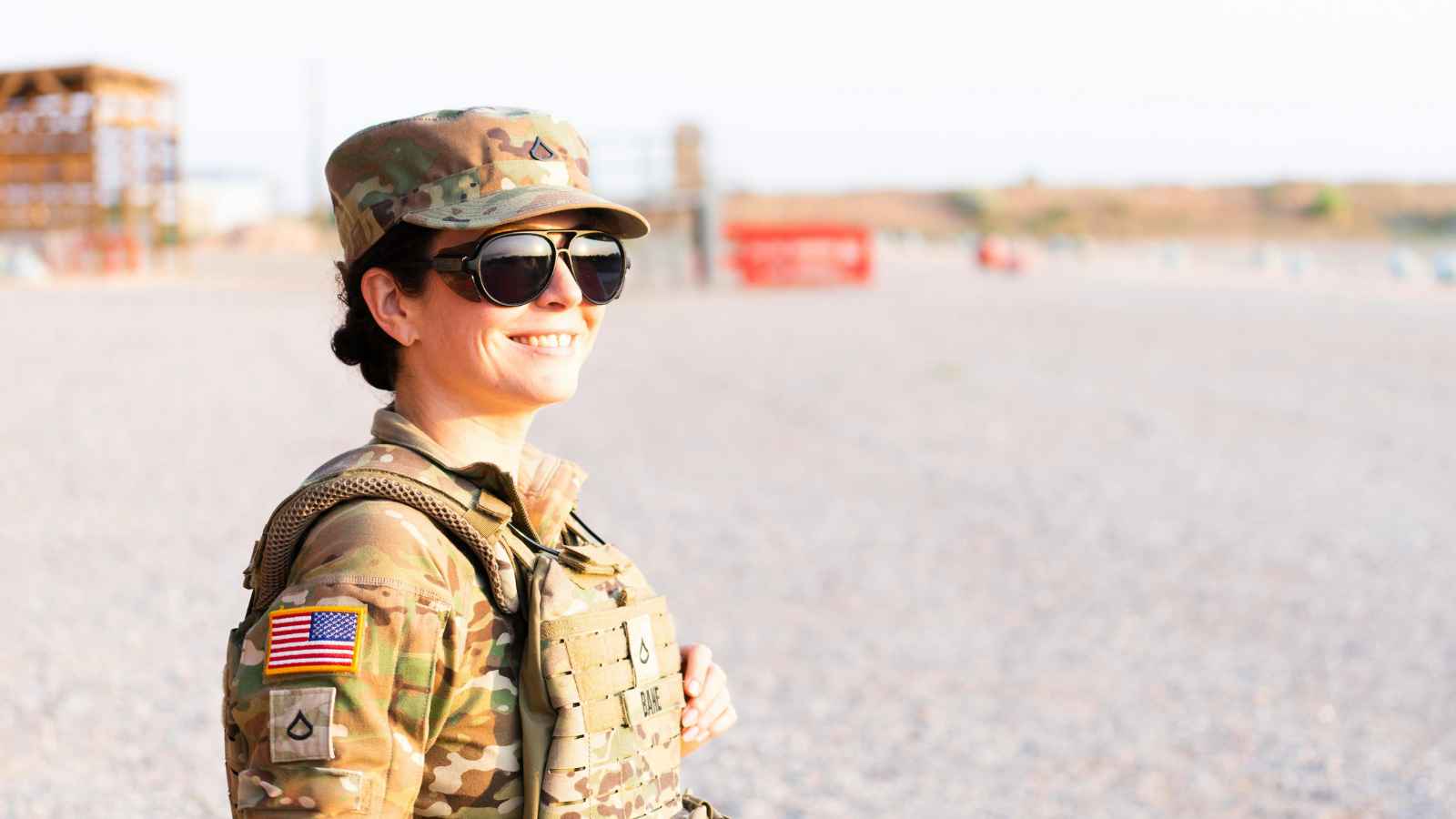
Women veterans are strong and growing, yet they face a visibility gap that impacts their healthcare, housing, and careers. While they outpace civilians in education and employment rates, they also suffer from higher rates of suicide and a sharp rise in homelessness. Recognizing their service is the first step toward fixing the systems that were never built with them in mind.
Disclosure line:
This article was developed with the assistance of AI and was subsequently reviewed, revised, and approved by our editorial team.
Like our content? Be sure to follow us