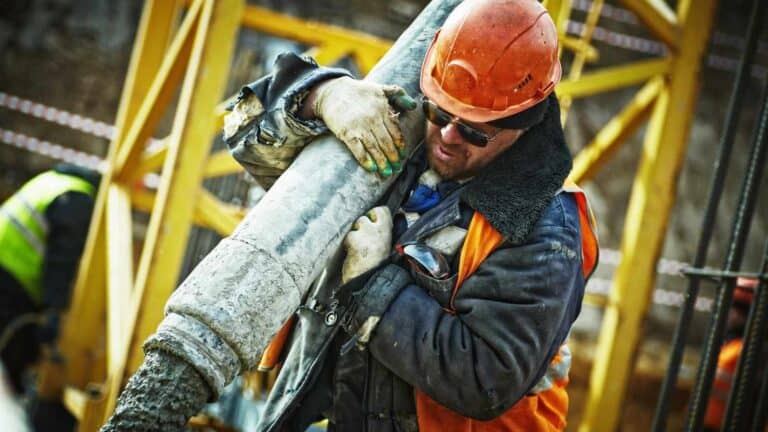
S&P says factory layoffs in June hit levels seen in the financial crisis and COVID times
U.S. manufacturing is currently facing a bizarre identity crisis as factories ramp up production while cutting their workforces at a terrifying pace.
The latest S&P Global survey shows a brutal reality hidden behind otherwise healthy economic headlines. In June 2026, factory job cuts reached levels not seen since the 2008 financial crisis and the initial pandemic shock. This creates a massive disconnect between corporate output and labor security.
As per readings from the S&P Global Flash US PMI, the headline manufacturing Purchasing Managers’ Index (PMI) actually rose to 55.7 in June, beating the Dow Jones consensus estimate of 54.8, while the services PMI ticked up to 51.3. Yet, behind closed doors, factory managers are aggressively slashing payrolls to control ballooning operational costs. Meanwhile, the composite PMI edged up to 52.2, indicating a weak 1% annualized GDP growth rate.
Real stories from the assembly line
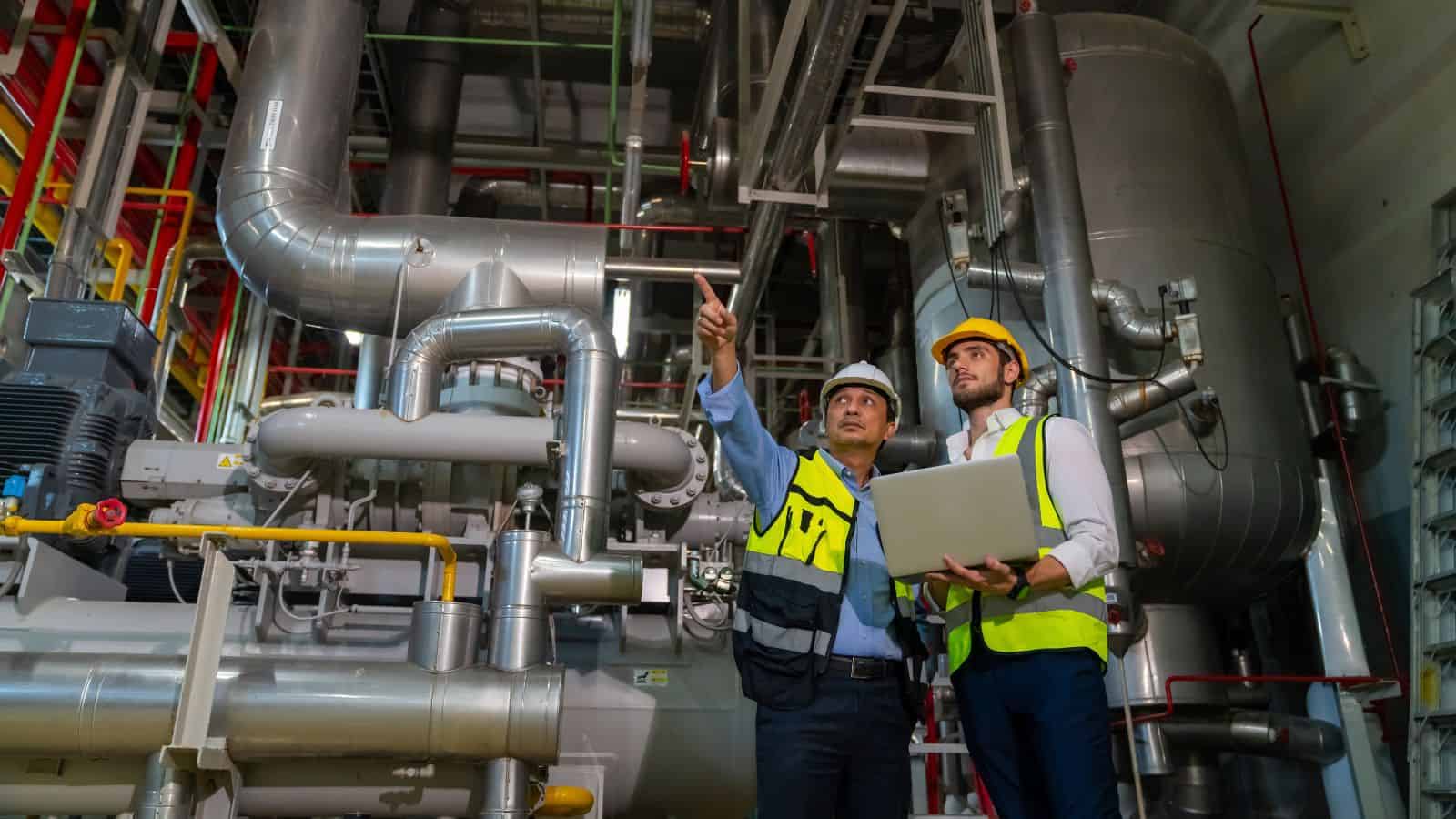
The statistics look bad on paper, but the reality on the factory floor is much more stressful for everyday workers. One worker at an aluminum fabrication shop revealed that their facility recently eliminated all overtime and reduced operations to a single shift. That is a drastic cost-cutting measure not seen in their shop since the depths of the 2009 recession.
Small business owners are also feeling the intense pressure of this economic cycle. A small manufacturing firm owner shared that raw material and input costs have skyrocketed over the past few months alone. Faced with surging expenses, smaller operators have little choice but to freeze hiring or reduce headcounts.
This trend has fueled growing skepticism about political promises to restore blue-collar prosperity. There is a bitter consensus among workers that modern factory employment is no longer a guaranteed ticket to the middle class.
The illusion of industrial expansion

The high production numbers in June do not reflect a sudden surge in consumer demand. Instead, factories are pumping out goods to rebuild inventories as a protective shield against supply delays and looming tariff threats. This defensive stockpiling creates a temporary illusion of economic strength while underlying demand remains incredibly weak.
Companies are essentially front-loading orders to lock in prices before inflation spikes again. This panic-buying behavior is unsustainable and will likely lead to a steep drop in output once warehouses are full. The job cuts prove that executives are already preparing for the inevitable crash.
Chris Williamson, Chief Business Economist at S&P Global, emphasized that current factory output is temporarily buoyed by inventory building amid supply fears. Williamson noted that the persistent decline in employment is highly worrying, reflecting corporate fear over high raw material costs.
Why are companies clearing houses?
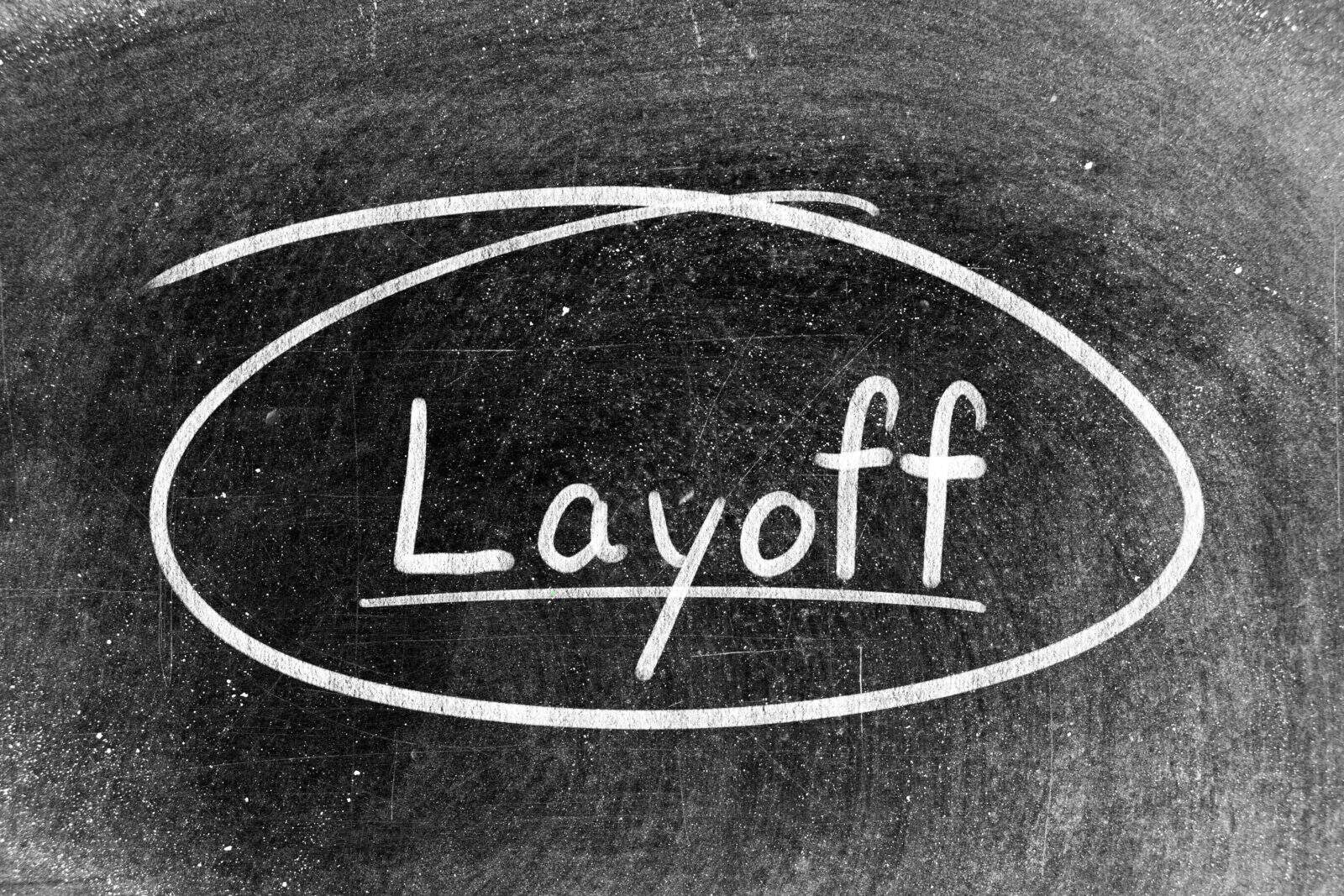
High operating costs are the main driver behind this aggressive wave of layoffs. Shipping delays and supply chain issues have worsened dramatically due to the ongoing conflict in the Middle East. These logistics bottlenecks have stretched vendor delivery times to their longest levels since late 2022.
To make matters worse, input cost inflation accelerated sharply throughout the second quarter. With margins squeezed by high energy prices and expensive raw materials, companies are treating labor as their primary shock absorber. By cutting headcounts now, corporate boards hope to protect profits before a broader slump in demand hits.
Additionally, high global interest rates continue to depress consumer and business confidence. It is a vicious cycle in which high borrowing costs limit investment, forcing companies to shrink rather than scale.
Specialized skills and the automation takeover
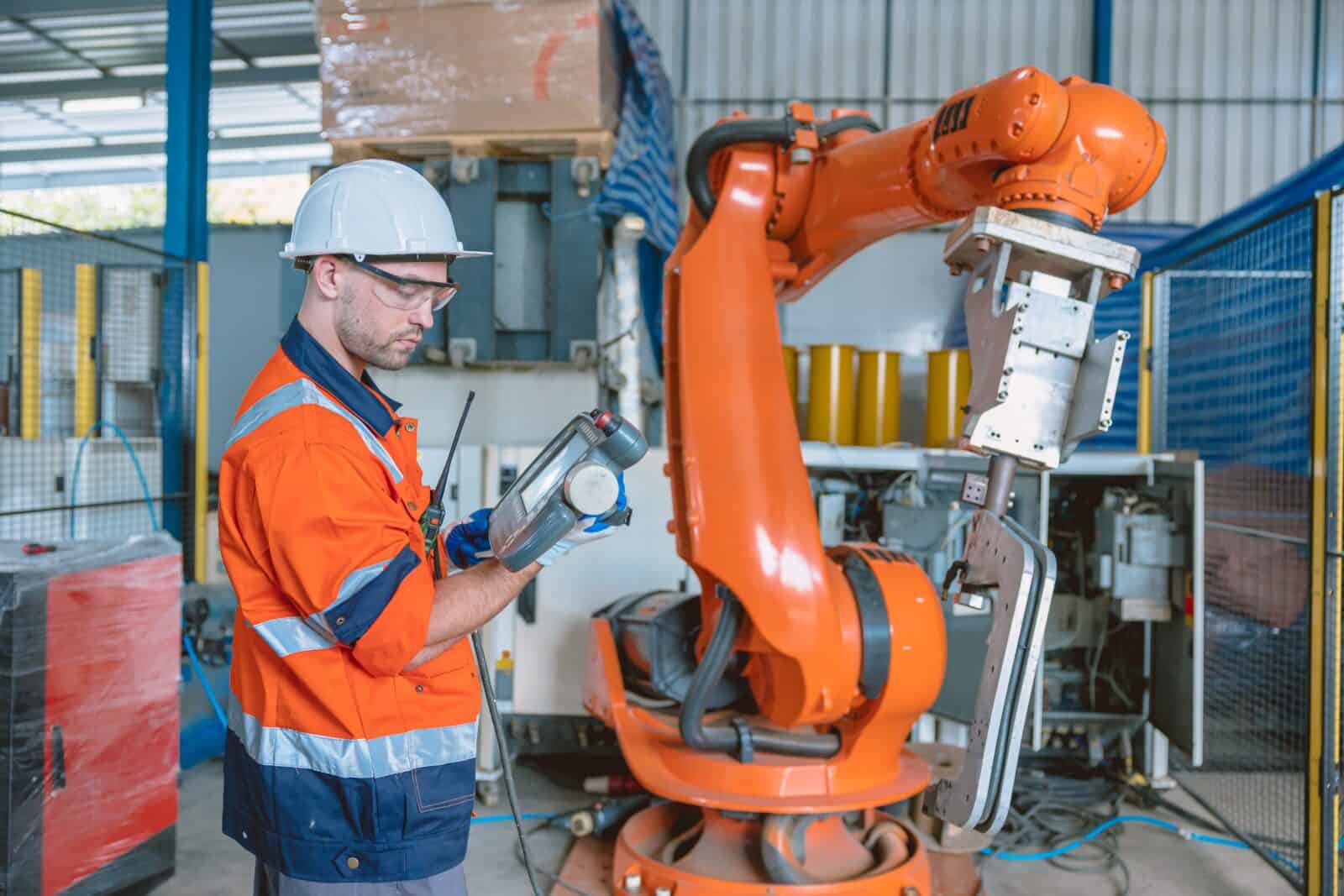
The nature of manufacturing is undergoing a massive structural shift that leaves many traditional workers behind. A major portion of the job losses is attributed to increased automation and the integration of robotics on the factory floor. This means that even if production volumes return to historic highs, human headcounts will not.
The jobs that do pay well now require highly specialized technical qualifications. Industry insiders note that entry-level requirements for premium manufacturing roles often demand double STEM degrees in engineering and physics. The days of securing a stable, high-paying factory career with only a high school diploma are officially gone.
This creates a deeply polarized job market. While highly skilled tech engineers thrive, traditional manual laborers face rising long-term unemployment and shrinking opportunities.
What happens next

The divergence between output and employment cannot continue indefinitely. Once the current cycle of precautionary stock building ends, production levels will likely fall to match weak consumer demand. When that happens, the broader labor market could experience a much wider slowdown.
Investors and professionals should look past the optimistic headline PMI numbers. The collapsing factory employment rate is the true canary in the coal mine for the wider economy.
The quick industrial download

U.S. manufacturing is currently experiencing an artificial boom driven by defensive stockpiling rather than true customer demand. Faced with soaring input costs and supply chain delays from Middle East conflicts, companies are aggressively cutting workers to protect margins. This severe labor contraction, coupled with rapid automation, indicates a deeper structural decline for traditional blue-collar employment.
Disclaimer – This list is solely the author’s opinion based on research and publicly available information. It is not intended to be professional advice.
Like our content? Be sure to follow us