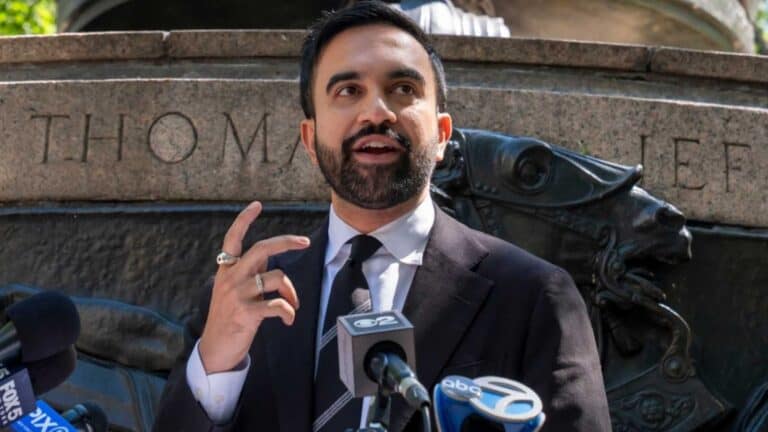
Supreme Court rejects Trump appeal in E. Jean Carroll $5 million case
The highest court in the land just drew a line in the sand, and there’s no going back.
On June 29, 2026, the Supreme Court shut the door on Donald Trump’s attempt to overturn his $5 million civil judgment.
It didn’t offer a lengthy explanation or any public dissent. This quiet move effectively forces a sitting president to pay up for past misconduct. The decision brings a dramatic, messy climax to years of fierce legal drama.
Writer E. Jean Carroll, now 82, has battled Trump in court since she first shared her story in 2019. It’s a massive victory for survivors using civil courts to find a voice.
Why the court passed on the case
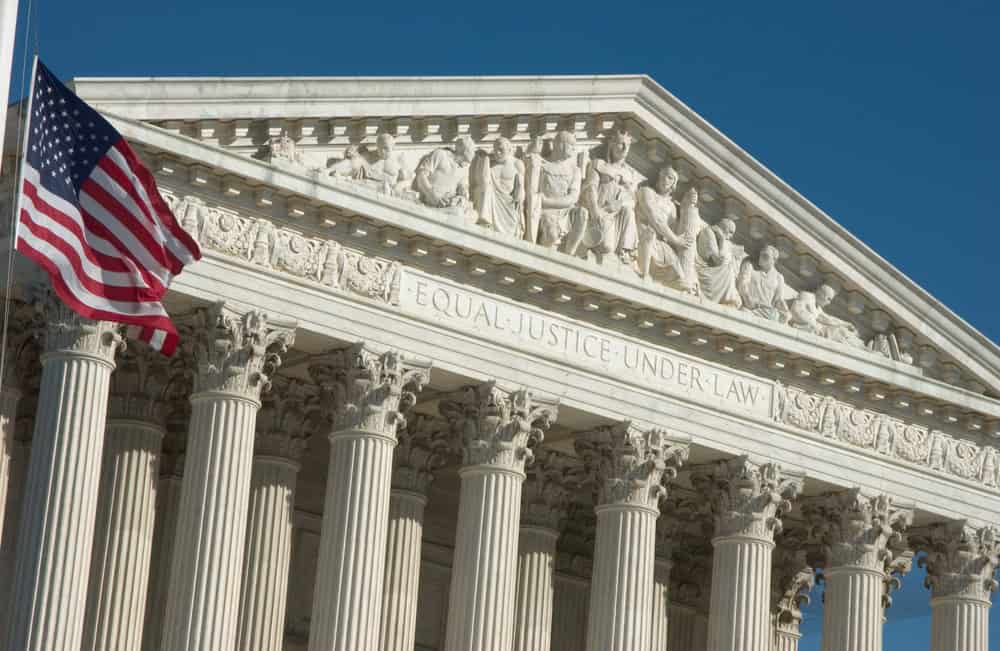
The justices decided to pass on the appeal amid a busy final week of their term.
While they expanded presidential power in other administrative areas, they drew a hard line at personal civil liabilities. Their silence speaks volumes, leaving the lower court’s decisions completely untouched. Trump’s legal team tried to argue that the trial was a partisan circus.
They claimed the judge shouldn’t have let the jury hear from other accusers. But the high court simply didn’t buy the argument.
How the five million dollars breaks down

The origin of that $5 million figure comes from a very specific legal breakdown.
The jury in 2023 weighed the evidence for less than three hours before rendering its unanimous verdict. They found him liable for both sexu@l abuse and defamation, splitting the cash across clear legal categories. Trump’s lawyers argued that the $2 million battery award was excessive since the jury rejected the technical r@pe charge.
But U.S. District Judge Lewis Kaplan didn’t agree, pointing out that New York’s criminal definition of r@pe was incredibly narrow at the time. In common parlance, the judge stated, the jury found Trump did exactly what people understand as r@pe.
The legal loopholes and tactics that failed
The entire lawsuit was made possible by New York’s Adult Survivors Act.
This law opened a temporary one-year lookback window for adult survivors of sexu@l assault. It didn’t just allow Carroll to sue; it sparked a massive legal trend. Over 3,000 civil lawsuits flooded New York courts during that one-year period.
Famous figures like Sean “Diddy” Combs, Bill Cosby, and Harvey Weinstein faced similar legal reckonings. Even the state itself faced massive pressure, with over 1,200 cases filed against New York prisons alone. Trump’s attorneys tried desperately to block the testimony of Natasha Stoynoff and Jessica Leeds.
They claimed their decades-old stories unfairly biased the jury. Yet, the appeals court ruled the testimony showed a repeated, idiosyncratic pattern of conduct. Attorney Justin D. Smith wrote that this treatment of a president shouldn’t stand.
Trump clearly agreed, later nominating Smith to a lifetime seat on the federal appeals court. Still, political nominations couldn’t derail the momentum of Carroll’s legal team.
What lies ahead on the legal horizon
There’s a much bigger financial storm brewing on the horizon for Trump.
He’s still fighting a massive $83.3 million defamation verdict from a second trial. That case hinges on statements he made while actually serving as president. To make things even wilder, the Justice Department launched a perjury probe against Carroll.
Disclosed in May, the investigation examines whether her trial testimony was entirely truthful. It’s a surreal twist in a battle that’s already seen every legal maneuver imaginable.
Carroll’s attorney, Roberta Kaplan, remains completely unfazed by these countermoves.
She stated that the Supreme Court’s decision once and for all affirms the jury’s unanimous verdict. To her, the ruling ends his quest to avoid accountability for his actions.
The final verdict on accountability

The political and cultural fallout from this decision will ripple for years.
It shows that even the most powerful political figures aren’t immune to historical accountability. By leaving the $5 million verdict alone, the high court sent a clear signal to everyone.
Trump has dismissed the entire affair as a partisan “witch hunt” and “liberal lawfare.“
He claimed the case was really against the United States of America and its values. But the legal reality is that the cash must now be handed over.
The grand finale

At the end of the day, the Supreme Court has spoken, and the $5 million judgment stands.
This historic decision highlights the power of modern survivor advocacy and temporary legislative windows. Personal civil liability remains inescapable, no matter who they are.
Disclaimer – This list is solely the author’s opinion based on research and publicly available information. It is not intended to be professional advice.
Like our content? Be sure to follow us