The bans on using food stamps to purchase soda and candy: Pros and cons
A policy meant to feed families is now forcing a hard question about where nourishment ends, and control begins.
Let us talk about the grocery cart debate taking over kitchen tables across America right now. The government is changing how millions of families use their Supplemental Nutrition Assistance Program benefits. Officials want to remove sugary items from the approved list to push folks into healthier habits.
People are fired up on both sides of the aisle about whether this helps or hurts our neighbors. We broke down the loudest arguments driving this massive policy fight so you can see the whole picture.
Pro: Promoting Better Nutritional Habits At Home

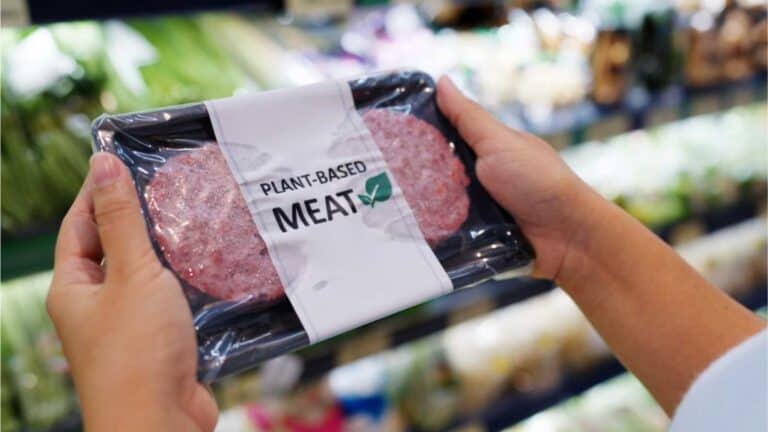
Health officials believe this rule change acts as a gentle nudge to the produce aisle. When families cannot use their federal benefits on sugary drinks, they often fill their carts with better options. Food Navigator USA says a survey showed that over 30% of program participants said they would substitute soda with tea or juice if the rules changed.
Breaking old habits is incredibly hard without a little outside pressure from lawmakers. Supporters argue that treating sugary snacks as a luxury item rather than a staple helps reset family eating patterns. Kids might grumble at first, but adjusting to natural sugars in fruit pays off over a lifetime.
Pro: Tackling The Epidemic Of Chronic Diseases

We are facing a severe health crisis that costs billions in medical bills every single year. Doctors point out that cutting easy access to liquid sugar is a solid first step in fighting diabetes and obesity. These preventable conditions hit low-income communities harder than anyone else.
Taxpayers currently foot the bill for both the sugary products and the medical care required later. Advocates stress that funding a program that directly feeds chronic illness simply makes zero economic sense. We need to focus on preventative care rather than reactive treatments to fix our healthcare system.
Pro: Bringing Consistency To Federal Assistance Programs
Other government nutrition initiatives already have strict rules about what you can throw in your basket. Programs like WIC have successfully restricted junk food purchases for decades without causing the sky to fall. Aligning all federal food aid under similar nutritional guidelines clears up bureaucratic confusion.
Consistency makes the rules easier to defend to the general voting public. Voters are much more likely to support welfare programs when they know the funds pay for genuine nourishment. It builds public trust when assistance dollars actually go to healthy sustenance instead of processed sweets.
Pro: Protecting Taxpayer Funds From Corporate Giants
Big soda companies have made a fortune off government subsidies for way too long. Critics argue that federal food assistance has quietly become a massive corporate bailout for candy manufacturers. Cutting them off forces these companies to compete in the free market without guaranteed government cash.
Those dollars should be supporting local farmers instead of massive beverage conglomerates. Recent C-Store Dive data shows that redirected spending could lead to 430 million dollars in sales losses for soda alone. Redirecting that money into agricultural subsidies would make fresh vegetables much cheaper for everyone.
Pro: Prioritizing Real Nutrition For Vulnerable Families

The core goal of food stamps has always been to keep people fed with actual nutrients. Proponents believe we must restore the original purpose of the initiative by focusing strictly on nutritional value. Junk food simply provides empty calories that leave kids feeling hungry an hour later.
The average SNAP benefit per person per month was 187 dollars in 2025. Stretching such a tight budget means every single dollar must go to foods that provide actual fuel for the body. Spending limited funds on candy bars leaves families short on real groceries by the end of the month.
Con: Stripping Away Personal Freedom And Choice
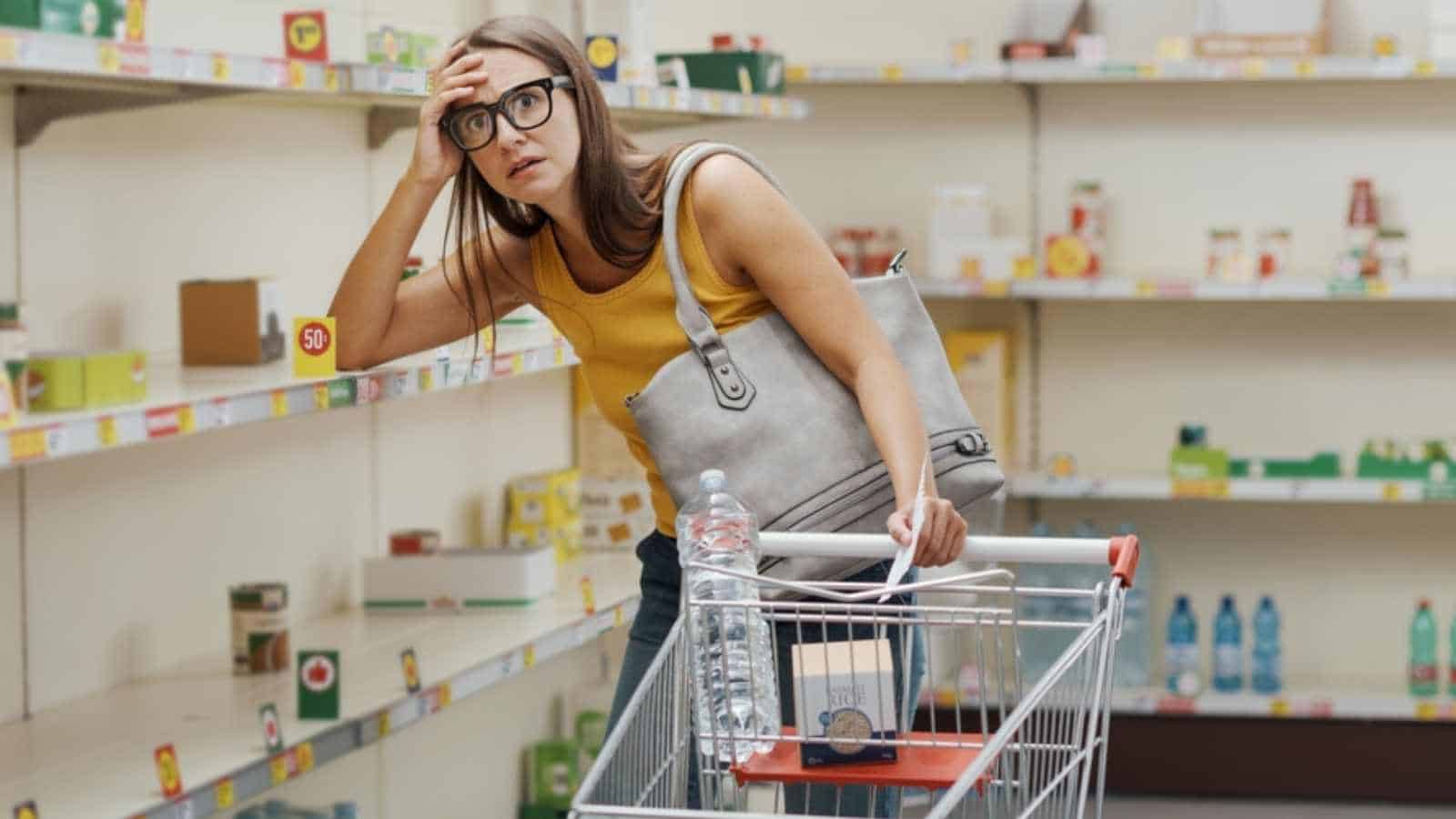
Nobody likes feeling micromanaged while standing in the checkout lane at the local grocery store. Opponents argue that policing the grocery carts of poor families creates unnecessary stigma and shame. A mother should be allowed to buy her child a birthday cake without feeling like a criminal.
Wealthy people buy junk food all the time without facing judgment from the federal government. Dictating exactly what someone can eat simply because they need financial help is incredibly patronizing. It strips away human dignity and treats adults like children who cannot make their own decisions.
Con: Harming Local Retailers And Grocery Stores
Small business owners are staring down a massive financial hit if these rules take effect everywhere. Independent corner stores rely heavily on snack and beverage sales to keep their doors open. This sudden shift could force many neighborhood bodegas out of business completely.
The federal government recently approved 23 states for waivers to implement these specific purchasing restrictions. A widespread rollout will definitely squeeze the profit margins of grocery stores operating in low-income neighborhoods. We might see food deserts expand if local shops can no longer turn a profit.
Con: Creating Complete Chaos At The Cash Register

Cashiers are not trained to be nutritionists or enforcement officers for the federal government. Figuring out which items contain artificial sweeteners or exactly five grams of sugar will hold up lines everywhere. The rules are incredibly complicated and vary wildly from one state to the next.
Software updates for checkout systems cost a small fortune for independent grocery store owners. Mom and pop shops will struggle to update their inventory systems to flag thousands of banned products. This administrative nightmare puts a heavy burden on the exact businesses we should be supporting.
Con: Forcing Families To Drain Their Limited Cash

Banning an item does not mean people will magically stop craving it overnight. Food Navigator USA says a survey reveals that 63% of program households say they would just use cash for soda instead. They will simply pull from their rent or gas money to buy the treats they want.
This defeats the entire purpose of trying to protect their financial stability. Squeezing the loose change out of struggling families only pushes them further into economic distress. It creates a dangerous cycle where people sacrifice essential bills just to buy a candy bar.
Con: Overlooking The True Cost Of Healthy Living
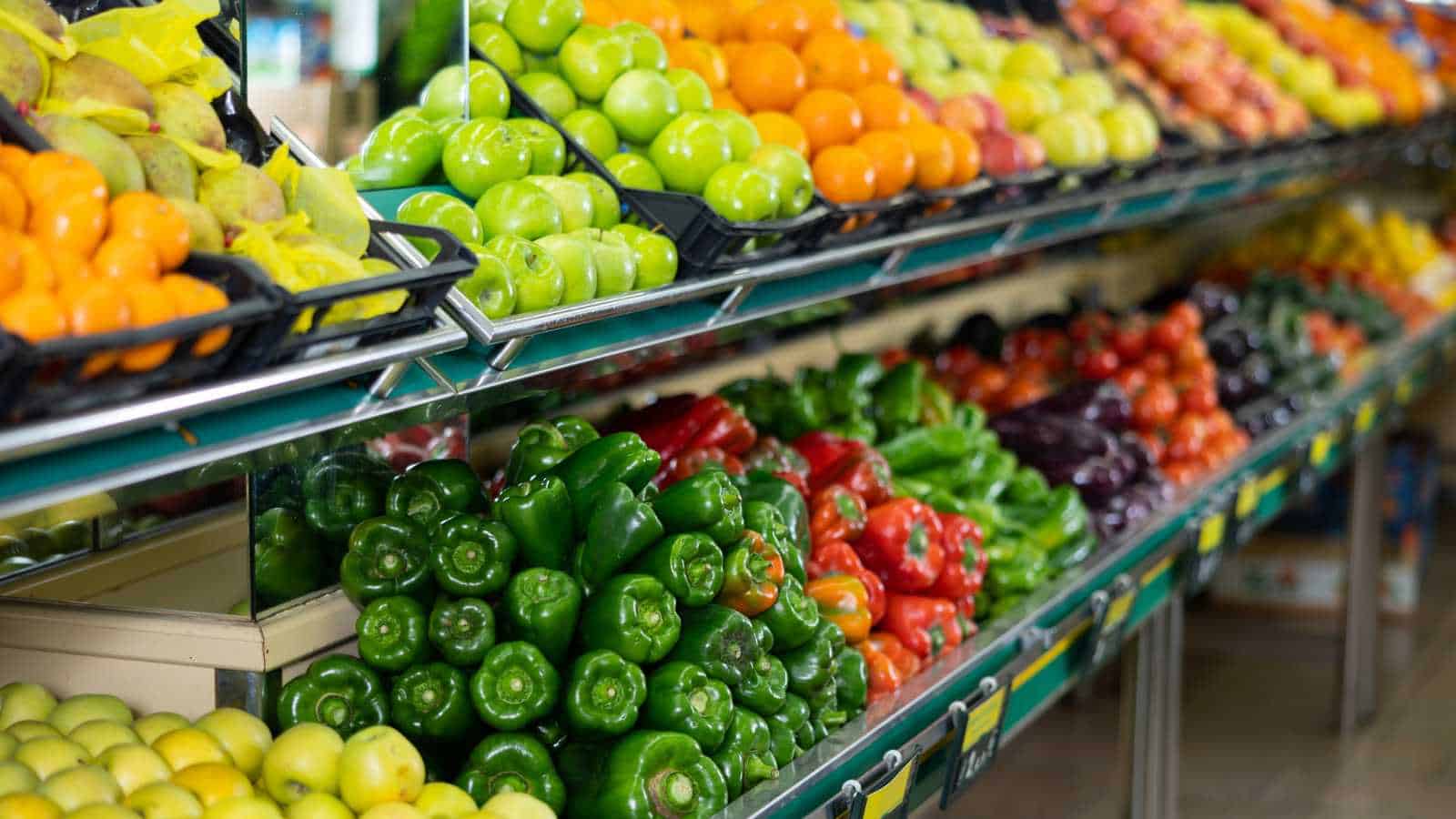
Fresh produce and lean proteins are incredibly expensive compared to processed foods. An estimated 12.3 percent of U.S. residents use this assistance program every month just to survive. Telling them to buy fresh salmon instead of cheap calories ignores the reality of inflation.
We cannot force dietary changes without making healthy food affordable first. Punishing people for buying cheap calories is cruel when a bag of apples costs more than a frozen pizza. The government should focus on lowering the price of vegetables instead of banning cheap snacks.
Like our content? Be sure to follow us