The home trends Boomers love to criticize (and why they may have a point)
Some home trends are born for the camera. Boomers are asking what happens after the photo is taken. That open kitchen shelf looks charming until dust settles above the coffee mugs like it pays rent. The low cloud sofa looks luxurious until getting up becomes a full-body negotiation. The TV over the fireplace looks sleek in a listing photo until your neck starts acting like it needs its own insurance card.
That is why Boomer complaints about modern home design keep spreading online. They are funny because they are specific, but they are also rooted in real life: AARP’s 2024 Home and Community Preferences Survey found that 75% of adults age 50-plus want to stay in their current homes as they age, and 73% want to stay in their communities.
Boomers are not just asking if a room can impress strangers on a screen. They are asking if they can clean it, reach it, sit in it, heat it, live with it, and sell it without cursing the day it went viral.
Why Their Opinions Matter More Than People Think

It would be easy to dismiss the complaints as classic “back in my day” design commentary. But boomers still carry major weight in the housing market. The National Association of Realtors reported in 2026 that baby boomers accounted for 42% of home buyers and 55% of home sellers. First-time buyers, meanwhile, fell to 21%, the lowest share since NAR began tracking that figure in 1981.
That gives older homeowners real influence. They are buying, selling, renovating, staying put, and passing judgment on houses that younger buyers may one day inherit or purchase. A 2024 Leaf Home and Morning Consult report found that 55% of boomer homeowners have no plans to move, while 68% live in homes that are at least 30 years old. In other words, these are not casual opinions shouted from the porch. They are market signals with knee pain.
Rodney Harrell, PhD, AARP vice president of home, family, and community, put it plainly in a 2024 AARP release: “As people age, affordable and independent living isn’t just a preference, it’s essential for their wellbeing.”
Open Floor Plans Are Losing the Room
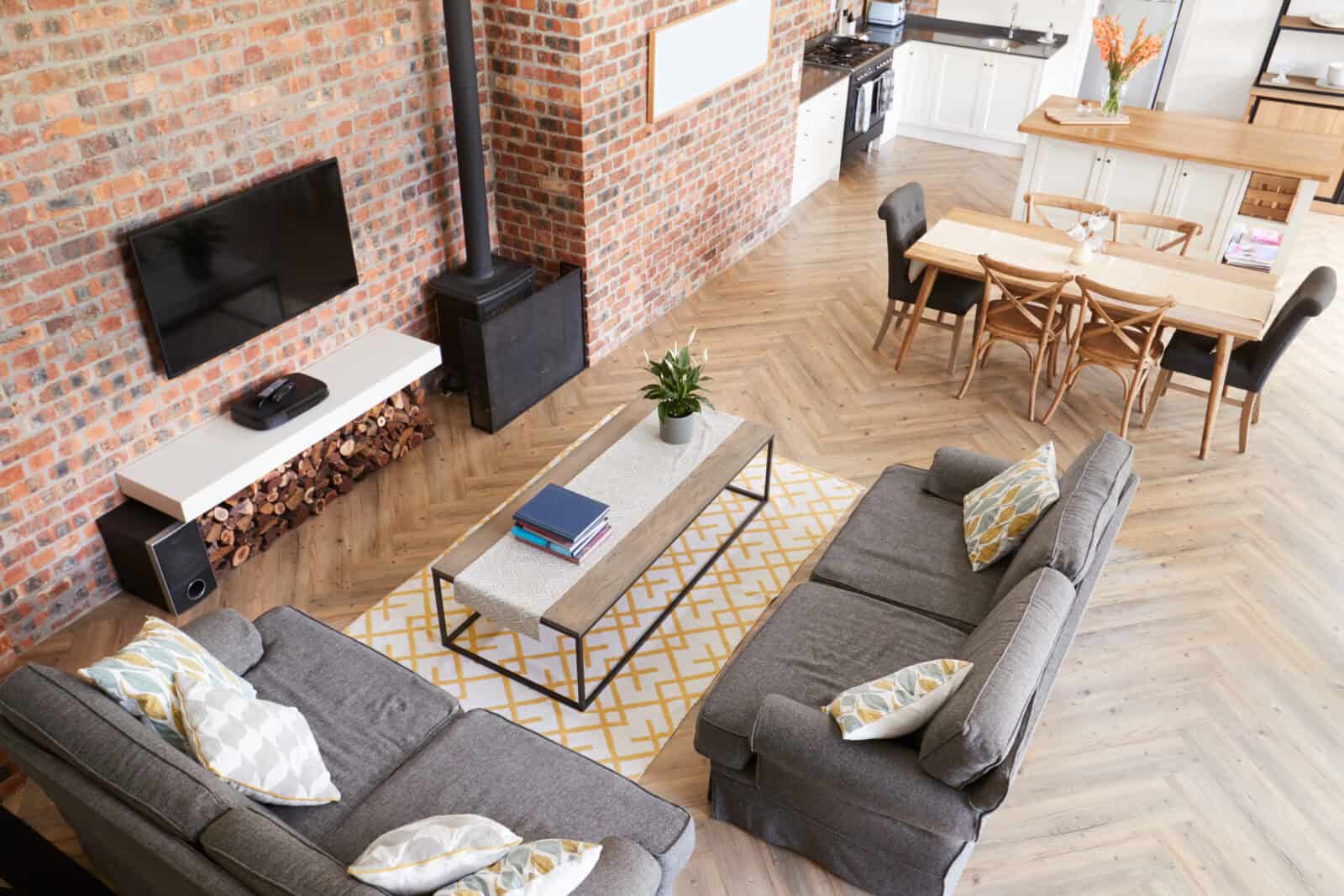
Open floor plans were sold as freedom: no walls, big sightlines, one flowing space where the kitchen, dining room, and living room all hold hands. Many boomers hear something else: blender noise, football commentary, cooking smells, and no door to close.
The divide is real. NAR’s 2026 design coverage cited a Rocket Mortgage survey showing that 51% of Americans prefer open layouts, while 49% prefer more traditional, closed layouts. Houzz’s 2024 U.S. Kitchen Trends Study found that 43% of homeowners renovating their kitchens opened them to other interior spaces, up from 38% in 2021. The trend is still alive. It just has more critics now.
Boomers often like connection. They just do not always want one giant room where every burnt piece of toast becomes a whole-house event. Their version of luxury may be simple: a wall, a door, and the right to watch the news without hearing someone unload the dishwasher.
Open Shelving: Pretty Plates, Public Dust
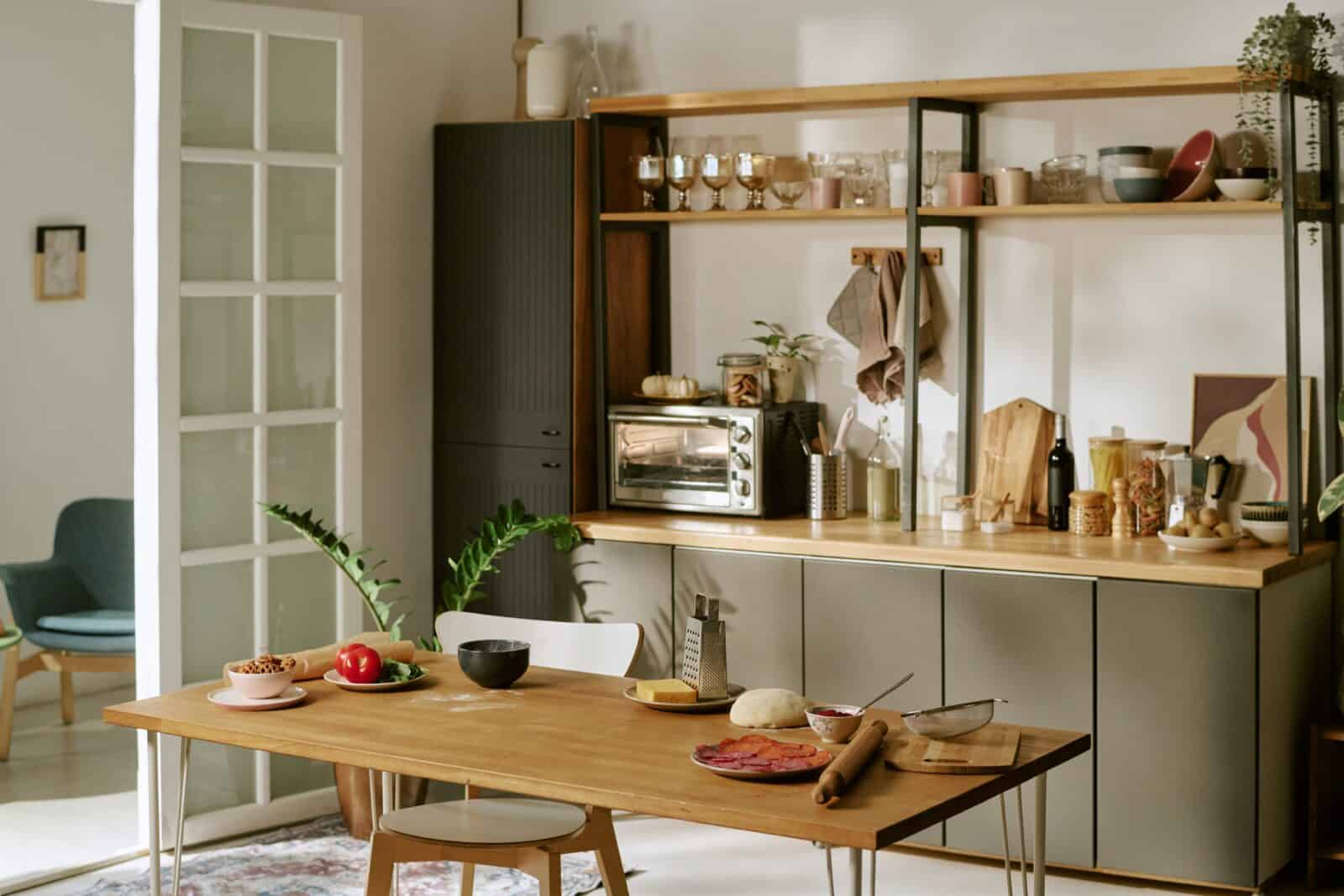
Few trends attract more boomer side-eye than open kitchen shelving. Younger homeowners may see airy charm. Older homeowners see a second job with ceramic bowls.
Open shelving often reads to younger people as a way to show off pretty dishes, while older generations see dust, clutter, and daily upkeep.
BuzzFeed’s 2025 reader submissions from people over 60 made the same point in sharper language, with one reader asking if people have to dust their plates and bowls before using them.
The data backs the practical instinct. Houzz found that among homeowners planning for aging needs, 90% include accessibility features. Pullout cabinets lead at 59%, followed by additional lighting at 51% and wide drawer pulls at 44%. That is the opposite of “please display every mug I own.” It says storage should help the person using the kitchen, not audition for a magazine spread.
Kitchen Islands Have Become Too Ambitious
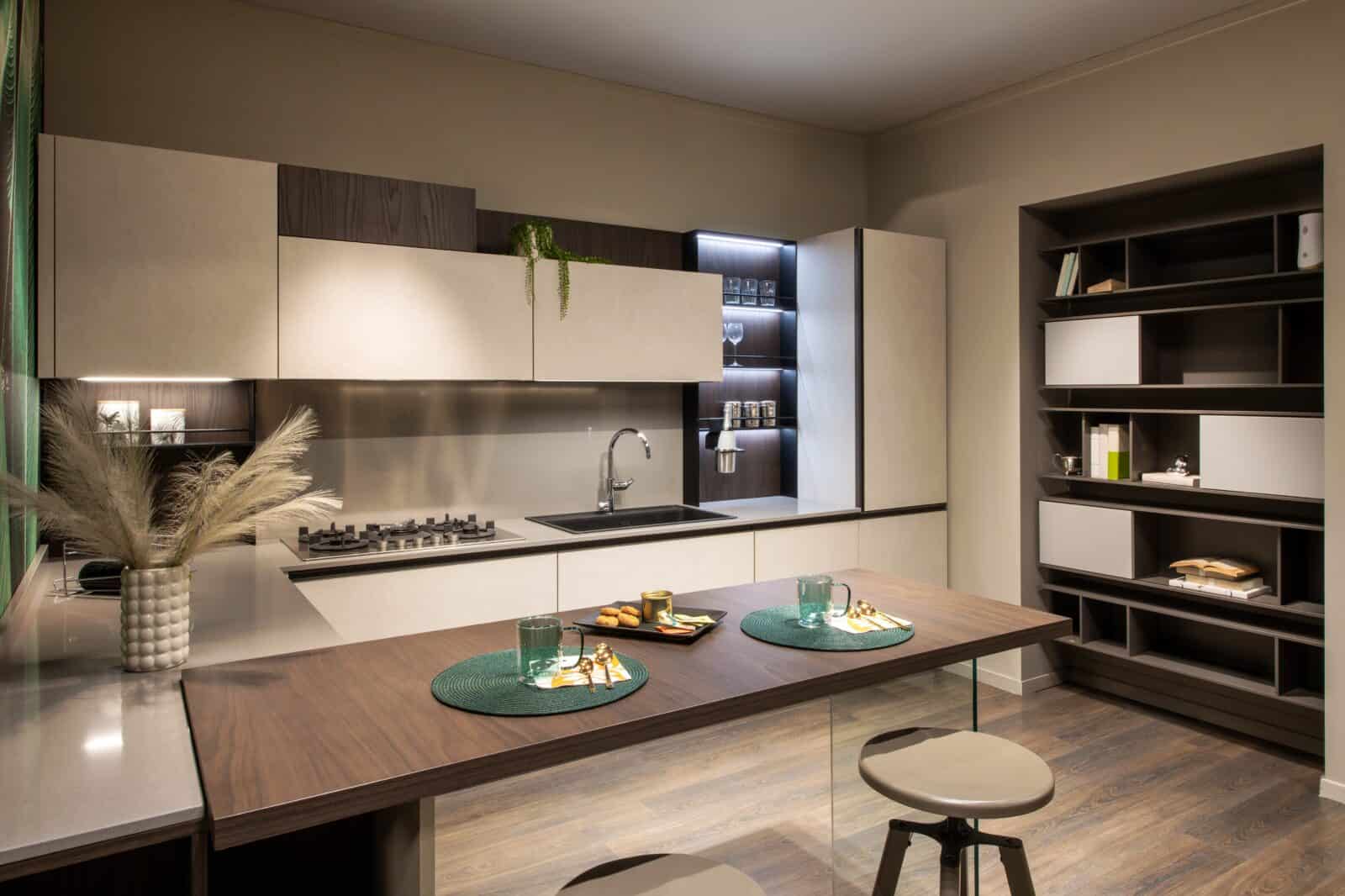
Some modern kitchen islands have become less like counters and more like small countries. They have sinks, stools, outlets, storage, cooktops, wine fridges, homework stations, and enough surface area to land a drone.
Boomers have questions. One major complaint is the sink-in-the-island layout. It looks sleek until guests gather around the same place where dirty pans go to die. Seating can be another sore spot. Eight stools in a straight line may photograph well, but it can feel less like a family dinner and more like waiting for pancakes at a diner counter.
Cost makes the debate sharper. Houzz’s 2025 renovation data found that kitchens and bathrooms were each renovated by 24% of homeowners in 2024. Axios reported, citing Houzz data, that high-end major kitchen renovations reached $150,000. At that price, boomers are not wrong to ask if the room will work on a Tuesday night, not just during the big reveal.
Marine Sargsyan, Houzz’s head of economic research, said in a 2026 statement quoted by New American Funding, “With aging housing stock, a shortage of available homes, and longer homeowner tenure, more homeowners are choosing to invest in improving the functionality of the kitchens they already have rather than move.”
Bathrooms Are Where Spa Dreams Meet Real Knees
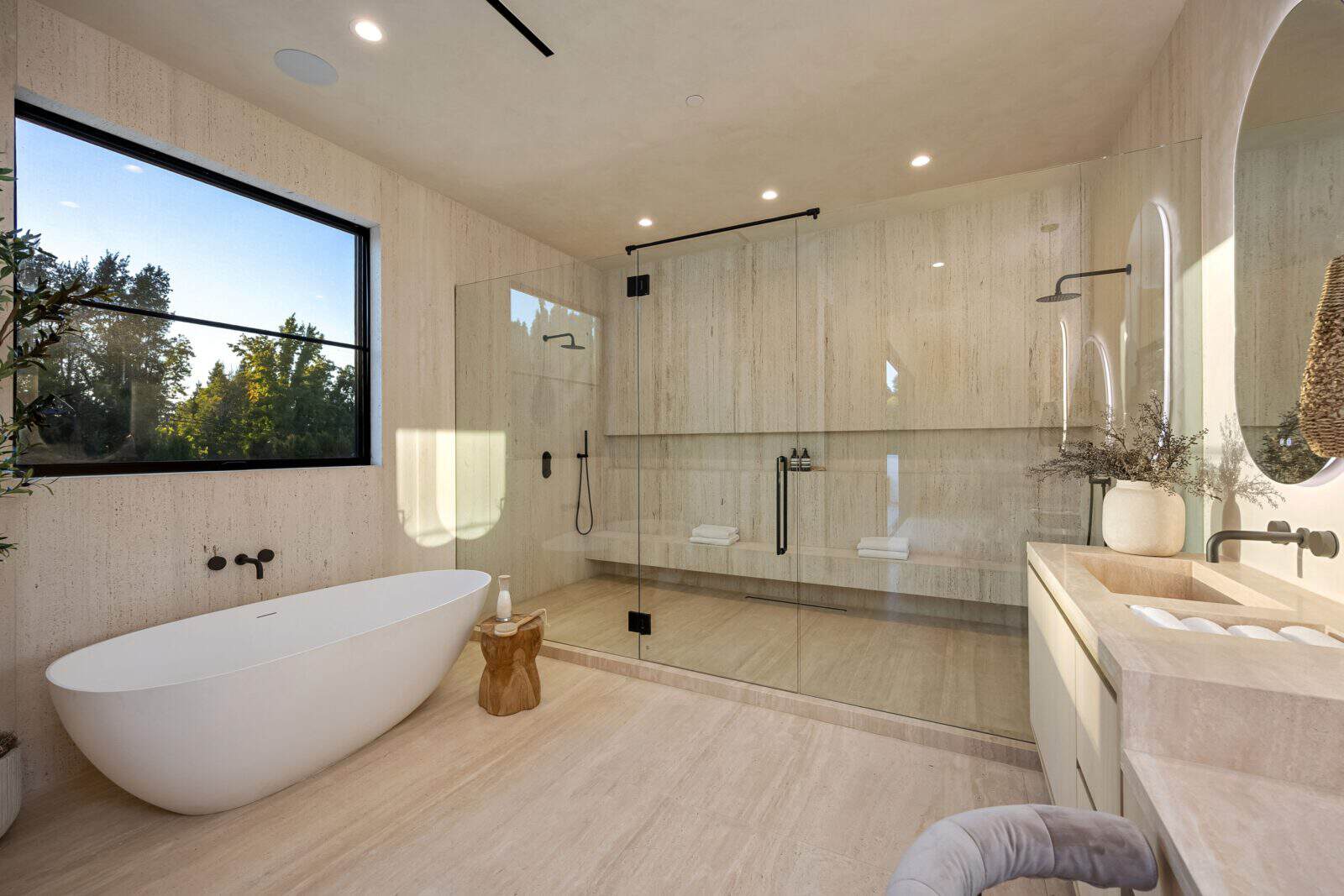
The modern bathroom wants to be a resort. Boomers often want it to be a room where nobody slips, freezes, or has to do a handstand to bathe.
Freestanding tubs are a perfect example. They can look sculptural and calm. But they can also be hard to climb into, difficult to clean around, and less practical than a safe walk-in shower. Doorless bathrooms and wet-room layouts can feel open and dramatic, but some older homeowners hear “draft,” “humidity,” and “where exactly is the privacy?”
Houzz’s 2026 home design trend coverage noted that accessibility is shaping the whole home, with single-level layouts, wider walkways, and easy-reach kitchen storage gaining attention.
Its coverage of bathroom trends also found that many remodelers are adding features such as curbless showers and grab bars. Boomers are not rejecting comfort. They are redefining it. Sometimes comfort is a warm tile and a pretty vanity. Sometimes it is a grab bar you do not have to apologize for.
Low Furniture Looks Cool Until You Have to Escape It
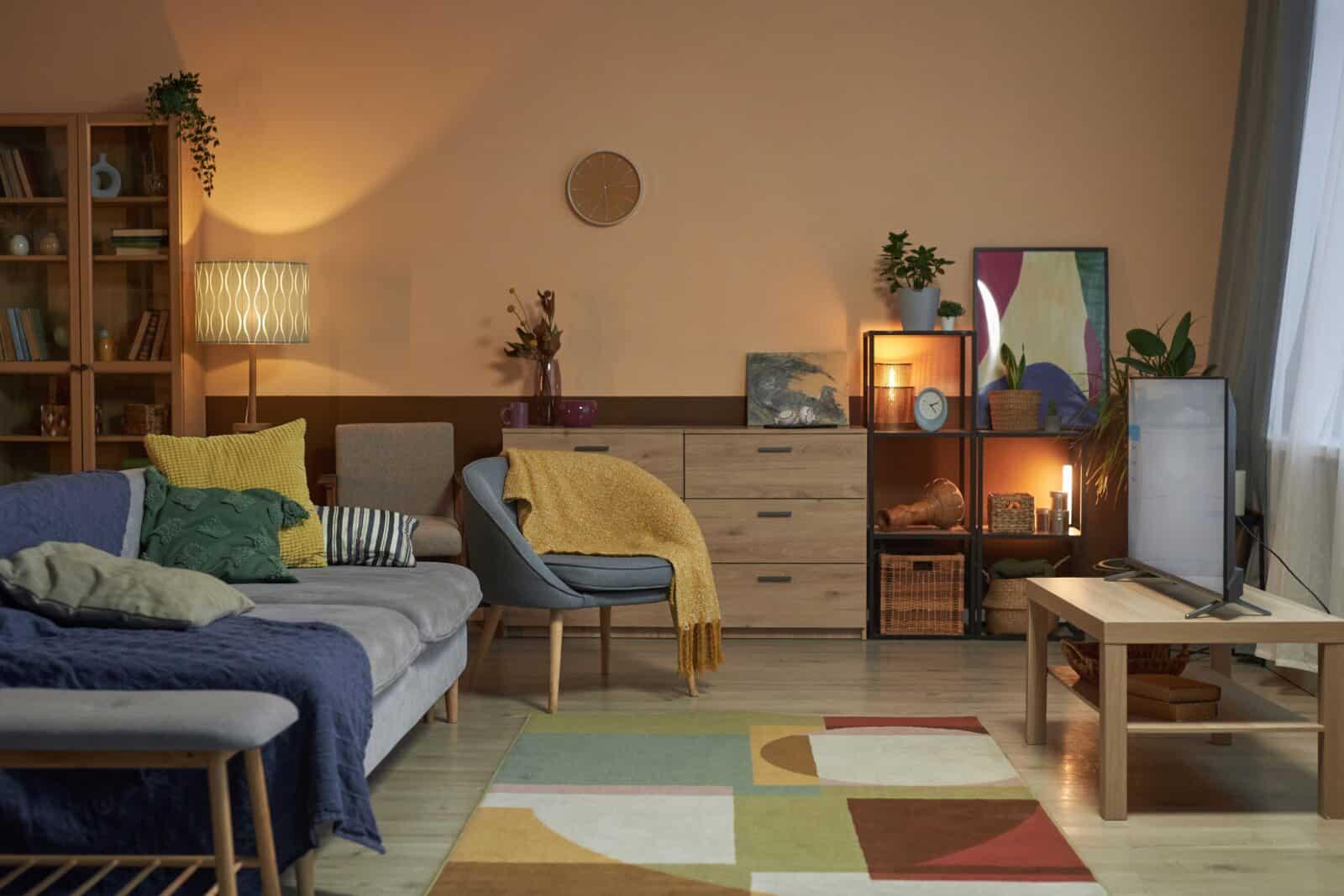
Low, oversized sofas may be the funniest design fight because almost everyone understands it the moment they sit down. The couch looks soft. Then it swallows you. Getting up becomes a small athletic event.
This is where boomer complaints sound like jokes but carry real design wisdom. AARP says 51% of adults age 50-plus say they need a home that supports independent aging. That means seat height, armrests, lighting, pathways, and bed height matter. A beautiful chair that requires a rescue plan is not really beautiful to the person who uses it every day.
Extra-thick mattresses get similar reviews. They feel luxurious until the fitted sheet fights back. They are heavy to rotate, hard to dress, and often sit so high that climbing into bed feels like mounting a horse. At some point, “hotel-style” starts to mean “bring a step stool.”
Smart Homes Are Great Until the Wi-Fi Has Opinions

Boomers are not as anti-tech as the stereotype suggests. AARP reported that 34% of people aged 65 and older own at least one smart home device other than a smart speaker, and 24% have a home security system. American Home Shield’s 2025 smart-home survey found that 93% of Americans own at least one smart device, with 42% saying most of their home devices are now smart.
The frustration is not the convenience. It is the fragility. Lights that need an app, blinds that need an update, thermostats that ask for a password, and tiny touch panels with mysterious icons can turn “smart” into “please call my son.”
AARP’s tech coverage captured that feeling with a line from DeBartolo, who reports on personal tech and goes by “the Giz Wiz”: “To have a smart house, you have to be somewhat smart.” That joke lands because it names the real problem. A smart home should make life easier. If the lamp needs troubleshooting before coffee, the lamp has lost the plot.
Greige, Brass, and Design Flashbacks
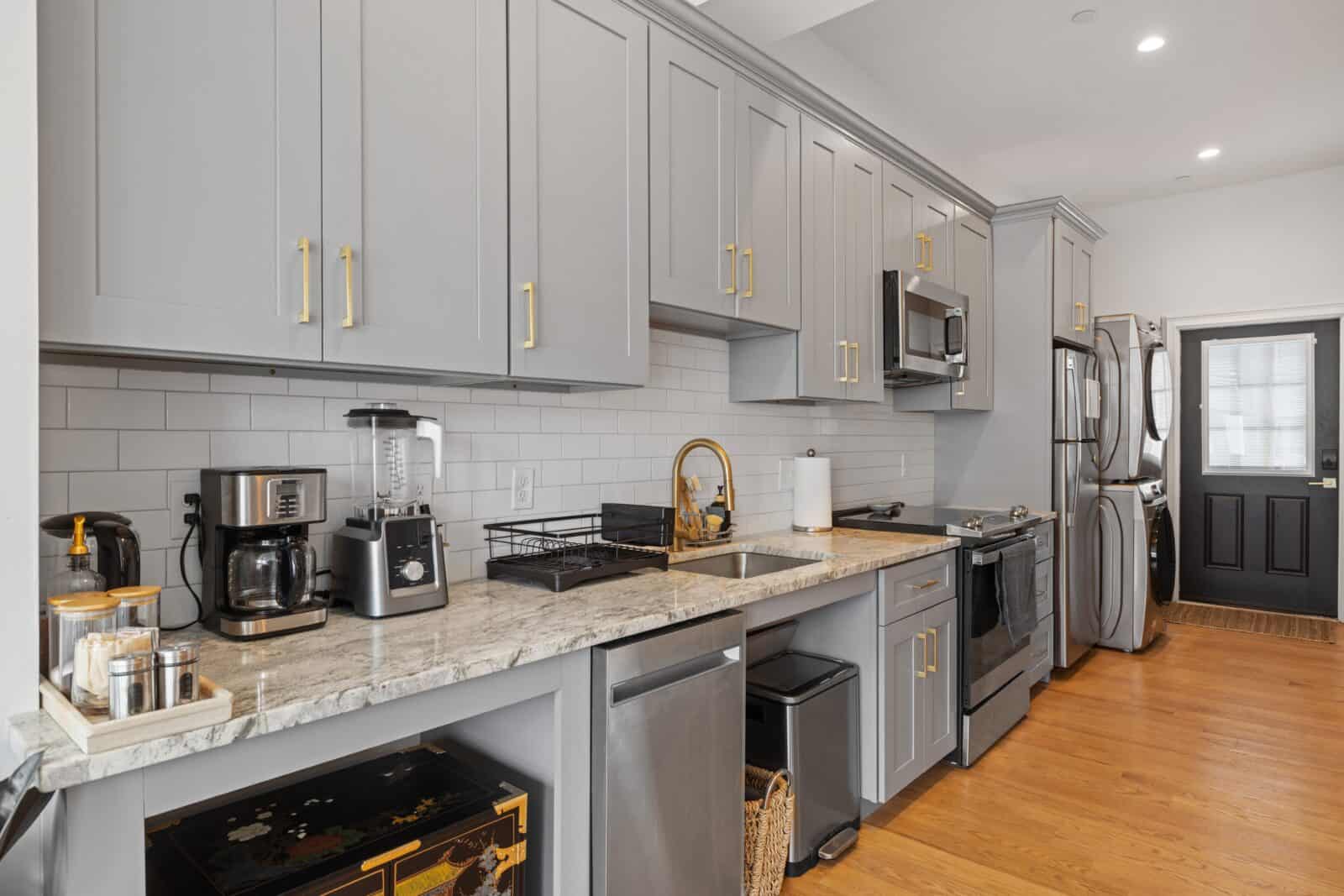
Some boomer complaints are about memory. They have seen “timeless” trends age badly before. Shag carpet. Avocado appliances. Shiny brass. Heavy Tuscan kitchens. Beige everything. So when all-white kitchens, greige walls, and gold hardware get marketed as forever choices, many boomers hear the distant sound of future regret.
Better Homes & Gardens’ 2026 designer coverage notes that sterile gray or white bathrooms and excessive brass can make a home feel dated and recommends warmer tones, natural textures, and mixed materials instead. That does not mean brass is doomed or white kitchens are over. It means boomers may be sensing the same trend fatigue designers are now naming.
Jessica Lautz, NAR deputy chief economist, said in 2026 that “Baby Boomers are at a point in life when they have the flexibility to move, often with housing equity to help purchase their next home.” That flexibility means their taste still matters, especially in resale. If they think a finish screams “I was installed during one very specific decade,” future buyers may think it too.
Where Boomers May Have a Point

The funny thing about many boomer design complaints is that they age well. Closed storage is useful. Doors solve noise. Wide drawer pulls help hands of all ages. Good lighting helps everyone. A TV should not require chiropractic care. A bathroom should not need a liability waiver.
Younger homeowners have a point too. Homes should feel personal, not trapped in amber. Open shelves can work in small doses. Brass can be beautiful. Smart tech can support safety. Open layouts can make a home feel alive. The problem starts when the style ignores the person who has to live with it after the camera leaves.
That may be the real lesson under all the jokes. A home does not live in a photo. It lives in the reach for a mug, the step into a shower, the chair someone rises from, and the door that closes when the house gets loud. Boomers may sound picky about design trends, but sometimes picky is just practical, like wearing reading glasses.
Disclaimer – This list is solely the author’s opinion based on research and publicly available information. It is not intended to be professional advice.
Like our content? Be sure to follow us