Women are budgeting harder in 2026, and these 10 pressures explain why
A grocery receipt that looks “normal” in 2026 often tells a different story once you add it up: higher rent, pricier utilities, and food bills that never quite settle down.
According to the U.S. Bureau of Labor Statistics, consumer prices were up 4.2 percent over the 12 months ending May 2026. Food costs rose 3.1 percent, shelter climbed 3.4 percent, and electricity increased 5.9 percent. Gasoline alone jumped more than 40 percent year over year. These are not dramatic headlines in isolation, but together they shape the financial reality of everyday households.
For many women, especially those managing families or living on single incomes, budgeting in 2026 is less about lifestyle optimization and more about staying ahead of a shifting cost curve.
The pressure is building again
Even after inflation cooled from its earlier peaks, prices never returned to their previous levels. That “new normal” is now the baseline. Federal Reserve data shows that in 2025, more than 90 percent of adults still viewed rising prices as a concern, even if many reported they were “doing okay” financially overall.
That gap between stability on paper and stress in real life is where budgeting pressure begins to build.
Every day, prices are still climbing

Even modest increases across categories add up quickly when everything rises at once. Groceries, utilities, rent, and transport now compete for a larger share of income than they did just a few years ago.
A $10 difference at the grocery store or a higher utility bill is no longer minor—it can affect the rest of the week’s financial plan.
Food costs are doing the most damage

Food is one of the hardest categories to adjust because it cannot simply be paused.
BLS data show that food at home prices rose 2.7 percent over the year through May 2026, with sharper increases in categories such as fruits, vegetables, and beverages.
For many women who manage household meals, that means constant recalculations at the store, swapping ingredients, and stretching groceries further than before.
Income gaps leave less flexibility
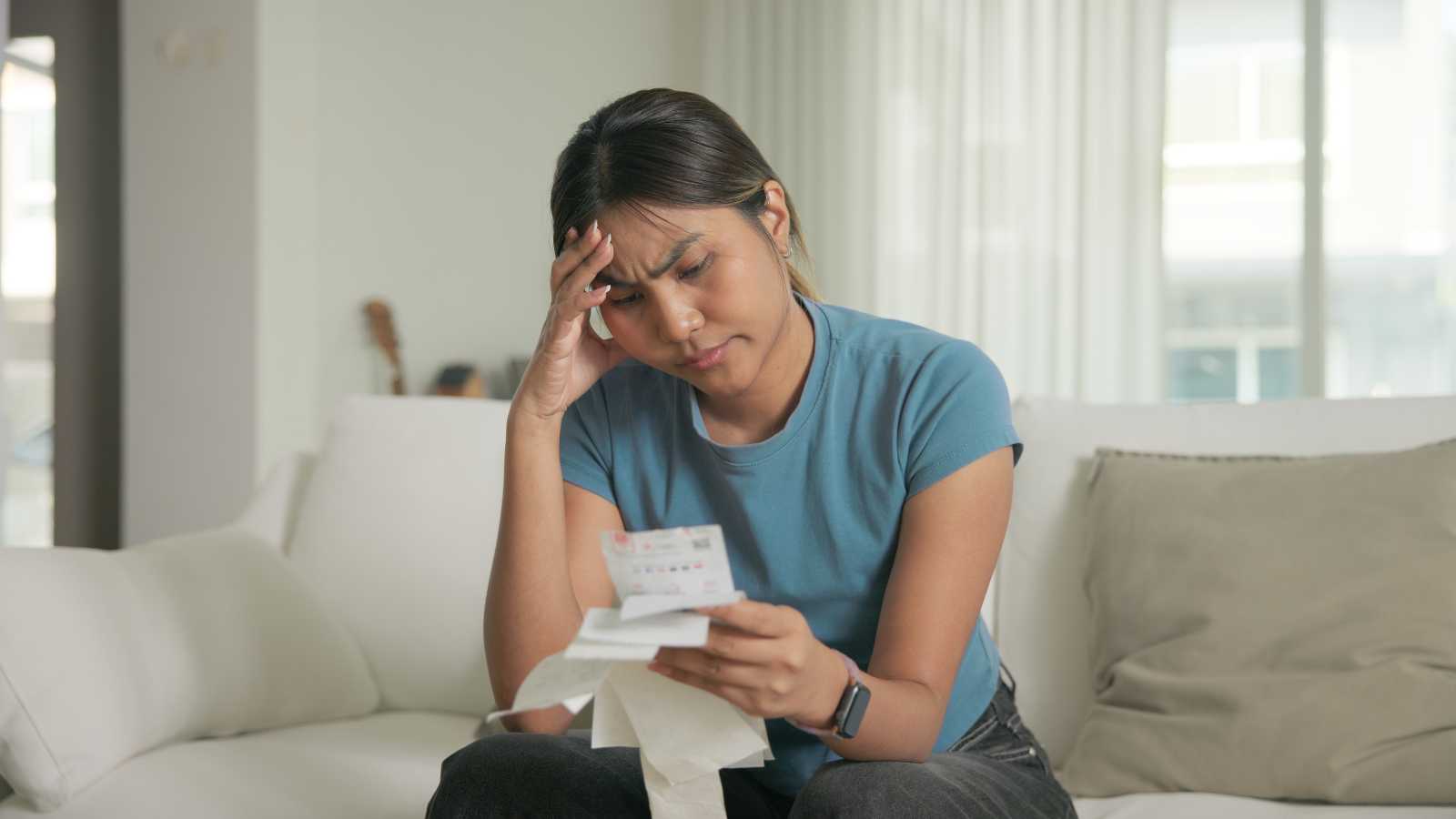
Budgeting pressure is amplified when income growth does not keep pace with expenses.
In early 2026, women’s median weekly earnings were about 80.6 percent of men’s earnings, according to the Bureau of Labor Statistics.
Even small cost increases hit harder when there is less financial cushion to absorb them.
Savings are uneven and often thin

Emergency savings remain one of the clearest indicators of financial stability.
A 2026 AICPA & CIMA survey found that a significant share of women reported having no emergency savings at all, compared with a lower share of men.
That reality changes how budgeting feels. It becomes less about planning and more about preventing crises.
Debt is sitting in the background

Credit card debt continues to shape how households manage monthly spending.
Bankrate’s 2026 emergency savings research found that many Americans had savings equal to or lower than their debt levels, meaning financial decisions often involve trade-offs rather than choices.
For many women, this creates a cycle of saving, spending, and catching up again.
Child care behaves like a fixed expense

Child care remains one of the highest non-negotiable costs for working families.
A recent 2026 analysis from the Bipartisan Policy Center estimated average child care costs at over $13,128 annually, with many parents reporting it as a major factor in employment decisions.
It is not just a line item. It is a structural budget constraint.
The invisible workload of managing money

Budgeting is not just about income and expenses. It is also about mental labor.
Pew Research Center’s 2026 findings on working parents show that mothers still tend to take on a larger share of household management responsibilities in many families.
That includes planning, scheduling, tracking bills, and anticipating needs—work that rarely appears in financial statistics.
Housing continues to dominate budgets

Shelter remains the largest monthly expense for many households. Rent and housing costs continued to rise through 2026, even as other categories fluctuated.
For renters and homeowners alike, housing often sets the limit for everything else in the budget.
Long-term security feels uncertain

Retirement and long-term savings remain a major concern.
Bankrate’s 2026 financial wellness report shows that many women feel behind on retirement planning, with money stress affecting the mental health of a significant share of respondents.
This shifts budgeting from short-term planning into long-term anxiety management.
Budgeting is becoming emotional management
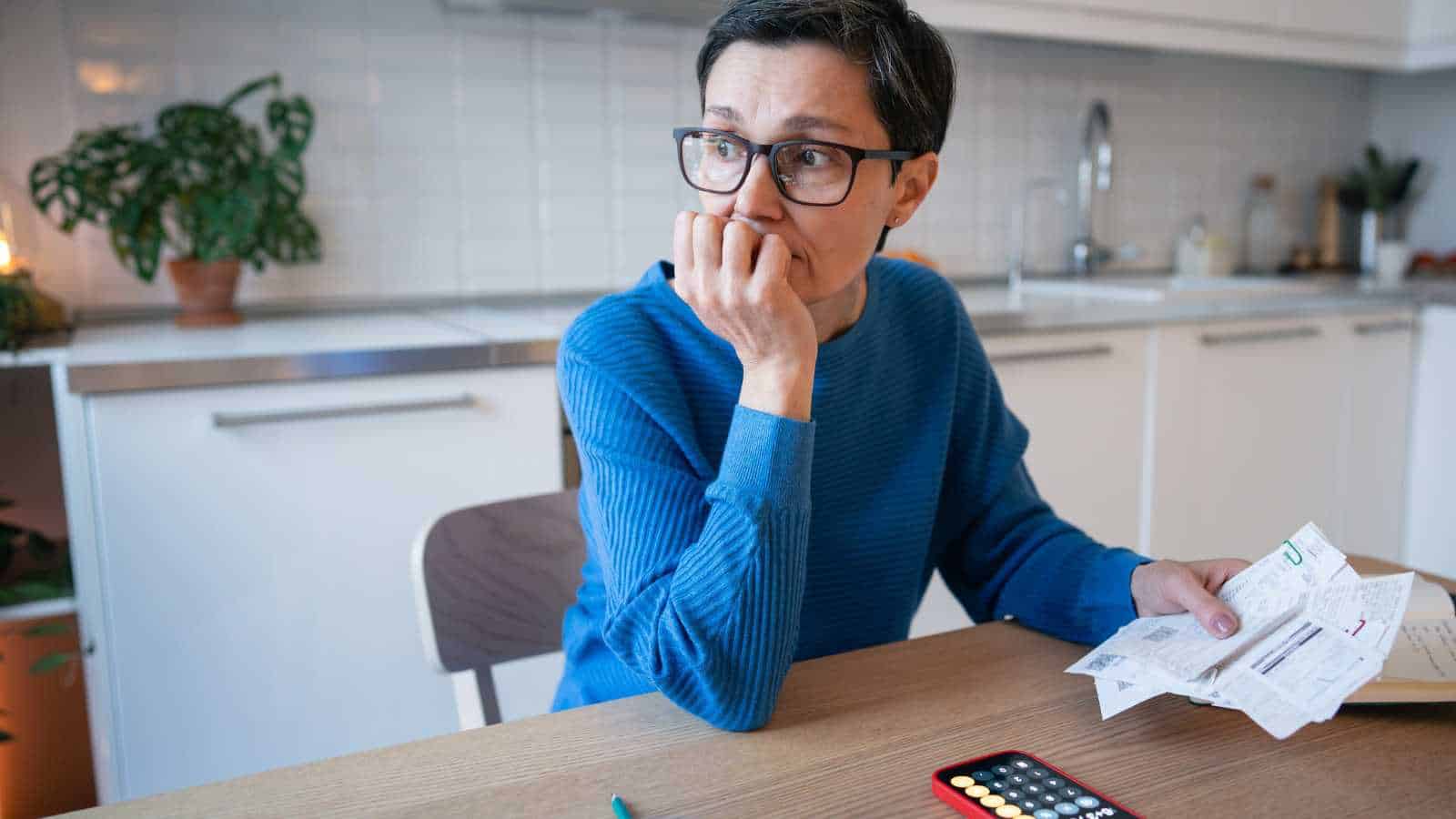
At a deeper level, budgeting in 2026 is not only financial; it is psychological.
Some households use budgeting apps, cash envelopes, or strict tracking systems. Others rely on constant adjustments: delaying purchases, switching stores, or cutting recurring costs.
The debate around this shift is divided. Some see it as financial discipline and empowerment. Others see it as a response to systems that have made basic stability harder to achieve.
Both perspectives reflect the same reality: more people are being pushed to manage scarcity in real time.
What this really reveals

The growing intensity of budgeting among women is not simply about spending habits. It reflects overlapping pressures: inflation that never fully reset, uneven income growth, caregiving responsibilities, and rising essential costs.
The numbers explain part of the story. The lived experience explains the rest.
Budgeting in 2026 is no longer just about saving money. For many women, it has become a way of maintaining stability in a financial environment that rarely stands still.
Disclaimer – This list is solely the author’s opinion based on research and publicly available information. It is not intended to be professional advice.
Like our content? Be sure to follow us.