The middle-class trap: 13 status symbols that quietly reveal you’re struggling financially
A quiet shift is happening behind closed doors, and the numbers make it hard to ignore. The American Council of Life Insurers reports that 42% of middle-class households lack confidence in their ability to handle a $5,000 emergency, a sign that stability may not be as solid as it appears.
You see it in everyday life, but it rarely announces itself. The signs blend into routines, choices, and habits that feel normal on the surface. What once signaled comfort now often hides strain, and the difference is easy to miss unless you slow down and pay attention.
There’s a tension between how life appears and how it actually feels. The pressure to keep up hasn’t faded, but the cost of doing so has quietly climbed. Beneath polished moments and curated routines, something more fragile is taking shape, and it’s changing what “middle class” really looks like.
A brand-new car sitting heavy in the driveway

The shine of fresh paint catches your eye as you step outside, and the faint smell of new leather still lingers inside. You slide into the seat, feeling a mix of pride and pressure, knowing the monthly payment is now part of your routine.
The average new-car price crossed $50,000 in early 2026, according to CarScoops. Many buyers stretch out loans to afford that price and the image that it attracts. It feels manageable at first, until interest and time turn a purchase into a long-term burden.
That car becomes more than transportation. It’s proof you’re doing well, even if your budget quietly disagrees. Over time, the excitement fades, but the obligation remains, quietly shaping other choices you make. What once felt like a milestone slowly turns into a commitment that limits flexibility.
A closet full of labels, but nothing feels secure
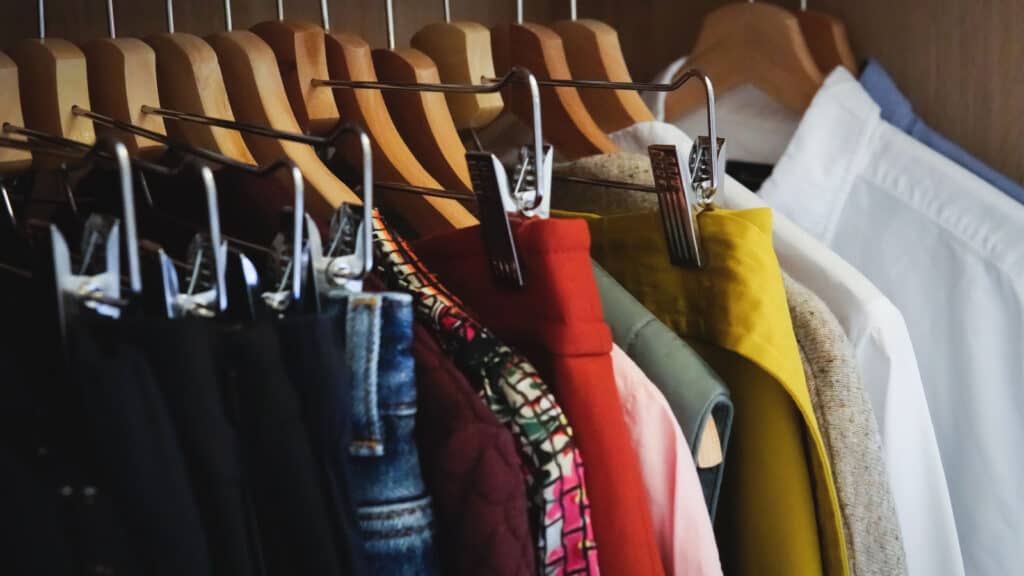
The soft rustle of fabric fills the room as you scan rows of branded clothing. Each piece tells a story, or at least that’s what it’s meant to do when others see it.
India Today reports that 75% of luxury spending now comes from the middle class, often financed through installment plans. What looks like wealth is often structured debt, spread out to feel lighter in the moment.
Over time, those purchases don’t build security. They build an image that needs constant upkeep. Trends shift quickly, and the pressure to keep up never fades, leaving you chasing a standard that keeps moving out of reach.
Food delivery orders that feel routine

The buzz of your phone signals another delivery at the door. The packaging is neat, the meal feels like a reward, and it saves time after a long day. Spending on food delivery rose 10.2% to about $179 monthly, according to AmagicalMess, as inflation outpaces wage growth.
What feels like convenience slowly becomes a regular expense that chips away at flexibility. It’s not just about food anymore. It’s about maintaining a lifestyle that quietly costs more than it gives back.
Over time, the habit blends into your routine, making it harder to notice how often you rely on it. Small costs stack quietly, and what feels occasional begins to shape your monthly spending in ways you did not plan for.
Credit card balances that never quite disappear

The soft swipe of plastic feels harmless, almost effortless. You tell yourself you’ll clear it next month, but the balance lingers longer than planned. Credit card debt reached $1.28 trillion in late 2025, with a $44 billion surge in one quarter, according to the New York Fed.
That rise reflects the growing share of everyday spending funded by borrowing. Minimum payments keep things moving, but they rarely move you forward.
Interest builds quietly in the background, stretching what seemed like small purchases into lasting obligations that take longer to clear than expected. Over time, the balance becomes something you manage rather than eliminate, quietly shaping how you spend each month.
A calendar packed with small luxuries

The clink of glasses at dinner, the low hum of a busy café, the steady rhythm of weekend plans. Each moment feels earned, like proof of balance in your life.
The ACLI notes that its index dropped sharply as “modest luxuries” inflation climbed, showing how rising costs for dining and small indulgences strain households. These moments feel small, but together they reshape your finances. The lifestyle feels normal.
The cost builds quietly in the background, becoming harder to track as it blends into your routine. Over time, what once felt occasional becomes expected, leaving less room for flexibility.
Jewelry and watches that come and go

The glint of a watch catches the light as you check the time. It feels like a marker of progress, something you worked toward. Yet 58% of middle-class shoppers plan to cut non-essential spending, with jewelry sales dipping, according to AIDI.
These items are often the first to go when budgets tighten. They start as symbols of success but become reminders of shifting priorities.
Over time, their meaning changes, reflecting less about achievement and more about the need to adjust and let go. What once felt permanent begins to feel temporary, shaped by changing needs and quieter financial decisions.
A phone upgrade that feels necessary every year

The smooth glass of a new phone sits perfectly in your hand. Faster, sharper, newer. It feels like staying current is part of staying relevant. But for many, these upgrades happen alongside growing debt.
Academy Bank reports that average credit card debt reached $5,595 per person in 2025, often tied to everyday spending on tech upgrades. The upgrade feels small. The pattern behind it is not.
Over time, these repeated purchases quietly add up, shaping monthly budgets and long-term financial flexibility in ways that are easy to overlook until the burden becomes noticeable. What seemed like a simple choice slowly becomes part of a larger cycle in which appearance and convenience quietly outweigh financial foresight.
Gym memberships you barely use but won’t cancel
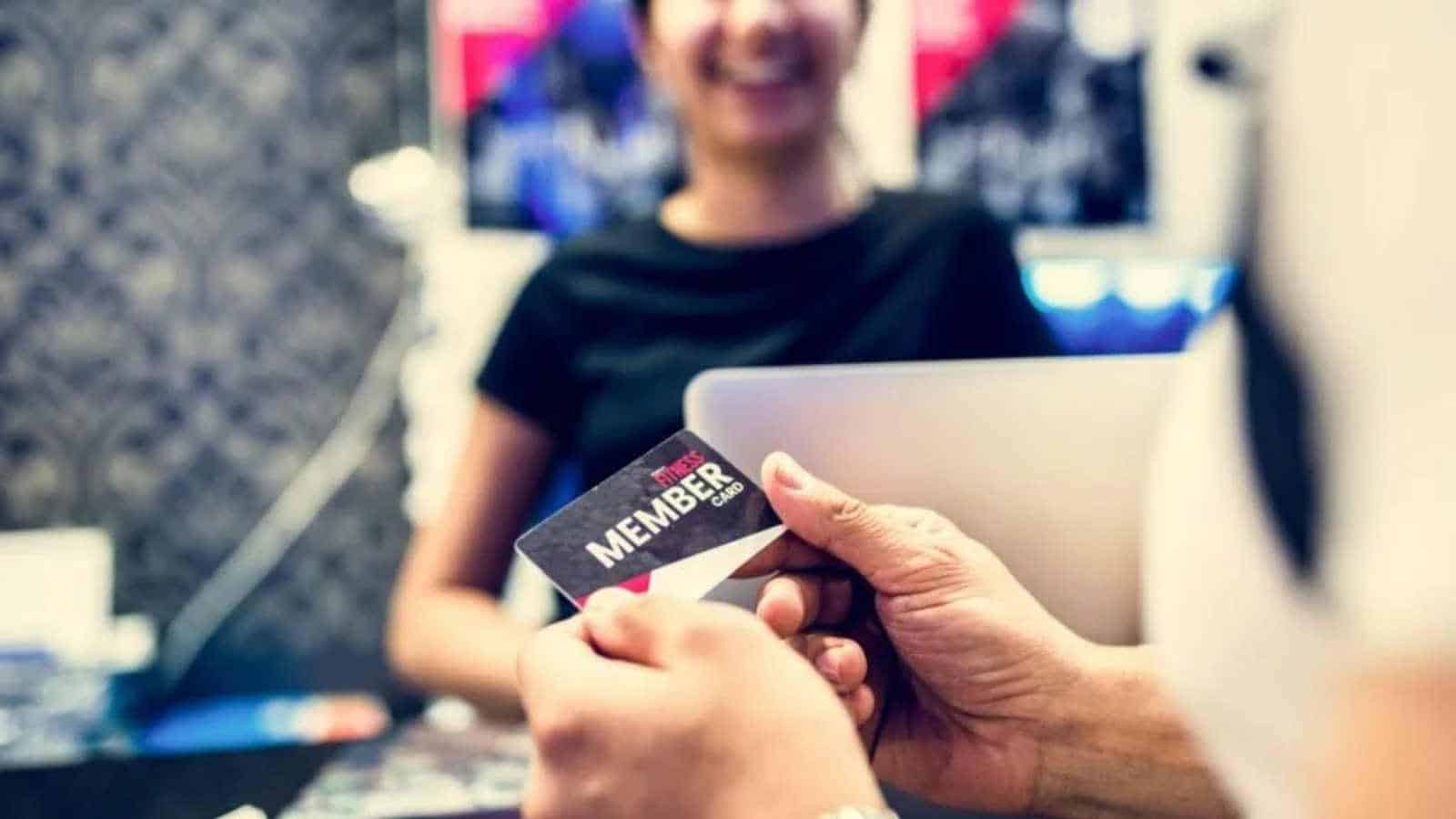
The faint smell of rubber mats and the echo of weights hitting the floor greet you less often than planned. Still, the membership stays active. Financial stress is rising, with 54% of Americans citing daily expenses as their top concern, according to a 401 (k) specialist.
Subscriptions like gym memberships often persist even when they no longer serve you. It’s easier to keep the image of discipline than to confront the cost.
Over time, these small recurring expenses quietly drain your budget, reminding you that appearances often take priority over actual use, and the habit of paying without purpose becomes a hidden financial weight.
Vacations that live longer on credit than in memory

The sound of waves fades, replaced by the quiet ping of a credit card statement weeks later. The trip was worth it, you tell yourself, even as the bill settles in.
Some middle-class families go into debt of over $12,000 yearly to cover basics, according to a New York Post report citing GOBankingRates.Travel often sits on top of that strain, not outside it.
The memory lasts a moment. The payment plan stretches much longer. Over time, the cost of keeping up appearances quietly shapes monthly decisions, and what feels like a reward begins to feel like another obligation you must manage carefully.
Dining out replaces cooking at home

The low chatter of a restaurant surrounds you as plates arrive, warm and carefully presented. It feels like a break from routine. But rising dining costs are part of a larger pattern.
The ACLI highlights how inflation in everyday luxuries is eroding financial resilience. Eating out becomes less of a treat and more of a habit that shifts your baseline spending.
Over time, these small, repeated expenses quietly shape your monthly budget, turning what once felt occasional into an expectation, making it harder to save or adjust when unexpected costs appear. What started as convenience slowly becomes routine, and before long, the cost quietly competes with essentials and long-term goals.
Subscription services that quietly stack up

The soft glow of screens fills your room as multiple platforms run at once. Each subscription feels small on its own. Yet combined, they mirror a larger issue.
Growing debt levels, highlighted by the New York Fed, show how recurring expenses build over time. You rarely notice the total until it’s already part of your fixed costs.
Over months, what seemed minor quietly adds up, shaping how much you can spend elsewhere and limiting flexibility, while the convenience of constant access masks the true impact on your financial health. Eventually, these small charges become part of a pattern, subtly dictating priorities and forcing compromises you barely recognize until the burden feels heavy.
A home filled with things but short on savings

The hum of appliances, the comfort of furniture, the sense that everything is in place. Your space looks complete. Still, the ACLI reports that 42% of households feel unprepared for an emergency costing $5,000.
The gap between visible comfort and actual security becomes clear in moments of stress. Ownership doesn’t always equal stability.
What looks solid on the outside can hide uncertainty, and the sense of control provided by possessions often masks a fragile financial foundation that only becomes obvious when unexpected costs arise. Over time, this quiet tension shapes choices, forcing compromises and revealing that appearances can be deceiving, even in the spaces we call home.
A lifestyle that looks stable but feels tight

The quiet tension hits at night, when everything slows down. You replay expenses in your head, adjusting numbers that never quite stretch far enough.
With 35% of Americans reporting rising debt, according to a 401 (k) specialist, the pressure is becoming more common. The struggle isn’t always visible, but it’s widely felt. What looks like stability from the outside often carries a different story within.
Over time, the weight of small compromises, hidden obligations, and recurring costs quietly shapes your daily decisions, creating a life that appears steady while quietly teetering under the surface of financial strain.
Disclaimer – This list is solely the author’s opinion based on research and publicly available information. It is not intended to be professional advice.
Like our content? Be sure to follow us