12 beverages boomers should watch out for
We all have our go-to beverages, whether it’s a refreshing soda, a sweet iced tea, or a cozy coffee. But many drinks that boomers enjoy daily can quietly wreak havoc on health. It has been found that these apparently harmless drinks could result in long-term problems, including weight gain and stress to the heart.
Indeed, sweet beverages by themselves are a major cause of increasing health risks among older adults, especially those aged 50 and above.
A 2025 study published in Nature Medicine by researchers at Tufts University, which examined data from 184 countries between 1990 and 2020, found that significant increases in body fat mass, insulin resistance, and cardiac stress were associated with overconsumption of sugary drinks.
However, there is nothing to fear, as minor changes in the type of drinks you have can make a tremendous difference in your overall health. The following is a closer examination of 12 drinks boomers need to be wary of, and how substituting them can substantially affect energy levels and lifespan.
Sugary sodas

Sweet soda is popular, but it will cost you dearly to your health. One 12-ounce can may also contain up to 40 grams of sugar, which is well below the daily intake recommended by health professionals. In a 2025 market analysis of soft drinks, sugary soda continues to generate $ 295 billion worldwide, with a significant share of consumption in North America.
Unfortunately, this trend associates sugary beverages with obesity, insulin resistance, and more fat around vital organs. For boomers, replacing soda with water, sparkling water, or herbal tea may help reduce belly weight and blood sugar levels. Such a simple change will help your heart and metabolism in the long term.
Energy drinks

Energy drinks may provide you with a burst of energy, but at what price? They contain a lot of caffeine, taurine, and sugar, which can cause havoc on the heart. A clinical study published in December 2025 in BMJ Case Reports warns that heavy consumption of energy drinks can lead to serious cardiovascular events, including stroke-like symptoms.
Young and healthy people are not spared; however, older people are more susceptible to these sudden rises in heart rate. For boomers seeking an energy boost, natural alternatives such as black coffee or a brisk walk can deliver the same effect without the risk of cardiovascular overexertion. A simple replacement can help maintain a healthy heart in the long run. news-medical.
Sweetened iced tea

The sweetened iced tea may seem like a healthier choice than sugary sodas, but it may also contain as much sugar. Sweetened iced tea is among the factors contributing to increased fat mass and poor metabolic markers in adults.
These drinks contain excessive amounts of sugar and can cause weight gain, elevated triglycerides, and elevated blood sugar. To boomers, unsweetened iced tea, adding a touch of lemon to plain tea, or a touch of honey, would stop all these ill effects without giving them a refreshing effect. This little can do a lot of good for the heart and waistline.
Flavored coffee drinks

Flavored coffee beverages such as caramel lattes and frappes are indulgences and may also contribute to unhealthy weight gain and poor metabolic health. Medium-sized flavored coffee may contain up to 50 grams of added sugar, which can raise cholesterol and blood sugar levels.
For boomers, one can satisfy the craving with black coffee or a coffee with a splash of unsweetened almond milk, which will not add much sugar or fat to your daily grind. This simple change can help manage weight and maintain long-term metabolic health.
Alcoholic cocktails

Sweet mixes are often used in alcoholic cocktails, which may increase calorie and sugar intake. A 2024 report from the National Public Health Information Coalition indicates that 72 percent of boomers drink monthly as part of their routine.
Nevertheless, excessive drinking, particularly in combination with sweet mixers, is associated with elevated blood pressure, liver strains, and an augmented risk of cancer.
By drinking wine or non-sugary champagne mixers, boomers can reduce their sugar intake while still having a drink now and then. Moderation is important; drink no more than on festive occasions, and in the long term, it would save the heart and liver.
Sports drinks

Sports drinks are promoted as a necessity (for active adults), although they are not necessary during moderate physical activity. Based on 2024–2025 market analyses, the isotonic sports drinks segment is a dominant force, driven by its effective electrolyte and carbohydrate replenishment.
Globally, isotonic variants account for approximately 62% of the total sports drink volume. For moderate exercise among boomers, water tends to keep the body hydrated without added sugars, as in most sports drinks.
The regular consumption of these drinks without vigorous activity may also add hundreds of extra sugar calories, contributing to excess weight and fat accumulation. Sports drinks should be used only during strenuous workouts that last more than an hour, and water should be consumed during most activities by boomers.
Fruit juice (packaged)

Fruit juices can be packaged and are a good choice; however, they usually contain no fiber and are high in sugar. Another PMC study on nutrition policy in 2025 cautioned that 100 per cent fruit juice may act like soda in the body due to the fruit’s sugar content.
The consistent consumption of juice can increase the level of sugar in the blood and raise the level of triglycerides, which leads to heart disease and metabolic problems. To be healthier, boomers can use fresh-fruit smoothies (no sugar load) or add fresh lemon to water to get the fruit flavor without the sugar obsession.
Diet sodas

Diet sodas contain substitutes for sugar with artificial sweeteners; however, they also have their health issues. Regular consumption of diet soda could adversely affect gut health, causing discomfort and bloating.
Although occasional diet soda may not have much effect, regular consumption may influence metabolism and blood sugar levels in the long run. Among boomers, a healthier option is to drink naturally flavored sparkling water or herbal teas, which quench thirst without causing gastrointestinal problems.
Flavored water enhancers
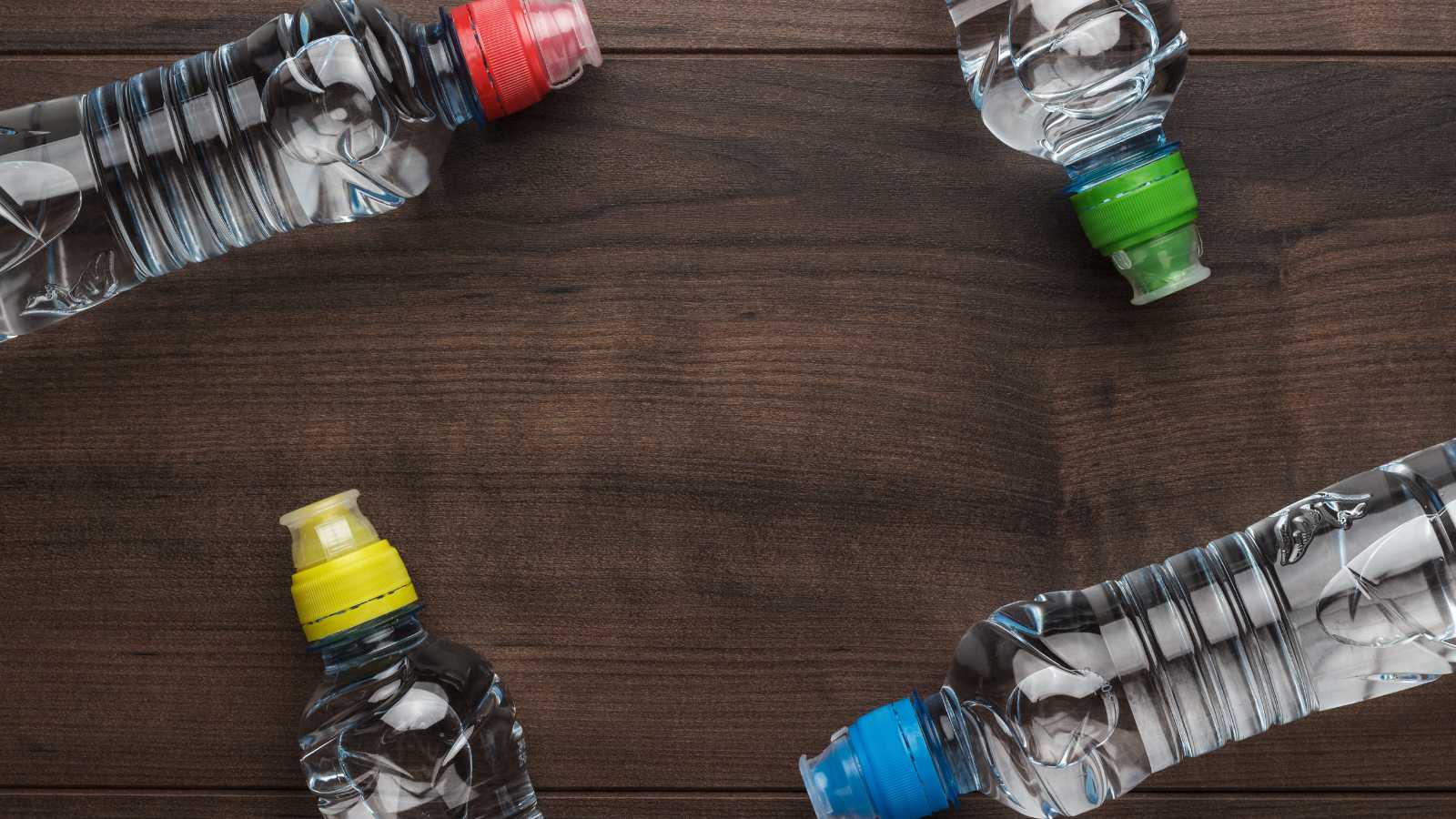
Water enhancers in flavors are a brilliant way to make water more interesting; however, they may also contain artificial sweeteners and other chemicals that can be detrimental in the long run.
A 2025 health report by Medical News Today stated that certain water enhancers contain acesulfame potassium, a sweetener with possible health risks such as cancer or allergic reactions. Such products can also make your taste buds crave sweetness, making plain water unpalatable. Alternatively, add fresh fruits or herbs to the water to make it healthier and more natural.
Milkshakes

A milkshake is a snack and, at the same time, a large portion of unnecessary sugar, saturated fat, and calories. An average fast-food milkshake contains as many as 900 calories, and a large percentage of those calories come from sugar and cream.
Regular consumption of them may lead to weight gain and elevated cholesterol levels, particularly in boomers whose metabolism may be slower. Instead of a huge, high-calorie smoothie with flavored Greek yogurt, plain Greek yogurt, fruit, and ice might be a healthier, equally creamy drink that adds fewer calories.
Beer (excessive)
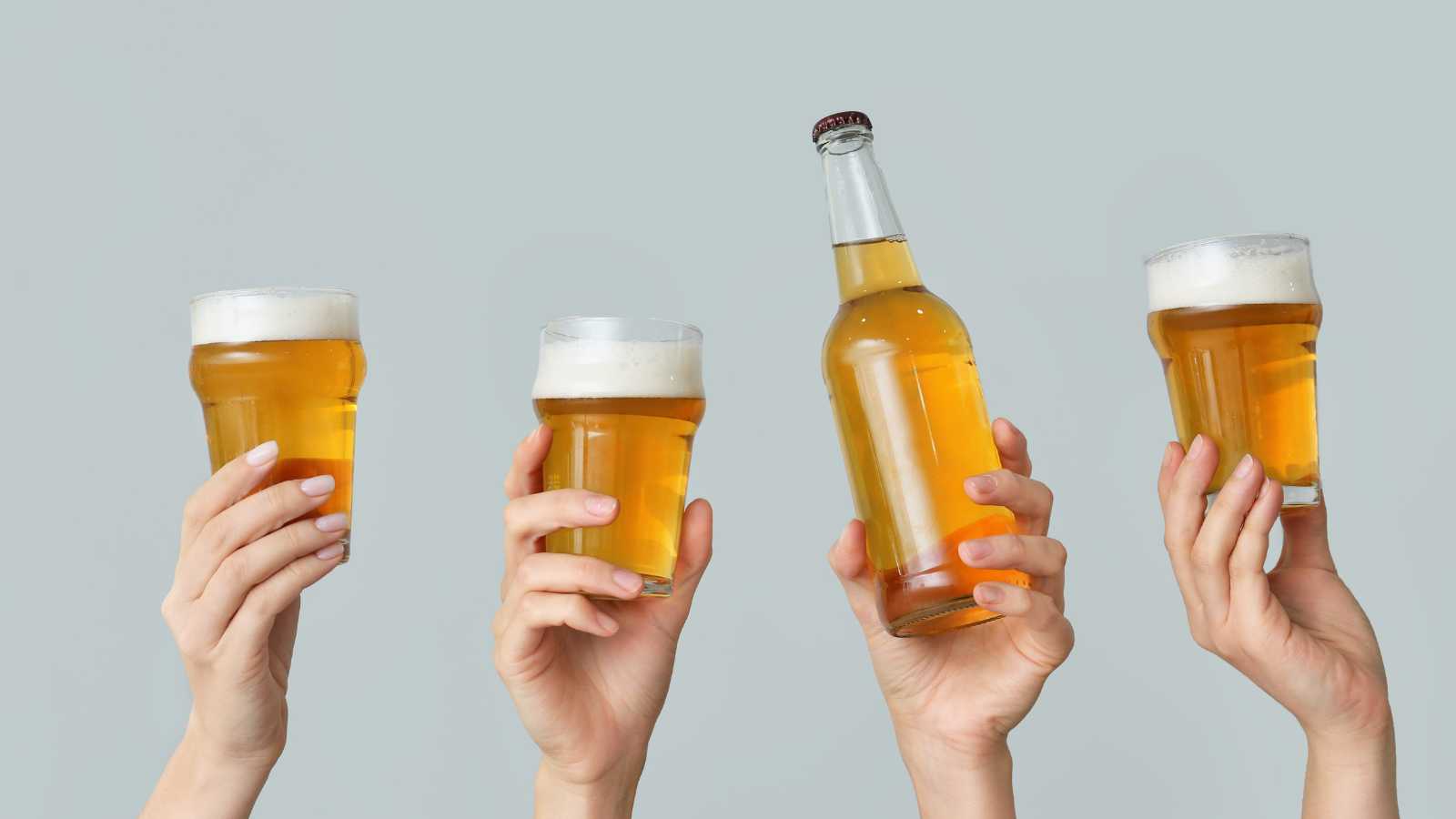
The consumption of beer is usually done informally, though excessive consumption can silently lead to high blood pressure and liver damage. In a study conducted in 2025 by the NIAAA, it was decided that drinking too much alcohol causes increased blood pressure, especially in the elderly.
In females more than 50 years old, consuming large amounts of beer may overload the liver and disrupt the system of medicinal action. It can be beneficial to prevent heart problems and high blood pressure by limiting the intake of beer to a few special evenings and by selecting low-alcohol or non-alcoholic ones.
Sweetened plant milks
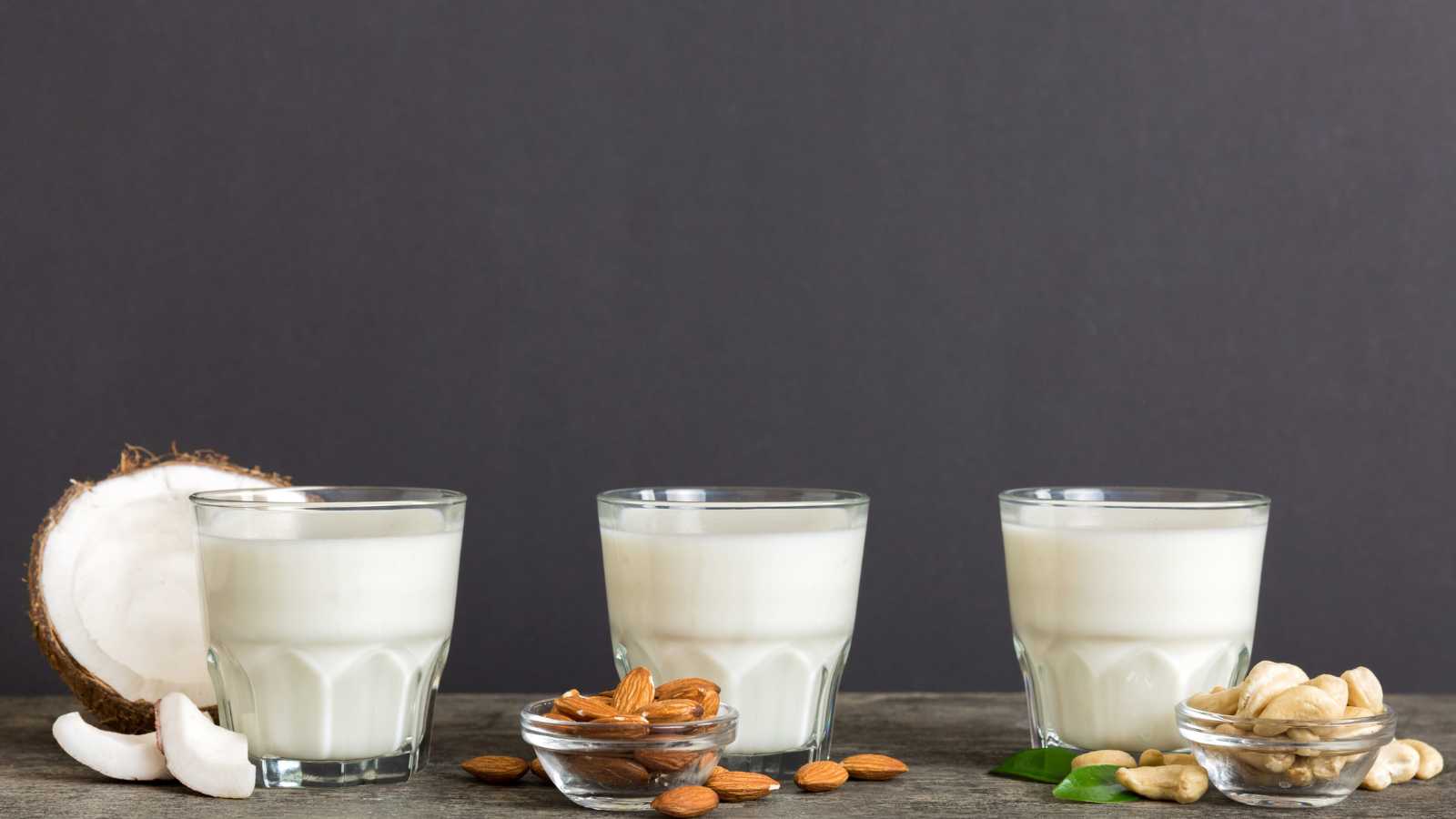
Sweetened plant milk, e.g., vanilla- or chocolate-flavoured oat or soy milk, may be a healthy choice, but it may be high in sugar. According to a 2025 study, these flavored sodas contain the highest sugar content (7 grams per 100 milliliters) and are thus very similar to low-sugar sodas.
Boomers concerned about sugar in their diets can use unsweetened plant milks, which offer the same benefits as plant-based products without hidden sugar.
Key takeaway

The drinks consumed by the boomers should be known to contain hidden sugars, excessive caffeine, and alcohol that they take daily. Sweeter drinks such as soda, energy drinks, and cocktails may also creepily add weight, increase heart strain, and make metabolism harder.
Replacing those beverages with healthier options, e.g., water, herbal teas, or black coffee, will help boomers substantially enhance their energy, heart health, and metabolism. The benefits of small changes can be repaid in the long run, making future years more lively and active.
Disclaimer – This list is solely the author’s opinion based on research and publicly available information. It is not intended to be professional advice
Like our content? Be sure to follow us.