The reason squirrels thrive in cities isn’t luck
Urban squirrels aren’t surviving by chance—they’re outperforming most animals in cities through rapid learning, risk calculation, and constant adaptation.
Squirrels occupy a strange place in the human imagination. They are everywhere and therefore invisible. They are active and therefore dismissed as unserious. They are small and therefore treated as comedic. We watch them dash across sidewalks, scale trees, leap between railings, and freeze mid-motion as if struck by indecision. We narrate these moments as slapstick. We tell ourselves they are frantic little creatures running on instinct and luck.
That story has been repeated so often that it feels like fact. Squirrels are clumsy. Squirrels are scatterbrained. Squirrels are funny but foolish.
The problem is that none of this is true.
Squirrels are among the most successful mammals living in close proximity to humans. They thrive in cities, suburbs, parks, campuses, and industrial edges. They navigate traffic, infrastructure, seasonal scarcity, competition, and constant threat. They do this without protection, without human assistance, and without the benefit of environments designed for their needs. If intelligence is measured by survival under pressure, squirrels score remarkably high.
What humans mistake for chaos is competence operating at a speed we are not accustomed to recognizing.
Why Constant Motion Gets Mistaken for Lack of Thought
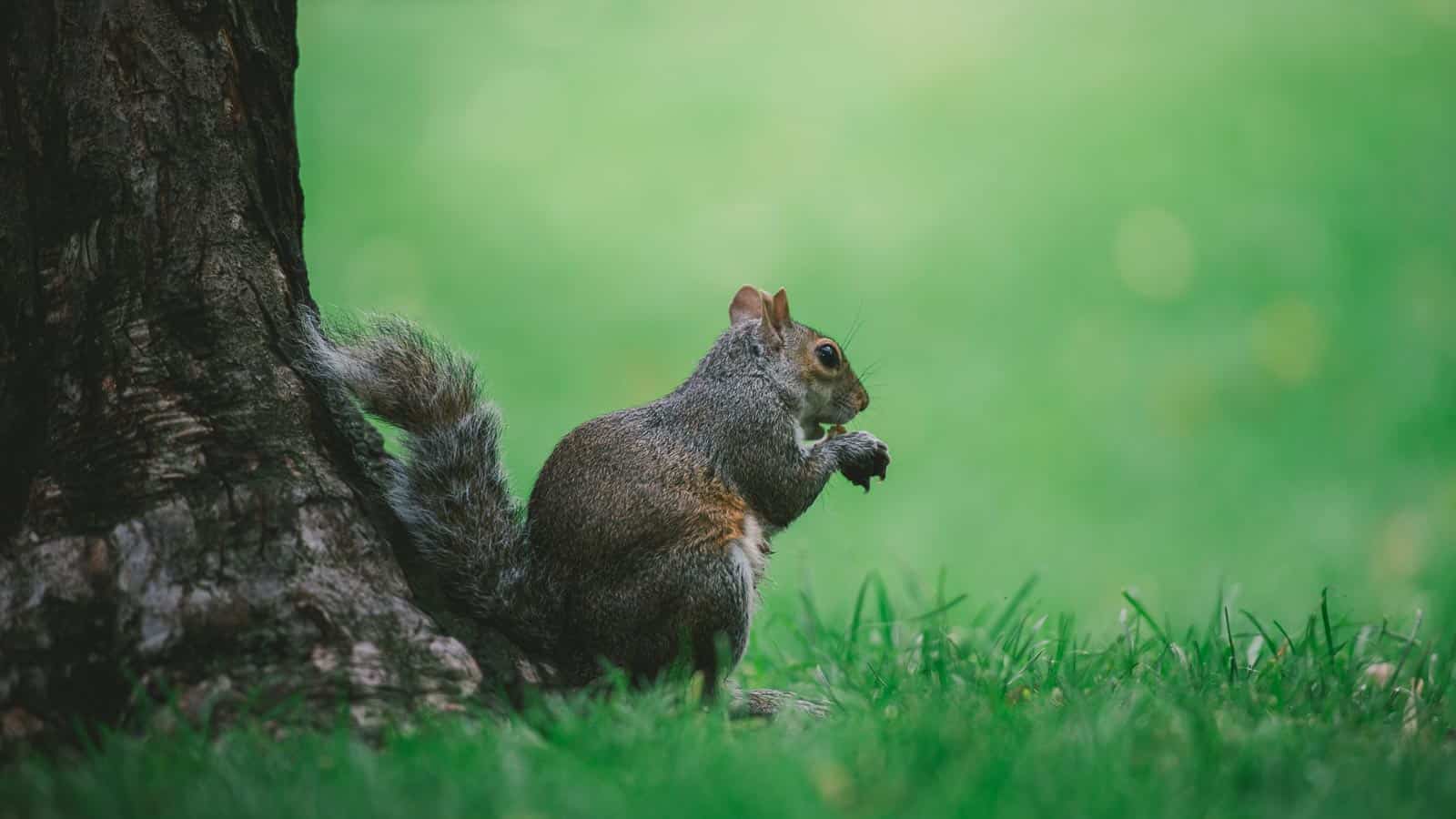
Human culture associates intelligence with composure. We trust people who move slowly, speak deliberately, and pause before acting. Animals that display similar behavior are often granted respect. Animals that move rapidly are assumed to be reacting rather than thinking.
Squirrels violate this expectation entirely.
A squirrel does not have the luxury of stillness. Its size makes it vulnerable. Its predators come from multiple directions. Its food sources are temporary and competitive. Its environment changes constantly. Remaining alert is not optional. It is the baseline requirement for survival.
Every flick of the head, shift of weight, and sudden stop is information processing made visible. A squirrel running across a lawn is not panicking. It is monitoring sound, scanning movement, tracking other squirrels, assessing escape routes, and recalculating destination all at once.
Humans mistake visible vigilance for nervousness because our own lives rarely require that level of continuous awareness. When we see it embodied, we read it as excess rather than necessity.
The Urban World Is a Cognitive Stress Test
Natural environments evolve gradually. Urban environments do not.
Sidewalks replace soil. Railings replace branches. Glass replaces foliage. Noise never stops. Threats appear without warning. Safe surfaces become dangerous overnight due to weather, construction, or human modification.
Most animals struggle to adapt to this pace of change. Squirrels do not merely adapt. They optimize.
Urban squirrels learn quickly which surfaces provide traction and which do not. They learn which humans pose a threat and which are irrelevant. They learn the difference between a dog on a leash and one that is not. They learn traffic patterns, identifying when to freeze and when to sprint. They learn food schedules, recognizing when dumpsters are full, when trash is set out, and when parks are most active.
This is not instinctual behavior locked in by genetics. This is learning.
The squirrel you see today is not behaving the same way it did a year ago. Its behavior reflects accumulated experience. That ability to update behavior based on changing conditions is one of the clearest indicators of intelligence across species.
Jumping as Calculated Risk, Not Guesswork
Squirrel jumps are one of the most misunderstood behaviors in the animal world. We focus on the rare failures because they are dramatic. We ignore the thousands of successful jumps that happen every day because they are unremarkable.
A squirrel launching from a tree to a railing is making a calculation. Distance. Height. Surface texture. Stability. Wind. Moisture. All of this is assessed in seconds. The squirrel’s hind legs generate force. The front paws prepare for contact. The tail stabilizes and adjusts trajectory midair.
When a jump fails, it is often because the surface behaves differently than expected. Painted metal does not grip like bark. Ice does not behave like wood. Plastic does not flex like branch. These are not evolutionary materials. They are human inventions introduced without warning.
Even then, what stands out is not the mistake but the recovery. Squirrels twist, grab, slide, and redirect with astonishing reflexes. Their bodies are designed to mitigate failure, not eliminate risk entirely. That design choice makes sense in an environment where risk is unavoidable.
Clumsiness would mean repeated failure without adaptation. That is not what we see.
Memory Designed for Survival, Not Perfection
The idea that squirrels forget where they bury their food is often framed as evidence of poor memory. In reality, it reflects a misunderstanding of how memory is used strategically.
Squirrels cache food across wide territories. They do not rely on a single storage location because doing so would invite catastrophic loss. Instead, they distribute resources. They remember the most valuable caches with greater accuracy than less critical ones. They adjust storage depth based on soil conditions and weather. They alter behavior when competitors are watching, sometimes engaging in false caching to mislead observers.
Forgetting some caches is acceptable loss. It reduces cognitive load and increases long term survival odds. It also supports ecological regeneration when forgotten seeds sprout.
Squirrels are not aiming for perfect recall. They are aiming for resilience.
Humans often confuse intelligence with flawlessness. In nature, intelligence prioritizes survival under imperfect conditions.
Social Awareness Without Social Performance
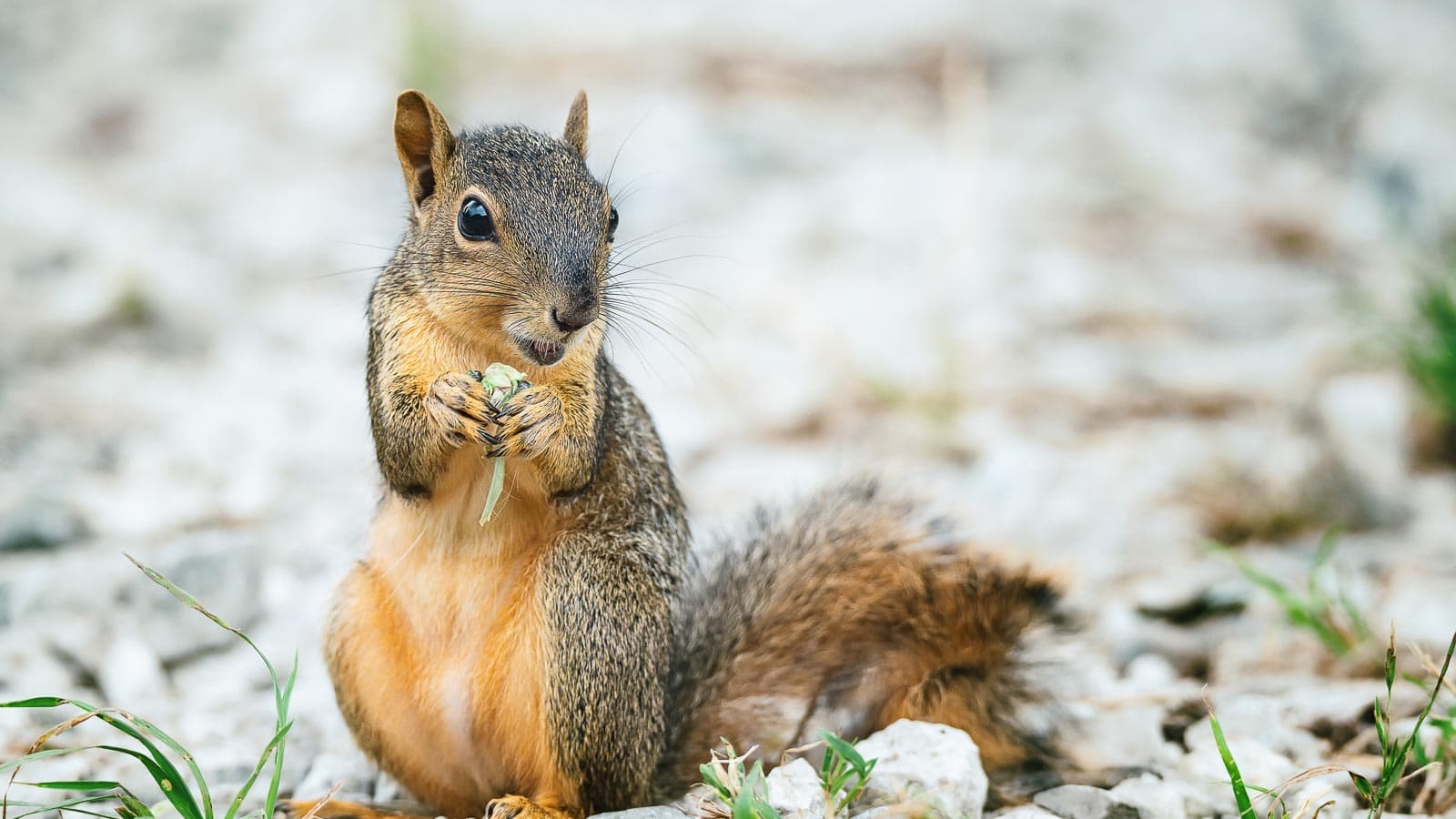
Squirrels are not solitary automatons. They live in complex social environments filled with competition, signaling, and negotiation.
They recognize individuals. They respond differently to familiar squirrels than to strangers. They issue alarm calls that communicate specific threats. They adjust behavior based on audience, altering caching strategies when watched. They engage in dominance displays, chases, and boundary testing that regulate access to resources.
What they do not do is perform socially in ways humans find endearing. They do not groom each other extensively. They do not form visible pair bonds that last for life. They do not engage in cooperative hunting that looks impressive on camera.
Because their social intelligence is subtle and situational, it is often overlooked. But it exists, and it matters.
Why Humans Persist in Calling Them Clumsy
Calling squirrels clumsy serves a psychological function. It reassures humans that the animals sharing our spaces are inferior rather than competitive. It allows us to dismiss their success as luck rather than skill.
Admitting that squirrels are highly capable forces an uncomfortable realization. We did not design urban environments for them, yet they mastered those environments anyway. In many cases, they navigate daily hazards more effectively than humans do.
We trip on stairs. Squirrels do not.
We misjudge weather. Squirrels adapt quickly.
We struggle with rapid change. Squirrels recalibrate constantly.
Labeling them clumsy protects our sense of control.
What It Would Mean to See Them Clearly
Seeing squirrels clearly does not require affection. It requires accuracy.
It means acknowledging that intelligence does not always look calm. That survival does not always look orderly. That success often looks frantic from the outside because pressure does not allow for stillness.
Squirrels are not background noise. They are not accidental survivors. They are living proof that adaptability matters more than elegance.
The next time a squirrel pauses mid-run or launches into a leap, resist the urge to laugh first. Watch instead. Notice the timing. The awareness. The recovery. The relentless adjustment.
What you are seeing is not chaos.
It is an animal doing exactly what intelligence looks like when the world does not slow down for you.
From Zoos To Freedom: 10 Of The Most Daring Animal Escapes Ever
Over the years, zoos, sanctuaries, research facilities and even small farms have seen a surprising number of daring animal escapes, some more dangerous than others. When wild instincts kick in, enclosures can seem like mere suggestions to determined animals, resulting in astonishing and sometimes perilous events. Learn more.