The takeout tipping debate: 12 facts every customer should know
A warm paper bag looks simple. But inside it may be a meal, a customer’s convenience, and a restaurant worker’s entire shift of pressure.
Takeout has become a normal part of how Americans eat. The National Restaurant Association reported that off-site dining now makes up a major share of restaurant business, while many adults regularly pick up meals instead of eating inside restaurants.
But one question continues to divide customers and workers: should takeout orders be tipped?
For diners, the decision can feel complicated. Prices are already higher, and many people now face a payment screen asking for a tip before they even leave the counter. For restaurant employees, every order involves more than simply handing over a bag; it can mean managing calls, tickets, missing items, special requests, and a constant race against time.
These facts reveal why the takeout tipping debate is far more complicated than it first appears.
Your takeout bag hides more labor than it shows
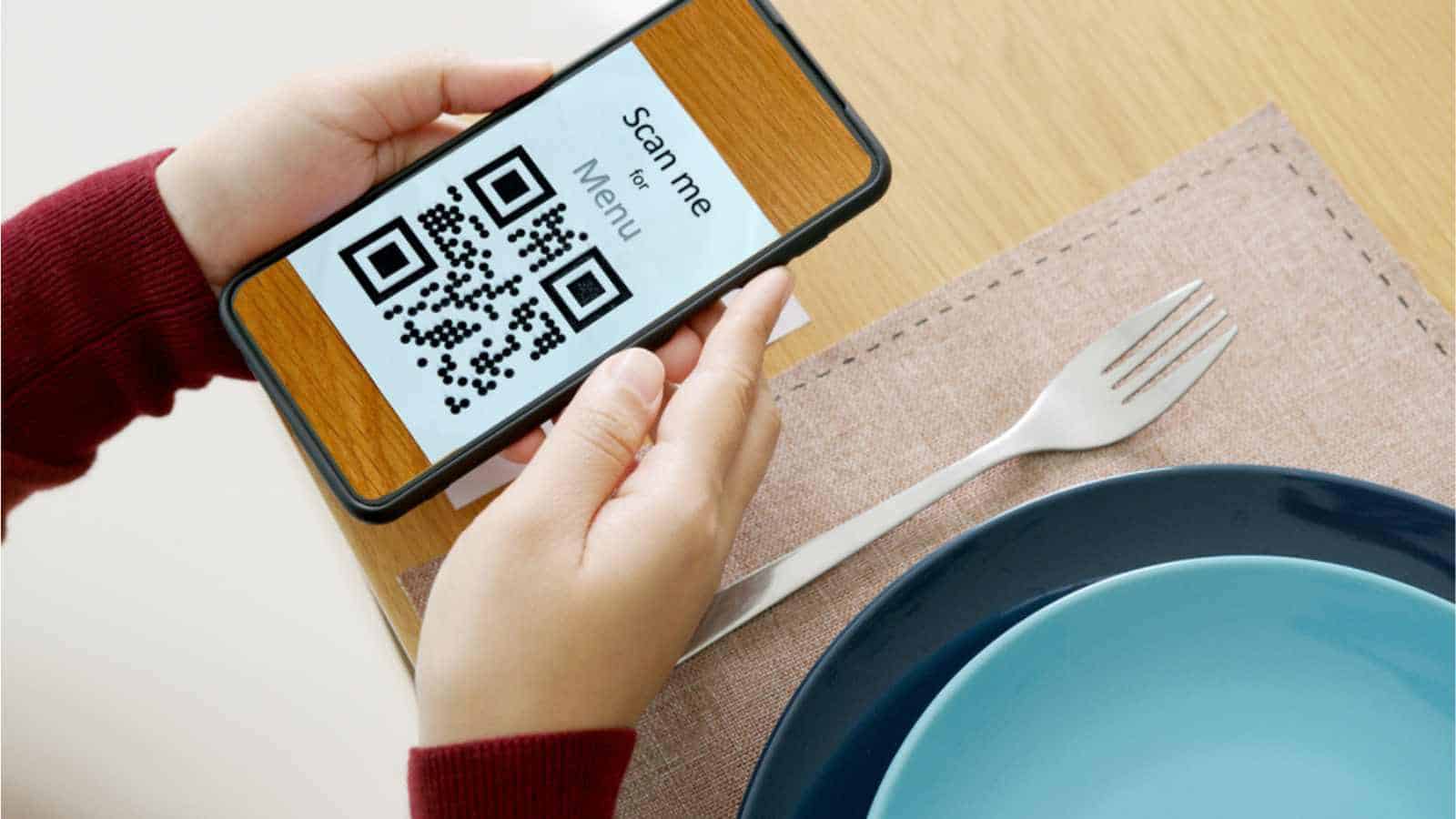
Ten seconds at the counter can hide ten minutes of work. A staff member reads the ticket, sends it to the cook, checks each box, packs sauce, adds forks, and keeps hot food from going limp. That load has grown.
The National Restaurant Association says close to 75% of restaurant traffic now leaves the site. In a 2026 piece for The Takeout, former counter worker Lottë Reford recalled a rush of phone calls, app tickets, pickup times, swaps, and drivers.
Each place splits the work in its own way. A host, server, bar worker, clerk, or takeout lead may pack your meal. The bag may look still. Behind it are hands, heat, and haste each night. Pickup cuts out table care, but it does not make the prep vanish.
A zero tip can create a real tip-out cost
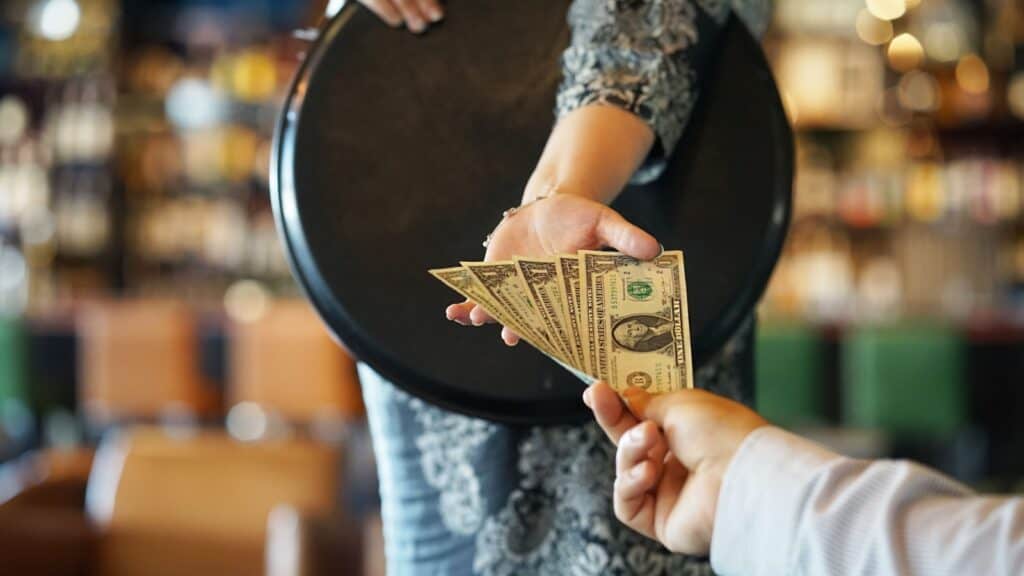
Some servers must share tips with the rest of the crew. The trade calls this a tip-out.
A 2025 guide from Toast says bussers may get 1% to 2% of total sales. Food runners may get 1% to 3% of food sales. Some shops use sales, not tips, to set the sum. Take a fictional case: a $100 pickup sale goes to a server with a 3% sales-based tip-out.
The guest leaves no tip, but the server still owes $3 to the pool. That sum can come from tips made at other tables. It can sting most on a big bill packed during the dinner rush. Not every place uses this setup.
Federal law also sets a floor. The Labor Department says the boss must make up the difference if pay and tips do not reach $7.25 per hour for the full workweek.
Takeout has a smaller tipping range than table service
Pickup and table care are not the same job. The tip need not be the same, either. Toast reviewed card and digital sales from about 171,000 sites. Among guests who tipped on takeout, the average was 13.7% in early 2026. Toast left out cash and zero-tip sales, so that rate is a guide, not a rule.
For a basic pickup at a full-service place, 5% to 10% is a fair middle path. A flat $1 to $3 can fit a small bill. The Emily Post Institute says a plain takeout order can get no tip. It puts the mark at 10% when staff provide curbside help or handle a large, difficult order.
That range gives staff a nod without treating pickup like a full meal at a table. Less service can mean less tip, even when the work still warrants some thought.
A few dollars can change the shape of a shift
Two dollars can look small on one slip. Across a rush, it can add up fast. Make a clear fictional shift with 10 pickup guests, each leaving $2. The pool grows to $20.
For scale, the Bureau of Labor Statistics says waiters and waitresses made a median of $16.23 per hour in May 2024, with tips in that sum. The lowest-paid 10% made less than $8.89 per hour. So $20 is more than one hour at the median rate before the crew shares it.
By night’s end, those small sums can stack up. No guest has to fix the pay system, and a family on a tight budget should not treat a tip as a debt. Still, workers have a point: one or two dollars, spread across many bags, can turn loose change into bus fare, lunch, or part of a food bill.
Pickup remains America’s tipping blind spot
Americans draw sharp lines between types of food service. Bankrate’s 2025 poll of 2,277 adults found that 70% of diners always tip a sit-down server.
The share was 52% for food delivery and just 12% for pickup. That last rate has stayed low. It was 17% in 2021, 13% in both 2022 and 2023, 11% in 2024, and 12% in 2025. The gap has held for years. A driver crosses town in plain sight. A server comes back to the table. The work on a pickup order fades behind a folded bag.
Ted Rossman, a senior industry analyst at Bankrate, sums up the strain: “Tipping is part of the American way of life—it’s not going away anytime soon, as much as we may grumble about it.” Pickup is still the spot where that old custom feels least clear.
The glowing tip screen can make diners less generous
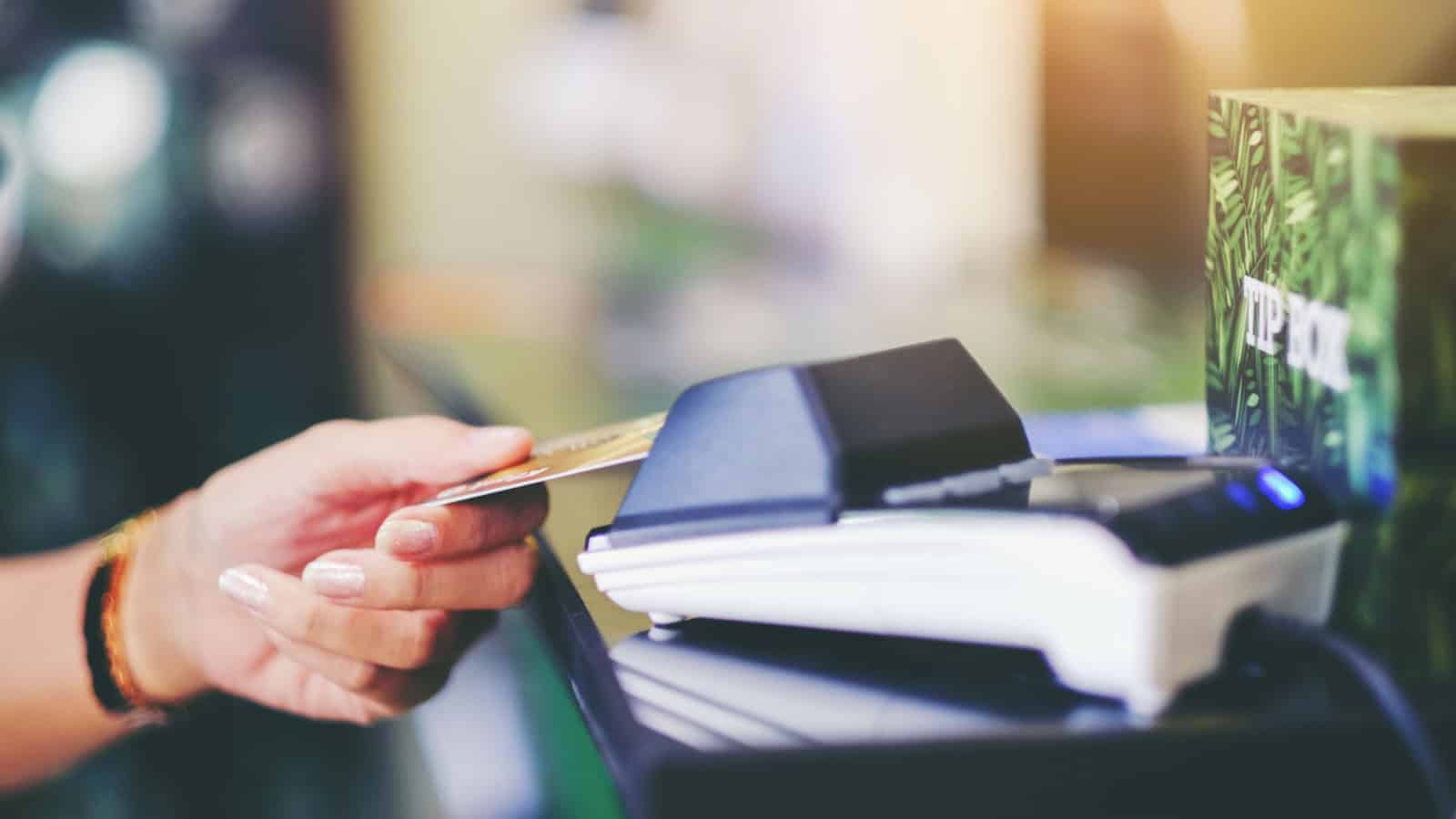
The tablet swivel can feel like a test. An employee may be just a few feet away. That sense of being watched can hurt the staff it is meant to help.
Bankrate found that 38% of Americans dislike set-top screens. Some 27% said a set prompt makes them tip less or leave none. Just 11% said it makes them tip more. The mood may be easing, but it is still broad.
A Popmenu poll of 1,000 adults from March 2026 found that 59% felt pushed to tip by a screen, down from 66% in September 2025. The screen cannot tell you who packed the meal or who gets the cash.
Etiquette specialist Thomas P. Farley gave Business Insider sound advice: “Take it as merely that: a suggestion and not an obligation.” You can still tap no when the work is light.
Even etiquette pros draw the line in different places
There is no one U.S. rule for a bag picked up at the counter. Emily Post puts no duty on a plain order but calls for 10% with added help or a large request.
In May 2026, Diane Gottsman told Allrecipes that curbside assistance and close packing can merit a few dollars, up to 15%, depending on the size of the job. The public is split, too.
An Axios Columbus poll of 325 readers found that 39% gave no tip. Another 27% left 5% to 10%, while 26% left 11% to 25%. Restaurant pros tend to lean toward some cash.
David Guas, chef and owner of Bayou Bakery, Coffee Bar & Eatery, told Southern Living, “Yes, I think takeout orders merit a tip.” The split helps explain the doubt on the screen. No wonder the last tap feels murky.
The restaurant model matters more than the tablet
A cafe counter and a full-service dining room can show the same tip keys. Their pay plans may be far apart. Under federal rules, a tipped worker gets more than $30 a month in tips.
A boss may pay $2.13 in direct hourly cash and use up to $5.12 in tip credit to reach the $7.25 federal floor. Many states set a higher cash wage or bar for credit. Counter staff may also join a legal tip pool, so counter work does not mean tip-free pay.
The wage gap is stark. The Bureau of Labor Statistics put the May 2024 median for food and drink serving jobs at $14.92 per hour. The mark for all jobs was $23.80. A server who packs bags while tending tables may need tips more than a clerk on a higher flat wage. Judge the work setup, not the bright keys.
Big orders turn the pickup shelf into a production line

A meal for one is one task. Twelve meals with allergy notes, side cups, drink trays, and a set pickup time are a small freight job. Staff must read, mark, pack, stack, and check it all while the kitchen serves the next guest. Diners care a lot about the result.
The National Restaurant Association found that 94% of off-site diners value speed. More than 90% rank good service as a top need. And 90% would order more kinds of food if it kept its dine-in quality on the trip home.
A missed box can spoil the whole meal. For a large family order, many changes, timed pickup, or curbside handoff, 10% to 15% fits the added care. If your slip reads like a spreadsheet, the work may have felt like one, too.
The pandemic changed the habit, then tip fatigue set in
Takeout moved from the edge of the trade to its core during the pandemic. Much of that shift stayed.
National Restaurant Association data shows that off-site orders at full-service places rose from 19% of traffic in 2019 to 30% in 2024. At limited-service spots, the share rose from 76% to 83%. Tips did not keep pace.
Popmenu data shows that its online pickup orders with a digital tip fell from 78% in 2022 to 62% in 2026. Its March 2026 poll found that 35% of diners had cut restaurant tips. Price pain helps make sense of the pullback.
The USDA expects food bought away from home to cost 3.6% more in 2026. Diners and staff feel the same dollar stretch. Both sides now feel that same squeeze at once.
Regular guests turn a tip into part of a relationship

Takeout feels less cold once the clerk knows your name and the cook knows your usual swap. Toast asked 1,500 U.S. adults who dine out or order in at least twice a month.
It found that 77% tip more at places where they are regulars. Of that group, 46% add 5% to 10% to their usual tip. Another 37% add 10% to 15% or more. Many service workers call this tip karma.
They tip peers on their days off and hope guests show the same care. The bond can lead to more trust, kind words, and a closer check of the bag. It should not buy free food or let one order jump the line.
A tip is still a gift. Yet at a place you visit each week, that gift can say you see the person behind the counter, not just the bag.
Match the tip to the work, not the pressure
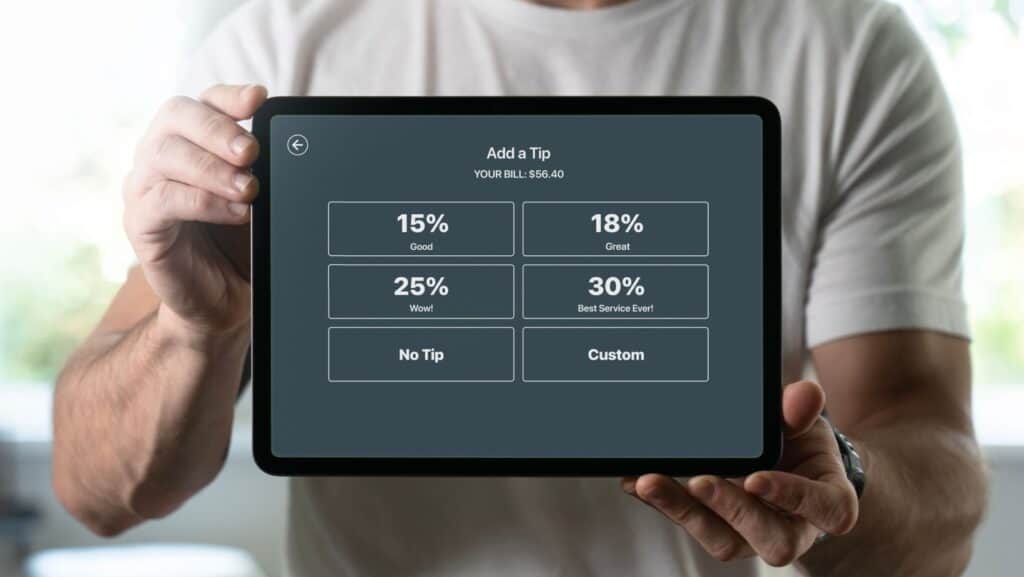
A short scale can clear much of the guilt. At a plain counter with little added help, round up, leave $1 or $2, or skip the tip.
For a normal order packed by staff at a full-service place, try $1 to $3 or about 5% to 10%. For a large, changed, timed, or curbside order, 10% to 15% is a better fit. Delivery is a new task.
A driver adds time, miles, fuel, and road risk, so use a higher rate. These bands sit close to real acts. Toast found that guests who left a digital takeout tip gave an average of 13.7% in early 2026.
Emily Post sets 10% for added aid or a hard order. No glowing key knows your budget or the work behind the door. Pause, count the hands and care that got the food to you, then pick the sum for yourself.
Key Takeaways
Takeout tips are a choice, but the work is real. Bankrate found that 12% of pickup diners always tipped in 2025. At the same time, close to 75% of restaurant traffic had moved off-site.
For a plain counter sale, rounding up or leaving no tip can be fair. Try $1 to $3 or 5% to 10% at a full-service place. Move toward 10% to 15% for curbside help, a big bill, or lots of changes.
Pay more for delivery, since a driver adds miles and risk. Do not let a bright screen choose for you. Match the tip to the work and to the cash you can spare.
QUESTION FOR READERS: Do you tip when picking up takeout? Why or why not?
Like our content? Be sure to follow us