These 11 polite gestures were respectful in 1960—now they make you look out of touch
Etiquette evolves so quietly that yesterday’s courtesy can become today’s social misstep without anyone noticing.
Manners change completely over a few decades and leave many people confused about modern etiquette. What grandparents considered the height of good breeding might actually offend someone today. Social norms shift rapidly, and classic habits can become major social mistakes.
Young adults value personal boundaries over the rigid formalities that used to define high society. Many older etiquette rules simply do not fit into our fast-paced digital lives. Keep reading to discover which well-intended actions might be sending the wrong message to your peers.
Leaving Extremely Long Voicemails

Taking the time to narrate a detailed message after the beep used to prove you really cared. People treated answering machines like an opportunity to write a verbal letter to a close friend. A full voicemail box meant you were popular and loved by your community.
Nobody has the patience to sit through a three-minute rambling message anymore. Seeing a notification for a long audio recording feels like being assigned homework by a friend. Hanging up and sending a concise text message gets your point across without frustrating the recipient.
Calling Someone Unannounced

Back in the day, picking up the telephone to say hello was the standard way to show you cared. People loved hearing the ring of a landline because it meant someone was thinking about them. A recent Inc.com report says that nearly 75 percent of Gen Z and millennials say they would rather text than talk on the phone.
Today, an unexpected phone call usually triggers a minor panic attack rather than joy. People assume an unannounced ring means a severe emergency or a scammer trying to steal money. Sending a quick text to ask if someone is free to talk is the new baseline for politeness.
Addressing Couples as Mr. and Mrs. John Smith

Formal invitations used to group couples under the husband’s full name to show deep respect for the family unit. Society expected married women to fold their identities entirely into their spouse’s public persona. According to a Pew Research Center survey, 79 percent of married women still adopt their husband’s last name, but only 33 percent of unmarried women plan to do the same.
Modern relationships thrive on equality and individual recognition. Writing an invitation that completely erases a woman’s first name feels incredibly insensitive and terribly old-fashioned. You will score much better etiquette points by listing both first names and checking their actual legal last names.
Using Dear Sir or Madam in Letters

Starting a professional correspondence with a highly formal greeting was the gold standard for respect. It provided a safe umbrella phrase when you did not know who would read the document. Job seekers believed this stiff introduction proved their absolute professionalism and serious intent.
Modern hiring managers view this phrase as a lazy template choice that lacks basic research. The internet makes it incredibly easy to find the exact name of the person you are contacting. Addressing your email to a specific human shows genuine interest and attention to detail.
Offering Unsolicited Advice in Public

Older generations often felt a community obligation to correct strangers or offer helpful hints on the sidewalk. Chipping in with your opinion on how someone should hold their grocery bag was seen as neighborly. A survey from the Pew Research Center found that 47 percent of American adults say the way people behave in public these days is ruder than before the pandemic.
People now interpret uninvited tips as aggressive criticism rather than friendly guidance. Strangers want to be left alone while running their errands or managing their kids. Keeping your thoughts to yourself is the best way to show respect for someone else’s personal space.
Refusing to Let Guests Help Clean Up
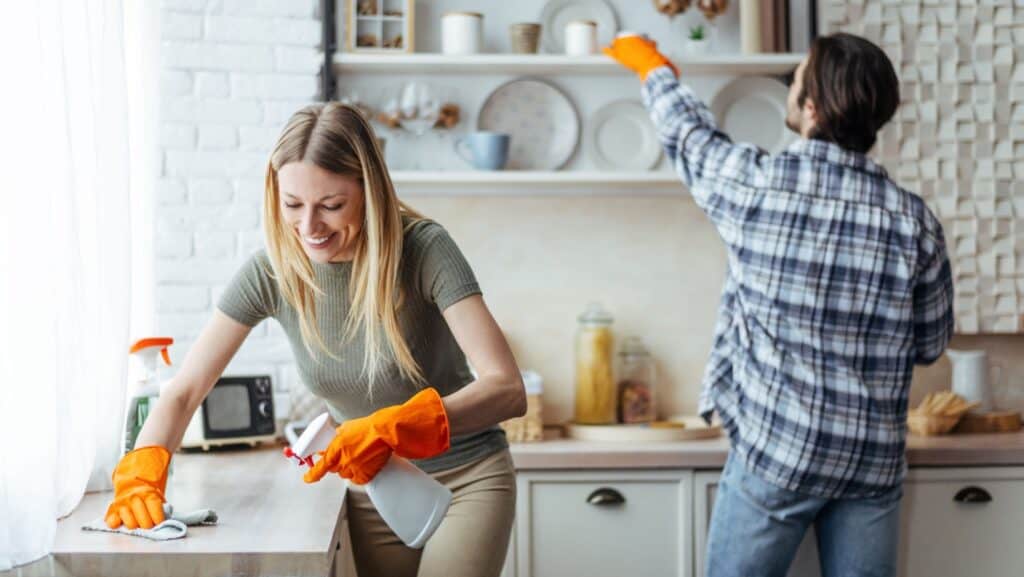
A perfect host in the atomic age never let their visitors touch a single dirty dish. You were supposed to wave off any offers of help and manage the entire party alone. Acting like a flawless superhero in the kitchen was the ultimate dinner party flex.
Entertaining has shifted into a much more casual and communal experience. Friends actually want to hang out in the kitchen and dry glasses while chatting about their week. Accepting a little help makes your guests feel like comfortable family members rather than stiff outsiders.
Requiring Face-to-Face Meetings for Simple Issues

Business professionals used to believe that looking someone in the eye was the only way to build trust. Calling a formal conference room meeting for a simple update showed dedication and a strong work ethic. A ZeroBounce report 415 reveals that 60 percent of Gen Z workers admit to using email to avoid a conversation or confrontation.
Modern offices run on efficiency and quick digital updates. Pulling people away from their desks for something that could be a quick message wastes valuable time. Respecting a colleague’s schedule by sending an email is the true mark of a considerate professional.
Slipping Cash to Service Workers for Better Treatment
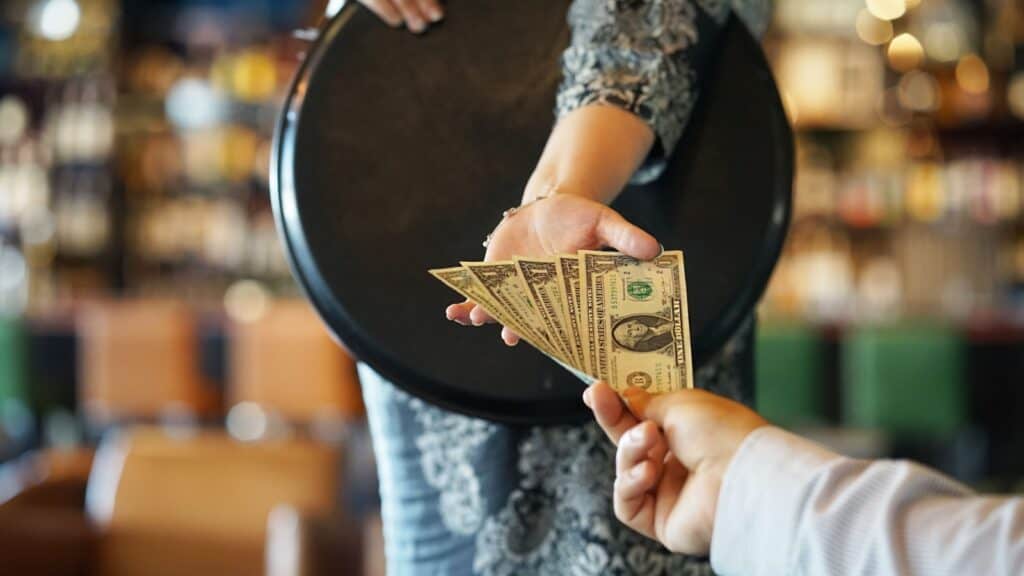
Discreetly handing a folded bill to the host for a better table was a classic Hollywood move. People viewed cash bribes as a sophisticated way to get special treatment in busy restaurants and hotels. However, a Bankrate survey shows that 41 percent of Americans think tipping culture has spiraled out of control.
Service industry professionals now find this practice incredibly awkward and sometimes against company policy. Everything from reservations to standard gratuity is handled transparently through apps and digital systems. Following the official booking rules shows that you respect the staff and their modern workflow.
Insisting Women Go Through Doors First
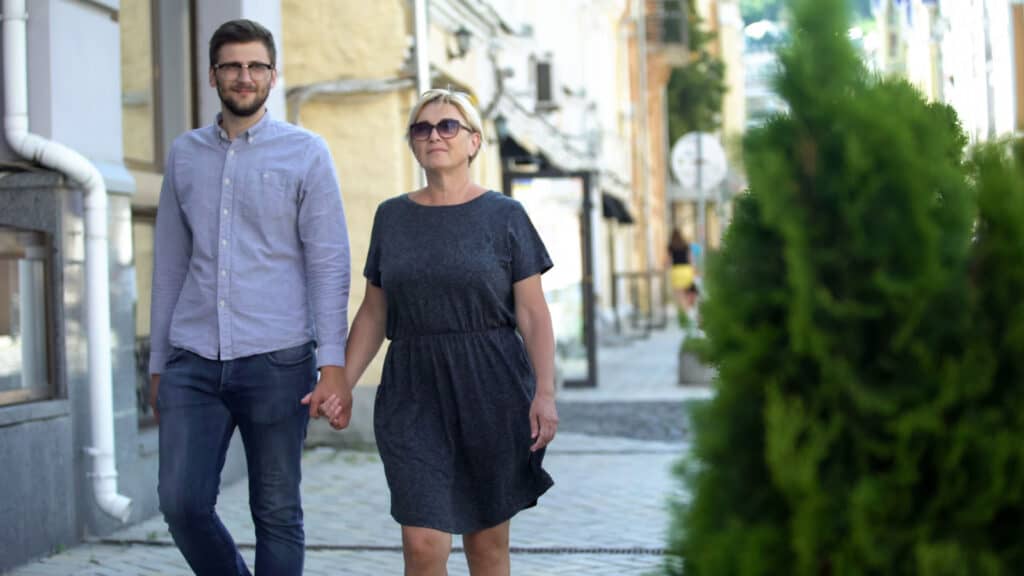
The classic rule of holding the door open and stepping aside was drilled into every young boy. Chivalry dictated that women needed this physical protection and deferential treatment in public spaces. This gender specific rule dominated everyday interactions in office buildings and grocery stores.
Today, door etiquette is based purely on who arrives first and common sense. Stopping a flow of traffic to let a woman pass creates awkward bottlenecks and confusion. Simply holding the door for the person directly behind you is the best modern practice.
Taking Candid Photos to Show Affection

Capturing a spontaneous moment of your friend laughing used to be a sweet gesture for a photo album. Nobody worried about privacy because cameras required film, and developing took weeks. It is rarely or never acceptable to take a photo or video of someone in public without asking for permission.
Smartphones and social media have destroyed the innocent nature of candid photography. People carefully curate their online image and panic when bad angles hit the internet. Always asking for a quick green light before snapping a picture prevents major social media meltdowns.
Commenting on Weight Loss as a Compliment

Greeting a friend by praising their smaller waistline used to be the highest form of flattery. Society treated any drop in clothing size as a major victory that required immediate celebration. People openly analyzed each other’s bodies at social gatherings without a second thought.
We now understand that weight changes can stem from illness, stress, or severe personal struggles. Pointing out a physical change often makes the person feel uncomfortable and intensely scrutinized. Complimenting someone’s glowing energy or great smile is a much safer and kinder approach.
Like our content? Be sure to follow us