This single piece of cardstock can sell for more than a house
A pastime once fueled by pocket change and pink bubble gum has quietly turned into a billion-dollar market where cardboard can outperform stocks and real estate.
On a Saturday morning in the late 1980s, a pack of trading cards meant a burst of color, the snap of foil and the faint smell of artificial bubble gum. For a few dollars, kids could walk out of a corner store with a stack of players they had never heard of, one local hero and, if they were lucky, a rookie card they would brag about for weeks. Today, that same cardboard obsession has transformed into something far bigger and stranger. The shoebox under the bed has become a graded, barcoded investment. A single piece of printed card stock can sell for more than a house.
Retail giants now treat trading cards as one of their hottest growth categories, while online marketplaces see bidding wars over everything from vintage baseball legends to shiny Pokémon. Somehow, in an era dominated by streaming and screens, one of the simplest analog pleasures in American life has roared back, turning bubble gum nostalgia into very real money.
Trading cards never really went away
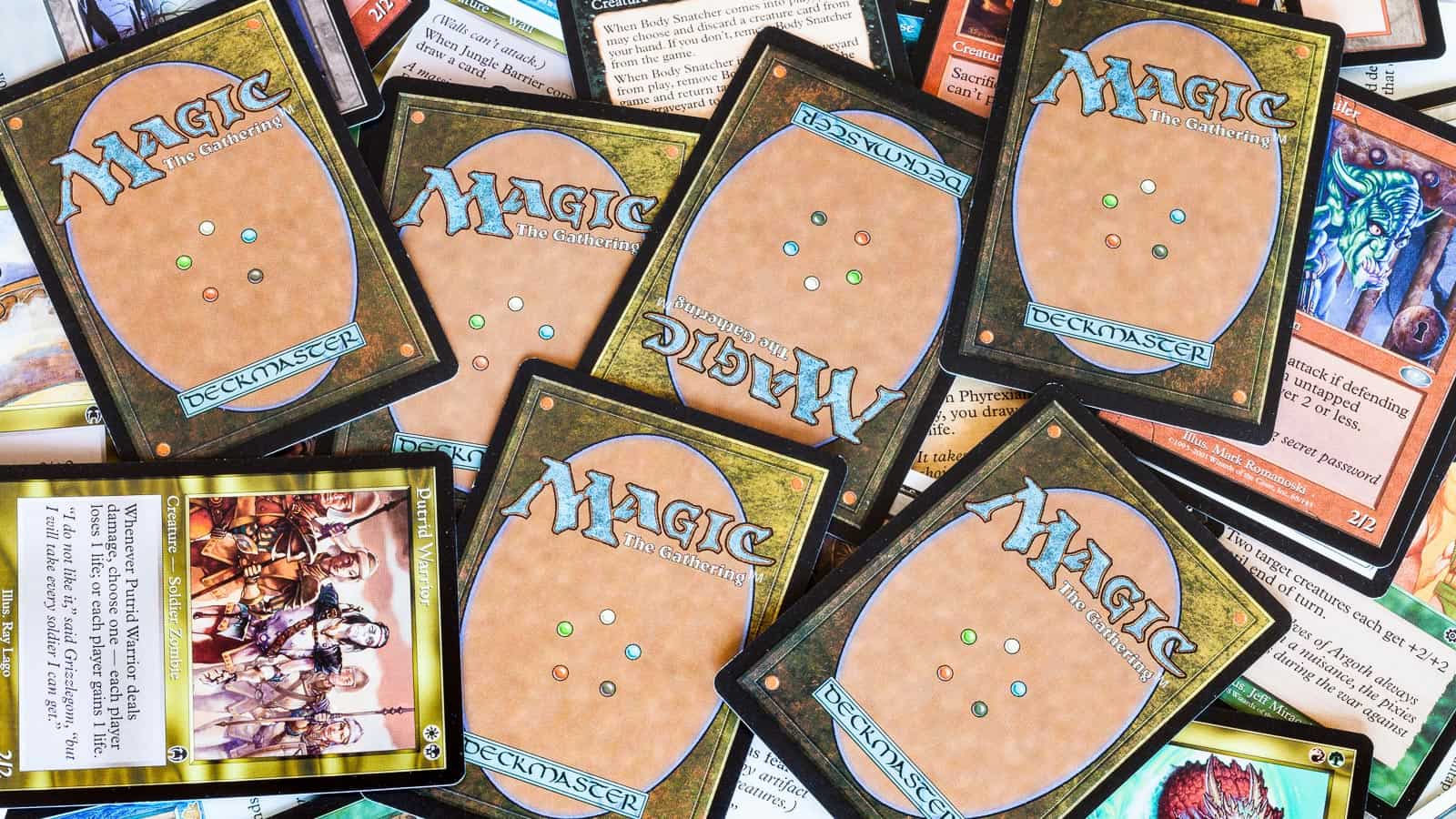
National Trading Card Day, celebrated every year on February 24, is a reminder that what looks like a modern craze actually has roots stretching back more than a century. The earliest trade cards appeared in the late 19th century, when companies slipped small, stiff cards into products like tobacco or candy to advertise their brands and add structure to flimsy packages.
Those early “cigarette cards” featured celebrities, scenery, and sports stars, and they were designed to be collected in albums, swapped with friends, and shown off at home. Baseball cards arrived not long after, with some of the first known examples created in the 1860s for a sporting goods company, and by the early 1900s tobacco firms were printing full sets of players. One of those early issues, the T206 Honus Wagner card produced around 1909 by the American Tobacco Company, would later become famous as one of the rarest and most coveted sports cards in history.
Sports Encouraged Trading
As the 20th century rolled on, card makers discovered a powerful partnership between sugar and sports. In 1933, the Goudey Gum Company began packaging baseball cards with chewing gum, cementing the link between a sweet treat and a collectible that kids could chase all season long. The Topps Company followed in 1950 by putting trading cards in its bubble gum and started producing dedicated baseball card sets in 1951. In 1952, Topps released a landmark baseball set that, for the first time, printed full player statistics and playing records on the back, turning a simple picture into a pocket-size encyclopedia entry.
By the 1970s and 1980s, card collecting was thriving enough to support dedicated shows and dealer networks. The first large-scale National Sports Collectors Convention was organized in 1980 to give collectors and dealers a central place to buy, sell and trade, and it has grown into the premier annual event for the hobby. But while the love of cards never fully disappeared, the market would swing through boom and bust before reaching today’s new high.
The boom, the crash and the digital competition
If you grew up in the late 1980s or early 1990s, you remember the first big modern card boom. Companies printed millions of cards per year, speculators hoarded “rookies” in plastic sleeves, and kids were told their basement boxes would fund their college tuition one day. Overproduction and a flood of nearly identical sets eventually crashed values, especially for cards from that era, leaving many collectors with stacks of cardboard that were more sentimental than valuable.
At the same time, digital entertainment rose sharply. Video games, the internet and, later, smartphones pulled younger fans away from slow, analog hobbies. For a while, trading cards looked like a niche interest kept alive by older collectors who remembered gum-stained packs and card shops at the mall.
That context is what makes the current comeback so surprising. Instead of being pushed aside by digital life, trading cards have found a way to plug into it. Online auction platforms, grading services and social media communities have turned what used to be a local pastime into a global marketplace where rare hits in a pack can be tracked, traded and celebrated in real time.
How cardboard became a serious asset
The most eye catching sign of the comeback is the number of headline-making sales. In August 2022, a 1952 Topps Mickey Mantle card graded SGC 9.5 sold for an astonishing 12.6 million dollars, setting a record for the most expensive trading card ever sold at the time. The same year, a T206 Honus Wagner card, long considered the “Holy Grail” of baseball cards because of its extreme scarcity, brought in about 7.25 million dollars in a private sale.
The record race has only intensified. In 2024, a one of a kind 2003 Upper Deck Exquisite Collection Dual Auto Patch card featuring Michael Jordan and Kobe Bryant reportedly sold for nearly 13 million dollars, surpassing earlier marks and highlighting how modern high end basketball cards can rival classic baseball issues in value. Modern stars are part of the story too. In 2020, a Bowman Chrome Superfractor 1 of 1 Mike Trout rookie card with an on card autograph sold for about 3.93 million dollars, setting a record for a contemporary baseball card and showing that collectors are willing to pay huge sums for recent icons as well as legends.
They can be investments
Those eye watering prices are the tip of a larger trend. Professional grading companies now evaluate cards on centering, corners, edges and surface, then encase them in tamper evident holders with numerical grades. That process turns a fragile piece of cardboard into a standardized, tradable asset, making it easier for buyers to compare, insure and resell high value items. Online marketplaces like eBay and specialty platforms track recent sales and population reports, giving collectors and investors transparent data about how rare and desirable a card really is.
For some buyers, cards have become an alternative investment similar to art or rare sneakers. Fractional ownership platforms have even allowed small investors to buy shares in especially valuable cards, essentially turning one physical card into a tiny, tradable portfolio. That financialization has sparked debate in the hobby, but there is no question it has poured new money and attention into a space once dominated by kids and casual fans.
Big box retailers are all in
The trading card revival is not just happening in auction houses and grading labs. It is playing out in the toy aisle. Retail giants like Target and Walmart have embraced cards as a growth engine, especially during the holiday season.
Analysts report that sales of trading cards have surged across both sports and non-sports categories. According to market research cited by major outlets, sales of strategic trading cards, such as games and battle decks, are up more than 100 percent in recent years, while sales of non-strategic cards and collectible stickers have also climbed sharply. Target has said its trading card sales are up nearly 70 percent year to date and projects that revenue from the category will top 1 billion dollars annually.
Online, the growth is even more dramatic. Walmart’s marketplace has reported a 200 percent jump in trading card sales from early 2024 to mid 2025, with Pokémon cards alone rising more than tenfold year over year during that period. eBay has noted that trading card sales have increased for ten consecutive quarters, while StockX has reported triple digit gains for Pokémon and Topps products in its midyear trend reports.
To meet demand, retailers have experimented with everything from dedicated trading card displays and in store events to weekly livestreams featuring influencers who open packs and discuss the latest releases. Security policies have tightened after past incidents of crowding and theft, with some stores limiting purchase quantities or keeping premium products behind service counters. Still, the message is clear: trading cards are no longer a dusty nostalgia item. They are a mainstream retail category with serious revenue attached.
Beyond baseball: everything is collectible now
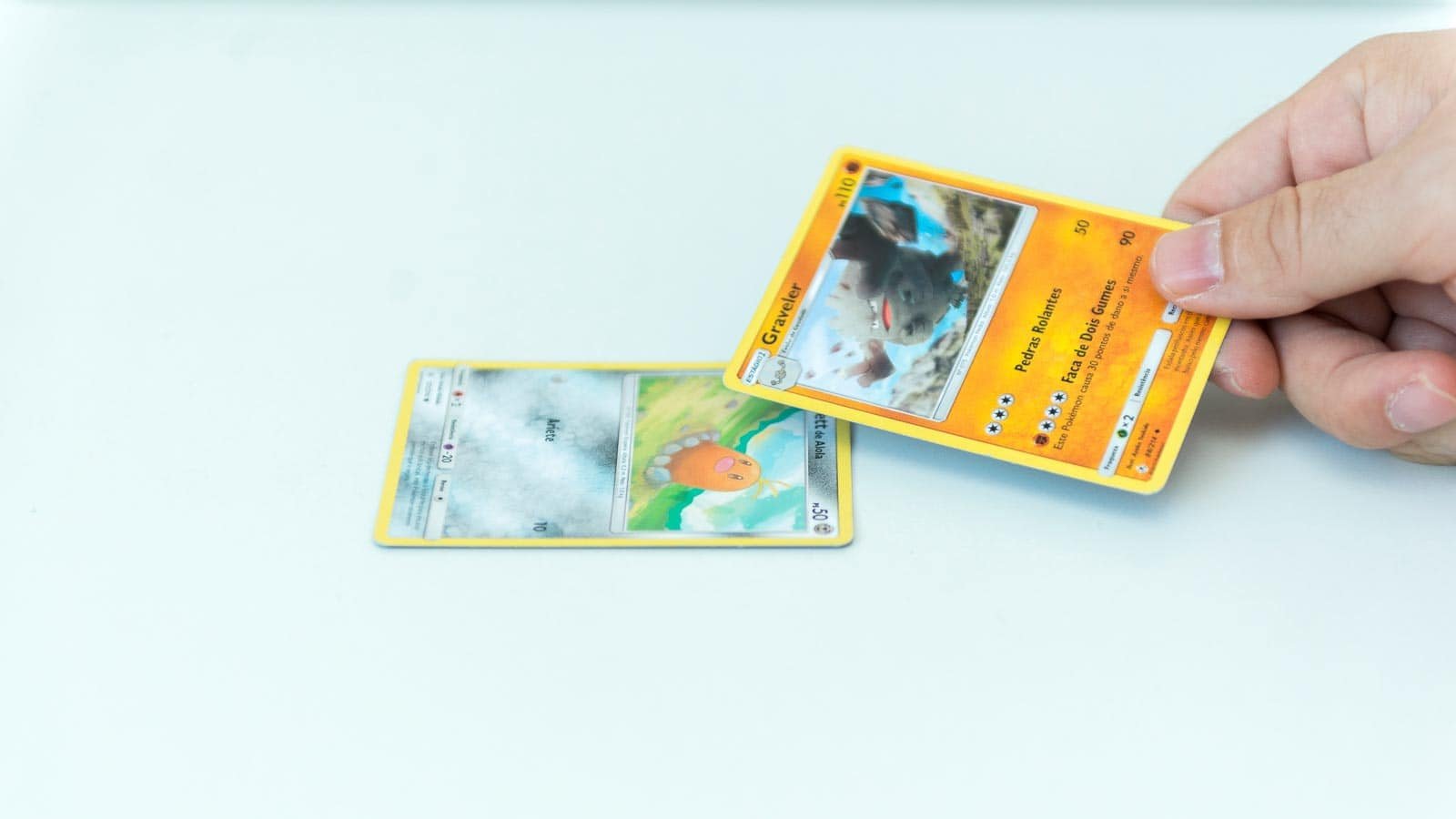
Part of the reason trading cards have become a surprise comeback story is that they now cover much more than traditional sports. Pokémon, Magic: The Gathering, Yu Gi Oh and other game based or fantasy themed cards have drawn in younger generations who might never have followed a box score.
Retail data shows that Pokémon has been a major driver of the boom, with one large retailer citing more than a tenfold increase in Pokémon trading card sales over a roughly 18 month span. Strategic card games have added nearly 900 million dollars in sales since 2021, while non-strategic cards and collectible stickers tied to pop culture and sports have added more than 500 million dollars in the same timeframe.
The topics are broad
Meanwhile, entertainment and lifestyle brands have tested limited edition cards tied to movies, influencers and even social media personalities, tapping into the thrill of scarcity and the appeal of chase cards. National Trading Card Day campaigns have encouraged people to collect not only sports heroes, but also fictional characters, historical figures and even custom cards designed at in store events.
For families, the expanded universe of trading cards has created new entry points. Kids who are passionate about anime, video games or specific franchises can collect characters they love, while parents who grew up with baseball cards can share the basic rituals of opening packs, organizing sets and trading duplicates. That cross generational appeal is a big reason the hobby feels fresh instead of purely nostalgic.
The emotional side of cardboard
For all the talk of record prices and big box sales, the heart of the trading card comeback is still emotional.Collectors often say that cards act as tiny time machines, capturing a moment in a player’s career or a phase of their own life. A faded card pulled from an old shoebox can recall a childhood friend, a first game at a stadium or a parent who spent weekends sorting stats at the kitchen table.
National Trading Card Day leans into that spirit. Observers are encouraged to dig out old collections, start new ones and share their favorite cards on social media, turning the day into a celebration of both history and community. Local card shops, hobby groups and even homeschooling communities use the occasion to teach kids about the history of trade cards, from Victorian era advertising pieces to mid-century gum packs.
Have you been to convention?
At conventions like the National Sports Collectors Convention, fans line up not just to buy and sell, but to meet athletes, attend panel discussions and compare stories about long lost treasures rediscovered in attics and storage lockers. That sense of community may be one reason the hobby has proven resilient in the digital age. Even when deals happen online, the underlying activity is social: people posting their latest pulls, arguing about prospects and cheering on each other’s finds.
Can the boom last?
Any market built partly on speculation faces tough questions. Analysts and retailers alike have wondered whether the trading card boom can keep going at the same pace once the current wave of blockbuster releases and media hype slows down. Some worry that prices for certain modern cards are inflated, and that investors chasing quick gains could get burned if demand softens.
Still, there are reasons to think the hobby will remain healthier than in past cycles. The rise of professional grading, population reports and transparent sales data has made it easier to distinguish truly rare, high quality cards from mass produced issues, which could prevent the sort of unchecked overproduction that plagued earlier eras. The diversity of the market also helps. With sports, games, pop culture and custom cards all in the mix, demand is spread across multiple fandoms instead of being tied to a single sport or manufacturer.
It’s the thrill of the chase
Most importantly, the core appeal of trading cards combines two things that tend to endure: storytelling and the thrill of the chase. Every pack is a small gamble, every card is a fragment of a larger narrative about athletes, characters, or brands. Whether someone is ripping a retail box from a big box store, bidding on a graded grail online or handing a child their first pack on National Trading Card Day, the ritual is recognizably the same as it was decades ago.
In that sense, the surprise is not that trading cards have come back, but that anyone thought they had ever truly gone away. The bubble gum may be gone from most packs, but the excitement is still there. Only now, the stakes can run into the millions.
Disclosure: This article was developed with the assistance of AI and was subsequently reviewed, revised, and approved by our editorial team.
Like our content? Be sure to follow us on MSN and Newsbreak
10 Life-Enriching Hobbies That Benefit You And The World

Realistically, most hobbies are conducive to personal growth. Spending time doing things you enjoy helps you connect to yourself and increase fulfillment. However, some hobbies are better than others when it comes to enriching yourself and the world around you.
If you want a hobby that is more than “just for fun,” but can actually make you and the world better, consider these options. Learn more.