Top 14 Dog Breeds Vets Say Shouldn’t Be Pets Despite Their Fame
We all know that specific urge to impulse buy a puppy after seeing a cute video on TikTok. You see a celebrity walking a Frenchie or watch a movie featuring a heroic Malinois, and suddenly you want one. I get it. I grew up wanting a Dalmatian because of the Disney movie, until a vet explained the reality to my parents.
The truth is that fame does not equal a good family pet. In fact, a landmark study published in PLOS ONE revealed a disturbing trend: the most popular dog breeds actually tend to have the most inherited genetic disorders, proving that we often choose fashion over function.
Veterinarians see the other side of the Instagram photos. They see the chronic pain, the breathing surgeries, and the behavioral surrenders. We need to talk about the breeds that professionals wish people would stop buying solely for aesthetic reasons. Here are the top 14 dog breeds that vets warn against owning despite their massive fame.
English Bulldog
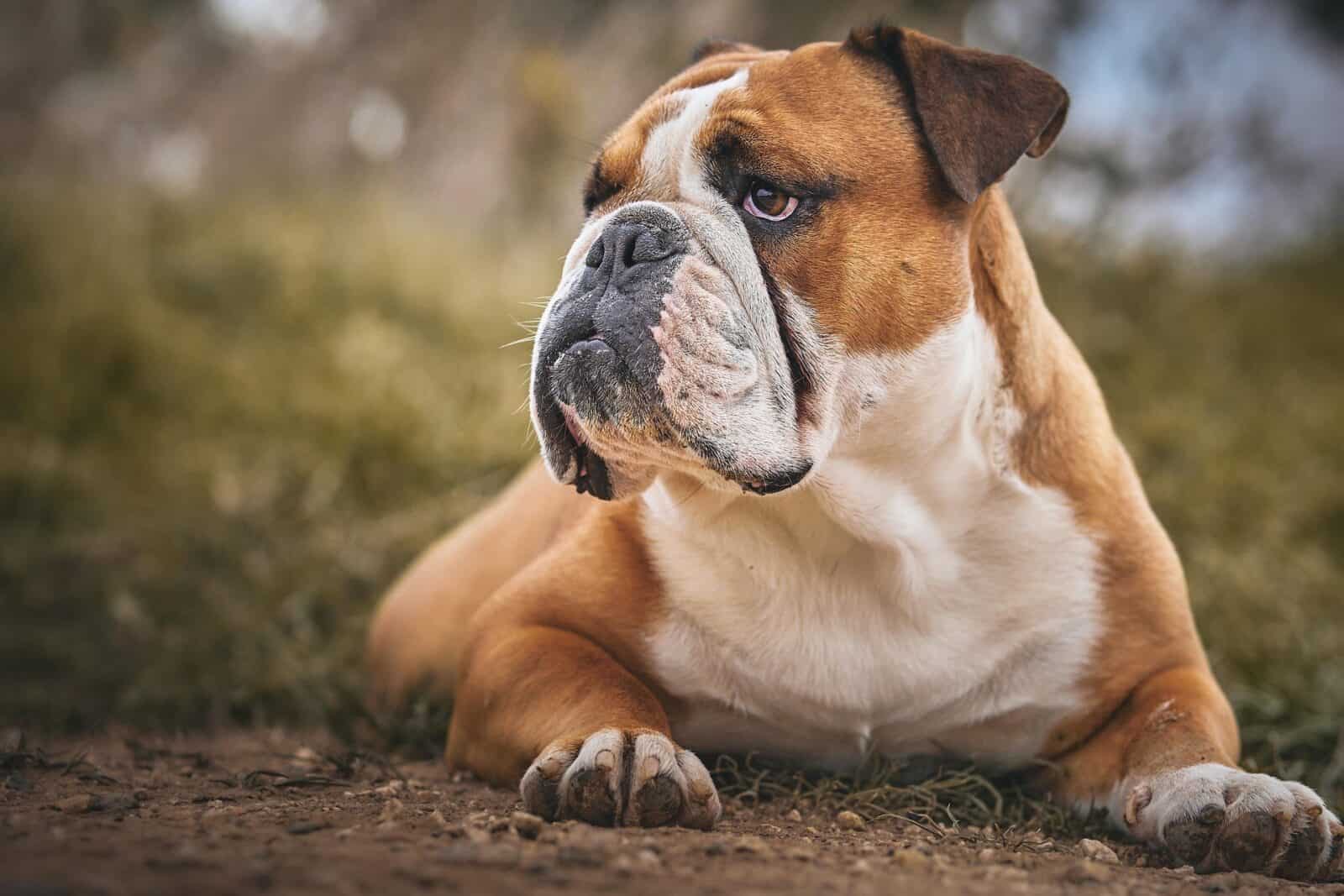
Multiple veterinarians, like Amir Anwary, put English Bulldogs at the very top of their “never own” lists, citing extreme breathing problems, skin folds, joint issues, and a very short life expectancy. The University of Illinois notes that flat‑faced breeds such as Bulldogs often require major airway surgery and are prone to heat intolerance, sleep apnea, and cardiac strain.
Some vets may describe bulldogs as dogs whose “genetics are not on their side,” pointing to lifelong struggle just to breathe. Another vet added that their high vet bills and frequent emergencies make them a heartbreaking choice for average owners.
French Bulldog

French Bulldogs are now among the most popular breeds in the US and the UK, but veterinarians repeatedly warn that their popularity conceals a welfare crisis. One vet, as reported on Mirror, called them a “charming little adorable abomination,” explaining that he constantly sees Frenchies with breathing, spine, eye, and skin problems.
A brachycephalic‑health briefing from UC Davis reports that Frenchies commonly have narrowed nostrils, long soft palates, and narrow windpipes that severely impair breathing, causing snoring, heat intolerance, regurgitation, and even right‑sided heart failure. Many vets say breeding them for ever‑shorter muzzles has gone too far.
Pug

Pugs are another brachycephalic (flat‑faced) favorite that veterinarians worry about ethically. A Colorado and Illinois veterinary review notes that brachycephalic dogs frequently suffer from Brachycephalic Obstructive Airway Syndrome, chronic eye issues, skin‑fold infections, and gastrointestinal problems.
Vets say they wouldn’t own any brachycephalic dog because watching them struggle to breathe and sleep is too upsetting, even when surgery helps. Country Living reports that more than half of bulldogs and Pugs require Caesarean sections due to their head shape, raising serious ethical questions about continuing to breed them in this manner.
Cavalier King Charles Spaniel

Cavaliers are gentle and loving, but vets frequently list them as a breed they’d never personally buy because of heartbreaking heart and neurological disease. Cavaliers are prone to mitral valve disease, painful syringomyelia (a brain–spinal condition), ear infections, joint problems, and skin issues.
Several veterinarians say that while Cavaliers are emotionally wonderful, the odds of serious illness and early death are so high that they wouldn’t choose one again.
Dachshund

Dachshunds are cute “wiener dogs,” but their extreme body shape comes at a cost. Vets on Yourtango repeatedly name Dachshunds as “never own” dogs due to intervertebral disc disease (IVDD). About one in four Dachshunds will develop back problems ranging from pain to complete paralysis.
Another veterinarian recommended that anyone who insists on a Dachshund set aside a “cash fund” for potential spinal surgery and long recovery, calling the risk “too much potential for heartbreak.” Their stubborn temperament and separation anxiety issues can add behavioral challenges.
Shar Pei

Shar Peis are instantly recognizable, but vets say heavy wrinkling and over‑breeding have created major health and behavior problems. They often try to bite staff and suffer from severe skin and eye issues.
Over‑breeding has made Shar Peis prone to hip and elbow dysplasia, entropion (inward‑rolling eyelids), glaucoma, cataracts, and skin‑fold infections. Another vet list notes that managing their chronic issues is expensive and often frustrating for owners.
Chow Chow
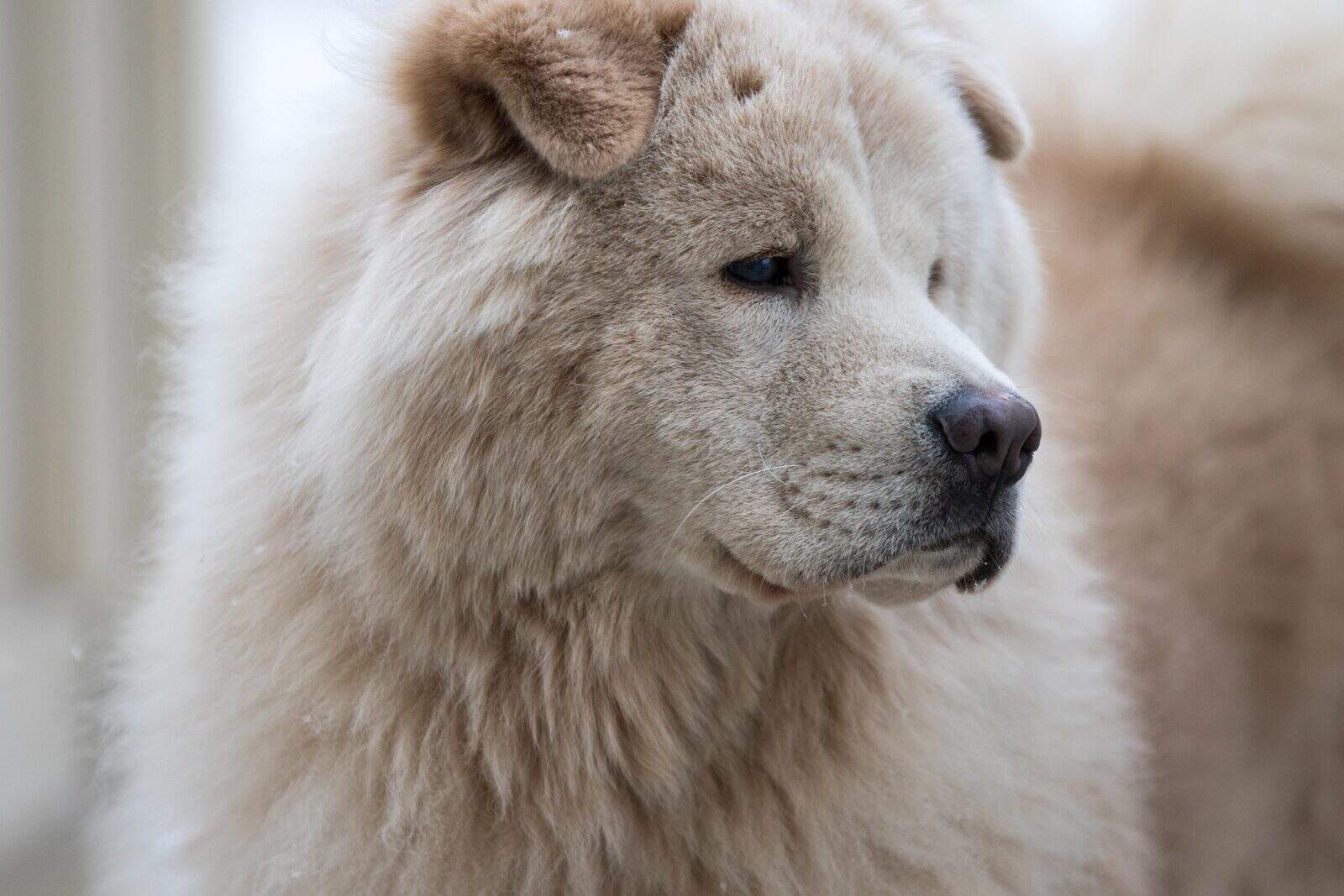
Chow Chows look like living teddy bears, but vets frequently caution that they can be medically and behaviorally challenging. A veterinary round‑up of “breeds I’d never own” lists Chows because of their strong guarding instincts, tendency toward reactivity, and multiple joint and eye conditions.
Chow Chows need very experienced owners, early socialization, and careful handling to avoid fear‑based aggression and bites. For most typical families, vets say they’re a poor fit.
Belgian Malinois
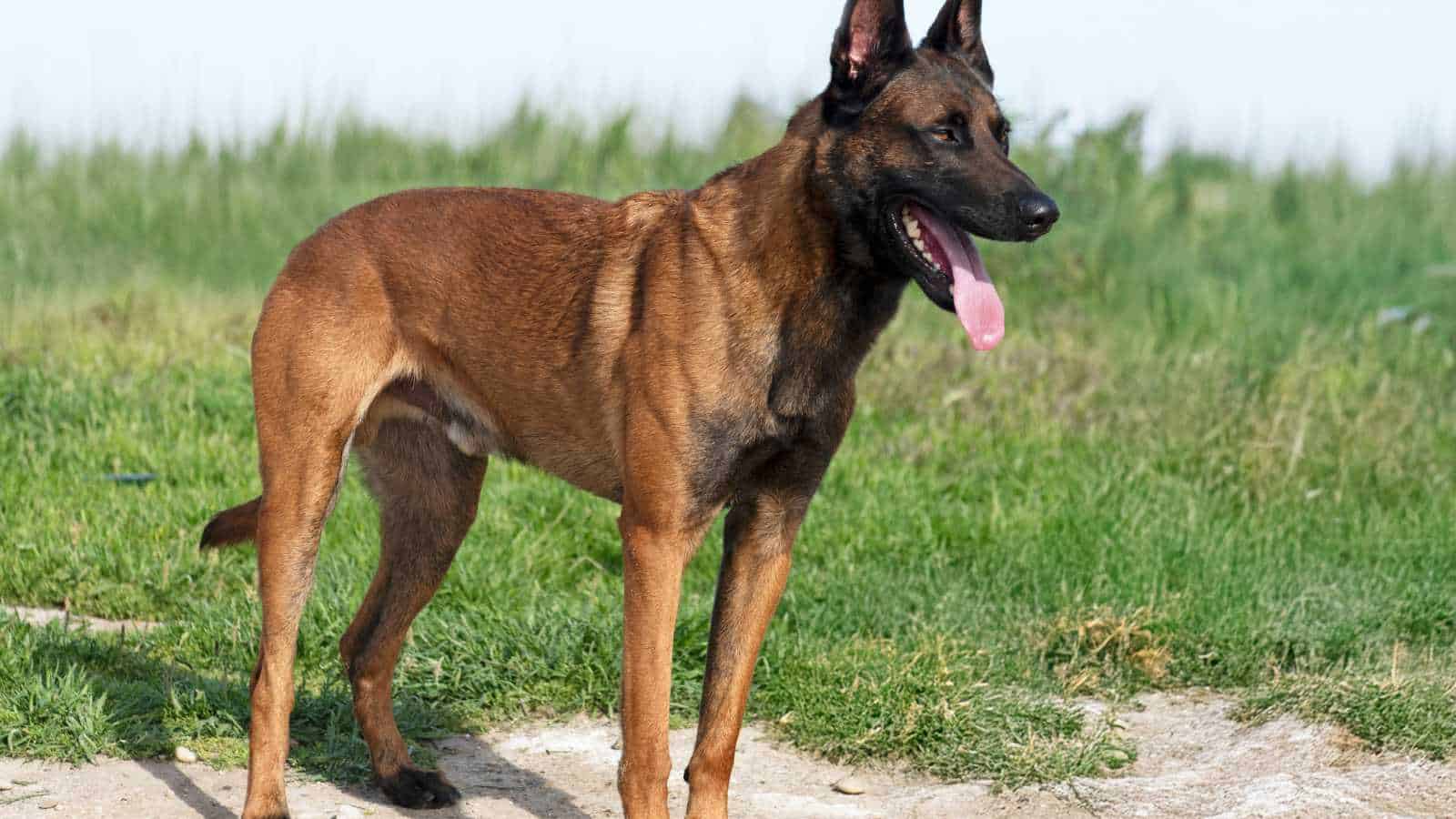
The Belgian Malinois is a favorite of police and military units, but that’s exactly why many vets and trainers say they shouldn’t be kept as casual pets. Amir Anwary, a veterinarian who would never own a Malinois, cited their extreme energy, biting drive, and need for constant training and work.
Malinois were bred to chase, bite, and think independently; in an ordinary home without serious structure and activity, they become destructive and potentially dangerous.
Border Collie

Border Collies are brilliant and famous from TV and TikTok, but vets and behaviorists often warn that their intelligence and energy make them terrible “couch‑pet” choices. A UK vet’s “never own” list included Border Collies, saying they’re prone to anxiety, obsessive behaviors, and destruction if they don’t have a full‑time job.
Herding‑breed experts note that Border Collies need hours of mental and physical work daily, often more than most owners can realistically provide. Without it, they may herd kids, chase cars, or develop serious behavior problems.
Siberian Husky
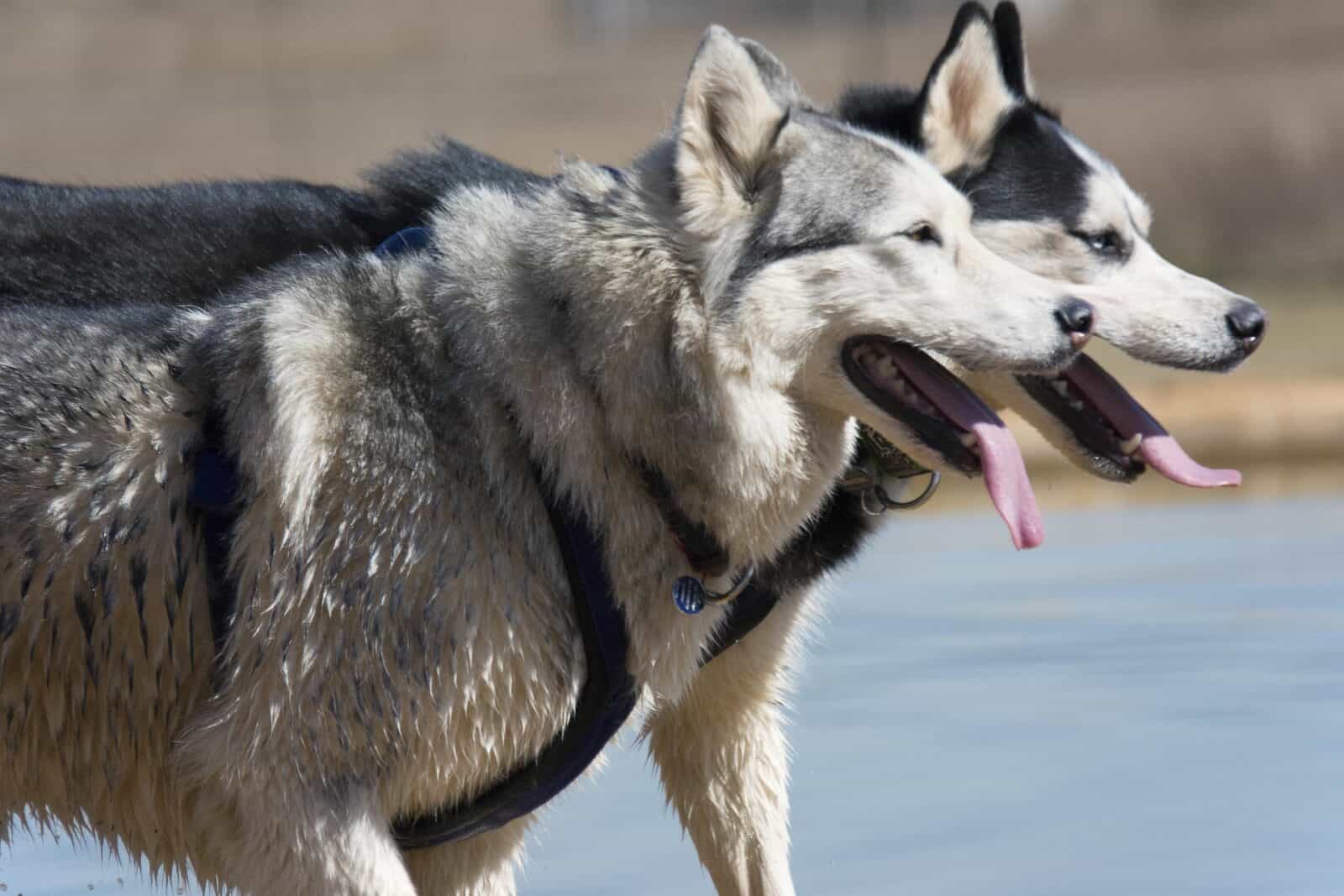
Huskies are social‑media stars, but a number of vets rank them high on their “wouldn’t own” lists because normal urban and suburban homes can’t match their needs. They are working dogs bred to run long distances in extreme conditions; without that outlet, they escape, destroy things, and vocalize constantly.
Veterinary writers note that Huskies have a strong prey drive and are overrepresented in bite and behavioral complaint statistics when owners underestimate how difficult they are to manage.
Great Dane
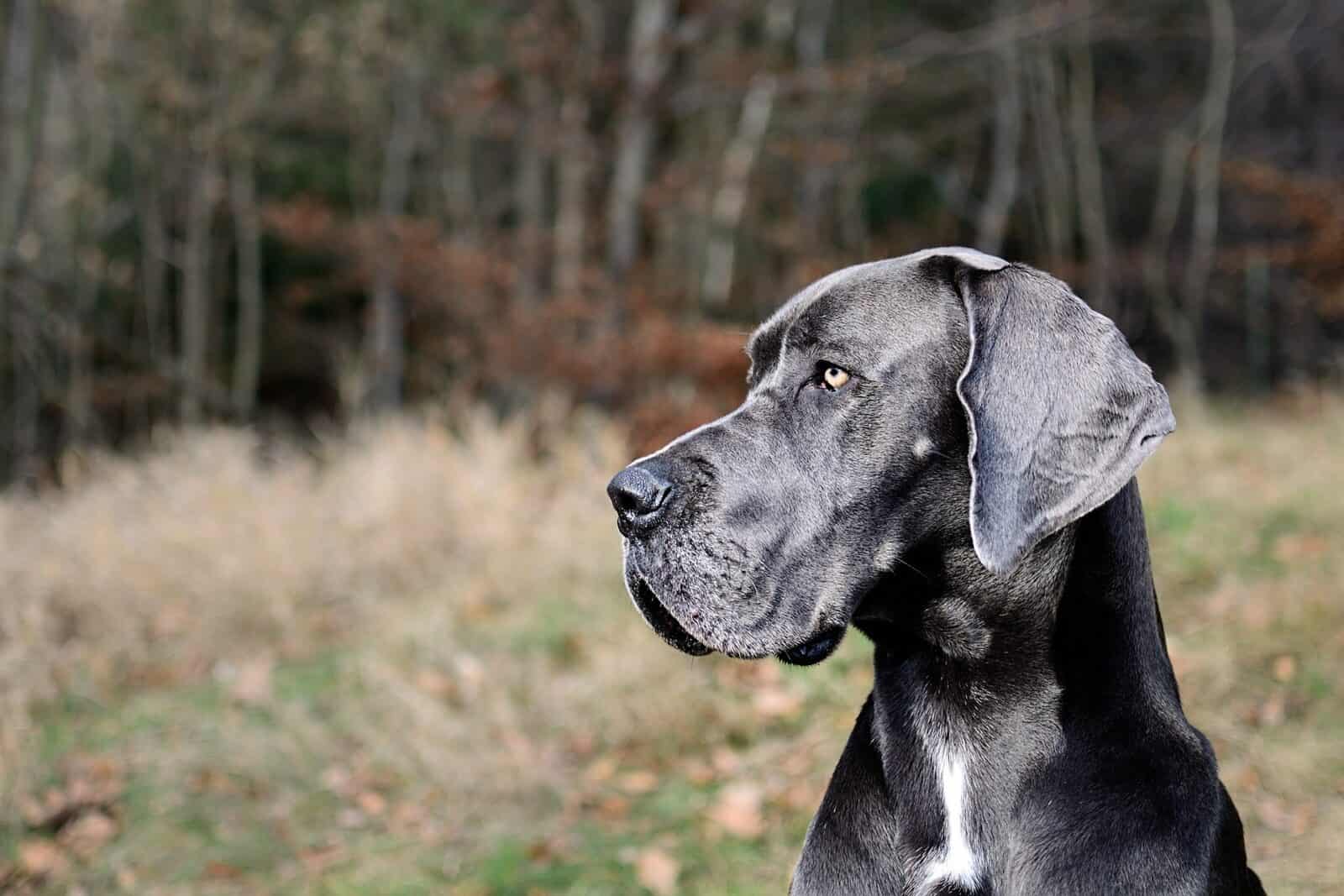
Great Danes are gentle giants, but their size and health problems make many vets hesitant to recommend them. In her viral video, a veterinarian stated that she “would not own a Great Dane” because they grow so quickly, develop joint issues early, and often die young.
Large‑breed medicine data on ResearchGate shows that Danes are prone to gastric dilatation‑volvulus (bloat), cardiomyopathy, and orthopedic disease, all of which can be expensive and life‑limiting. For many vets, the short lifespan is emotionally devastating.
“Doodle” Mixes (Goldendoodles, Labradoodles, Etc.)
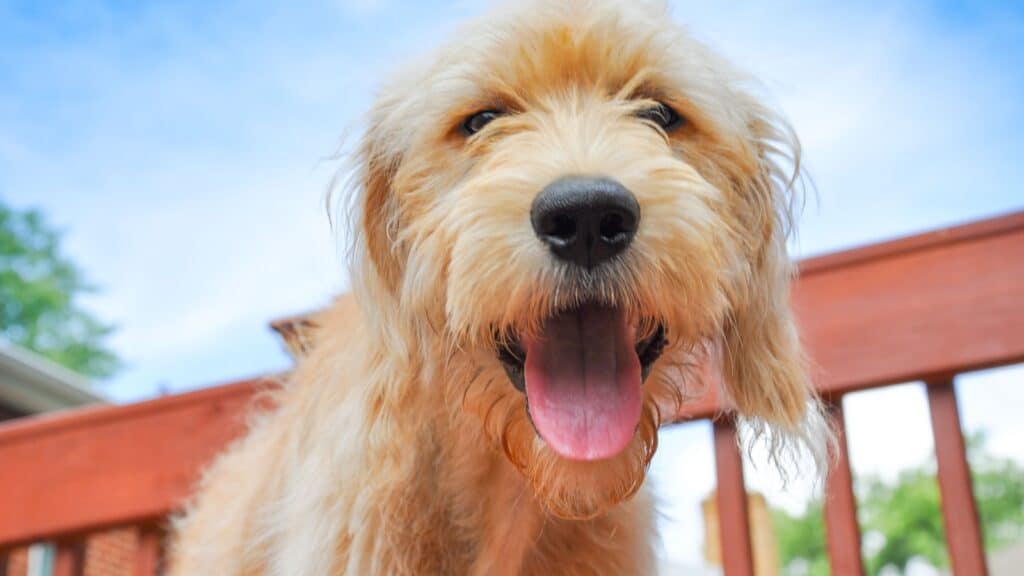
Designer Poodle mixes are wildly fashionable, but one vet put “doodles” as his second‑least‑desired type, warning that people often buy them under the false promise they’re hypoallergenic and low‑maintenance.
He explained that coat type, shedding, and temperament are unpredictable in mixed litters, and many doodles require intensive (and expensive) grooming plus careful behavior work. Other vets say backyard and puppy‑mill breeding has led to anxiety, reactivity, and orthopedic issues in many doodle populations.
Chihuahua
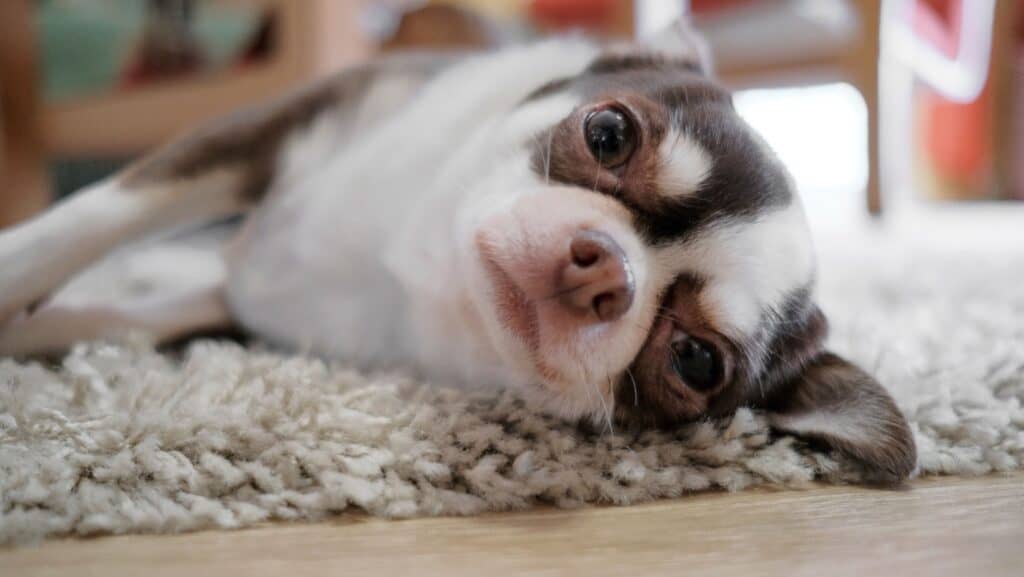
Chihuahuas may be tiny, but vets and trainers often consider them one of the most problematic family pet choices. A 2025 veterinary feature listed Chihuahuas among the breeds a vet would not own, citing fear‑based aggression, fragility around children, and a tendency to be poorly socialized.
Vets note that many owners treat them like accessories rather than dogs, skipping training and boundaries; the result is biting, resource guarding, and a higher injury risk when kids or larger dogs are involved.
What Vets Really Mean When They Say “Shouldn’t Be Pets”

Major veterinary organizations, including the American Veterinary Medical Association, caution against blaming entire breeds, arguing that “breed‑specific legislation is not the answer” to behavior and safety problems. When individual vets say some breeds “shouldn’t be pets,” they’re usually pointing to three things:
- Extreme body shapes that cause lifelong suffering (many brachycephalic and dwarf breeds)
- Working‑line intensity that clashes with normal family life (Malinois, Huskies, Border Collies)
- Severe, common genetic disease that makes early illness and death very likely (Cavaliers, some giants)
Veterinarians aren’t saying these dogs deserve less love; many call them their favorite patients. What they are saying is that breeding for extremes, or buying high‑risk dogs without understanding their needs, leads to preventable suffering. For most families, vets recommend choosing healthier, more moderate breeds or mixed‑breed rescues over the 14 “heartbreak” breeds they see struggling again and again.
Disclosure line: This article was developed with the assistance of AI and was subsequently reviewed, revised, and approved by our editorial team.
20 Odd American Traditions That Confuse the Rest of the World
20 Odd American Traditions That Confuse the Rest of the World
It’s no surprise that cultures worldwide have their own unique customs and traditions, but some of America’s most beloved habits can seem downright strange to outsiders.
Many American traditions may seem odd or even bizarre to people from other countries. Here are twenty of the strangest American traditions that confuse the rest of the world.
20 of the Worst American Tourist Attractions, Ranked in Order

20 of the Worst American Tourist Attractions, Ranked in Order
If you’ve found yourself here, it’s likely because you’re on a noble quest for the worst of the worst—the crème de la crème of the most underwhelming and downright disappointing tourist traps America offers. Maybe you’re looking to avoid common pitfalls, or perhaps just a connoisseur of the hilariously bad.
Whatever the reason, here is a list that’s sure to entertain, if not educate. Hold onto the hats and explore the ranking, in sequential order, of the 20 worst American tourist attractions.