What families actually need the day after Christmas
That pull to clean and organize the day after Christmas is strong, but what families actually need most on December 26 is to sit down and play together.
The day after Christmas often arrives with an unspoken sense of obligation. The wrapping paper is piled high, gifts need to be organized, thank-you messages feel overdue, and the pressure to restore order creeps in almost immediately. Many families wake up on December 26 feeling as though they should be productive, responsible, and efficient. There is an impulse to clean the house, return items that missed the mark, and reset the space as quickly as possible.
But December 26 is not asking families to fix or optimize anything. It is asking them to recover. After weeks of stimulation, coordination, and emotional labor, the most valuable thing families can do on this day is play together, not in structured or performative ways, but in simple, shared moments that allow everyone to breathe again.
Why December 26 Carries So Much Pressure to Be Productive
Productivity culture does not pause for the holidays. Even during time off, people feel compelled to use days “well.” December 26 often becomes a target for this mindset. It feels like a chance to regain control after the chaos of Christmas.
This urge is understandable. Order can feel soothing after intensity. But pushing productivity too quickly often creates tension rather than relief. The body and mind are still processing the season. Jumping straight into tasks asks too much too soon.
The Hidden Cost of Treating December 26 Like a Reset Button
When families turn December 26 into a cleanup and catch-up day, the emotional cost is subtle but real. Children sense the shift immediately. The day feels less like rest and more like correction.
Adults often feel it too. The chance to relax slips away, replaced by lists and expectations. What could have been restorative becomes draining. The reset does not actually reset anything. It simply postpones recovery.
Why Play Is the Missing Ingredient After the Holidays
Play is often treated as optional, especially for adults. It is framed as something to earn or schedule later. In reality, play is how humans process stress, reconnect socially, and restore emotional balance.
After the holidays, play is not a luxury. It is a necessity. It allows laughter, curiosity, and flexibility to return without pressure. Play creates a shared emotional language that does not rely on conversation or explanation.
Play Does Not Need to Be Organized to Be Meaningful
When people hear the word play, they often imagine activities that require setup, rules, or supplies. That kind of play can be fun, but it is not required on December 26.
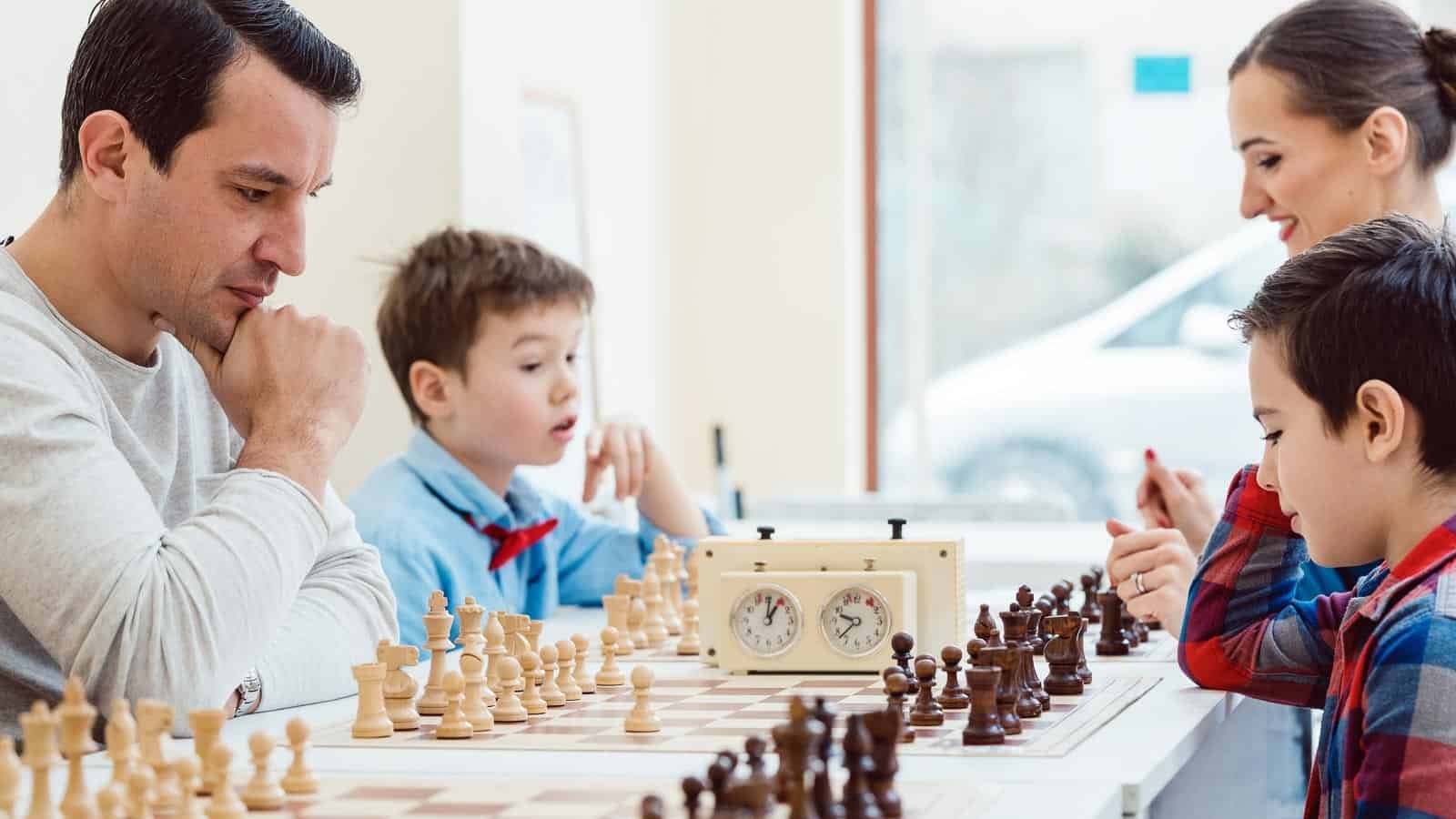
The most effective play on this day is often spontaneous. A board game pulled from a shelf. Cards spread across the table. Building something together without instructions. These moments invite participation without obligation.
Why Adults Benefit From Play Just as Much as Children
Adults often underestimate how depleted they are by the holidays. Hosting, coordinating schedules, managing expectations, and absorbing family dynamics all take emotional energy.
Play allows adults to step out of those roles. When adults play, they are no longer managing or directing. They are participating. That shift is deeply restorative and often contagious.
How Shared Play Changes Family Dynamics
When families play together, hierarchies soften. Parents stop instructing. Children stop performing. Everyone meets on more equal ground.
This shift creates moments of genuine connection. Laughter emerges naturally. Small conflicts dissolve. Play creates a shared experience that does not need to be discussed to be meaningful.
Why Play Feels Different on December 26 Than Any Other Day
Play during the rest of the year often competes with time limits. There is always something next. On December 26, time feels less urgent.
This lack of urgency changes how play unfolds. Games run longer. Conversations wander. No one is watching the clock. The experience feels expansive rather than contained.
Letting Play Be Imperfect and Unfinished
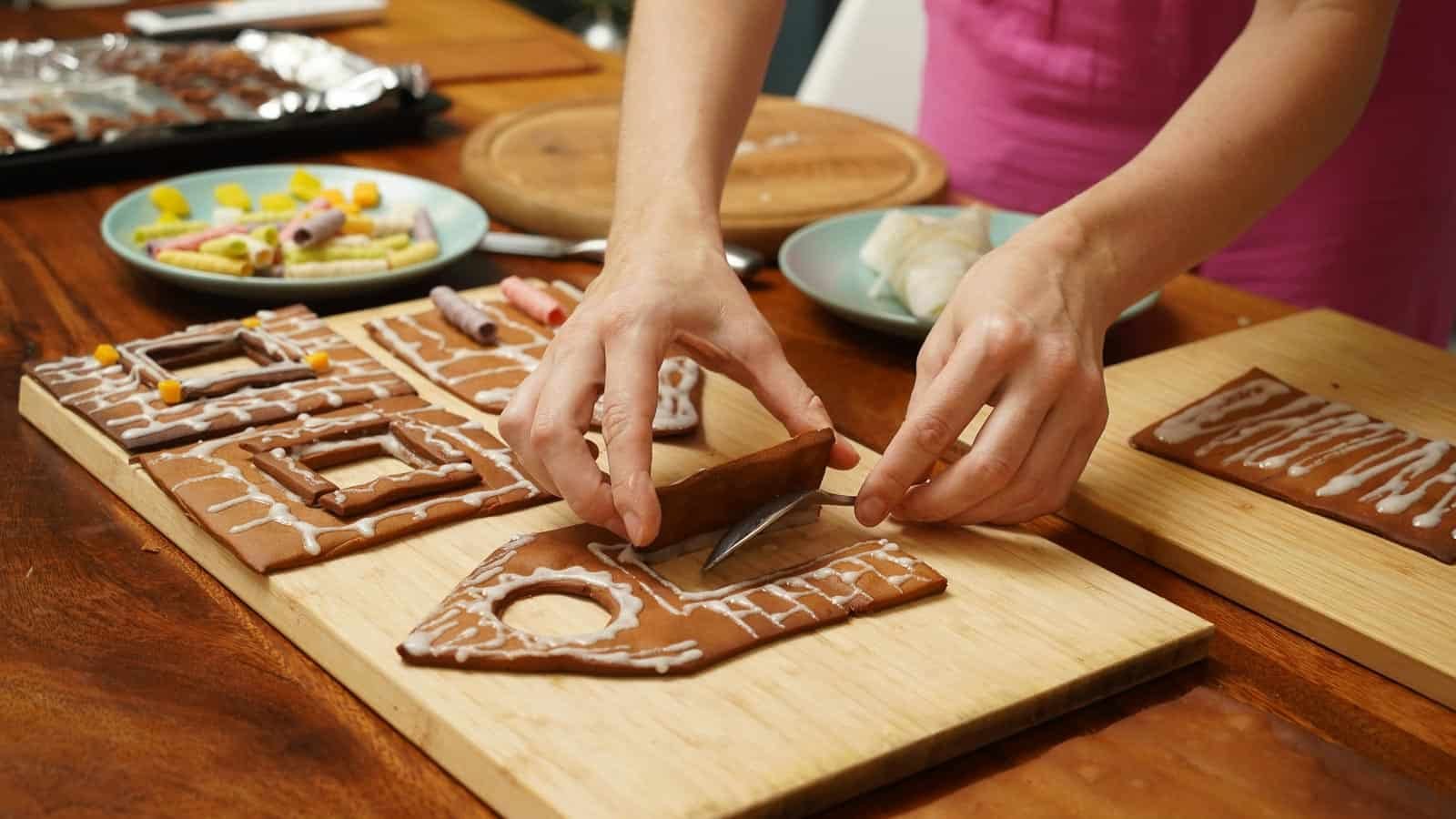
One of the gifts of December 26 play is that it does not need to be completed. A puzzle can be left half finished. A game can stop mid-round. Nothing needs closure.
This unfinished quality removes pressure and allows play to remain light. It becomes about the moment rather than the outcome.
The Role of Laughter in Post-Holiday Recovery
Laughter is a powerful regulator. It releases tension, builds connection, and shifts perspective. After the holidays, laughter often comes easiest during play.
Shared laughter reminds families that they enjoy one another. It cuts through fatigue and resets emotional tone without effort.
Why Screen Time Feels Different When It Is Shared
Screens often play a role on December 26, and that does not automatically undermine connection. Watching something together can be communal rather than isolating.
The difference lies in presence. When families watch together, comment together, and relax together, screens become part of shared play rather than a retreat from it.
The Value of Physical Play After Emotional Intensity
The holidays often involve long periods of sitting, eating, and socializing. Physical play helps rebalance the body.
This does not need to be athletic or ambitious. A walk, light movement, or casual outdoor activity can help release stored energy and ground emotions.
Why Children Gravitate Toward Play on December 26
Children intuitively seek play when they need regulation. After weeks of excitement and disruption, their bodies and minds crave familiar, flexible engagement.
Play provides safety. It allows children to express emotions without words and process experiences without explanation. December 26 gives them space to do exactly that.
Resisting the Urge to Turn Play Into Learning
Adults often feel tempted to make play productive. Games become lessons. Activities become educational opportunities.
On December 26, play does its best work when it is allowed to be purposeless. Creativity, cooperation, and resilience emerge naturally without being forced.
Protecting Play From Guilt
Many adults feel uneasy prioritizing play when tasks remain undone. This guilt often undermines the experience.
Reframing play as recovery rather than indulgence helps release that guilt. Restoring emotional balance is not avoidance. It is preparation for what comes next.
When Play Becomes Memory Without Trying
The moments families remember most clearly are often unplanned. A joke repeated until it becomes tradition. A game played badly but joyfully. A shared moment of silliness.
These memories form because no one was trying to create them. December 26 play allows that kind of memory to emerge naturally.
Choosing Play Over Perfection
Perfection is exhausting. The holidays often reinforce the idea that things need to look a certain way. December 26 offers a chance to let that go.
Choosing play over perfection sends a powerful message. It says that presence matters more than polish and connection matters more than control.
What a Successful December 26 Really Looks Like
A successful December 26 does not end with a spotless house or a completed to-do list. It ends with everyone feeling a little lighter.
If there was laughter, ease, and shared time, the day did what it needed to do.
Why Play Is the Best Transition Back to Routine
Play creates a bridge between the intensity of the holidays and the return to everyday life. It softens the landing.
Rather than snapping back into structure, families who play together on December 26 carry a sense of connection forward into the days that follow.
Letting December 26 Be What It Wants to Be
December 26 does not need to be fixed, improved, or optimized. It already offers exactly what families need after the holidays.
When families choose play over productivity, they honor the emotional work of the season and give themselves space to recover together.
Family Gatherings Feeling Tense This Year? Here’s My Guide To Keeping The Peace

Holidays can be a time of joy, celebration, and togetherness. However, for many, gatherings bring challenges, especially when politics come into play. If your family or friend group is politically diverse, conversations can sometimes veer into sensitive topics that may lead to tension. Learn more.