What TSA agents first notice as you go through security
Ah, the classic airport security experience, always a little nerve-wracking, even for seasoned travelers! While it can feel like you’re being scrutinized from every angle, TSA agents are trained to be hyper-aware of certain things to keep flights safe.
Stepping up to the checkpoint can feel like a mini interrogation. Boarding pass in hand, ID ready, bag on the belt, and your best “I’m calm, I swear” face locked in. But here’s the kicker: have you ever wondered what TSA agents are actually zeroing in on?
Fun fact: in 2024 alone, TSA screened more than 900 million passengers. With that kind of volume, agents have become masters at spotting anything unusual in a heartbeat. So what grabs their attention first? Let’s look into it.
Behavior & Body Language
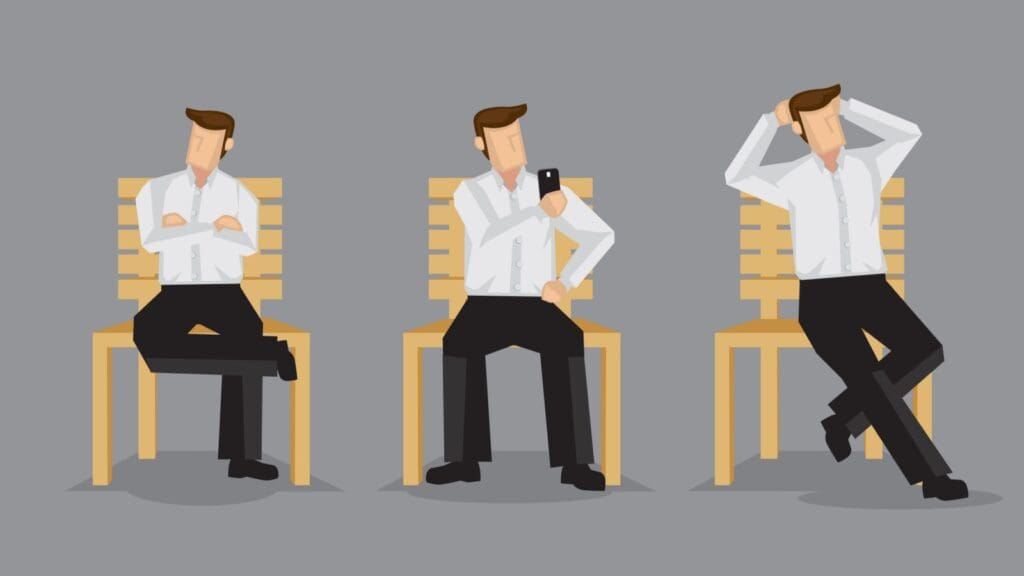
Before anything else, TSA agents are looking at you, not just your bag or your shoes. Yep, that’s right. They’re trained to read people’s behavior. You know how, when you’re nervous, you might tap your foot a little too fast or over-explain something to the agent? Yeah, they notice that. But it’s not just about what you’re doing, it’s how you’re doing it.
TSA agents are pretty good at picking up on any weird vibes. If you’re jittery or acting strange, they’ll probably be more inclined to ask questions. Not that they’re trying to make you sweat (well, maybe a little), but it’s their job to keep things smooth and safe. Ever wonder why you’re asked so many basic questions? It’s not just random; it’s part of profiling for any signs of suspicious behavior.
The ID and Boarding Pass Check
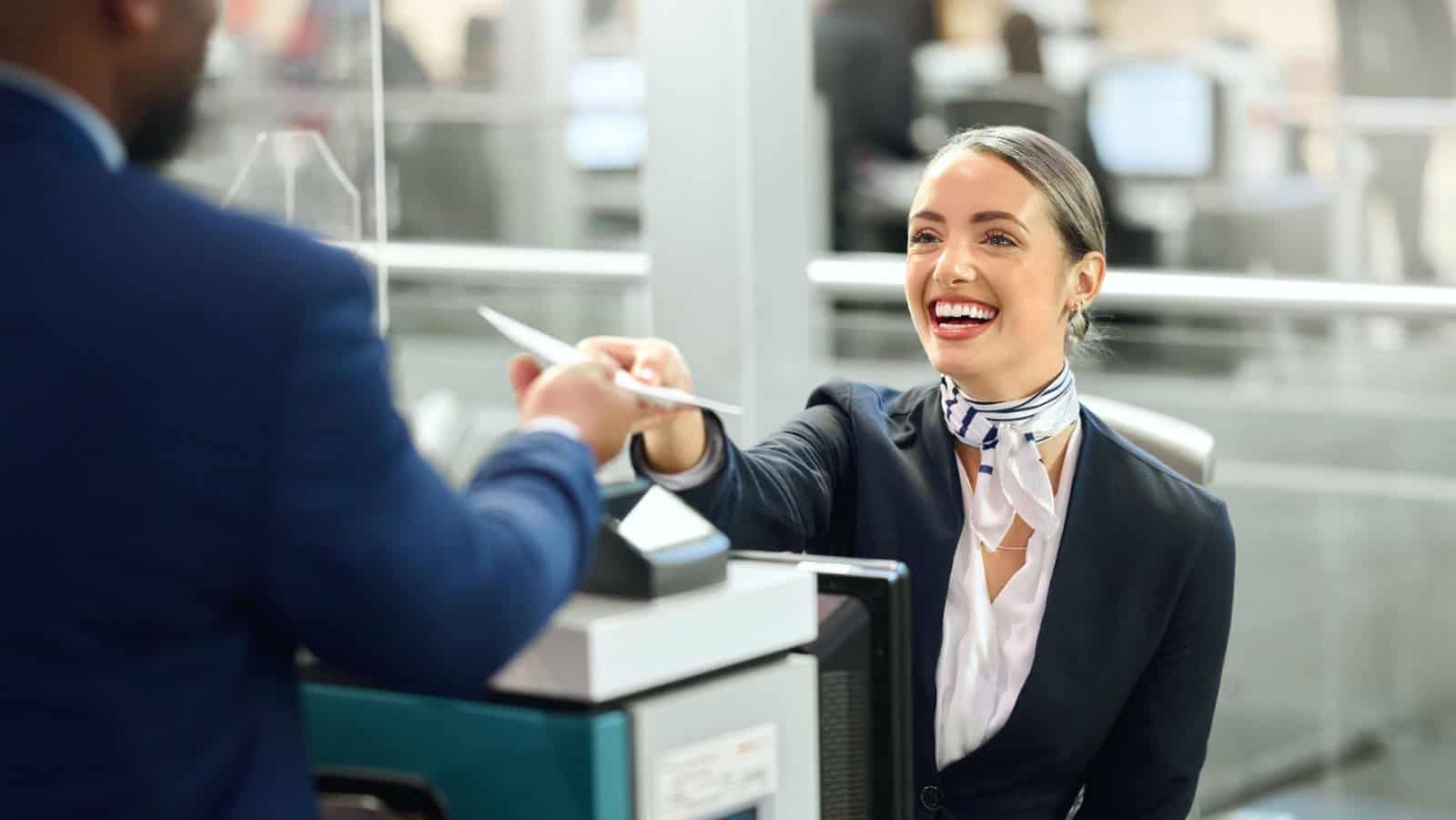
Alright, so you get to the checkpoint. You’ve got your ID and boarding pass ready, right? Or maybe you’re that person who scrambles around for five minutes trying to find it (you know who you are). Either way, TSA agents will first use Credential Authentication Technology (CAT) to verify your documents.
This nifty system scans your ID and boarding pass and cross-references them with the flight information in real time. They’ll make sure the name on your boarding pass matches the ID you show them. And, by the way, they can tell if you’re one of those people who’s been rocking the “I’ve got my passport, but I’m really not sure if it’s expired or not” look. Just make sure it’s valid. Nothing kills your vibe faster than realizing your passport expired six months ago.
Carry-On Bags
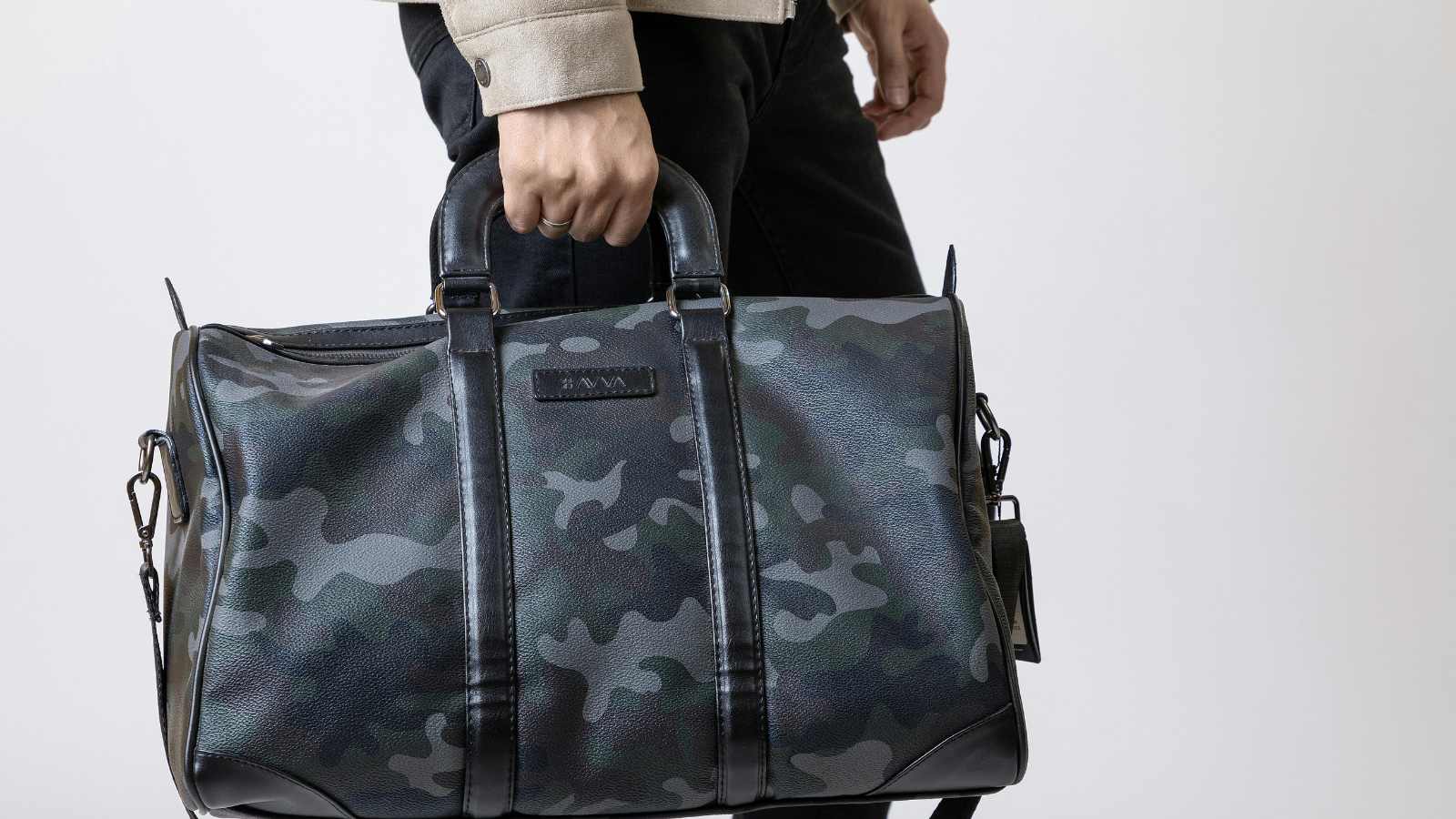
You know those people who try to sneak a carry-on that’s just a little too big to fit in the overhead compartment? Well, TSA has been dealing with this for a long time. If your bag seems like it could hold the contents of your entire closet, chances are, they’ll be pulling it aside to take a second look.
TSA agents are looking at the size and weight of your bag right off the bat. If it looks a bit bulky, you might be asked to remove items and go through the bag for a secondary inspection. Ever had your bag opened in front of you? Yeah, it’s not the most fun experience. You just want to get to your flight, right?
What’s Inside Your Bag?
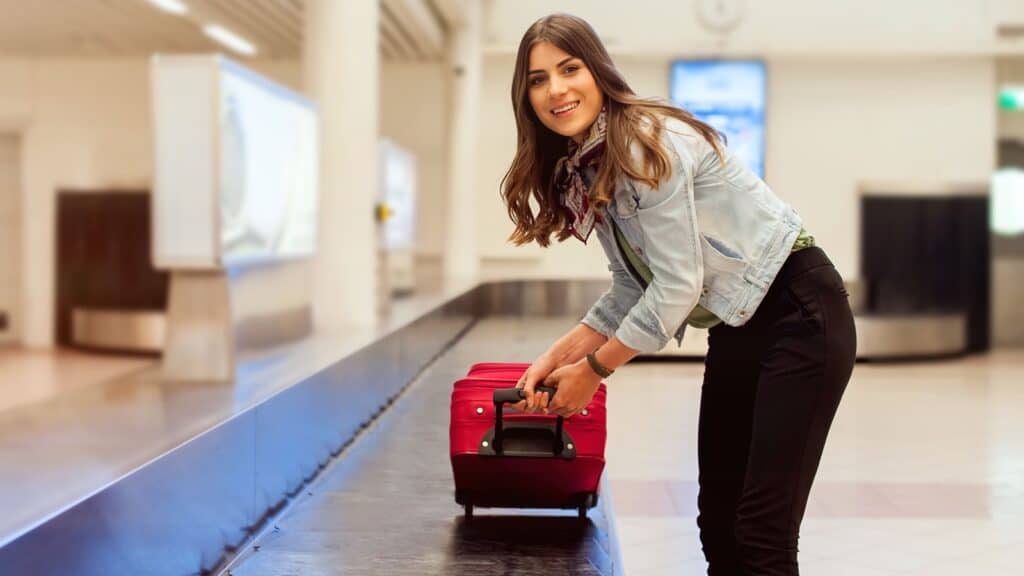
So, you drop your bag onto the conveyor belt, and it slides into the scanner like it’s going off on an adventure. But before it even makes it to the other side, TSA agents are already eyeing your stuff on the screen. They’re looking for anything that could pose a security risk, such as sharp objects, liquids, or suspicious shapes that don’t belong.
Did you know TSA agents are trained to spot bizarre objects? Yeah, like that weird-shaped gadget you brought from the back of your junk drawer or those “interesting” souvenirs you bought on your last trip. If something on the screen looks funny (and let’s be real, airport X-rays always look funny), they’ll give you a friendly tap on the shoulder and ask you to open it up for inspection.
Tip: Always pack what’s necessary for the trip.
Liquid & Gel Check
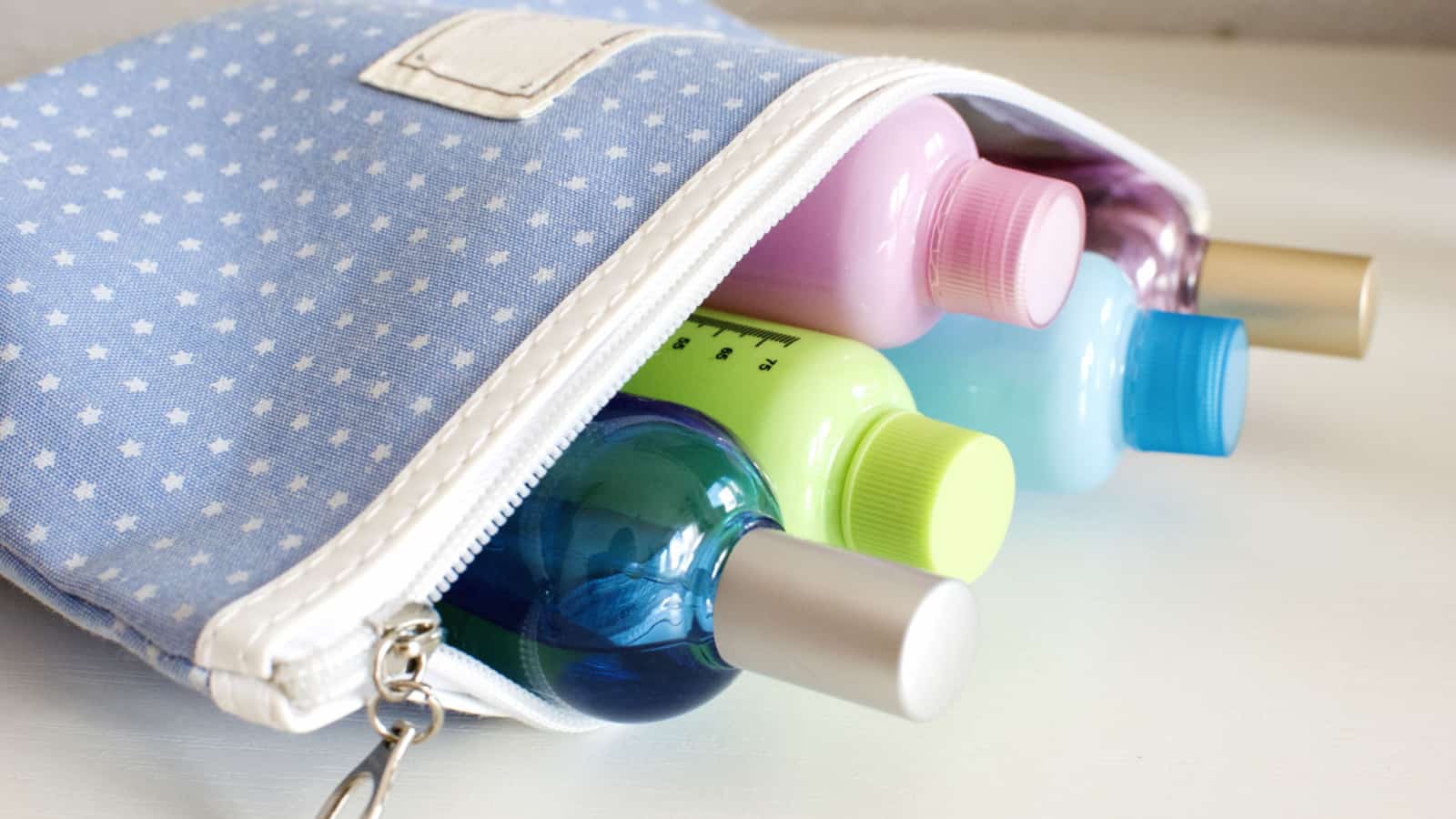
If you travel often, you’ve probably heard this one a million times. But, seriously, don’t try to bring your jumbo bottle of shampoo through security. They are quick to notice if your liquids or gels are not in the correct-sized containers or not in that trusty quart-sized plastic bag, also known as the 3-1-1 rule, according to TSA.
And let’s not even talk about the mess of trying to squeeze a suspiciously large bottle of sunscreen or lotion into that bag, TSA’s not about that life. Side note: If your bag is full of these “travel-sized” liquid heroes and you’ve accidentally gone over the limit, don’t be surprised when they pull it aside for a more detailed inspection.
Shoes and Outerwear

So, remember that one time when you didn’t think you had to take your shoes off at the airport? Maybe you’re lucky enough to have TSA PreCheck, but for the rest of us, TSA agents will definitely ask you to remove your shoes.
Not to mention, anything that seems out of the ordinary with your shoes might get them flagged. Very bulky shoes, boots, platform heels, or shoes with thick soles/compartments are more likely to be examined or swabbed for explosives, as highlighted by CATSA/ACSTA.
FYI: I’ve been there with my oversized combat boots, and let me just say, it wasn’t the smoothest transition through security.
Metallic objets
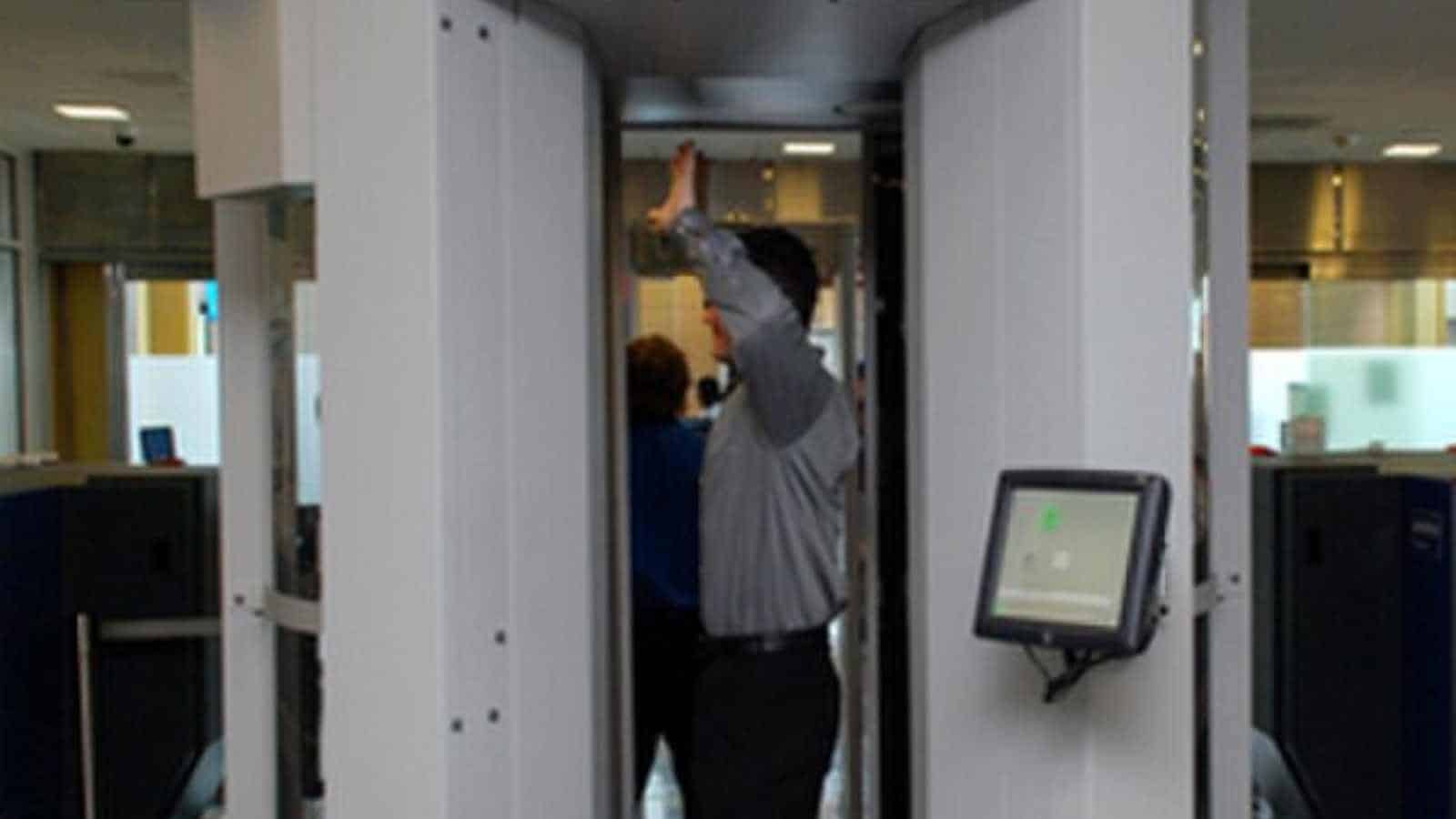
Okay, let’s talk about the body scanner. It’s always a little awkward, right? You’re standing there, and they’re like, “Please raise your arms,” and you’re thinking, Sure, this is normal. The good news is, TSA agents aren’t looking at your body in a personal way; they’re looking for anything unusual on your person. Things like metallic objects, weirdly shaped things in your pockets, or something odd that doesn’t quite make sense.
If you’ve got a random metal object (or, let’s say, a too-tight belt buckle), it could trigger a closer look. Don’t panic, it’s just protocol. They might ask you to step aside for a pat-down. Nothing to be embarrassed about, though. They’re just doing their job.
Electronics
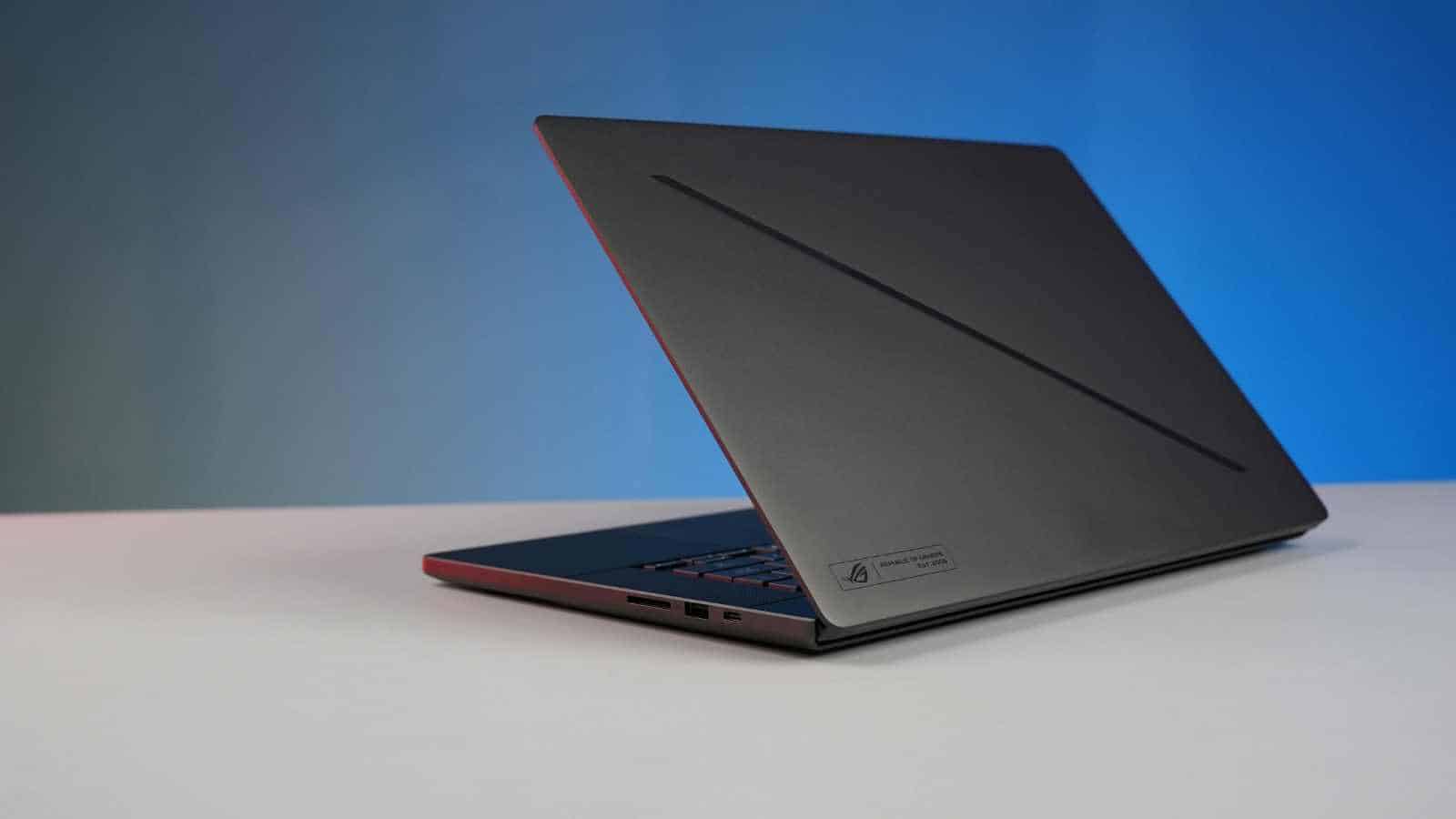
If you’ve got electronics like laptops, tablets, or cameras in your bag, expect them to be flagged for a closer inspection. TSA agents take electronics pretty seriously. They’re all about making sure there’s nothing suspicious hiding inside your tech (because, let’s face it, who hasn’t tried to stash something weird in their laptop bag?).
So, don’t be surprised if they ask you to pull everything out and put it in a separate bin for a clearer scan. It’s all part of the routine to ensure things are legit and nothing’s lurking in that shiny new tablet you just bought. Just take a deep breath and follow the instructions, you’ll be through in no time!
Tip: Only bring essential electronic devices, as Brown University suggests.
Key Takeaway
First and foremost, TSA agents are primarily focused on keeping you and everyone else safe. They’re not just randomly picking people to hassle; they’re trained to spot anything unusual and quickly identify potential threats. From scanning your documents to checking your bag’s contents, every step of the process is designed to keep air travel as secure as possible. So, if you get a random question or are asked to pull out your electronics for inspection, don’t take it personally—it’s all part of the system to ensure everything’s good to go.
The 3-1-1 rule (3.4 ounces per container, 1 quart-sized bag, 1 bag per passenger) is a TSA staple that you’ll want to have down pat before heading to the checkpoint. The agents are very strict about this rule and quick to spot violations. If your liquids or gels aren’t packed correctly, you’ll have to either toss them or re-pack. So, take a few extra minutes to make sure your shampoo, lotion, or whatever else is within the allowed limits. It’ll save you the headache of last-minute disposal or delays at the security line.
Electronics are a big deal at airport security, and TSA agents don’t mess around when it comes to making sure nothing hidden is inside your gadgets. If you’ve got laptops, tablets, or cameras in your bag, you’ll likely be asked to take them out and place them in a separate bin. It might seem like a hassle, but it’s all about making sure your tech is safe for travel. Just follow the instructions, stay cool, and know that it’s just part of the process to keep the skies safe.
Disclosure line: This article was written with the assistance of AI and was subsequently reviewed, revised, and approved by our editorial team.
Coffee and Kidney Health: Risks, Benefits, and What Studies Say

Coffee and Kidney Health: Risks, Benefits, and What Studies Say
The evidence shows that moderate coffee consumption is safe and may even protect kidney health. Problems arise from excessive caffeine, inadequate hydration, and the presence of sugary additives.
The Superfoods That Boost Energy and Mood

The Surprising Superfoods That Boost Energy and Mood
We all have those days when our energy feels low and our mood takes a dip. Instead of reaching for another cup of sugary coffee or an energy drink, the answer might be sitting right on your plate.
Some people are turning to wellness-focused blends that offer a smoother, longer-lasting boost.