Why border security is part of the Winter Games story
The Games look like pure celebration on TV, but moving the world’s athletes across borders turns immigration policy into an invisible teammate.
Every Winter Olympics arrives wrapped in familiar imagery: snow-covered mountains, flags from around the world, athletes hugging at finish lines, and stories of people who have trained their entire lives for a few fleeting minutes of competition. The Olympics sell us a hopeful narrative about global unity. Yet behind the scenes, the event is one of the most complicated logistical and security undertakings on Earth, and that reality has increasingly pulled immigration policy and border enforcement into the Olympic conversation.
In recent cycles, discussion has grown around whether U.S. immigration enforcement agencies, including Immigration and Customs Enforcement personnel, play advisory or cooperative roles in international security efforts tied to global events. The very idea feels jarring when placed next to images of figure skating and downhill skiing, but it reflects how intertwined global travel, security policy, and politics have become.
The modern Olympics are no longer simply sporting competitions. They are geopolitical events requiring unprecedented coordination among nations, law enforcement agencies, and intelligence services. Tens of thousands of athletes, staff, journalists, and spectators cross borders within a matter of weeks. Every delegation involves visa processing, security screening, and immigration oversight, all under intense time pressure.
The presence of immigration enforcement in these conversations raises complex questions about what safety entails at a moment intended to celebrate international unity.
The Olympics Are Now a Massive Security Operation

It is easy to forget that the Olympics now function almost like temporary global cities. Entire transportation systems are reworked. Airports experience surges of international arrivals. Thousands of temporary workers must be vetted. Security teams must prepare for emergencies that range from weather disasters to cyberattacks.
In this context, immigration authorities possess valuable expertise. They handle cross-border travel data, fraud detection, trafficking networks, and identity verification daily. For host countries, cooperation with international partners can help flag risks before they materialize.
Security planning often begins years in advance, long before athletes qualify. Agencies exchange intelligence, coordinate crisis response, and establish protocols for emergency evacuations or travel disruptions. None of this appears on television, yet it forms the backbone of modern Olympic operations.
Why Immigration Enforcement Sparks Controversy
Immigration enforcement agencies, particularly in the United States, are strongly associated with politics. For many Americans, these agencies are linked to family separation stories, asylum debates, and immigration raids. Bringing those associations into an Olympic context creates emotional friction.
Critics argue that enforcement agencies contradict the spirit of openness the Games claim to represent. Supporters counter that ignoring modern security threats would place athletes and spectators at risk. Both views emerge from legitimate concerns.
The Olympics promise unity, but they exist within political systems shaped by national laws and international tensions. Immigration policy cannot simply disappear for the sake of symbolism.
The Reality of Global Movement
The Olympics compress global movement into a short window. Athletes, coaches, medical teams, broadcasters, sponsors, and fans all travel simultaneously. Visa approvals must move quickly. Documentation errors become urgent crises. Lost passports or bureaucratic delays can derail participation.
Immigration agencies, whether visible or not, are central to these logistics. Their work determines whether people cross borders smoothly or encounter obstacles. Most of the time, viewers do not notice because travel proceeds quietly.
Problems surface only when something goes wrong.
Athletes Rarely See This Side
For athletes, the Olympic experience revolves around performance, not politics. Training dominates their lives. Funding struggles, injuries, and qualification pressure consume their attention. Security policy feels distant until travel complications suddenly threaten competition.
Many athletes rely on federations or teams to handle paperwork, only discovering how fragile those systems are when delays occur. A visa processed late, or sudden travel restrictions imposed, can end years of preparation overnight.
The public rarely sees how many careers hinge on bureaucratic timing.
Balancing Safety and Symbolism
Host countries must walk a narrow line. Security must be visible enough to reassure participants but not so overwhelming that the Games feel militarized. Immigration enforcement involvement must remain practical rather than political.
Communication matters enormously. When authorities explain cooperation clearly, emphasizing intelligence-sharing rather than enforcement actions, public anxiety often decreases. Transparency helps prevent misinformation from filling the gaps.
Still, debates persist because immigration remains one of the most emotionally charged topics in many countries.
How Travel Has Changed in the Modern Era

International travel has become increasingly complex in recent decades. Pandemic restrictions, evolving visa policies, geopolitical tensions, and security concerns all influence the ease with which people can move across borders.
The Olympics magnify these realities. The event demands rapid mobility while governments move cautiously on border policy. The result is tension between efficiency and security.
Audiences watching from home rarely consider these dynamics, yet they shape the event’s success.
The Invisible Infrastructure Behind the Games
Viewers tune in to watch snowboarding tricks and hockey rivalries, but they are witnessing the final product of enormous coordination. Airlines, customs officials, local police, international agencies, and immigration authorities all play roles behind the scenes.
The Olympic spectacle depends on systems functioning smoothly enough to remain invisible. When those systems fail, headlines shift from medals to logistics.
The presence of immigration enforcement in Olympic planning reflects a broader truth: global events reveal the infrastructure that enables modern travel.
The Olympics and Political Reality
The Olympics have always intersected with politics, from boycotts to protests to symbolic gestures on podiums. Immigration debates are simply the latest expression of that relationship.
The challenge going forward will be maintaining the Games’ message of connection while acknowledging geopolitical realities. Nations must secure their borders while welcoming the world, a balance that grows more difficult as global tensions rise.
The conversation surrounding immigration enforcement at major events will likely continue. What matters most is ensuring that athletes and spectators remain safe while preserving the spirit of international cooperation that the Olympic Games purport to celebrate.
Behind every polished opening ceremony lies a complicated network of decisions, negotiations, and policies. The Olympics promise unity, but achieving that promise in the modern world requires navigating political realities that cannot simply be wished away.
What TSA Agents First Notice As You Go Through Security
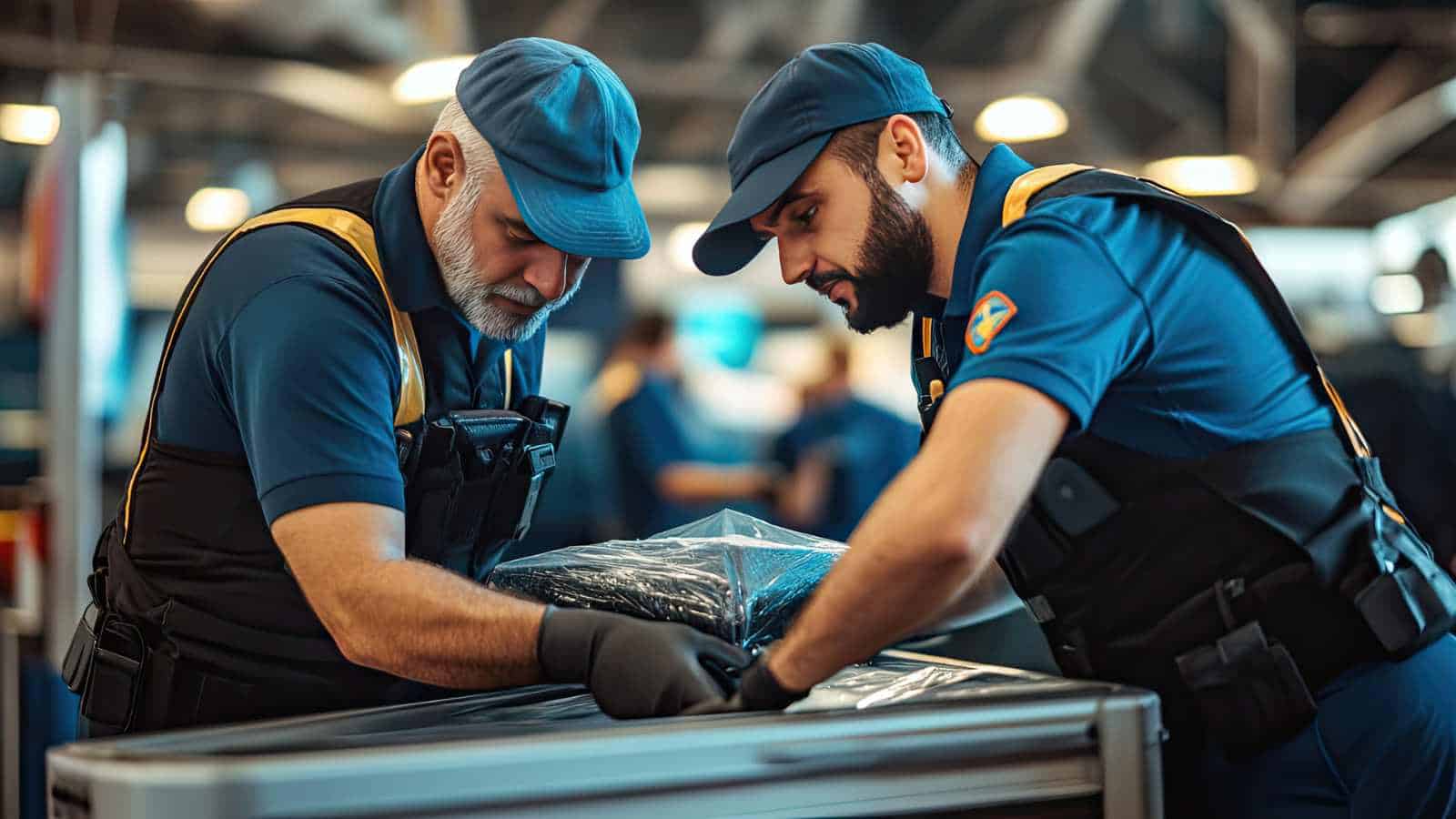
Ah, the classic airport security experience, always a little nerve-wracking, even for seasoned travelers! While it can feel like you’re being scrutinized from every angle, TSA agents are trained to be hyper-aware of certain things to keep flights safe.
Approaching the checkpoint can feel like a mini interrogation. Boarding pass in hand, ID ready, bag on the belt, and your best “I’m calm, I swear” face locked in. But here’s the kicker: have you ever wondered what TSA agents are actually zeroing in on? Learn more.