Why don’t we treat the U.S. women’s national team like four-time champions?
This summer, the United States men’s national soccer team is hosting a World Cup on home soil, in a 48-team field built for spectacle, with cities from Los Angeles to Seattle staging watch parties for a team that has never won the tournament.
Meanwhile, the United States women’s national team, which has won the Women’s World Cup four times, more than any other country, is mostly offstage. Trinity Rodman threw out a ceremonial first pitch at a Mariners game. Lindsey Heaps served as an honorary co-captain for one match. A former NWSL player became the first to call play-by-play color commentary for a men’s World Cup broadcast. These are warm gestures, not parity.
The men are having their moment on the largest stage the sport has ever built in this country, while the most decorated team in American soccer history, of either gender, watches from the wings of its own sport’s biggest party.
What actually changed, and what didn’t

It would be easy to assume this is still a story about unequal pay, because that was the defining fight of the last decade. It isn’t anymore, at least not on paper.
After a federal discrimination complaint, a class-action lawsuit, and a $24 million settlement, U.S. Soccer signed collective bargaining agreements in 2022 that gave the men’s and women’s teams identical economic terms: the same per-game bonuses, the same World Cup bonus pool split, and the same revenue share from tickets and sponsorships.
The agreements, which run through 2028, achieve equal pay through identical economic terms, including identical compensation for all competitions and the same commercial revenue-sharing mechanism for both teams. On the spreadsheet, the fight is over.
Equal pay settled the question of what each team earns per win. It did nothing to settle the much larger question of which team gets the infrastructure, the broadcast windows, and the cultural oxygen of a moment like this one.
Even the men’s own ticket sales tell a complicated story: the USMNT’s World Cup opener against Paraguay reportedly fell thousands of tickets short of a sellout, with no tickets available for less than four figures. The men are filling stadiums, albeit imperfectly, and still commanding the news cycle. The women, by most commercial measures, are doing better with less.
The numbers nobody expected
The NWSL, the domestic league that feeds the USWNT, is in the middle of a financial run that has startled even people who track sports franchises for a living. Franchise entry fees climbed from a two-million-dollar expansion price for San Diego in 2021 to over a hundred million for Denver, and the league’s seventeenth franchise sold for an even higher figure.
League-wide revenue multiples, the metric bankers use to price a franchise against its earnings, jumped from 5.2 times revenue in 2022 to 6.8 times in 2024, with projections near 9.8 times for 2026, putting the NWSL on a trajectory toward valuation parity with MLS.
The audience growth is just as striking. Postseason attendance for the NWSL rose 11% in the most recent season, with nearly 1.2 million people watching the championship games, up 22% year over year and including a 70% jump in viewers aged 18 to 34.
This is the contradiction at the center of the headline. The team with more World Cup titles, the deeper bench of recognizable stars, and a domestic league that investors are currently fighting over is not the team U.S. Soccer’s biggest moment of the decade is built around.
Why the gap persists even after equal pay
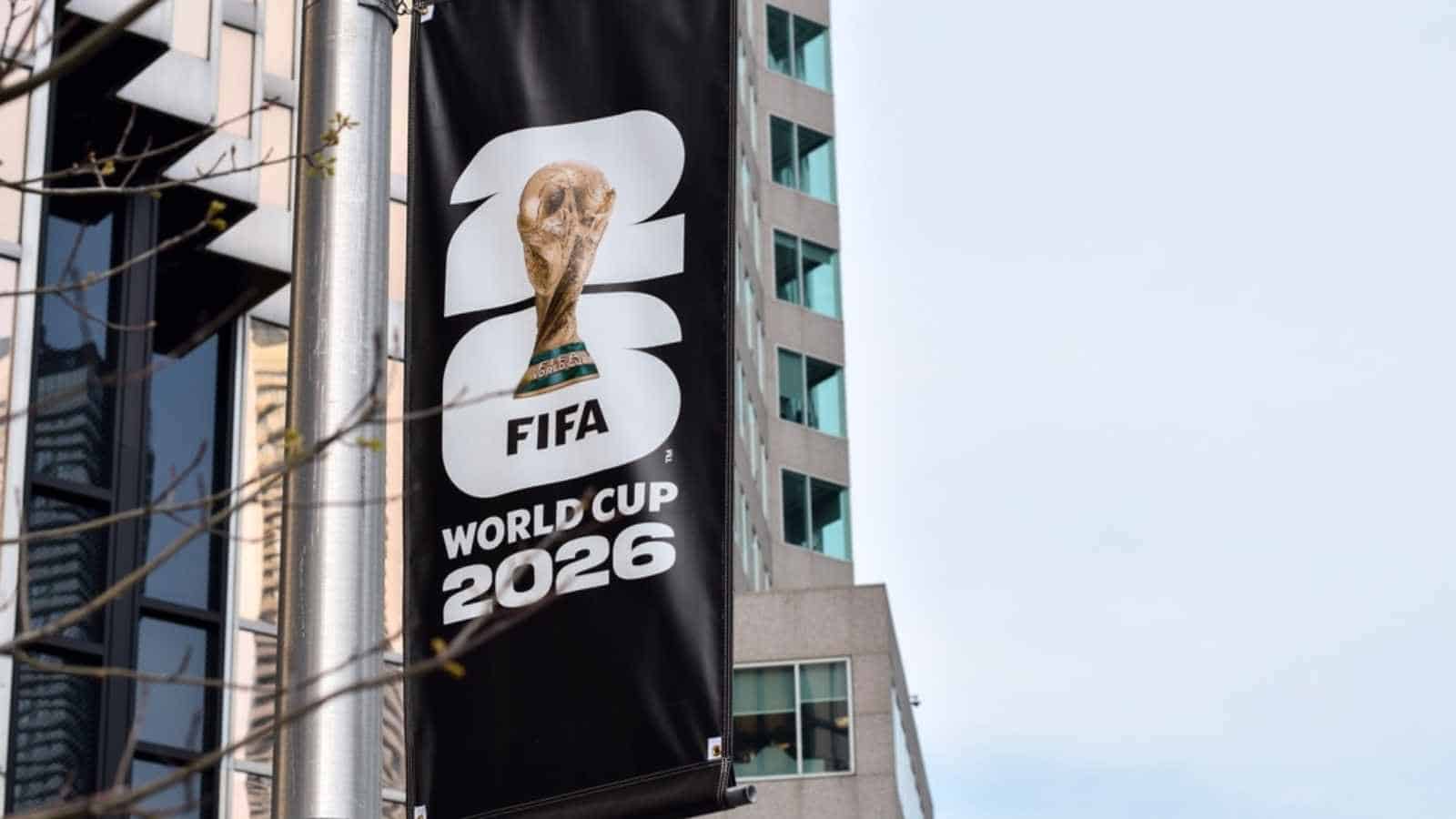
The 2026 World Cup exists because of decisions made roughly a decade ago, when FIFA awarded the hosting rights to the United States, Canada, and Mexico. That timeline was never going to align with the women’s calendar, since the next Women’s World Cup falls in 2027. A man’s national team gets to host the flagship event this year by scheduling accident, not because anyone weighed the two programs and decided the men deserved it more.
But scheduling alone does not explain why the cultural instinct, the default assumption among casual fans and even some media coverage, still treats men’s soccer as the “real” national team story and women’s soccer as the bonus content.
Part of that instinct has been fed by misinformation for years: a widely circulated but false claim held that the Women’s World Cup generates only $131 million in revenue against $6 billion for the men’s tournament, a comparison FIFA itself has said is impossible to make because it bundles broadcast and sponsorship rights for all of its events together. The myth outlived the correction, the way myths do, and it quietly justified a hierarchy that the actual trophy case does not support.
The USWNT players took control of their own licensing and sponsorship rights back in 2017, building an independent commercial arm rather than letting the federation negotiate on their behalf, while the men left that work to U.S. Soccer. The women bet on themselves earlier and built a self-sustaining commercial identity that does not depend on the federation’s marketing priorities.
What this reveals about how success gets recognized
Recognition in American sports culture tracks with infrastructure: the tournament that already exists, the broadcast deal that already exists, the decade of cultural momentum that already exists.
The men’s team inherited a stage. The women’s team built one.
Built success, the kind that comes from a team and a league creating demand where none was guaranteed, often gets less institutional credit than inherited success.
Why the trophy case isn’t the deciding factor
The more useful question is not why the men got this moment. It is why a team with four World Cup titles and the fastest-growing young fanbase in American sports still needs a moment handed to it rather than simply being recognized as the standard against which the sport is measured.
Equal pay solved the line item. It did not solve the instinct that decides, year after year, whose tournament counts as the big one.
Disclaimer – This list is solely the author’s opinion based on research and publicly available information. It is not intended to be professional advice.
Like our content? Be sure to follow us.