Why many people believe in other gods, and not God
America isn’t just losing religion; it’s rapidly rebuilding it around gods, spirits, and systems once thought long buried.
The American religious outlook is undergoing a massive shift that goes far beyond simple atheism or agnostics turning away from faith entirely. Millions are actively embracing ancient deities, nature spirits, and diverse spiritual pantheons that offer a fresh sense of connection. This movement reflects a deep hunger for personal meaning that traditional monotheism often fails to satisfy in the modern age.
Observers note that this transition is not just about rejecting the biblical God but about finding new paths that resonate with contemporary values. People are looking for spiritual systems that honor the earth, empower individuals, and offer flexibility in how they worship. As the religious demographic fractures, the rise of alternative faiths has become one of the most significant cultural stories of our time.
The Search For Personal Autonomy

Many believers today prefer a spiritual path that allows them to define their own rules rather than following a strict, pre-written dogma. A study by the Springtide Research Institute found that 71% of Gen Z identify as slightly spiritual. This desire for independence drives them toward pantheons where they can choose deities that align with their personal goals.
Gods from Norse, Greek, or Celtic traditions often represent specific human traits such as courage, wisdom, or love, allowing for a more personalized connection. Practitioners feel empowered because they are building a relationship based on mutual respect rather than subservience to a single authority. This autonomy makes spirituality feel like an active partnership rather than a passive obligation to a distant ruler.
Finding Divinity In The Natural World

The concrete jungles of modern life have left many Americans craving a tangible connection to the earth and its cycles. According to a Pew Research Center report, 57% of American adults now believe that animals can have spirits. This animistic worldview naturally leads people toward earth-based religions that honor elephants, cows, dogs, and gods of the forest, ocean, and sky.
These spiritual paths view the planet not as a resource to be used, but as a living, breathing entity that commands reverence and protection. Worshipping nature deities creates a direct link between a person’s spiritual practice and their environmental concerns. It transforms climate awareness into a sacred duty, making every walk in the woods a form of prayer.
Reclaiming Ancestral Heritage

For a growing number of Americans, turning to “other gods” is actually a way of returning home to their specific cultural roots. Individuals are digging into their genealogy to revive the pre-Christian practices of their African, European, or Indigenous ancestors. This reclamation process offers a profound sense of identity that a universalized monotheistic faith often cannot provide.
Honoring the gods of one’s ancestors is a powerful way to heal historical wounds and bridge the gap to the past. It transforms religion from a generic Sunday activity into a deeply personal lineage connecting the living with the dead. This approach creates a spiritual anchor that feels authentic and distinct to their family history.
The Problem Of Exclusive Truth
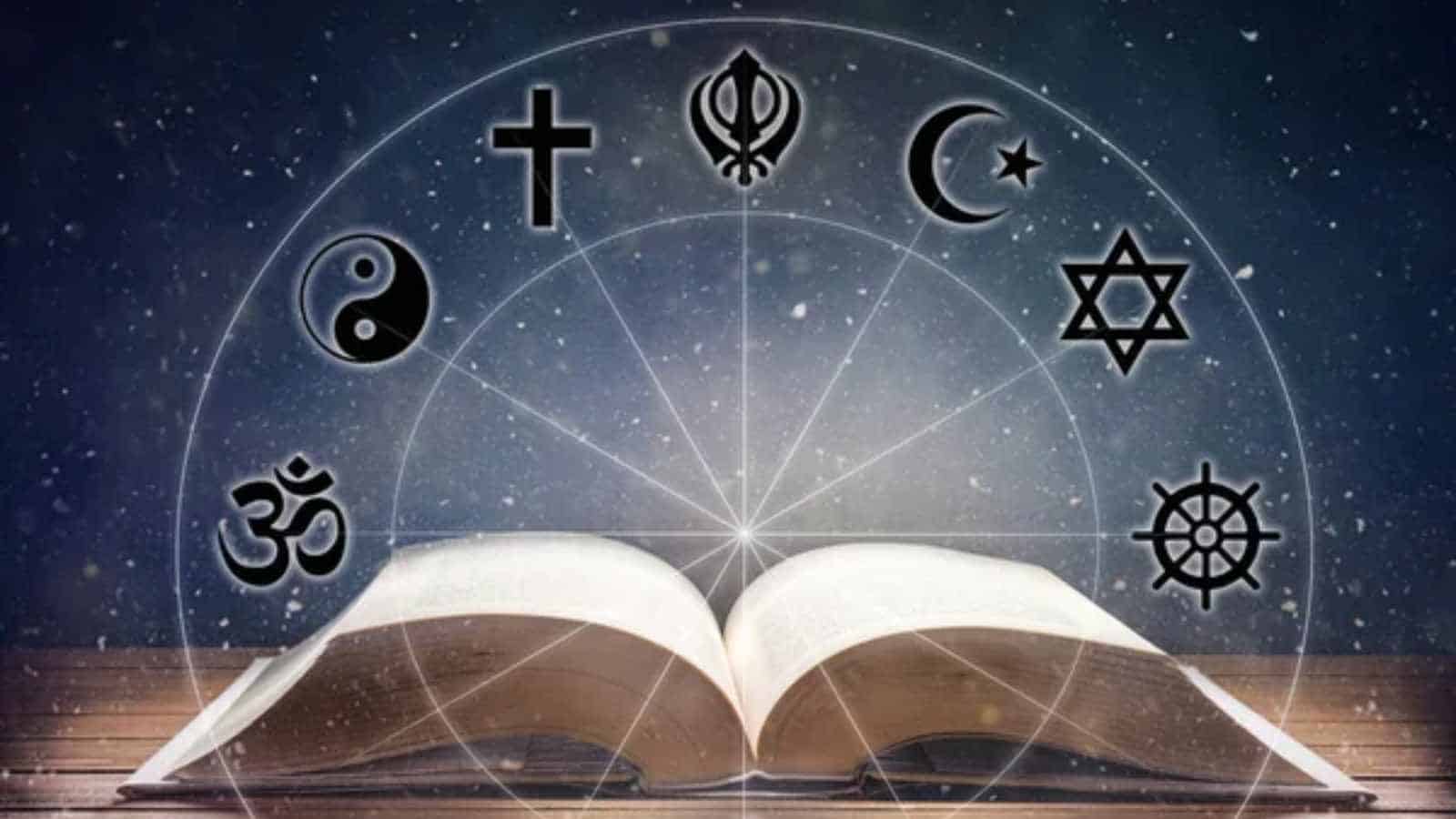
In a globalized society, the idea that only one religion holds the monopoly on truth sits uncomfortably with many open-minded people. Data from a 2025 Pew Research Center survey reveals that 48% of U.S. adults believe that many religions may be true, rejecting the idea of a single valid path. This inclusivity makes polytheistic systems, which naturally accept the existence of multiple divine beings, highly attractive.
Believing in multiple gods allows a person to validate others’ spiritual experiences without feeling threatened or wrong. It fosters a worldview where different truths can coexist peacefully, mirroring the diversity we see in the human population. This flexibility is a major draw for those who find strict monotheism too rigid or exclusionary.
Empowerment Through Modern Witchcraft

The archetype of the witch has evolved from a symbol of fear into a powerful icon of feminist resistance and personal agency. National Geographic reported that, in recent years, at least 1.5 million people in the U.S. identify as Pagans, a massive jump from just 134,000 in 2001. This surge is largely fueled by younger generations seeking practices that offer tangible tools for changing their reality.
Modern witchcraft and Paganism often emphasize the individual’s ability to shape their destiny through ritual and intention. These practices provide a sense of control in a chaotic world, allowing practitioners to take charge of their own spiritual narratives. It appeals to those who want to be active participants in their faith rather than passive observers.
Disillusionment With Institutions

Trust in large, organized religious bodies has eroded significantly due to scandals, political entanglements, and perceived hypocrisy. The 2024 PRRI Census of American Religion highlights this trend, noting that the percentage of religiously unaffiliated Americans has reached a new peak of 28%. As people leave the pews, they often carry their belief in the supernatural with them, directing it toward less institutionalized deities.
These independent spiritual paths lack the heavy baggage of centralized power structures and the corruption that often comes with them. Believers can focus entirely on their personal connection to the divine without worrying about funding a bureaucracy. It offers a purer, more direct form of worship that remains untainted by human politics.
Making Sense Of Chaos

The concept of a single, all-powerful, and benevolent God often clashes with the reality of a world filled with random suffering and chaos. Polytheism offers a logical alternative in which different gods have different agendas, which helps explain why the world is unpredictable. It suggests that the universe is a complex interplay of forces rather than a master plan by a single architect.
This worldview can be strangely comforting because it does not require mental gymnastics to justify why bad things happen to good people. It accepts conflict as a natural part of the cosmic order rather than a failure of divine goodness. For many, this offers a more realistic framework for processing tragedy and struggle.
Healing From Religious Trauma

For those who have experienced judgment, fear, or abuse in high-control religious environments, the old God often represents pain. Moving toward alternative deities allows survivors to keep their spirituality alive while severing ties with the source of their trauma. It is a way to step out of a rigid system without abandoning the concept of the sacred altogether.
These new paths often emphasize love, acceptance, and self-worth, acting as a balm for previous spiritual wounds. The focus shifts from avoiding sin and punishment to cultivating personal growth and inner peace. This therapeutic approach to religion is a primary driver for people leaving fundamentalist backgrounds.
A Community Of Misfits

Alternative spiritual communities often attract those who have felt marginalized or rejected by mainstream society. These groups tend to be incredibly welcoming to individuals who don’t fit the traditional mold. Finding a coven or a circle provides a “chosen family” that offers deep emotional support and belonging.
The shared experience of being an outsider creates a strong bond among members of these minority faiths. They build networks of mutual aid and acceptance that are difficult to find in more conservative religious settings. For many, this sense of community is just as important as the beliefs themselves.
The Appeal Of The Divine Feminine
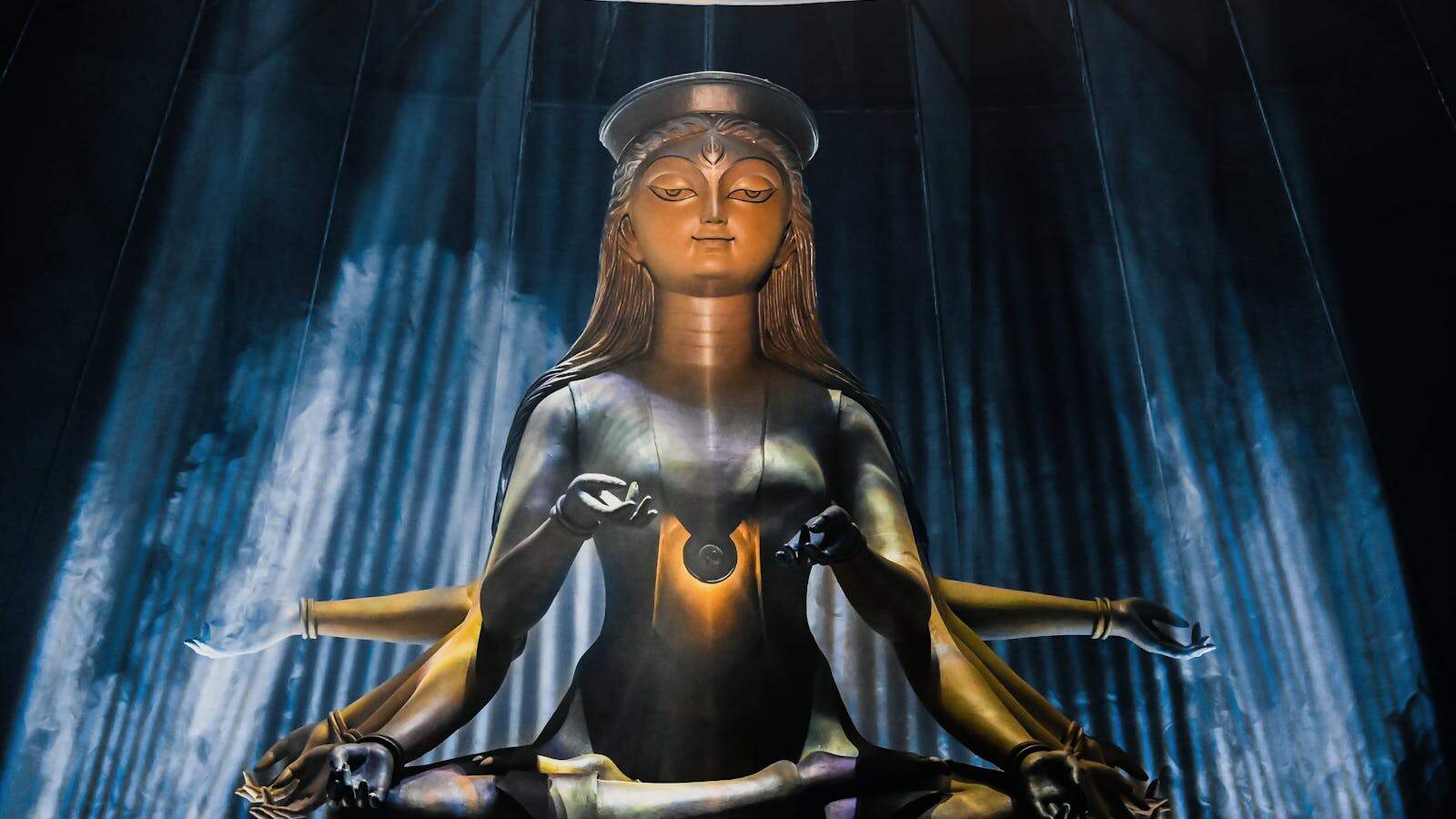
Mainstream Western religion has historically presented the divine in overwhelmingly masculine terms, leaving a significant void for half the population. Many are turning to Goddess worship to find spiritual figures that reflect their own experiences of womanhood, motherhood, and strength. Deities like Isis, Athena, or Freyja offer models of feminine power that are absent in patriarchal traditions.
This shift is not just for women; many men also find balance in acknowledging a feminine aspect of the divine. Incorporating Goddess worship creates a more holistic view of the universe that honors both masculine and feminine energies equally. It provides a spiritual completeness that strict monotheism often lacks for these seekers.
15 Things Women Only Do With the Men They Love

The 15 Things Women Only Do With the Men They Love
Love is a complex, beautiful emotion that inspires profound behaviors. We express our love in various ways, some universal and others unique to each individual. Among these expressions, there are specific actions women often reserve for the men they deeply love.
This piece explores 15 unique gestures women make when they’re in love. From tiny, almost invisible actions to grand declarations, each tells a story of deep affection and unwavering commitment.