Why more Americans are leaving church without leaving spirituality behind
Have you noticed something strange about American spirituality?
Church pews may be getting quieter in some communities, but spirituality itself hasn’t disappeared. Instead, more Americans are exploring meditation, astrology, tarot, nature, prayer, wellness and other practices on their own terms.
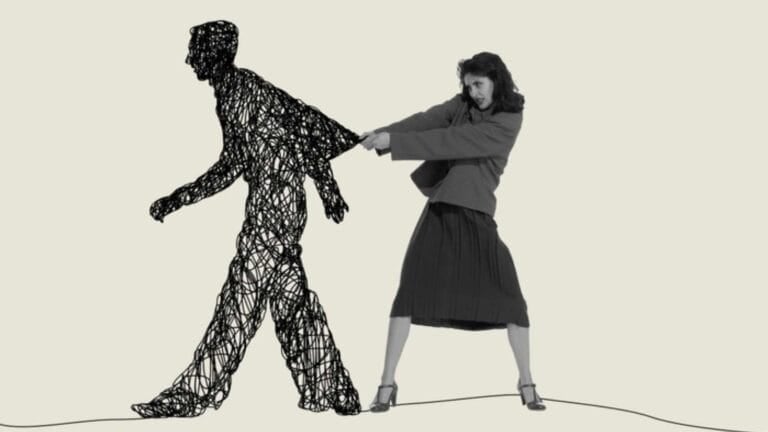
In other words, some people aren’t walking away from spirituality—they’re walking away from the institution.
For some, traditional religious teachings no longer fit their personal values. Others are frustrated by politics, distrust religious leaders, or simply don’t feel that a weekly service speaks to modern life. And social media has made alternative spiritual practices easier than ever to discover.
So what is really driving this shift—and why are so many people choosing to build their own spiritual path instead?
Traditional dogmas clash with modern personal values
Ancient doctrines hit a major roadblock when they clash with modern ethical standards. Many young Americans feel that rigid church expectations stifle their personal growth.
Departures occur because institutional rules conflict with the “sanctity of the individual.” When a church demands total obedience over personal integrity, modern seekers choose their own values every single time.
Rigid stances on LGBTQ+ rights are driving people out
For many former churchgoers, a lack of basic inclusion is the absolute final straw. The exclusionary rhetoric coming from some pulpits simply doesn’t align with the compassionate values of younger generations. If a spiritual community doesn’t offer unconditional love to everyone, modern seekers will find a community that does.
Partisan politics have poisoned the sanctuary
Walking into a house of worship shouldn’t feel like walking into a political rally. The extreme political entanglement of American Christianity has alienated millions who just want a peaceful escape from the daily noise.
The data shows 51% of political liberals now claim no religion at all, a massive jump from just 27% in 2007. When faith becomes a partisan weapon, it loses its sacred spark and drives everyday people out the door.
Leadership scandals have shattered institutional trust
Trust is incredibly hard to build but incredibly easy to lose, especially in church. A steady stream of high-profile controversies has led many to wonder whether religious institutions have lost their moral compass.
With 49% of religiously unaffiliated Americans citing distrust of religious leaders as a key reason for leaving, old churches have a massive credibility crisis.
Seekers are building a customized DIY faith
Why buy the whole album when you can just stream your favorite songs? Instead of accepting a rigid, pre-packaged set of beliefs, Americans are curating their own spiritual journeys.
This “DIY faith” lets people combine meditation, yoga, and prayer on their own terms. By treating spirituality like a menu of choices, people get all the peace without any of the institutional guilt.
Social media has made alternative spirituality incredibly viral
You don’t need to search for a hidden crystal shop when your feed is full of them. Platforms like TikTok have completely rebranded spirituality for a mobile-first generation. With a quarter of young American women downloading astrology apps, alternative guidance is literally just a tap away.
Seekers are trading church walls for the great outdoors
For many, a quiet walk in the woods feels far more sacred than sitting in a wooden pew. Seekers are finding the divine in the natural world rather than in dusty books.
A clear 71% of spiritual-but-not-religious Americans believe that spiritual energies flow through mountains, rivers, and trees. When nature itself becomes your temple, you don’t need a middleman to connect with the universe.
Astrology and tarot offer real-time personal guidance
People want answers to life’s big questions right now, not in the afterlife. Astrology and tarot provide quick, personalized blueprints for dating, careers, and finances.
Over 60% of Gen Z and millennials believe their zodiac sign accurately represents their personality. These ancient tools help busy professionals find immediate direction in an unpredictable world.
Modern wellness culture prioritizes mental health over fear
The old-school focus on sin and guilt is losing out to the modern pursuit of mental wellness. Modern seekers want spiritual practices that actively reduce anxiety, not add to it.
This explains why the global meditation app market is projected to blow past $19 billion by 2031. Trading fear-based sermons for self-love and healing is a healthy upgrade that millions are happily making.
The concept of God has evolved beyond the biblical box
People aren’t necessarily losing their faith in a higher power; they are just losing faith in the biblical portrait of God. Seeking a more expansive, loving energy feels much more genuine to modern minds.
Only 20% of spiritual-but-not-religious adults believe in the God of the Bible. Instead, 73% believe in a universal spiritual force, trading a judgmental deity for an interconnected cosmos.
Key takeaway of this spiritual shift

The rapid shift from traditional pews to New Age beliefs is a natural response to a changing world where people value personal alignment, inclusion, and direct connection. By leaving behind rigid dogmas and adopting personalized digital tools, modern seekers are designing a spiritual lifestyle that actually works for their mental health.
More articles you might like:
- 12 Ancient Prophecies That Seem To Reflect Modern Life
- 10 Lessons From The Bible That Make Sense Even Outside Religion
- 12 People God Welcomes and Those He Turns Away