Why normal people are losing homes while the rich buy everything
You know that sinking feeling when you check your bank account and realize the math just does not add up? Now imagine that feeling applied to the entire housing market because that is exactly where we are right now. The “American Dream” of owning a home feels less like a goal and more like a cruel joke. If you have tried to buy a place recently, you probably felt like the game was rigged against you. Well, according to recent data, it actually is.
A recent Harris Poll found that 57% of renters now believe the American Dream of homeownership is effectively “dead.” That is a heartbreaking statistic. It is not just a feeling either. In 2024 alone, investors purchased 13% of all homes sold, snatching up inventory before regular families even had a chance to tour them.
To make matters worse, Redfin reports that 32.6% of home purchases in 2024 were made in cash. That means nearly one in three buyers threw down a briefcase full of money while the rest of us were scrambling for a mortgage pre-approval. We are not just competing with other families anymore; we are fighting a losing battle against Wall Street portfolios and all-cash offers.
The Affordability Gap Widens
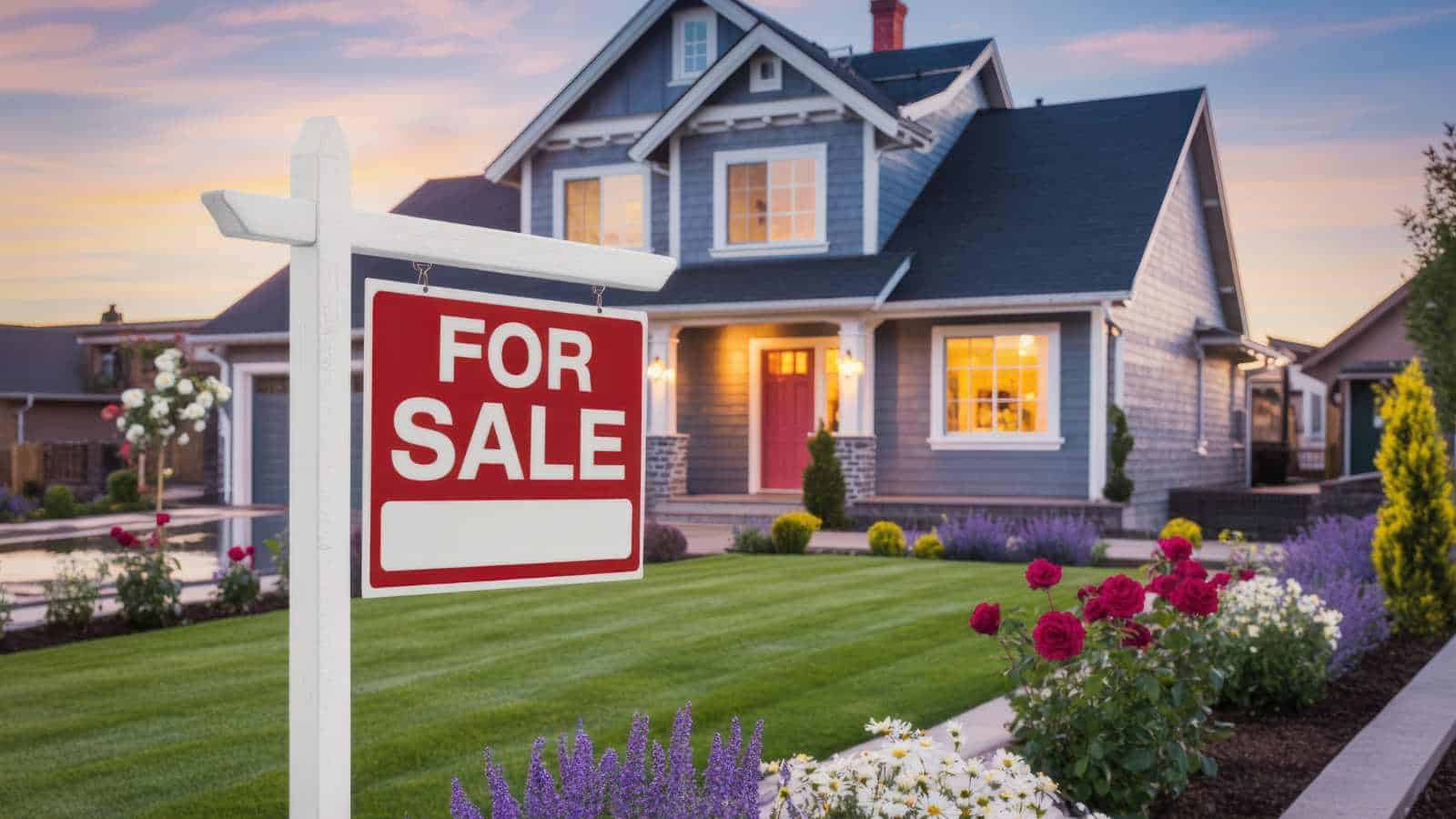
The gap between income and housing costs has become a chasm that few can cross without significant help or a miracle. While we worry about the rising price of food and essentials, home prices have risen much faster than our paychecks over the years. This disparity forces many to rent indefinitely, unable to save enough money for a down payment.
Cash Is King

In a competitive market, cash offers rule the day, and regular buyers relying on mortgages simply cannot compete. Wealthy buyers and investors often skip the bank entirely, dropping full cash amounts that sellers eagerly accept over complicated loan processes. It is like trying to win a race in a beat-up car while your opponent is flying a private jet to the finish line.
Investors Buying Up Supply

Real estate investors accounted for a massive 34% of single-family home purchases in the third quarter of 2025. These entities view houses not as homes for families but as assets to fatten their financial diet and generate passive income. This trend reduces the available inventory for actual residents, driving prices up even further for everyone else.
Luxury Market Booms

While the average person struggles, the luxury real estate market is thriving in places like Miami and New York. The ultra-wealthy are buying penthouses and estates as safe havens for their capital, often leaving them empty for months. It is a strange contrast to see booming sales on Billionaires’ Row while working families can barely afford a pet-friendly apartment.
Rent Keeps Rising

As homeownership becomes unreachable, demand for rentals skyrockets, allowing landlords to raise prices with little resistance. This eats into the monthly budget of millions, making it even harder to save for a future home. It is a vicious cycle where paying high rent prevents you from ever escaping the rental trap.
The Wealth Concentration

The top 0.1% of U.S. households now hold a significant portion of real estate wealth, leaving less for the bottom 50%. This concentration of assets means that housing wealth is no longer a ladder for the middle class but a fortress for the elite. It creates a society where financial security is inherited rather than earned through hard work and inspiration.
Middle Class Squeeze

Middle-class families are finding themselves priced out of neighborhoods that were once considered affordable and safe. They are forced to move farther from their jobs and communities, sacrificing their lifestyles just to find a roof over their heads. The stress of this instability impacts everything from their health to their personal relationships.
Policy Failures

Government efforts to fix the issue often fall short or move too slowly to make a real dent in the crisis. Without strict regulations on corporate ownership of single-family homes, the trend is likely to continue unchecked. We need more than just promises; we need a new recipe for housing policy that prioritizes people over profits.
The vanishing American Dream

For decades, owning a home was the cornerstone of the American Dream and the primary way to build wealth. Now, that dream is becoming a fantasy for many, replaced by the harsh reality of perpetual tenancy. It is a shift that threatens to leave a generation behind, wondering if they will ever have a place to truly call their own.
Key Takeaways
The housing market has shifted dramatically, with 2025 data showing that three-quarters of American households are now priced out of buying a median new home. This crisis is fueled by stagnant wages, skyrocketing prices, and a surge in investor activity that prioritizes profit over community stability. As wealthy buyers and corporations dominate the market with cash offers, the traditional path to homeownership is being dismantled for the average citizen.
To reverse this trend, significant policy and regulatory changes are needed to level the playing field for first-time buyers. Without intervention, we risk becoming a nation of renters in which building generational wealth through real estate is a privilege reserved for the elite. It is a wake-up call that the system is broken and requires immediate attention to restore fairness and opportunity for all.
Disclosure line: This article was developed with the assistance of AI and was subsequently reviewed, revised, and approved by our editorial team.
20 Odd American Traditions That Confuse the Rest of the World
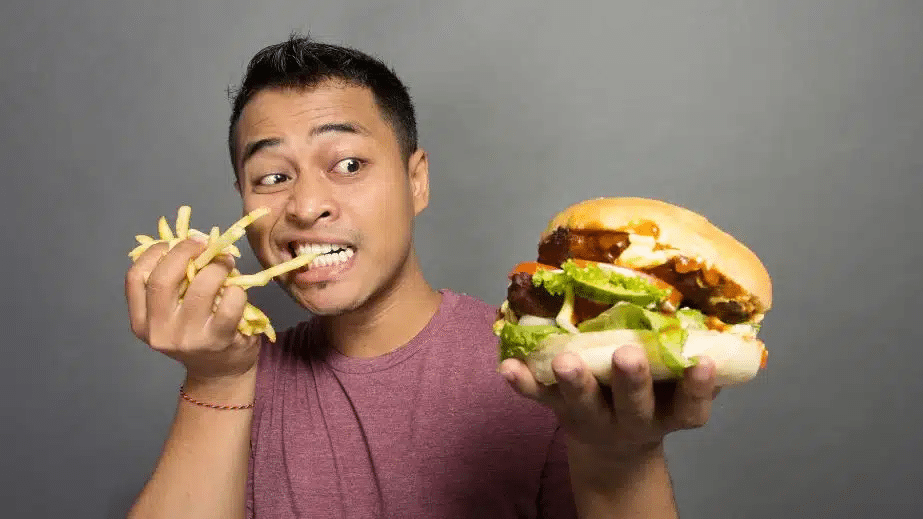
20 Odd American Traditions That Confuse the Rest of the World
It’s no surprise that cultures worldwide have their own unique customs and traditions, but some of America’s most beloved habits can seem downright strange to outsiders.
Many American traditions may seem odd or even bizarre to people from other countries. Here are twenty of the strangest American traditions that confuse the rest of the world.
20 of the Worst American Tourist Attractions, Ranked in Order

20 of the Worst American Tourist Attractions, Ranked in Order
If you’ve found yourself here, it’s likely because you’re on a noble quest for the worst of the worst—the crème de la crème of the most underwhelming and downright disappointing tourist traps America offers. Maybe you’re looking to avoid common pitfalls, or perhaps just a connoisseur of the hilariously bad.
Whatever the reason, here is a list that’s sure to entertain, if not educate. Hold onto the hats and explore the ranking, in sequential order, of the 20 worst American tourist attractions.