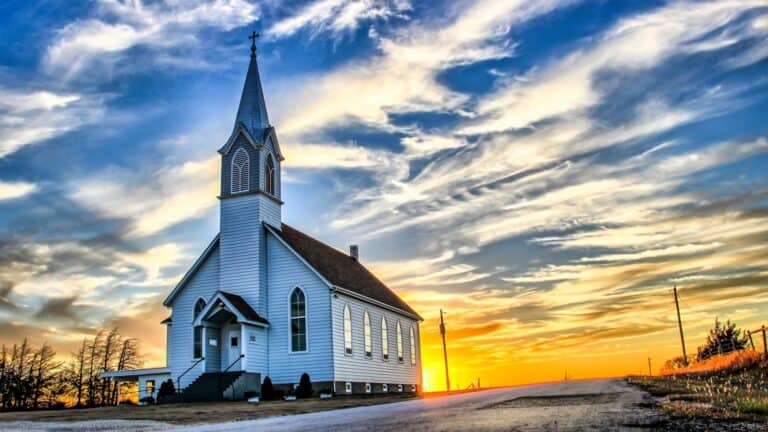
Why people leave the church and don’t go back
Across America, millions are quietly leaving the church—not in rebellion, but because it no longer feels like home.
Walking away from the pew is a heavy choice that often happens slowly rather than all at once. It usually starts with a quiet Sunday morning, when sleeping in feels more spiritual than showing up at a building. Many Americans are finding that their personal path leads them right out the exit door. The days of attending service just because your neighbors do are fading into the rearview mirror for good.
People are asking tough questions and demanding real answers that some leaders simply cannot provide right now. This shift is changing communities across the nation in ways we are just beginning to see. The decision is rarely made lightly or without significant heartache. For many, the church simply stopped being the refuge it promised to be.
Feeling Watched And Judged

Nobody likes walking into a room where they feel like they are being scanned for flaws immediately. It feels terrible to sense eyes rolling at your outfit or your life choices. A welcoming handshake means nothing if it is followed by a whisper behind your back.
Authenticity is a huge deal for younger generations who smell fake behavior from a mile away. They want a place where they can be messy and real without fear. If the vibe is more courtroom than living room, people will find belonging elsewhere.
Politics From The Pulpit
Many worshippers get uncomfortable when the sermon starts sounding more like a cable news segment. According to PRRI, 17% of those who left their childhood religion cited political focus as a key reason. It is exhausting to have ballot measures pushed on you during prayer time.
Faith is often looked at as a refuge from the arguments that divide the country every day. When that sanctuary turns into a campaign rally, the spiritual connection snaps immediately. People want Jesus, not a voter registration card or partisan talking points.
Exclusion Of LGBTQ Individuals
The stance on gay rights is a massive stumbling block for modern believers and their friends. PRRI research highlights that 45% of people leaving their religion do so because of negative LGBTQ treatment. This issue is often the final straw for those with gay family members.
Love thy neighbor feels like a hollow slogan when there are conditions attached to that love. Choosing between a doctrine and a loved one is a choice nobody wants to make. Eventually, many folks choose their friends and family over an institution that rejects them.
Hypocrisy And Moral Failures
Trust is incredibly hard to rebuild once it has been shattered by a major scandal. Gallup reported in 2024 that only 32% of Americans rate the honesty and ethics of clergy as high. Seeing leaders hide abuse while preaching morality creates a disconnect that cannot be fixed.
It is not just about the bad apples but how the institution protects them time and again. In many cases, cover-ups do more damage to the congregation than the actual crimes. When the curtain is pulled back to reveal corruption, the faithful walk away.
Conflict With Scientific Facts

Asking people to check their brains at the door does not work in an information age. Being told that evolution is a lie or that climate change is a myth pushes educated people away. Faith and facts should coexist without sparking a war.
Younger adults often feel they have to choose between their textbooks and their Bibles. This false dichotomy forces a choice that usually ends with religion losing out. Curiosity should be celebrated in spiritual spaces rather than silenced or treated as a sin.
Schedule Overload And Burnout

Sunday morning is often the only time hardworking families get to rest and recharge together. A 2024 Pew Research Center study notes that 28% of U.S. adults are now religiously unaffiliated. For many, brunch or a hike offers more peace than a crowded service.
The demands of volunteering and attending mid-week events can feel like a second, unpaid job. People are guarding their downtime more fiercely than ever before. If the church takes more energy than it gives, attendance drops off the list.
Services Feel Outdated
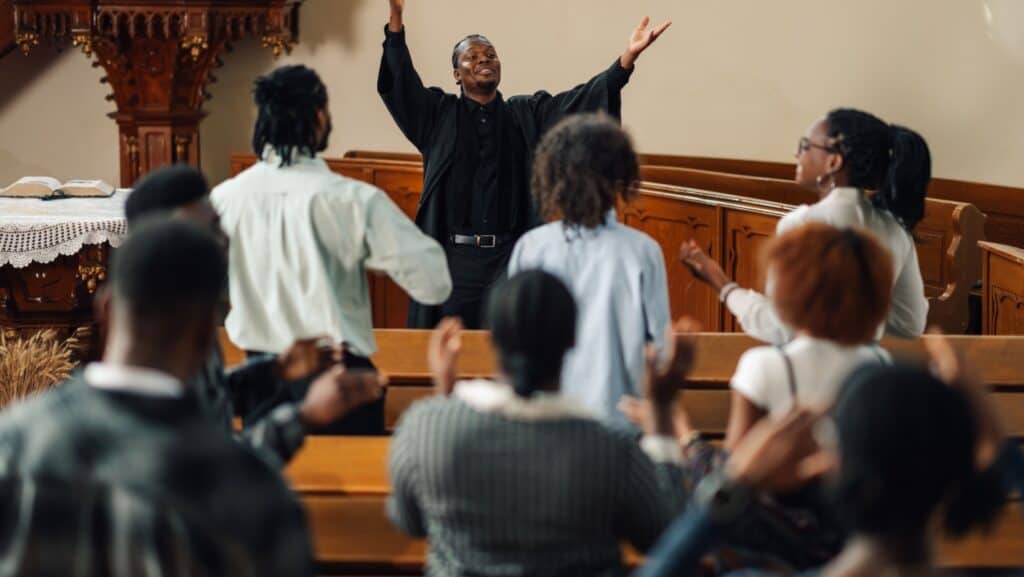
Singing songs from two centuries ago does not always resonate with modern struggles and pain. If the message does not connect to Monday morning reality, it feels like a waste of time. People crave practical wisdom that helps them pay bills and raise kids.
Tradition is beautiful, but it can also become a dusty museum exhibit if not refreshed. Boredom is a real driver that leads people to seek inspiration in podcasts or books. Spiritual feeding needs to happen in a language that people actually speak today.
Finding God Outside Buildings

You do not need a steeple to feel awe or gratitude anymore. Wng.org, on the “Great Dechurching,” suggests that about 40 million Americans have stopped attending church in the last 25 years. Nature and meditation apps are replacing the pew for millions of spiritual seekers.
The definition of what it means to be a spiritual person has expanded significantly in recent years. You can be a good person without checking a box on a census form. Many find that their spiritual life actually improves once they leave the organized system.
Questions About Money

Watching leaders fly in private jets while the roof leaks causes serious resentment. People want to know that their hard-earned tithes are actually helping the poor and needy. When the budget is a secret, suspicion grows like a weed in the garden.
The constant pressure to give money can feel transactional rather than charitable or spiritual. It feels like paying club dues rather than supporting a mission to help others. Generosity dries up when donors doubt the integrity of the financial handlers.
No Room For Doubt

Questions are often met with clichés rather than honest conversation or deep empathy. Shutting down difficult inquiries tells people that their intellectual struggles are not welcome there. A faith that cannot handle a little poking is not very strong.
Life is complex and rarely fits neatly into black-and-white moral categories. People need a space to wrestle with the gray areas without fear of expulsion. When certainty is prized over honesty, those with doubts are forced to exit.
Community Found Elsewhere

The church used to be the main social hub, but that is no longer true. Gallup found in 2024 that only 30% of Americans attend religious services weekly or almost weekly. You can find your tribe at the gym, online groups, or hobby clubs.
We are wired for connection, but we do not need a sermon to get it. Supportive relationships are forming in coffee shops and living rooms across the country. Belonging is about being known and loved, which happens outside the sanctuary walls.
Like our content? Be sure to follow us