Why we keep watching A Christmas Carol every year
Every December, A Christmas Carol returns not because it surprises us, but because it offers a steadier kind of comfort than the season usually allows.
There is something deeply reassuring about returning to A Christmas Carol each December. Even people who insist they are tired of the story often pause when it appears on television, on stage, or in conversation. It is familiar in a way that feels grounding rather than dull. The comfort does not come from novelty or surprise. It comes from recognition. Charles Dickens created a story that acknowledges loneliness, regret, fear, and moral fatigue without becoming bleak.
At the same time, it resists the pressure to manufacture joy or force optimism. In a season that often demands cheer regardless of circumstance, A Christmas Carol offers something quieter and more honest. It allows sadness to exist alongside hope. It suggests that warmth can be rebuilt rather than magically restored. That emotional balance explains why the story continues to feel necessary in an era that often swings between cynicism and forced positivity.
Familiarity as Emotional Shelter

One of the reasons A Christmas Carol feels comforting is its predictability. Readers know the shape of the story. The ghosts arrive in sequence. The emotional arc bends toward change. The ending restores connection.
That predictability is not a flaw. It is a feature. Familiar narratives provide psychological safety. They allow people to engage emotionally without fear of being overwhelmed. During stressful or uncertain times, known outcomes reduce anxiety. Dickens understood the power of reassurance long before the concept was studied formally.
Each retelling becomes less about suspense and more about reflection. The story creates a stable framework in which readers can explore their own thoughts and feelings.
Why Ritual Matters During the Holidays
The holiday season often carries emotional weight. Expectations pile up. Family dynamics resurface. Financial pressure intensifies. For many people, December is not purely joyful. It is complicated.
Rituals help anchor people during emotionally dense periods. Returning to the same story year after year creates continuity. It reassures readers that while circumstances change, certain truths remain accessible. Reflection, accountability, and renewal do not disappear simply because life feels crowded or chaotic.
A Christmas Carol functions as a cultural ritual. Its repetition is not about tradition for tradition’s sake. It is about grounding.
A Safe Way to Confront Regret
One of the story’s most valuable qualities is its treatment of regret. Scrooge confronts missed opportunities, broken relationships, and emotional avoidance. Yet the story never suggests that regret should paralyze him.
Dickens offers a model of reflection that acknowledges pain without turning it into punishment. Scrooge is allowed to feel sorrow without being consumed by it. The story suggests that regret can be informative rather than destructive.
This approach resonates because many people avoid self-examination out of fear that it will lead only to shame. A Christmas Carol demonstrates that reflection can be purposeful. It can guide rather than condemn.
The Supernatural as Emotional Distance
The ghosts play an important role in creating emotional safety for readers. By externalizing Scrooge’s reflection, Dickens provides distance between the audience and the lesson. Readers are not being told what they have done wrong. They are watching someone else discover uncomfortable truths.
This distance reduces defensiveness. It invites curiosity rather than resistance. The supernatural elements soften the confrontation while preserving its impact.
Dickens understood that people absorb difficult ideas more readily when they do not feel personally attacked.
The Ordinary Nature of the Ending
The ending of A Christmas Carol is deliberately modest. Scrooge does not become famous. He does not seek admiration. He does not announce his transformation publicly.
Instead, he shows up. He participates. He becomes part of a community again.
This ordinariness is crucial to the story’s comfort. Dickens does not present change as a dramatic reinvention. He presents it as re engagement. The joy comes from connection rather than achievement.
Community as Emotional Repair
Throughout the story, isolation is depicted as corrosive. Scrooge’s emotional distance shrinks his world until it contains little beyond his own fears. Reconnection expands it again.
The Cratchit household represents warmth without perfection. Their struggles are visible. Their resilience is ordinary. Dickens suggests that community does not eliminate hardship, but it makes hardship survivable.
That message remains deeply comforting. It reminds readers that belonging does not require flawlessness. It requires presence.
Why the Struggle Matters
Scrooge does not accept change easily. He resists. He minimizes. He rationalizes. He bargains.
This resistance makes the story believable. Dickens respects the difficulty of personal growth. Transformation is not instantaneous. It requires discomfort.
Readers recognize themselves in this struggle. Change rarely happens without friction. The story’s honesty about that process strengthens its emotional credibility.
Comfort Without Sentimentality
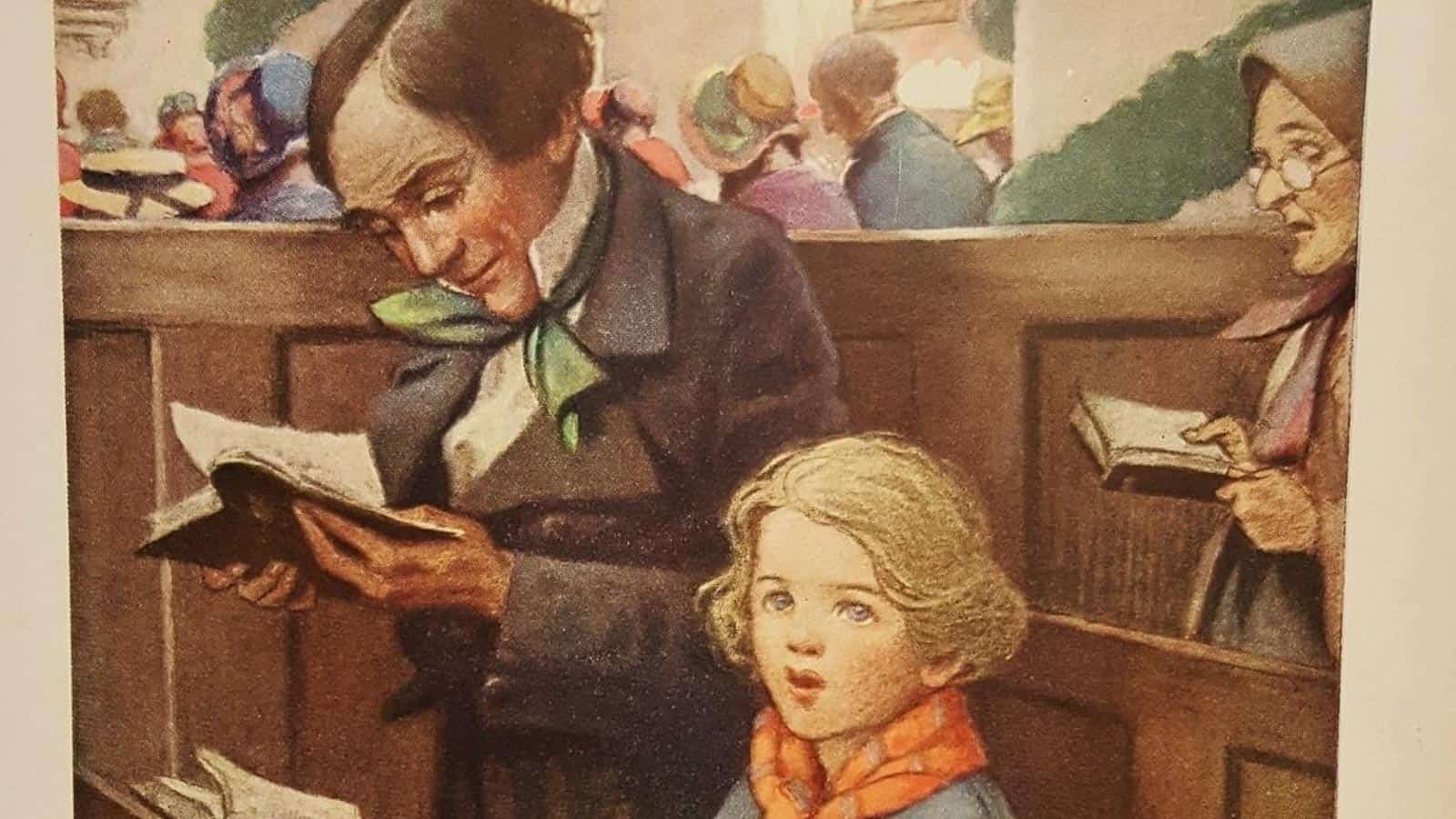
Although A Christmas Carol is often described as sentimental, its comfort is earned rather than exaggerated. Dickens does not deny hardship. He acknowledges economic insecurity, illness, loneliness, and fear.
What he offers instead of denial is agency. The story reassures readers that circumstances do not fully define character. Choices still matter. Kindness remains possible.
That balance prevents the story from becoming saccharine. Its warmth feels grounded rather than artificial.
Why the Story Continues to Adapt
Part of the reason A Christmas Carol remains culturally dominant is its flexibility. Different adaptations emphasize different elements. Some highlight social justice. Others focus on personal redemption. Still others emphasize community.
The core remains intact because it is adaptable. The emotional truth does not depend on setting or style. Each generation finds its own reflection within the story.
Why We Keep Coming Back
We return to A Christmas Carol not because it changes, but because we do. Different seasons of life illuminate different aspects of the story. Some years we recognize Scrooge’s fear. Other years we recognize his regret. Occasionally, we recognize his relief.
The story offers continuity while allowing reinterpretation. That combination is rare.
Each December, it quietly asks the same question. What might change if we chose connection over isolation? That question remains relevant because it is never fully answered.
Why Local Christmas Markets Are The Best Holiday Escape

As crowds tire of commercial frenzy, local Christmas markets thrive by offering handcrafted goods, open-air ambiance, and a calmer, community-driven holiday experience.
The holiday season can feel like one long to do list filled with crowded stores, shipping deadlines, and constant reminders of how busy everyone is. This is exactly why local Christmas markets have become beloved pockets of calm. They offer a slower, more meaningful way to experience the season. Instead of fluorescent lights and crowded aisles, you get fresh air, twinkling bulbs, and a town square transformed into something straight out of a storybook. Learn more.