Wild gen X habits that would get you canceled today
Gen X grew up in a time that feels like a fever dream compared to modern safety standards. We rode bikes without helmets, drank from hoses, and disappeared until the streetlights came on. Looking back, I honestly wonder how we survived without constant supervision or GPS trackers.
To prove I’m not just being nostalgic, let’s look at the numbers. According to the National Center for Safe Routes to School, nearly 50% of kids walked or biked to school in 1969, but by 2009, that number had plummeted to just 13%. Additionally, estimates suggest that around 40% of Gen Xers were “latchkey kids,” regularly coming home to empty houses.
We developed thick skins and questionable coping mechanisms in all that unsupervised time, but some of our behaviors definitely haven’t aged well. Let’s look at the habits that defined a generation but would result in immediate cancellation these days.
Riding In Truck Beds

Nothing screams “1980s summer” quite like piling into the back of a pickup truck for a ride to the lake, wind whipping through your hair without a care in the world. It was a common mode of travel for rural kids and sports teams alike, but today it is seen as a death wish on wheels. Back then, buckling up was the exception rather than the rule, a dangerous reality that helps explain why traffic laws eventually tightened so drastically.
Secondhand Smoke Everywhere

You could not walk into a restaurant, hop on a plane, or even visit a hospital waiting room without navigating a thick haze of cigarette smoke. It was a standard part of the environment, and non-smokers simply had to tolerate it as a fact of life.
Research shows that in 1980, only 37% of smokers even labeled their habit an addiction, a far cry from the 74% who admitted it by 2002.
The Latchkey Life

Millions of Gen X kids wore their house key around their neck like a badge of honor, letting themselves in after school to fend for themselves until dinner. We were responsible for everything from pet care to starting homework, all without a single text from mom to check in. A study from the time found that 15% of children aged 6 to 9 were regularly left home alone, a practice that would likely result in neglect charges today.
Dangerous Playgrounds

Playgrounds were once towering structures of metal and concrete, built to test your grit rather than guarantee your safety. We scorched our legs on hot slides and crashed onto asphalt, viewing our scrapes as a twisted form of inspiration. A National Institutes of Health study reveals that fractures account for nearly 78.7% of playground injury hospitalizations, proving those rusted jungle gyms were as hazardous as we remember.
Sunbathing With Baby Oil

The quest for the perfect tan often involved slathering ourselves in baby oil and baking on a reflective foil blanket in the backyard. This questionable beauty ritual was performed without a drop of SPF, as we remained blissfully ignorant of the long-term damage we were inviting. Skin cancer incidences have unfortunately continued to rise, a grim trend that likely has roots in those oil-slicked afternoons.
Drinking From The Hose

When we were thirsty from playing outside, we didn’t run inside for a bottle of filtered water; we drank straight from the hot rubber garden hose. It was a questionable recipe for hydration that often tasted like warm plastic and dirt, yet it was the standard diet for active kids. Dr. Dan Allan of the Cleveland Clinic notes that many hoses release lead and chemicals like BPA, making this nostalgic habit a genuine health hazard.
The Hitchhiking Haze
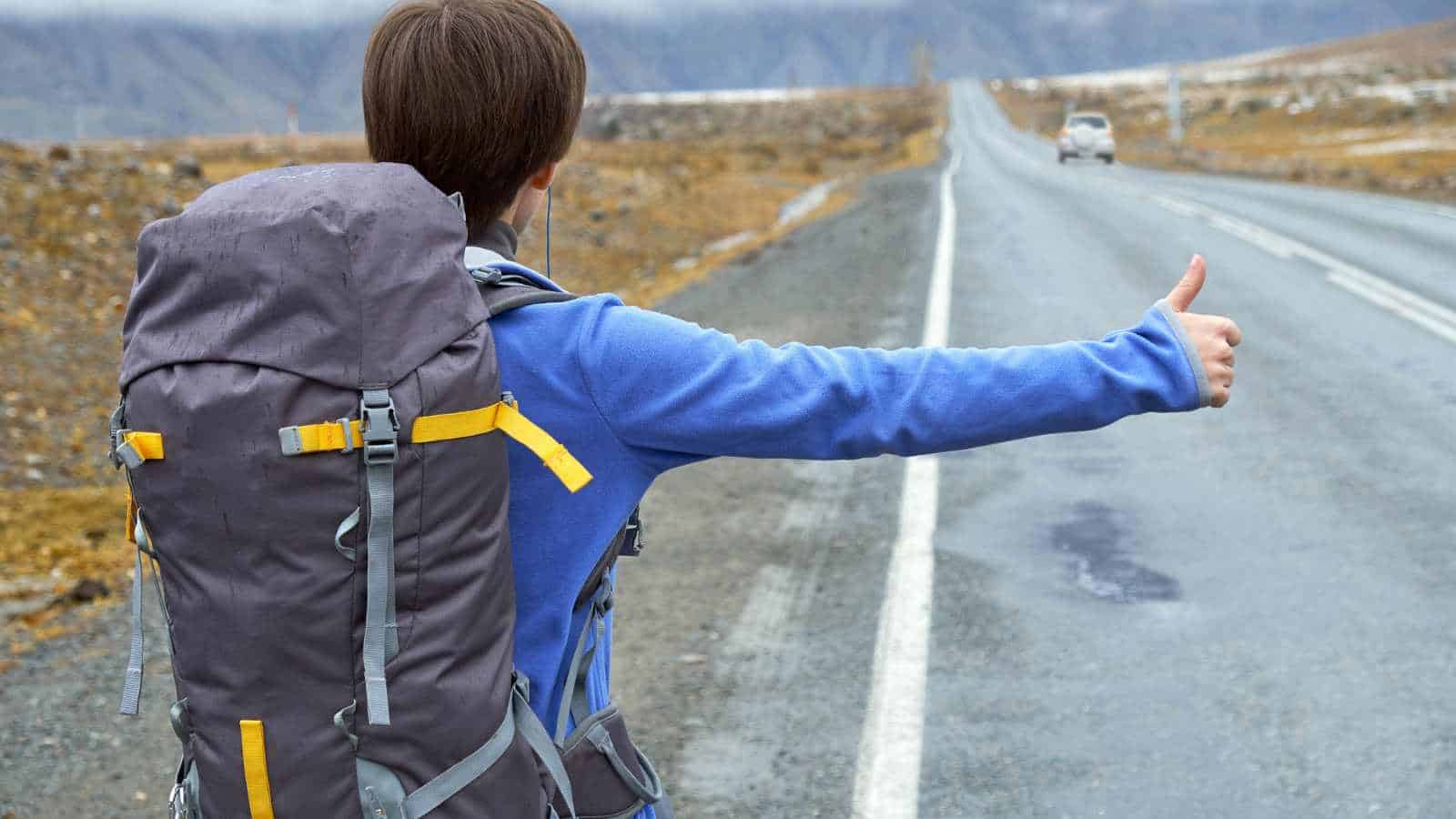
Sticking your thumb out to catch a ride wasn’t just for drifters; it was a legitimate way for teenagers to get around town or even across the country. This casual approach to travel relied on a level of trust in strangers that has completely evaporated in modern society. A Westminster study reveals that while 55% of English children were allowed to travel alone in 1971, that number had dropped to nearly zero by 2010.
Unsupervised Cooking

Many of us were cooking full meals on gas stoves by age ten, preparing everything from grilled cheese to full Thanksgiving sides without an adult in sight. We learned about food safety through trial and error, occasionally setting a dish towel on fire but mostly managing to feed ourselves. The cost of raising a child has increased dramatically over the decades, partly because parents now have to pay for the constant supervision that we simply lived without.
The Financial Reality

Beyond the physical risks, the financial landscape for families was vastly different, allowing for a more hands-off approach to parenting. Today, the pressure of financial and budgetary constraints in childcare means every moment is accounted for, leaving little room for free-range childhoods.
With grocery and housing costs skyrocketing, the money required to raise a safe, supervised child has fundamentally changed the family dynamic.
Key Takeaway
While the free-range childhoods of Gen X were defined by grit and freedom, the data highlights exactly why society has pivoted toward stricter safety measures. We can look back fondly on those hose-drinking days, but acknowledging the hidden risks we survived helps us appreciate the protections children have today. Ultimately, finding a middle ground between that old-school independence and modern caution might be the best way to raise resilient kids in a changing world.
Disclosure line: This article was developed with the assistance of AI and was subsequently reviewed, revised, and approved by our editorial team.
20 Odd American Traditions That Confuse the Rest of the World
20 Odd American Traditions That Confuse the Rest of the World
It’s no surprise that cultures worldwide have their own unique customs and traditions, but some of America’s most beloved habits can seem downright strange to outsiders.
Many American traditions may seem odd or even bizarre to people from other countries. Here are twenty of the strangest American traditions that confuse the rest of the world.
20 of the Worst American Tourist Attractions, Ranked in Order

20 of the Worst American Tourist Attractions, Ranked in Order
If you’ve found yourself here, it’s likely because you’re on a noble quest for the worst of the worst—the crème de la crème of the most underwhelming and downright disappointing tourist traps America offers. Maybe you’re looking to avoid common pitfalls, or perhaps just a connoisseur of the hilariously bad.
Whatever the reason, here is a list that’s sure to entertain, if not educate. Hold onto the hats and explore the ranking, in sequential order, of the 20 worst American tourist attractions.