10 American habits that don’t make sense anymore
Many of the rituals we still defend as tradition are really just habits we haven’t questioned.
We all grow up with certain routines that feel etched in stone, like they will last forever, just because that is how things were always done. But then you wake up one day to realize the world shifted under your feet, and suddenly those comfortable old traditions feel clumsy, expensive, or just plain weird in the glare of modern convenience.
It happens fast, too, leaving us clinging to rituals that do not serve us, drain our bank accounts, or waste precious hours we could spend on literally anything else. Whether it is how we handle our money, communicate with friends, or dress for the job, some American staples have officially passed their expiration date and need to be retired.
Wearing Suits To Work

The power suit was once the armor of the corporate warrior, a signal that you meant business and demanded respect. Now, seeing someone in a full suit and tie often makes you wonder if they are going to a court hearing. The tech industry taught us that billionaires can run empires in hoodies, dismantling the link between formal wear and competence.
Comfort has become a priority for workers who realize they think better when a silk tie is not strangling them. You can look professional and put-together without wearing layers of restrictive wool and stiff collars. The focus has shifted to what you can contribute to the team, rather than how well you can dress up for the part.
The 9-to-5 Office Grind

The idea that you need to sit in a beige cubicle under fluorescent lights to get your job done is rapidly fading into history. For many professionals, the rigid schedule of commuting to a building to send emails is a relic of a pre-digital age that values presence over actual productivity. The flexibility to work from your kitchen table or a coffee shop has proven that you can be effective without a manager breathing down your neck.
Employees are voting with their feet, refusing to return to the old way of doing things just because a company’s lease demands it. According to a Pew Research Center survey from October 2024, 46% of workers with jobs that can be done from home say they would be unlikely to stay if their employer stopped allowing remote work. This shift is not just a temporary trend but a fundamental change in how we view the balance between earning a living and actually living our lives.
Keeping A Landline
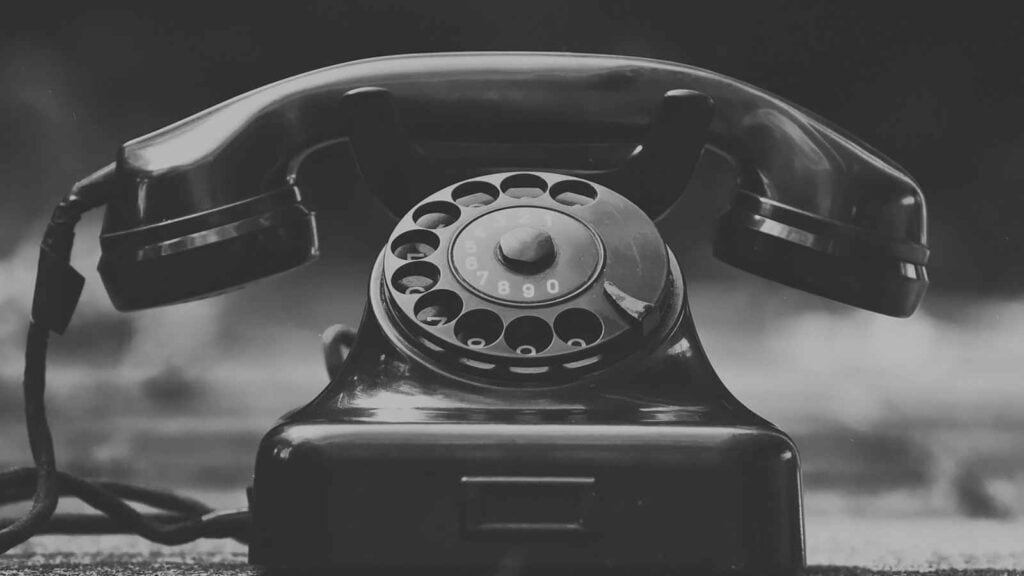
There was a time when a home phone was your lifeline to the outside world, a sturdy anchor in the hallway where you took essential calls. Now, that dusty plastic brick mainly serves as a dedicated hotline for scammers and robocalls interrupting your dinner. Most of us carry a much more powerful computer in our pocket that handles calls, texts, and the entire internet without tethering us to a wall jack.
Paying a monthly fee for a service you rarely use feels like throwing money away, especially when cell service is reliable almost everywhere. LiveNow from FOX reports that three in four American adults now live in wireless-only households. It is hard to justify the cost of a landline when your smartphone does the same job better and goes wherever you go.
Writing Paper Checks
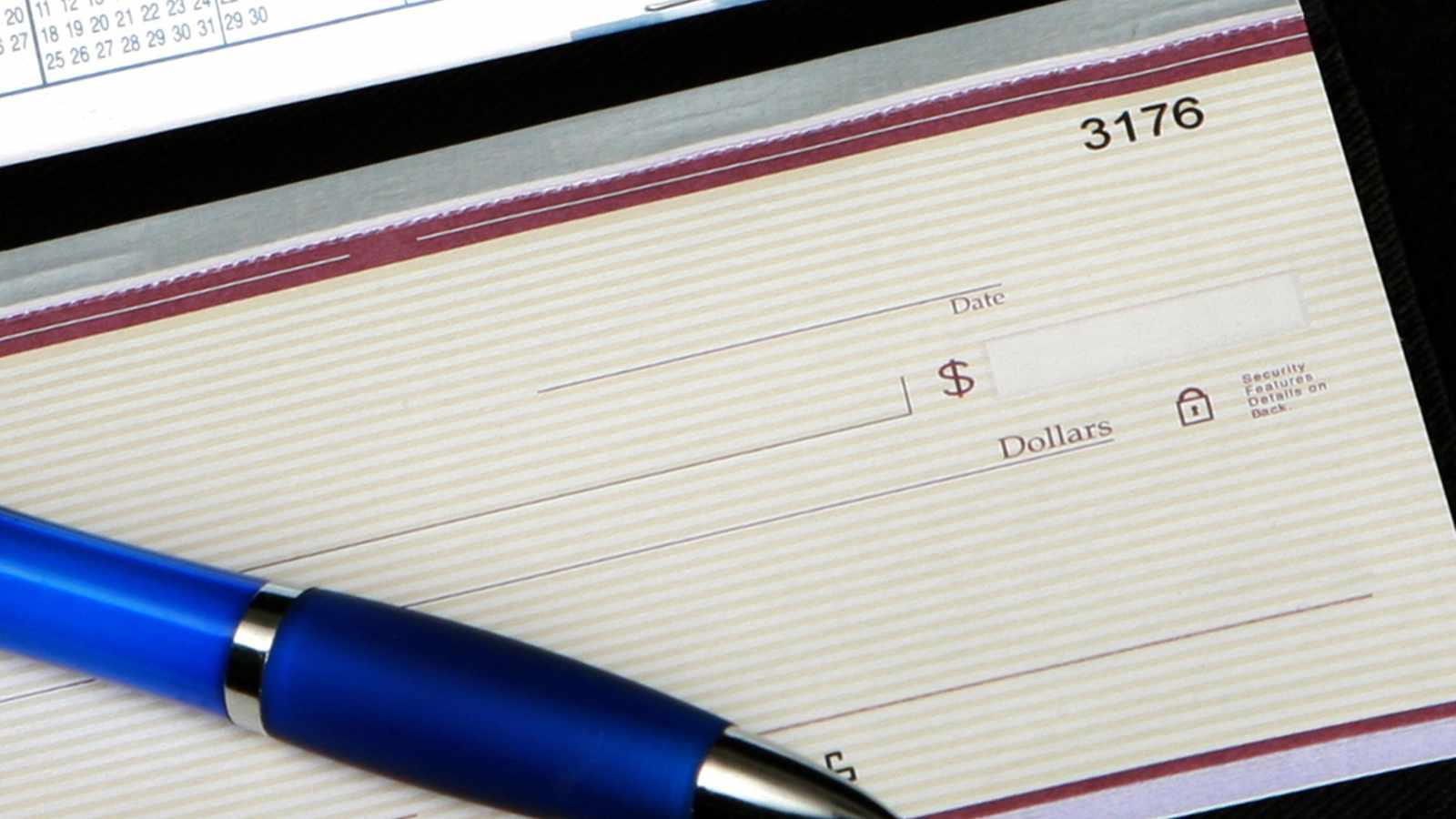
Standing in line at the grocery store while someone slowly fills out a check is a scene that feels like it belongs in a museum. Electronic transfers, banking apps, and tap-to-pay cards have made moving money instant and painless. The physical act of writing out the date, amount, and signature feels incredibly slow and insecure compared to the speed of digital transactions.
Businesses and landlords are moving away from paper payments, too, preferring the certainty of immediate digital deposits over the “check is in the mail” excuse. The Atlanta Fed reported in 2024 that consumer check payments accounted for just 2.5% of all payments, a sharp decline from previous years. Hanging onto your checkbook is becoming less of a financial safety net and more of a quirky vintage habit.
Tipping For Everything
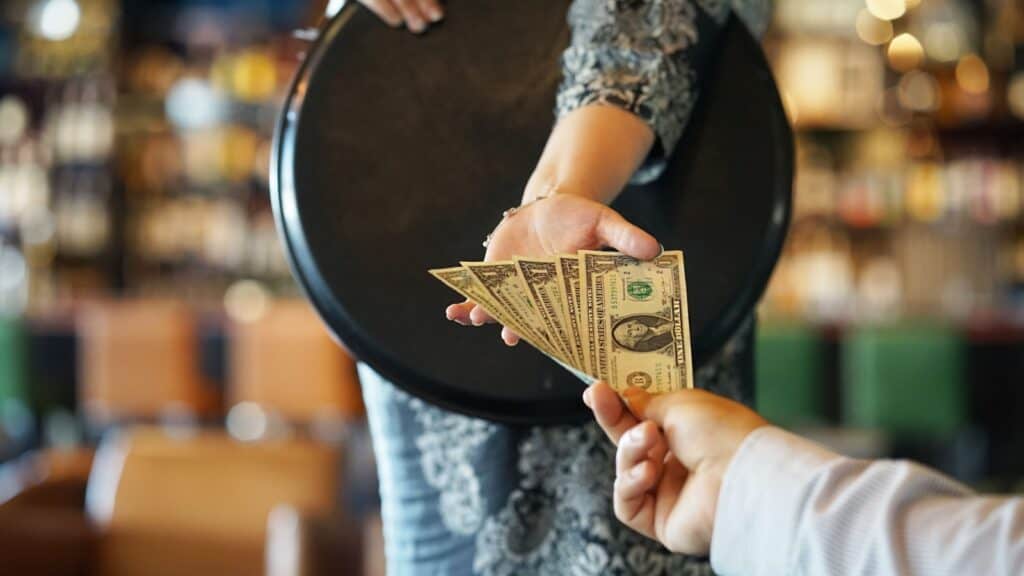
Gratuity used to be a reward for exceptional service at a restaurant, a way to say thank you for a great experience. Today, digital kiosks spin around to ask for a tip before you have even received your black coffee or bagel. This pressure to tip for standard counter service has created fatigue and confusion among customers who want to buy a muffin without a guilt trip.
Americans are increasingly frustrated by the expectation that they subsidize wages in industries where tipping was never the norm. A Bankrate survey found that 63% of U.S. adults have a negative view of tipping, and 41% believe the culture has spiraled out of control. It is time we rethink a system that shifts the burden of paying employees fairly directly onto the customer at the point of sale.
Paying For Cable TV

Scanning through hundreds of channels only to find nothing to watch is a uniquely frustrating American pastime that is finally dying out. The massive cable bundle, filled with obscure networks you never asked for, is losing the war against streamlined streaming services. We now prefer to pick and choose our entertainment, paying only for the specific platforms that carry the shows and movies we actually care about.
The cost of cable continues to rise even as the quality of content and the user experience lag behind those of modern apps. Cord-cutting is not slowing; by 2026, the number of U.S. households that will cancel their traditional pay TV subscriptions is projected to reach 80 million. Why pay a premium for commercials and inflexible schedules when you can watch what you want, when you want it?
Hoarding Pennies

The copper coin in your pocket is practically worthless in the modern economy and is often ignored on the sidewalk by passersby. We spend more time trying to get rid of pennies than we do actually using them to buy things of value. They accumulate in jars and cup holders, a heavy and dirty reminder of a currency system that has not kept up with inflation.
The economic reality of keeping these coins in circulation is baffling when you consider the manufacturing cost. According to the 2024 Annual Report from the U.S. Mint, it now costs the government 3.69 cents to produce a single penny. We are literally losing money every time we make money, which is the definition of a habit that makes zero financial sense.
The Formal Handshake

Grasping the hand of a stranger was once the gold standard for introductions and sealing business deals. After years of heightened health awareness, many people recoil at the thought of touching palms with someone they just met. We have discovered that a nod, a wave, or a friendly fist bump conveys the same respect without the exchange of germs.
The social obligation to shake hands often leads to awkward moments where one person extends a hand, and the other hesitates. It feels refreshing to drop the physical contact requirement and focus on making genuine eye contact and conversation. Personal space is more valued now, and keeping your hands to yourself is a perfectly polite way to greet the world.
Ironing Everyday Clothes

There is something undeniably crisp about a freshly ironed shirt, but the time required to achieve it is a luxury few can afford. Modern fabrics are designed to be wrinkle-resistant, and the casualization of fashion means a slightly lived-in look is perfectly acceptable. Spending Sunday night standing over an ironing board feels like a punishment rather than a necessary preparation for the week.
Most workplaces have relaxed their dress codes to the point where a polo or a clean sweater is standard attire. Unless you are attending a wedding or a funeral, nobody is inspecting your sleeves for creases. We have collectively decided that life is too short to worry about flat fabric when a quick tumble in the dryer does the trick.
Going To The Mall

The sprawling suburban shopping mall was once the center of teenage social life and weekend family outings. Today, wandering through a maze of generic stores to find a pair of jeans feels inefficient compared to browsing online. The convenience of doorstep delivery and easy returns has made the trek to a physical retail giant feel unnecessary and exhausting.
Empty storefronts and quiet food courts are becoming familiar sights as foot traffic dwindles in all but the most high-end locations. We crave experiences and curated local shops over the homogenized, fluorescent-lit hallways of the past. The mall rat era is over, replaced by a desire for speed, variety, and the comfort of shopping from our own couches.
15 Things Women Only Do With the Men They Love

The 15 Things Women Only Do With the Men They Love
Love is a complex, beautiful emotion that inspires profound behaviors. We express our love in various ways, some universal and others unique to each individual. Among these expressions, there are specific actions women often reserve for the men they deeply love.
This piece explores 15 unique gestures women make when they’re in love. From tiny, almost invisible actions to grand declarations, each tells a story of deep affection and unwavering commitment.