10 collector’s items that are actually worthless
The collectibles once pitched as tomorrow’s fortunes have become some of the biggest disappointments.
Many people stash away vintage treasures hoping to strike it rich someday. Your grandparents probably guarded their special display cabinets like a hawk protecting its nest. We love the idea of turning forgotten attic junk into a fortune. Unfortunately, time is cruel to most fads that sweep the nation.
The stark reality is that nostalgia does not always translate into cold, hard cash. Fashions fade quickly while modern buyers lose interest in cluttered shelves. What seemed like a brilliant retirement investment yesterday is often just a dust magnet today. Here are eleven formerly prized possessions that will not pay for your next vacation.
Beanie Babies
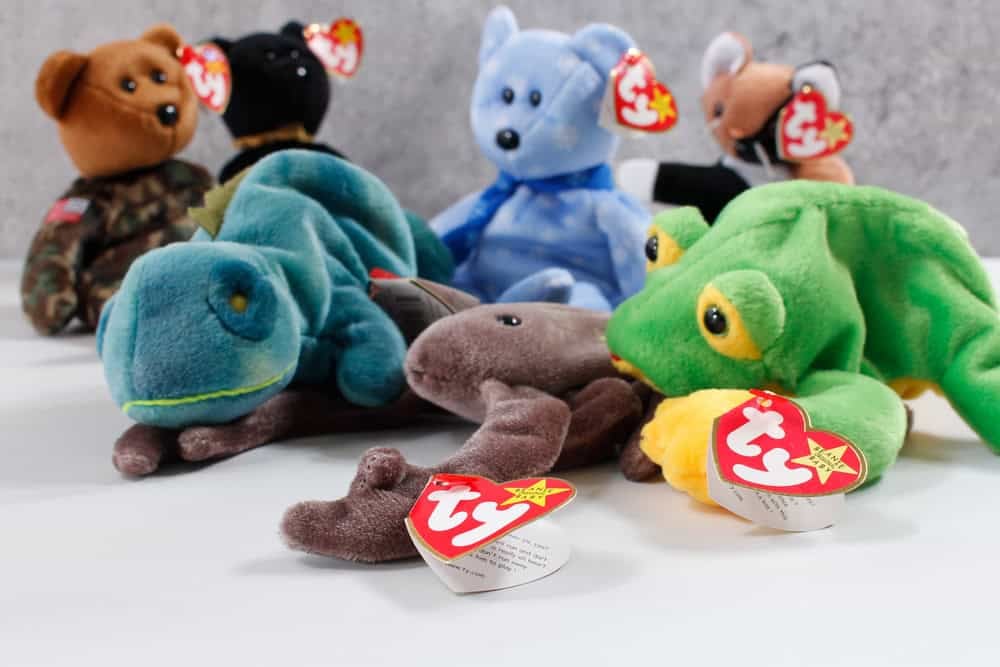
Everyone thought these small stuffed animals would fund their children’s college education. The frenzy led people to hoard them in plastic protective cases for decades. Ty Beanie Babies like the 1997 Princess Diana bear often sell for around $29.89 on eBay today.
They simply manufactured too many of these toys to create any real scarcity. Garage sales are overflowing with plastic bins full of these floppy creatures. Your giant collection is probably better off donated to a local charity.
Hummel Figurines
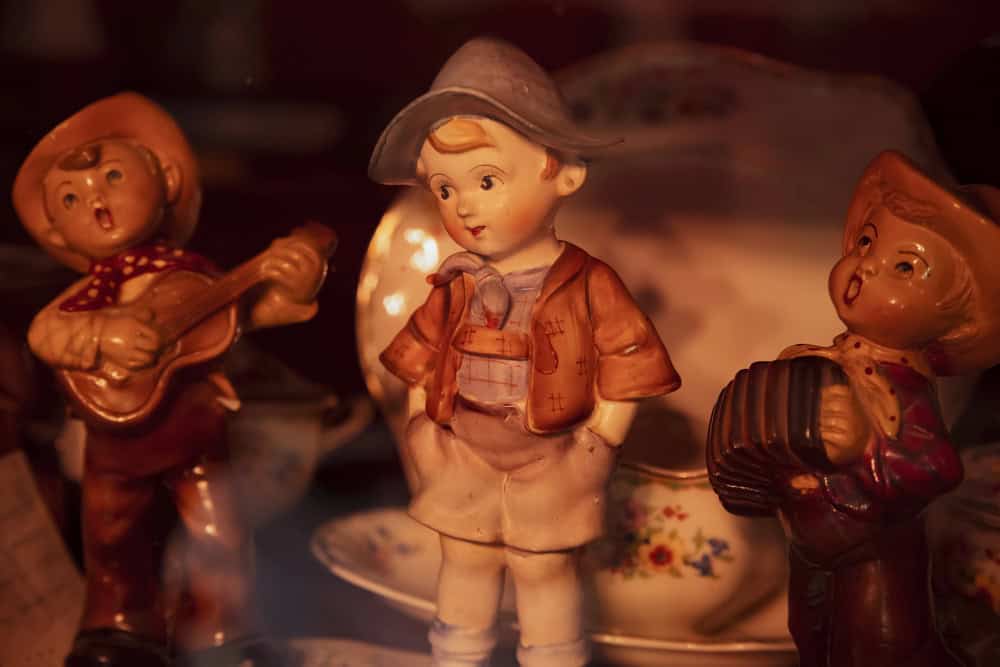
These rosy-cheeked porcelain children used to be the crown jewels of any grandmother’s house. Decades ago, serious collectors paid top dollar to complete their precious sets. In 2026, most common Hummel figurines fall within a modest range of $20 to $75.
Younger generations simply do not want to display fragile ceramic dolls in their modern homes. The market collapsed because the original fan base downsized or passed away. You will likely struggle to give these figures away at a neighborhood yard sale.
Collector Plates
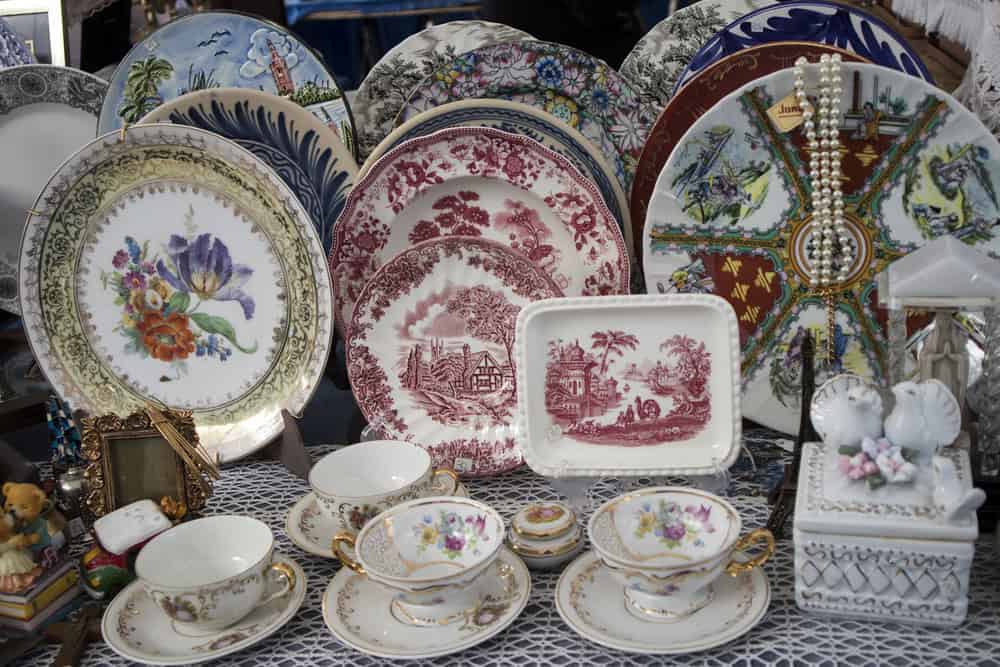
Companies successfully marketed decorative plates as foolproof limited edition investments. They produced millions of these decorative wall pieces featuring everything from wildlife to classic artwork. The majority of Norman Rockwell collector plates retail between $10 and $50 on the secondary market.
People bought them by the truckload believing the value would skyrocket over time. The secondary market completely tanked once everyone tried to cash in their chips. Eating dinner off them might be the only practical use left for these items.
Precious Moments Figurines
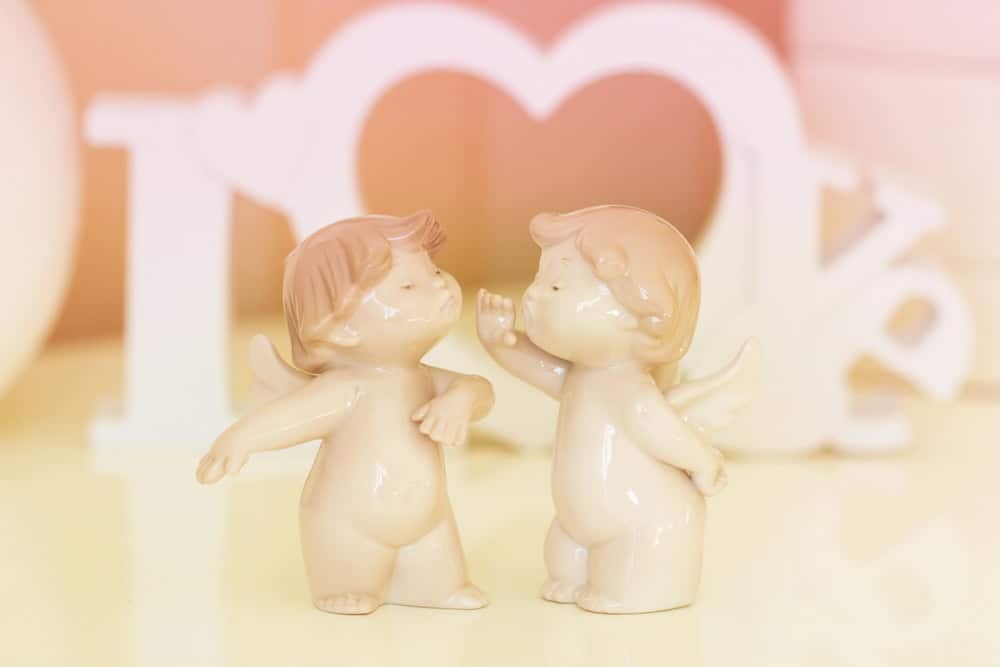
Those teardrop-eyed statues were once the ultimate gift for weddings and baby showers. Entire retail stores were dedicated to selling these pastel colored ceramic sculptures. Most of these pieces have plummeted in value since their peak popularity in the nineties.
The aesthetic simply feels outdated for contemporary interior design tastes. Massive production runs ruined any chance of these pieces holding their original retail price. Finding a buyer who wants to start a new collection is like searching for a needle in a haystack.
Thomas Kinkade Paintings

The self-proclaimed painter of light sold his cozy cottage artwork through malls everywhere. His galleries pushed the narrative that each piece would appreciate significantly over time. The global collectibles market size was valued at USD 308.31 billion in 2024, but mass-produced art accounted for a tiny fraction of that growth.
These canvases were printed by machines and touched up slightly by studio assistants. You can find his supposedly rare lithographs piling up at thrift stores nationwide. That illuminated cabin scene is worth pennies on the dollar today.
Black Diamond Disney VHS Tapes
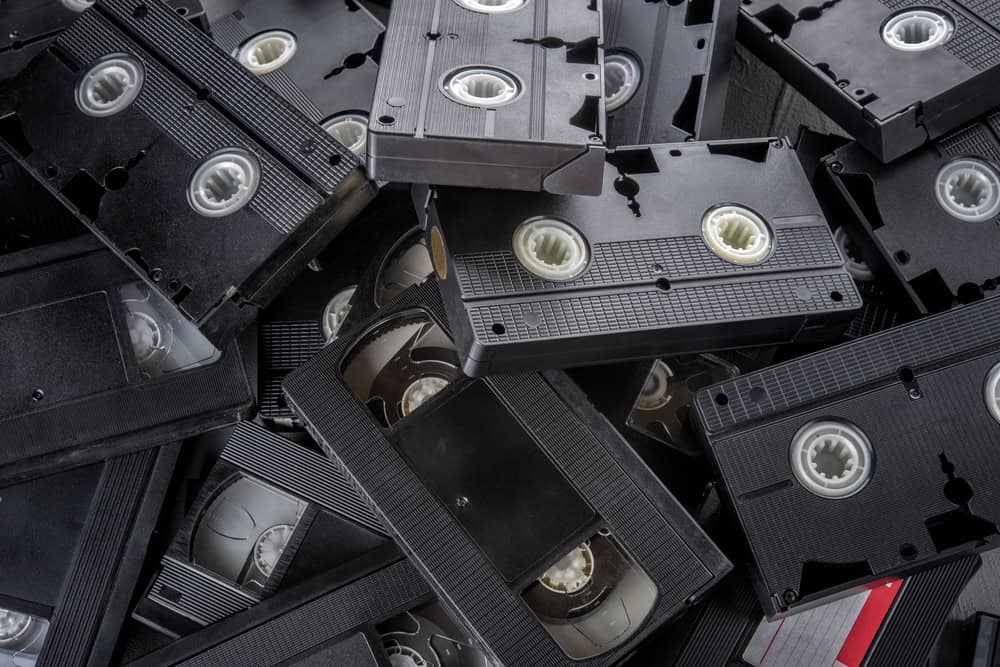
Internet rumors constantly claim that these old plastic cassettes are worth a small fortune. People genuinely believe their childhood copies of animated classics will pay off their mortgage. According to WDW Magazine, the vast majority of Disney Black Diamond VHS tapes sell for just $3 to $20.
Disney printed tens of millions of these tapes during their home video boom. No one wants to deal with grainy footage and bulky plastic cases anymore. You should probably throw those bulky plastic rectangles into the recycling bin.
Fast Food Toys
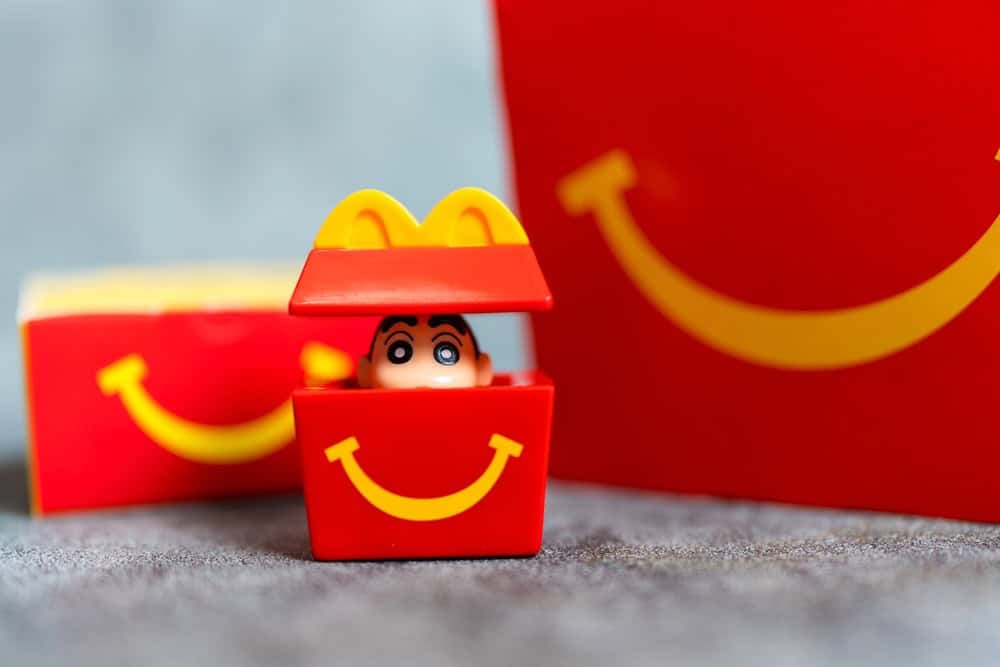
Kids begged their parents for cheap meals just to collect the latest plastic prize. Entire families would eat burgers for weeks trying to complete a movie promotional set. Most people eventually threw these tiny plastic trinkets into the garbage.
Millions of identical toys flooded the market during every major promotional tie-in. Very few people are nostalgic enough to pay premium prices for greasy plastic figurines. The toy sitting at the bottom of your toy chest is definitely not your golden ticket.
Pogs
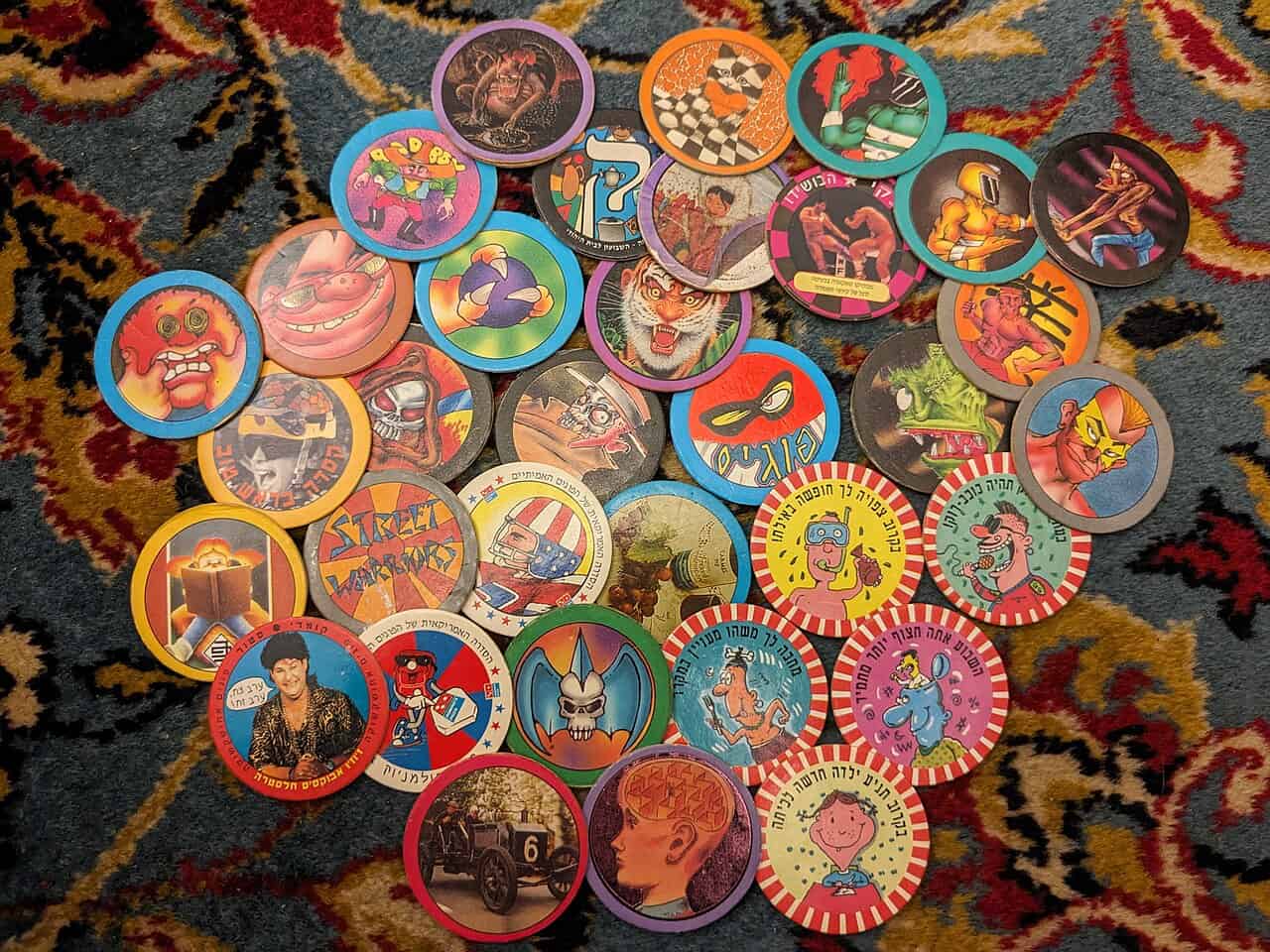
This cardboard disc game took schoolyards by storm during the early nineties. Kids traded colorful slammers and holographic caps like they were holding Wall Street stocks. The global collectibles market is projected to reach USD 535.5 billion by 2033, growing at a CAGR of 6.9%, but Pogs will not be driving that surge.
The fad burned out almost as quickly as it exploded onto the scene. You can buy entire binders full of these forgotten discs for a few crumpled bills. Those heavy metal slammers are completely useless in the modern era.
Avon Perfume Bottles

Avon released novelty bottles shaped like classic cars and wildlife to boost their sales. Grandparents proudly displayed these glass containers long after the cheap cologne ran dry. Most of these decorative containers now sell for under ten dollars at local flea markets.
The company manufactured so many novelty shapes that rarity is virtually nonexistent. Collectors quickly lost interest once the novelty wore off and shelves grew crowded. Your dusty cologne bottle shaped like a vintage train is basically worthless.
Mass Produced Sports Cards
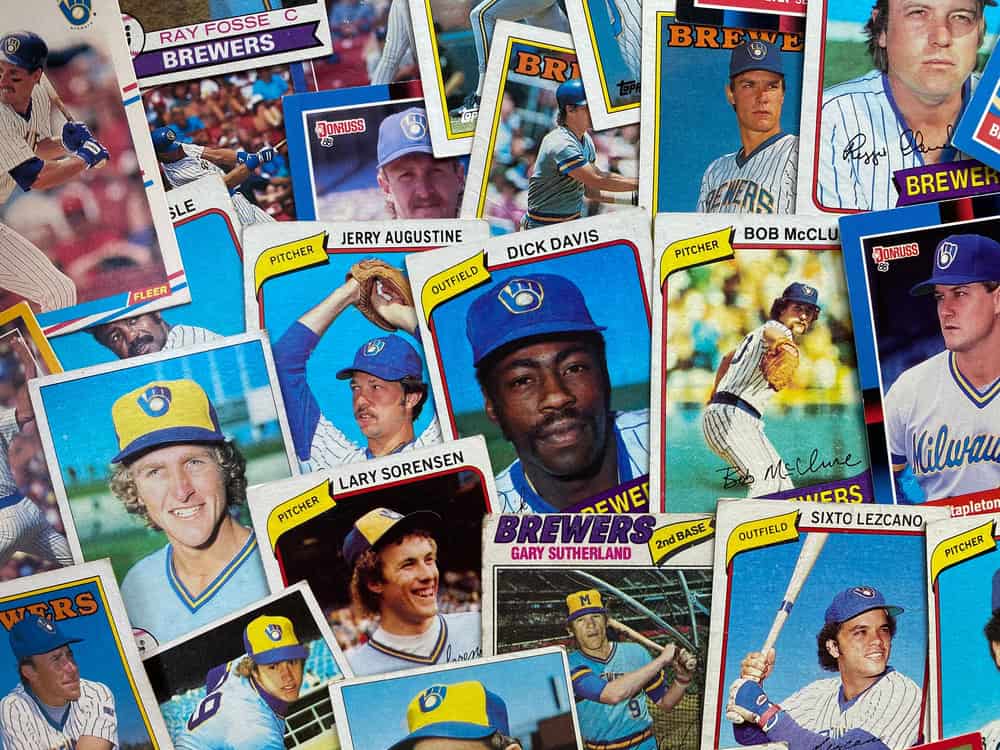
The junk wax era of the late eighties and nineties ruined baseball card investing. Printing presses ran around the clock churning out cardboard rectangles by the billions. A recent check of online auctions shows most star player cards from this era selling for literal pennies.
Everyone hoarded complete sets, assuming they would finance their retirement plans one day. The sheer volume of surviving mint-condition cards destroyed any potential scarcity. Your shiny box of rookie cards is essentially just expensive fireplace kindling.
Related Content:
- How to Handle Your Penny Collection After the U.S. Ceases Production of the Coin
- Is That Old Jewelry or Art Worth Something? How to Find Out Without Getting Scammed