10 everyday scams people fail to recognize at first
With fraud losses reaching billions annually, the most dangerous scams are no longer elaborate cons but ordinary interactions that people don’t think twice about.
Scams are becoming as common as the morning coffee run. You might think you are too sharp to fall for a trick, yet fraudsters have a way of blending their schemes into daily life so smoothly that you do not even see them coming. From clever emails that mimic trusted contacts to bogus job offers that seem too good to ignore, these quiet traps can cost time, trust, and even hard-earned savings.
Every day, scams that people initially fail to recognize can lurk in plain sight, often disguised as everyday interactions or helpful opportunities. Some scams are old tricks in new clothes, while others use the latest technology to deceive even cautious people. Knowing what to look out for is like having a flashlight in a dark tunnel.
Unsolicited Money Requests From “Loved Ones”

Scammers will pretend to be someone you care about to tug at your heartstrings and trick you into sending money. You might receive a message that appears to be from a friend or family member, stating they are stranded or in an emergency. These scams rely on quick emotional reactions because the story sounds urgent and familiar.
Once trust is established, the scammer asks for money, often via irreversible methods such as bank transfers or cryptocurrency. According to FTC data, imposter scams cost consumers nearly $12.5 billion in 2024, as people paid believing they were helping someone they cared about. When real loved ones call, you will usually have time to verify the story through another channel before acting.
Scammers sometimes create social media accounts mimicking a real person’s name and photos, making the relationship feel authentic. Always double-check the sender’s details and contact them via a known channel before you send any money.
Fake Job Offers That Ask For Fees

A job opportunity that seems tailored to your skills might be a scam, especially when they ask for money upfront. You responded because it sounded legitimate: flexible hours, good pay, even a professional email address. But real employers do not ask applicants to pay for training, background checks, or software licenses before onboarding.
In 2024, reported losses from job and employment agency scams rose from $90 million in 2020 to $501 million — a stark indicator that scammers target job seekers, especially in tough economic times. These schemes are designed to lure people eager to earn, making them feel as though they are missing out on a “gift” opportunity.
Legitimate hiring processes will never require payment from you to receive work. If asked to pay, that is your cue to walk away.
Social Media “Freebies” And Contests

Everyone loves a gift, but giveaways on social media can be a smoke screen for scams. You see a friend share a post promising high-value rewards if you like and share it. It may seem harmless, but liking and sharing can expose your profile and data to scammers.
Scammers can scrape your personal information and use it for identity theft or targeted phishing. A recent survey found that about 70% of people reported losing money after being contacted through social media scams in 2024. Not all giveaways are fake, but always verify the source before participating. If a social media contest seems vague or comes from an account with few followers or little history, assume it is a scam.
Phishing Emails That Mimic Real Companies

A message that claims to be from your bank or a trusted company might be a scam in disguise. These phishing emails often tell you to update payment details or confirm your account, creating a sense of urgency. They look official with logos and correct formats, which is why so many people fall for them.
In 2025, about 73% of U.S. adults reported experiencing an online scam or attack, with the most common being fraudulent charges or emails requesting sensitive information. The key is to remember that genuine companies never ask for personal information via unsolicited emails. Always hover over links to verify the URL, and do not click anything suspicious.
Fake Tech Support Popups

Imagine you are working on your laptop and suddenly a loud alert warns that your device is infected. The panic sets in, and a number pops up telling you to call immediately. These are fake tech support scams, and they are more common than you might think.
Once you call, the scammer attempts to charge a fee to “fix” a nonexistent problem or install malware to steal data. In 2023, email and pop-up scams accounted for the majority of phishing reports, underscoring how often fake alerts dupe people. Real tech companies never send unsolicited pop-up warnings asking you to call a number. If you see a scary warning, close the browser or restart your device instead of calling the number.
Bogus Investment Opportunities

If an investment offer sounds too good to be true, it probably is. Scammers lure people with promises of high returns and low risk, often pushing cryptocurrency or foreign exchange schemes. Because these offers promise significant gains in a short time, people seeking a solid savings plan or faster returns are drawn in.
In 2024, investment scams accounted for about $5.7 billion in consumer losses, making them among the costliest scams. These scams can undermine people’s financial goals or investment dreams because fraudsters vanish once they have collected funds. Always consult a certified financial advisor before committing money to an investment, especially if the offer came from someone you do not know.
Romance Scams That Build False Trust

Love can blind people to warning signs, and scammers know that well. Romance scams start slowly, with flattery and attention, and eventually lead to requests for money for travel, medical emergencies, or urgent personal needs. They manipulate emotions, weaving a relationship from a distance.
It might feel private and real, but once money is involved, the story often collapses because the scammer disappears. Recent research shows these scams generate huge losses, and millions of people fall victim because they trust too quickly. Making time to meet in a safe, public space is one safeguard against falling for this tactic.
QR Code Payment Scams
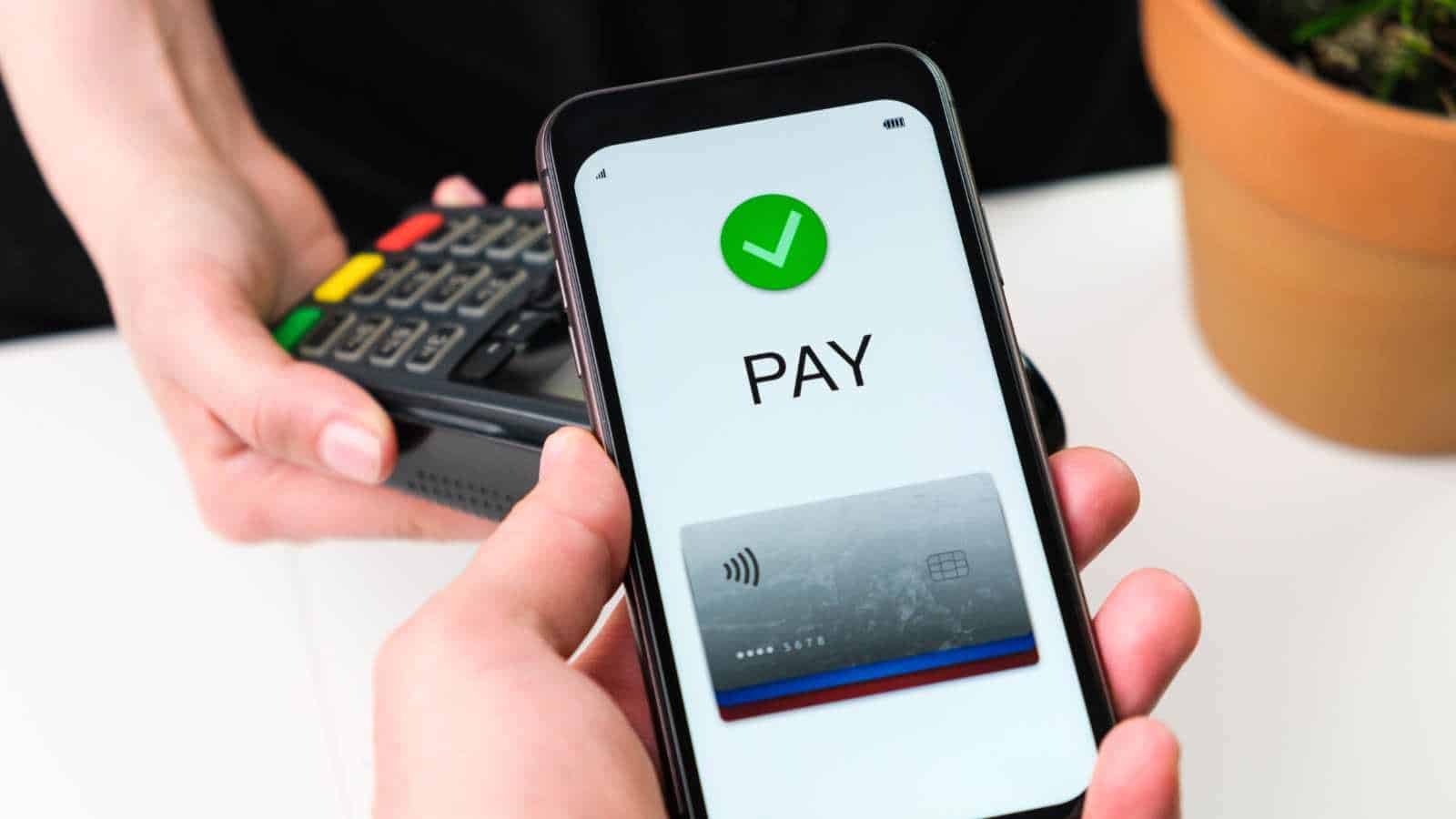
You scan a QR code to pay a bill and think you are done, but the funds are transferred to a fraudulent account. Scammers place fake payment codes over legitimate ones in public spaces or send them via message, claiming a special discount. People complete the transaction believing they are supporting a service or buying something.
Always double-check the source of a QR code, especially if it was sent by text or email. If a business provided it, confirm directly with them before scanning.
Charity And Donation Scams

Scammers tug at your empathy by pretending to be a charity in crisis. Especially after natural disasters, fraudsters set up fake donation pages or social profiles and promote them widely. People give generously, thinking they are helping others, but the money goes straight to the scammer.
A detailed study 403 found 832 fraudulent donation accounts on major social platforms in early 2024, tricking users into giving via unofficial channels. Always verify charity credentials through trusted registries before donating.
Counterfeit Goods Online

You think you got a great deal on a luxury item, but when the package arrives, it turns out to be counterfeit. Online marketplaces are full of good deals that turn out to be knock-off products. Sellers post images of well-known brands but ship substandard goods after payment.
Even worse, insecure sites can steal your credit card details. Check reviews, seller ratings, and secure payment icons before purchasing. Remember, if the price seems too low, it may be because the product is not genuine.
Key Takeaway
Scams are everywhere and often disguised as everyday interactions, tempting offers, or urgent requests. Knowing the most common schemes helps you protect not just your money but also your personal information and trust in others.
Pay attention to red flags such as unsolicited money requests, urgent demands, and offers that seem too good to be true. When in doubt, verify identities, check official channels, and talk to a friend before acting.
The 15 Things Women Only Do With the Men They Love

The 15 Things Women Only Do With the Men They Love
Love is a complex, beautiful emotion that inspires profound behaviors. We express our love in various ways, some universal and others unique to each individual. Among these expressions, there are specific actions women often reserve for the men they deeply love.
This piece explores 15 unique gestures women make when they’re in love. From tiny, almost invisible actions to grand declarations, each tells a story of deep affection and unwavering commitment.