10 Fashion Trends That Are Destroying Animal Habitats
Fashion’s glossy trends are erasing ecosystems faster than conservationists can map the damage.
We look at our packed closets and see outfits for work or the weekend, but nature often sees a demolition crew. It is hard to believe that our favorite Saturday night shirt might be responsible for wiping out a forest halfway across the globe. We usually check the price tag and the fit, never stopping to think about the journey that piece of fabric took to get to the rack.
The fashion industry has a heavy footprint that goes way beyond just carbon emissions in the sky. From the dusty plains of Mongolia to the lush depths of the Amazon, our shopping habits are physically reshaping the map. We are going to look at ten specific trends that are turning wild homes into barren wastelands, and we promise to keep the lecture short and the facts straight.
The Denim Distressing Process

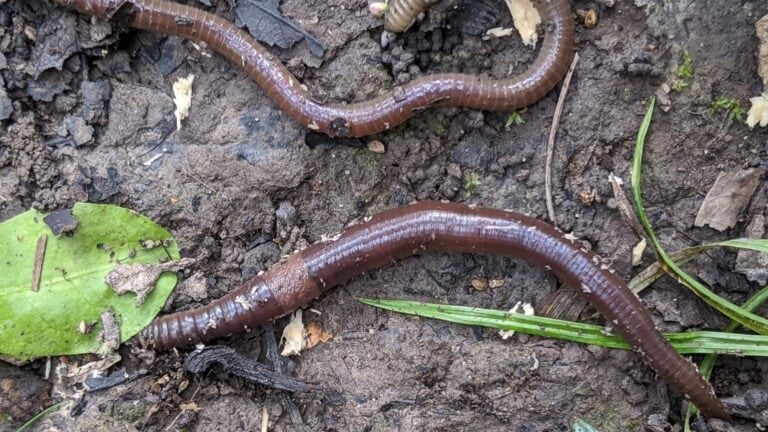
Everyone loves a pair of jeans that looks lived-in, but that distressed look comes at a high price for river habitats. Factories use harsh chemicals and pumice stones to break down the denim fibers, creating toxic sludge. This wastewater is frequently dumped untreated into local waterways, turning rivers blue and killing everything inside them.
The chemicals block sunlight and suck oxygen out of the water, creating dead zones. In major denim-producing hubs, the rivers are so polluted that they can no longer support fish or plant life. The local ecosystem collapses so that we can have jeans that look like we have owned them for years.
Cheap Synthetic Fabrics And Microplastics

You probably love a bargain bin find that stretches and breathes, but that cheap polyester dress is a ticking time bomb for marine life. When you wash these synthetic clothes, they shed tiny plastic fibers that bypass filtration systems and flow straight into the ocean. It creates a plastic soup that fish mistake for food, effectively turning their habitats into a toxic dining room.
The scale of this invisible pollution is actually terrifying when you look at the numbers. According to the IUCN, about 30% of the primary microplastics entering the world’s oceans comes from washing synthetic textiles. That means our laundry days directly contribute to the degradation of deep-sea ecosystems where these plastics accumulate.
The Insatiable Demand For Cashmere
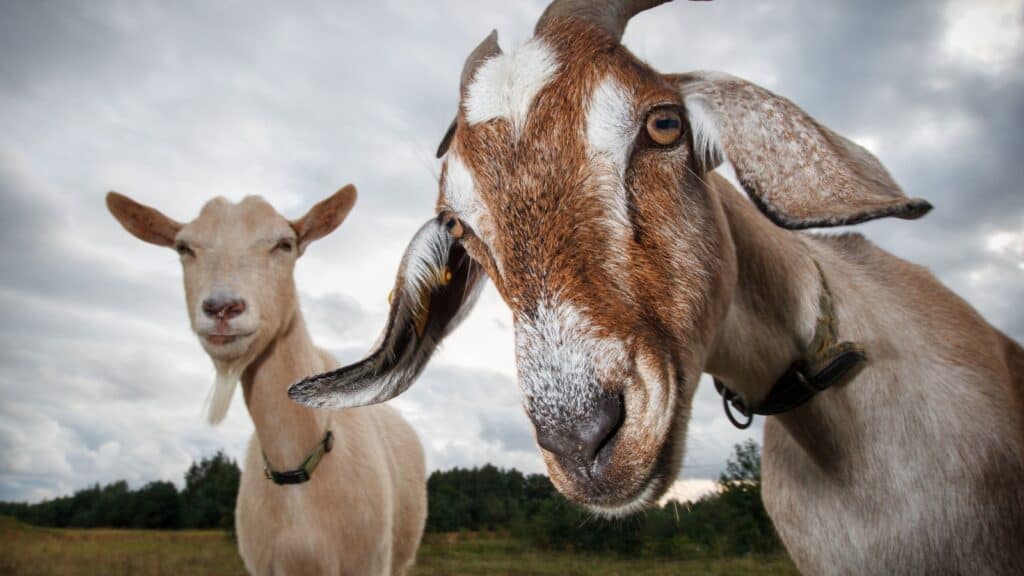
Cashmere used to be a luxury item for the rich, but now you can find it in almost every mall for twenty bucks. To keep up with this cheap demand, herders have increased their goat numbers to unsustainable levels. Goats are aggressive eaters that devour plants down to the roots, leaving the soil loose and unable to recover.
This overgrazing turns grassy steppes into dust bowls where nothing wild can survive. The United Nations Development Programme reports that 77% of Mongolia is a fragile dryland that is under increasing threat of desertification. The native wildlife that relies on those grasslands is being pushed out by domestic herds that are eating the land bare.
Rayon And Viscose Production

We often think of rayon as a sustainable alternative to synthetics because it comes from plants, but the source matters. Millions of trees are logged every year to be pulped into the soft fabric we love to wear. This creates a direct line of destruction from your closet to the habitats of endangered species, such as the orangutan.
The industry calls this dissolving pulp, and it is hungry for old-growth forests. Non-profit CanopyStyle estimates that over 300 million trees are logged annually for fabric production. When we lose these forests, we lose the complex biodiversity that can never be replanted or replaced by a tree farm.
Industrial Cattle Ranching For Leather
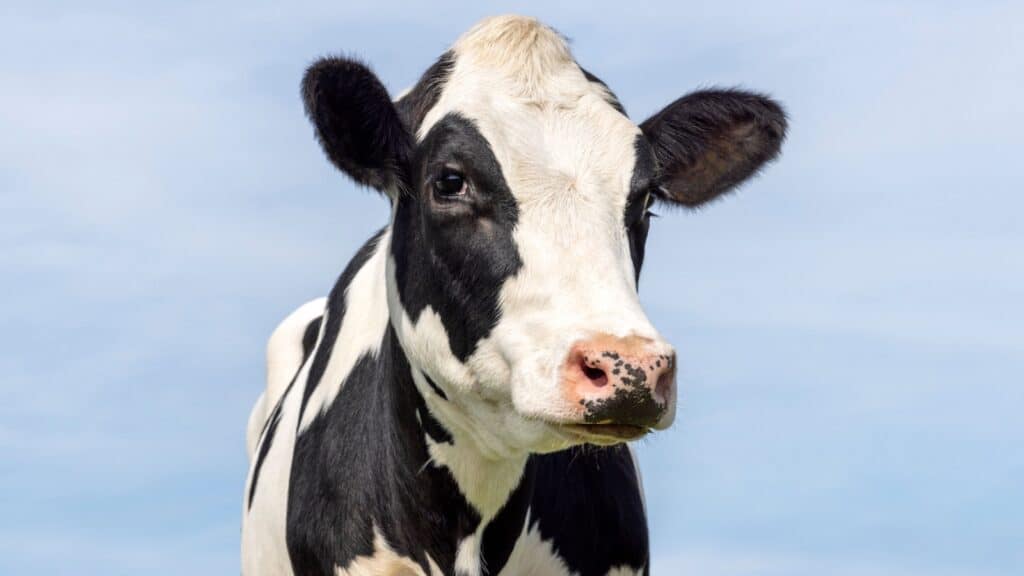
Leather boots and bags are timeless staples, but the cows needed to make them require massive amounts of land. Ranchers frequently burn down native forests to create grazing pastures for cattle intended for the fashion and food industries. This practice destroys the homes of jaguars and sloths to make room for livestock.
The link between your leather jacket and the rainforest is stronger than you might think. Cattle ranching accounts for 80% of the current deforestation rates in Amazon countries. We are trading the lungs of the planet for durable accessories.
Conventional Cotton Farming

Cotton feels natural and safe, yet growing it conventionally is a nightmare for local environments. Farmers often divert entire rivers to irrigate this thirsty crop, leaving downstream habitats completely dry. Excessive water use drains wetlands and kills the fish and birds that rely on them.
The amount of liquid required to grow the fiber for a single garment is staggering. According to the World Wildlife Fund, it takes 2,700 liters of water to produce just one cotton t-shirt. That massive consumption depletes freshwater reserves that wild animals need to survive.
Gold Mining For Jewelry

Fast fashion jewelry and high-end bling both rely on gold, a material that is incredibly destructive to extract. Open-pit mining strips away the topsoil and vegetation, leaving behind a scarred and lifeless terrain. Chemical runoff from these mines often poisons nearby streams, killing aquatic life for miles.
The ratio of waste to reward in this industry is one of the worst on the planet. Earthworks states that producing enough gold for a single wedding ring generates 20 tons of toxic mine waste. We are literally moving mountains and poisoning rivers just to wear something shiny.
Fur Trims And Accessories

While full fur coats are falling out of favor, fur trims on hoods, gloves, and boots remain widespread. Fur farms generate massive amounts of waste runoff that contains high concentrations of phosphorus and nitrogen. This runoff seeps into the soil and waterways, causing algae blooms that choke out native aquatic species.
These farms also serve as reservoirs for invasive species if the animals escape. American Mink from fur farms have decimated native vole populations in Europe and disrupted the local food chain. Buying that jacket with the fuzzy hood supports an industry that pollutes water and threatens native biodiversity.
Wool Production And Land Clearing
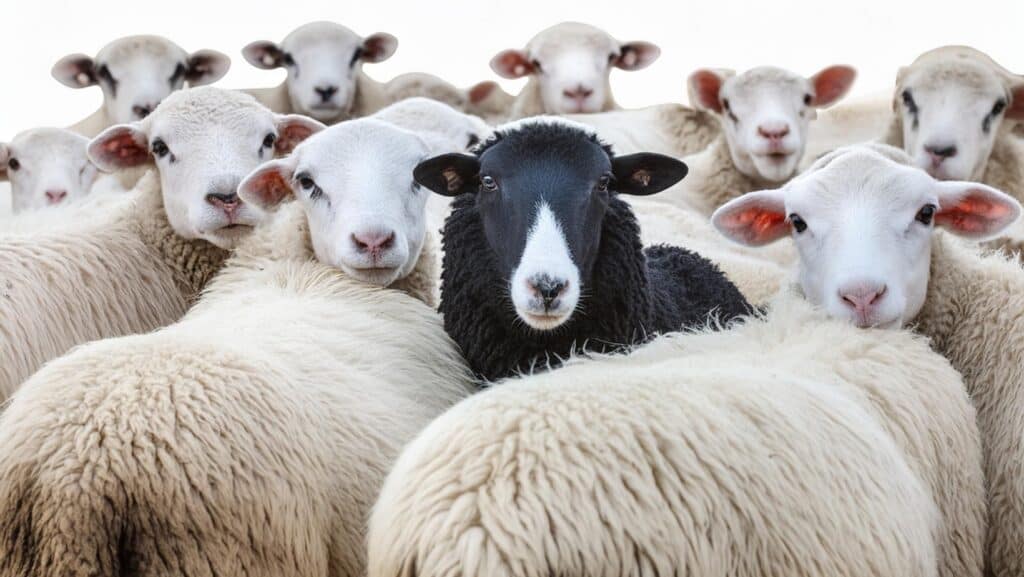
Wool is another natural fiber that requires extensive grazing space for sheep. Farmers in Australia and South America often use heavy machinery to clear native scrubland to make room for their flocks. This removes the nesting grounds and food sources for native birds and small mammals.
The removal of native vegetation creates a ripple effect that hurts the entire ecosystem. Predators are killed to protect the sheep, further unbalancing the natural order of the region. We are prioritizing a warm sweater over the survival of creatures like koalas and wombats.
Fast Fashion Landfills
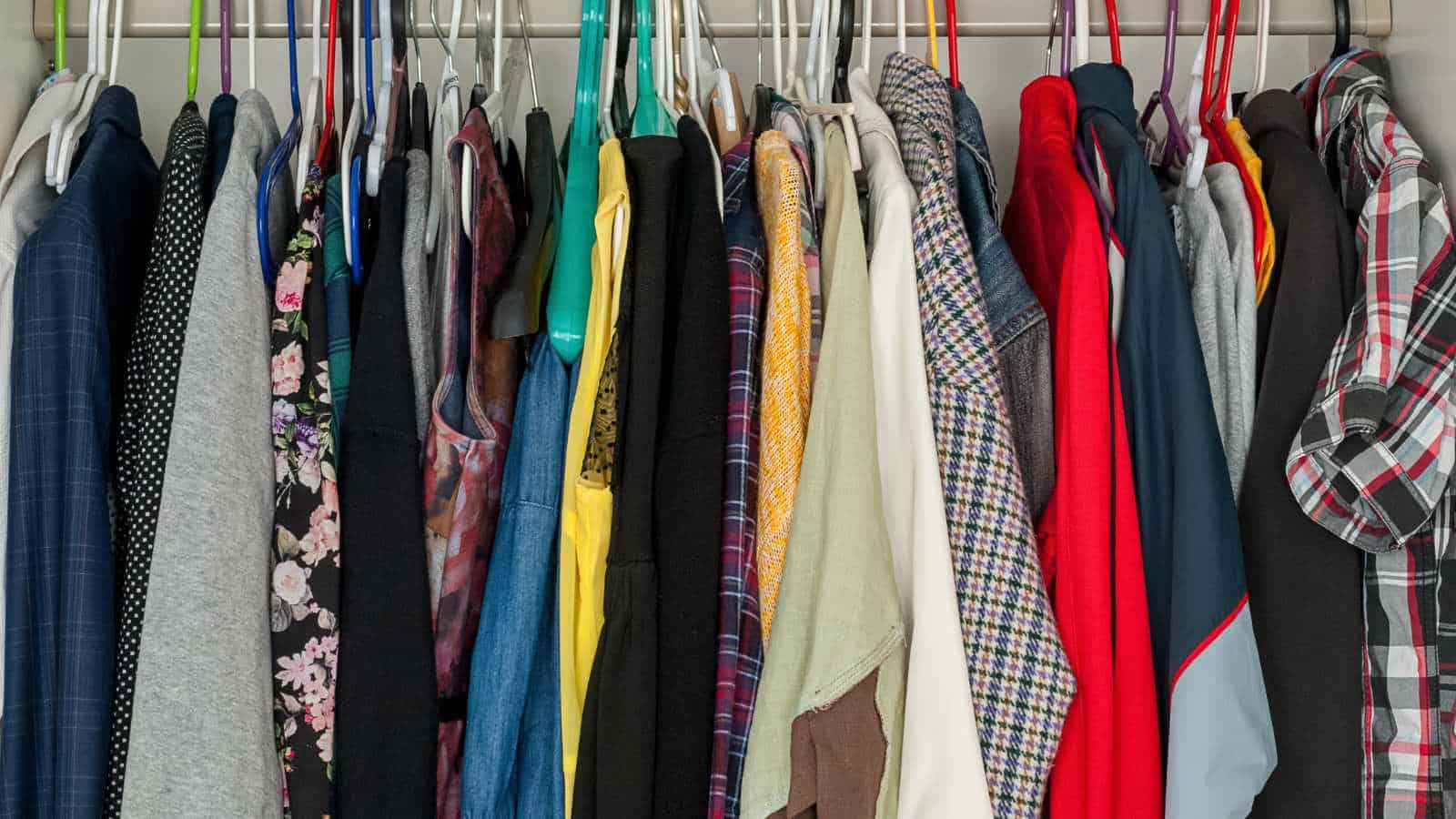
The speed at which we buy and toss clothes creates physical mountains of waste that encroach on wild lands. Unsold or discarded garments are often shipped to developing nations where they end up in massive, open-air dumps. These dumps expand into forests and fields, physically burying the habitat under rotting fabric.
As these clothes decompose, they leach dyes and chemicals into the ground. This toxic leachate pollutes groundwater and soil, rendering the surrounding area uninhabitable for plants and animals. Our need for the newest trend is literally burying nature under a pile of last season’s polyester.
15 Things Women Only Do With the Men They Love

The 15 Things Women Only Do With the Men They Love
Love is a complex, beautiful emotion that inspires profound behaviors. We express our love in various ways, some universal, while others are unique to each individual. Among these expressions, there are specific actions women often reserve for the men they deeply love.
This piece explores 15 unique gestures women make when they’re in love. From tiny, almost invisible actions to grand declarations, each tells a story of deep affection and unwavering commitment.