10 Foods Popular with Boomers That Gen Z Isn’t Into
What we choose to eat reveals more than taste; it quietly traces the line between nostalgia and change across generations.
According to The Food Institute, 75% of Baby Boomers still use traditional methods for food preparation, even for globally inspired dishes. While the world evolves, many boomers are holding tight to the nostalgic meals they grew up with. Meanwhile, Gen Z is making a serious case for everything fresh, functional, and environmentally conscious.
It’s clear these two generations aren’t seeing eye to eye when it comes to what’s on the plate. Let’s take a fun look at some classic foods Baby Boomers still crave, but Gen Z is pretty much leaving behind!
Meatloaf dinners

Meatloaf is a comfort food classic that has been around for generations, and it remains firmly in the boomer’s dinner rotation. Meanwhile, younger generations find it unappetizing, calling it “mystery meat” that looks overly processed. Gen Z craves recognizable, clean ingredients and visually appealing meals, which meatloaf fails to deliver.
Canned tuna lunches
Canned tuna was once the go-to for quick, affordable meals. CNBC reported that canned tuna consumption in the U.S. dropped by approximately 45% between 2000 and 2021.
Younger consumers often associate it with processed, unappealing meals and don’t even have can openers. Many Gen Z’ers view tuna sandwiches as outdated, whereas boomers still rely on tuna salads and tuna-mayo sandwiches for easy, protein-packed meals.
Liver and onions
Liver and onions might be the ultimate boomer comfort food, but it’s a definite turn-off for Gen Z. This dish, once seen as an affordable protein, is often praised for its iron content. However, Gen Z rejects it due to its strong, metallic taste and its association with organ meats.
Cottage cheese cups
Cottage cheese has long been a fridge staple for boomers, often served as a low-fat snack or paired with baked potatoes. However, according to Mintel, Gen Z consumers are moving toward protein-packed options such as Greek yogurt and protein drinks. The lumpy texture of cottage cheese isn’t as “Instagrammable” as the smooth, colorful alternatives that appeal to younger consumers.
Processed American cheese slices
For boomers, processed American cheese slices are a nostalgic fridge essential. But for Gen Z, it’s a different story, with many associating it with unhealthy eating.
Mayonnaise-heavy salads
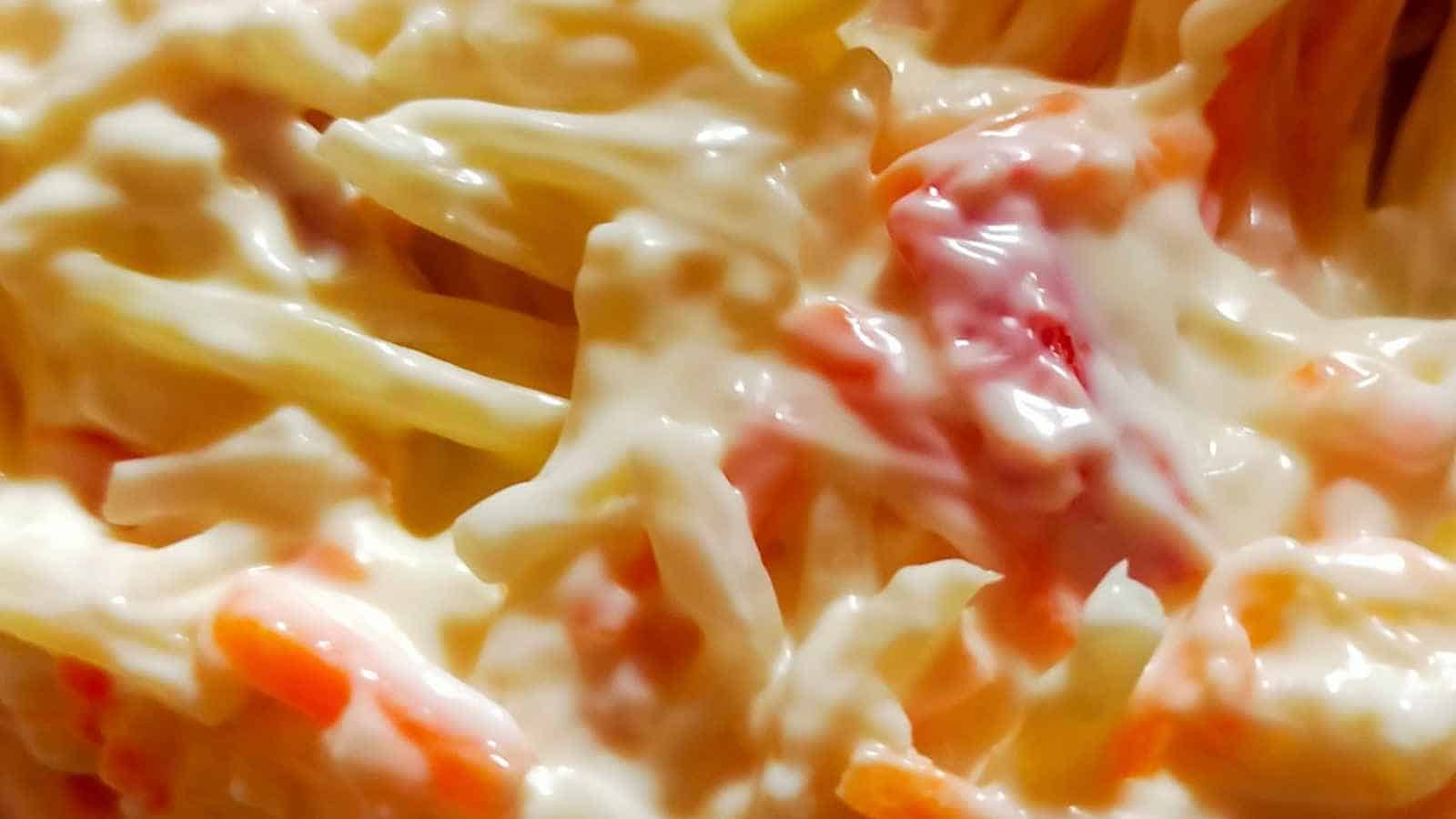
Mayonnaise is a key ingredient in many boomer-era salads. EBSCO reports that mayonnaise gained widespread popularity in the 19th century, becoming a staple, particularly in American cuisine, for salads and sandwiches.
But Gen Z is taking a different approach. Younger consumers are more cautious about high-fat condiments and prefer lighter, gut-health-friendly alternatives like yogurt-based dressings and functional beverages.
Boxed breakfast cereal
For boomers, cereal is a classic breakfast choice. Younger consumers are less likely to eat breakfast cereals due to concerns about sugar content and artificial ingredients. Instead, they opt for protein shakes, eggs, or yogurt. When they do buy cereal, it’s often for snacking, not as a regular breakfast option.
Frozen TV dinners
Frozen TV dinners were once a staple of convenience meals for many, and they remain popular with older generations. Statista survey found 37% of Gen X and older consumers enjoy frozen ready meals. But Gen Z is far more discerning, choosing frozen fruits and vegetables and “better-for-you” bowls instead.
Canned vegetables
Canned vegetables, such as mushy peas, are often associated with post-war era meals and remain a go-to for boomers. According to Mintel, less than one in five Gen Z consumers say they avoid preparing vegetables because it is a hassle.
With the rise of plant-based and fresh ingredients, canned vegetables are becoming less desirable among younger generations.
Classic gelatin and Jell-O molds
Gelatin salads and Jell-O molds were once party staples, but they’re now considered outdated by Gen Z. Today’s younger generation prefers fresh fruit, yogurt parfaits, and minimally processed desserts.
The bright, sugary gelatin molds are often dismissed as artificial and overly sweet. As Gen Z prioritizes clean labels and less-processed food, gelatin desserts are unlikely to make a comeback.
Key takeaway

Boomers and Gen Z have drastically different tastes when it comes to food. While boomers favor nostalgic, convenience-heavy meals, Gen Z seeks out fresh, sustainable, and clean-label options. The younger generation is driving trends like plant-forward meals, functional beverages, and high-protein snacks, leaving many classic boomer staples, like canned tuna and meatloaf, in the past.
Disclosure line:
This article was developed with the assistance of AI and was subsequently reviewed, revised, and approved by our editorial team.
Why Your Daily Coffee Could Be the Secret to Better Wellness

Why Your Daily Coffee Could Be the Secret to Better Wellness
Coffee is more than a pick-me-up. It’s a beverage linked to improved brain health, metabolic strength, heart resilience, and even a longer life. With antioxidants and plant compounds working alongside caffeine, it’s no wonder researchers call it one of the most powerful wellness drinks available.