11 Boomer Habits That Are Trending Once More
In a world racing forward, the habits we once dismissed as old-fashioned are quietly proving they were ahead of their time.
Baby boomers were the generation that defined the American Dream. Often characterized by their love of convenience and a massive cultural shift away from the post-war austerity of their parents, their habits—from cooking dinner every night to saving up for big purchases—were once seen as quaint or even old-fashioned by succeeding generations. Times, however, have a funny way of circling back, and many of these classic, practical habits are making a stunning return.
Today, as younger generations face economic headwinds and seek more authentic, less frantic lives, a new appreciation for the Boomer way of doing things has blossomed. It turns out that a lifetime of practical wisdom, centered on thrift, durability, and authentic connection, holds immense appeal for those feeling burned out by the instant gratification treadmill. This return to basics is less about nostalgia and more about rediscovering functional, resourceful ways to live daily.
Holding The Door For Others

Simple acts of courtesy, the kind your grandmother drilled into you, are no longer viewed as outdated formality—they are a welcome antidote to impersonal public life. Holding the door for the person behind you, opening a car door for a lady, offering your seat to an elderly person, and letting someone merge in traffic all speak to a common bond that has felt strained lately. These tiny gestures restore a sense of community and mutual respect that can feel lost in the digital age.
This emphasis on basic, human-level consideration is part of a broader craving for a more considerate society. When you are rushing through your day, a pause to perform a simple kindness is a moment of peace, both for you and the person you are acknowledging.
Cooking A Big Meal At Home

The ritual of the Sunday supper or just a regular weeknight family dinner, cooked from scratch, is making a definite comeback. After years of relying on takeout and meal kits, people are finding absolute satisfaction in cooking. A desire for both healthier food and greater control over the household budget drives this shift.
It’s about more than just the food; it’s about establishing a rhythm and a shared experience in an otherwise busy week. The Kitchn reported in a recent survey that 54% of home cooks said their focus for the year was on “quick/time-saving” meals, suggesting that finding efficient ways to cook remains a high priority, but the core activity of home cooking itself is deeply entrenched.
Repairing Rather Than Replacing

The concept of a disposable society is quickly falling out of favor, particularly as people become more conscious of environmental impact and the pinch in their wallets. Instead of tossing a sweater with a small tear or a toaster that’s on the fritz, people are learning to mend and fix. This resourceful attitude of the Boomer generation is now seen as a badge of honor for the environmentally and economically minded.
A desire to invest in quality items and maintain them is replacing the fast-fashion mentality. The average American throws away about 81.5 pounds of clothing annually, a staggering figure that is prompting a massive resurgence in visible mending and DIY home repair.
Being A Neighborly Neighbor

Boomers often recall a time when they knew everyone on their block, and borrowing a cup of sugar was a regular occurrence. That sense of a close-knit community is being actively revived by people who are fatigued by hyper-individualism and isolation. The modern neighborhood app is a partial replacement, but the real habit is making face-to-face connections again.
Community gardens, block parties, and neighborhood watch groups are all examples of this habit making a comeback. People are figuring out that their lives are fundamentally richer when they have a support network that extends beyond their immediate family or social media circle.
Buying High-Quality Furniture

There’s a clear move away from cheap, assembly-required furniture that will need to be replaced in a few years. Just as Boomers often invested in pieces meant to last a lifetime, younger people are now prioritizing durability and craftsmanship over fleeting trends. They are visiting estate sales and consignment shops, looking for pieces with real substance and history.
This habit reflects a desire to create a stable, permanent home environment instead of renting temporary setups. For instance, the U.S. secondhand apparel market grew 14% in 2024, outpacing the broader retail clothing market by five times, and this thrift-first mentality is spilling over into home goods and furniture.
Embracing Snail Mail

There is nothing quite like opening an actual letter addressed to you, especially when it’s not junk mail or a bill. While Boomers used handwritten correspondence as their primary means of communication, today’s revival of “snail mail” is about intentionality and human connection. Sending a handwritten note or a thank-you card stands out powerfully in a digital stream of consciousness.
The simple, tactile experience of putting a pen to paper and dropping it in the mailbox creates a deep sense of connection. Amnesty’s polling for a 2024 human rights campaign revealed that 49% of younger people aged 18-34 wished they received more handwritten letters, highlighting a strong desire for this physical connection.
Having A Dedicated Hobby

Boomer life was often defined by hobbies that required patience and focus, such as knitting, woodworking, or model trains, rather than scrolling through an endless stream of digital content. Today, people are desperate for activities that yield tangible results and require them to put their phones down. These dedicated pursuits are a mindful escape from the incessant noise of modern life.
This habit is a response to the constant overstimulation of the modern world. People are discovering that the deep concentration required for a craft is far more restful than passive entertainment.
Playing Board Games
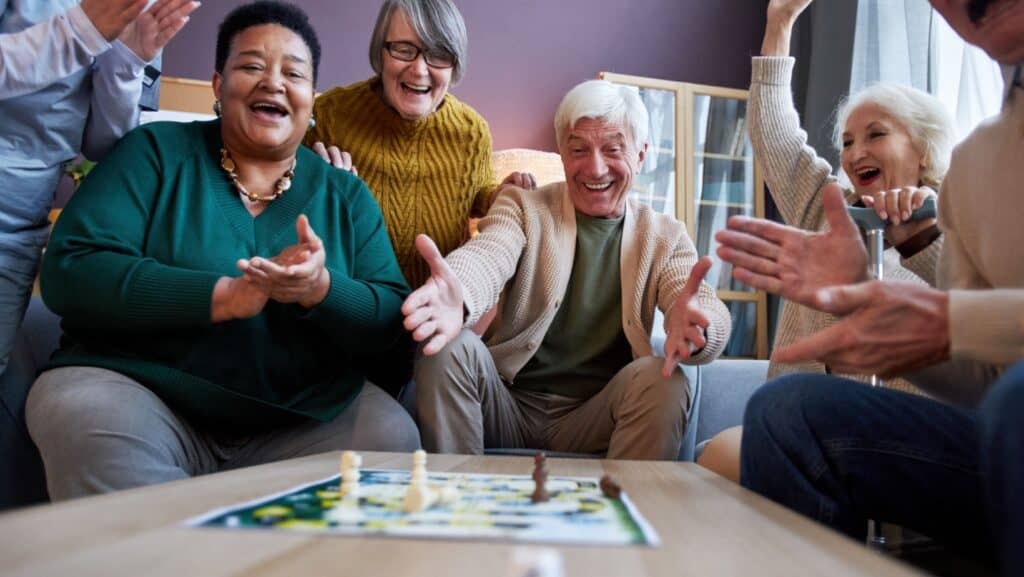
The family gathered around the kitchen table, arguing over a game of Monopoly or Scrabble, is a quintessential Boomer memory now being re-enacted everywhere. Board games offer a delightful, screen-free way to interact and spend quality time with friends and family. The move away from single-player video games signals a longing for shared, face-to-face fun.
Board games force conversation and laughter, replacing passive entertainment with active participation. North America dominated the board game market in 2024, accounting for 41.68% of global sales, proving that tabletop gaming is a major player in modern entertainment, not just a throwback.
Taking A Real Afternoon Nap

The concept of a Sunday afternoon nap used to feel like a relic of a slower time, but the exhaustion felt by a stressed-out modern workforce has made intentional rest a necessity. Boomers never apologized for a midday rest, and now younger people are taking a page from that playbook. It’s a powerful acknowledgment that productivity is useless without adequate recovery time.
The glorification of “the hustle” is giving way to a more balanced view of personal energy. A study from the Sleep Foundation confirms that short naps can significantly improve alertness, mood, and performance, providing a scientifically backed reason for this Boomer ritual.
Growing Your Own Food

Whether it’s a few herbs on the windowsill or a full-blown vegetable patch in the backyard, growing some of your own food is a trend with deep Boomer roots. The appeal is twofold: saving money at the grocery store and connecting with the food source. There is an undeniable satisfaction that comes from eating a tomato you tended yourself, which no supermarket can replicate.
This habit speaks to a general desire for greater self-sufficiency and awareness about food quality. Today, more U.S. households have gardens, growing vegetables, fruits, and other food, connecting with the earth in a way that feels grounding and immensely rewarding.
Using Cash More Often

While plastic and digital payments dominate, there is a subtle yet growing trend toward using physical cash for day-to-day purchases. Boomers favored cash and checks for tracking spending, and this same sensible discipline is appealing to younger people struggling to keep their budgets in line. Watching the paper money leave your hand creates a tangible friction that digital payments simply lack.
This method provides a form of self-imposed budgeting known as the envelope system, which prevents overspending by physically limiting the funds available for different categories.
15 Things Women Only Do With the Men They Love

The 15 Things Women Only Do With the Men They Love
Love is a complex, beautiful emotion that inspires profound behaviors. We express our love in various ways, some universal, while others are unique to each individual. Among these expressions, there are specific actions women often reserve for the men they deeply love.
This piece explores 15 unique gestures women make when they’re in love. From tiny, almost invisible actions to grand declarations, each tells a story of deep affection and unwavering commitment.