10 high school subjects that defined the Boomer generation
The subjects students studied decades ago reveal how differently a generation was prepared for adulthood—and how much of that preparation has quietly faded.
Picture walking down the linoleum hallways of a midcentury high school with a heavy stack of textbooks under your arm. The air smells vaguely of chalk dust and floor wax. Kids are buzzing about the upcoming Friday night football game or the latest rock record. High school during those days was a completely different experience from what students face right now.
You had to memorize facts, work with your hands, and learn practical skills to survive in the adult economy. Education focused heavily on preparation for immediate careers, domestic life, and civic duties. Those classroom lessons molded an entire generation into the folks who eventually built modern America.
Woodshop and Industrial Arts

Walking into a shop class meant putting on safety goggles and learning how to operate heavy machinery. Teenagers built birdhouses, repaired small engines, and figured out the basic mechanics of how things work. Learning a physical trade gave students a massive advantage if they wanted to enter the workforce right after graduation.
There was a profound sense of pride in bringing home a wobbly wooden stool you built with your own hands. You had to measure twice and cut once, which taught patience and problem-solving. These direct practical experiences are sorely missed by folks who remember the satisfaction of honest manual labor.
Home Economics

Cooking a basic meal and balancing a household budget were considered essential survival skills for teenagers back then. Students learned how to sew on buttons, bake casseroles, and manage the financial needs of a growing family. These practical classes prepared young adults for the immediate realities of running a home.
Today, this subject has evolved into Family and Consumer Sciences with a completely different career focus. ZipRecruiter 403 reports that the median wage for someone with a degree in this field is just over $82,000. While the curriculum has modernized, the fundamental goal of teaching life skills remains incredibly valuable.
Civics and Government

Understanding how a bill becomes a law was a strict requirement before anyone handed you a diploma. Teachers drilled students on the branches of government, the Constitution, and the absolute importance of voting. You could not escape high school without a firm grasp of your civic duties as an American citizen.
Modern test scores suggest that this subject might need a serious revival in our current classrooms. The 2022 National Assessment of Educational Progress revealed that only 22 percent of eighth graders scored at or above the proficient level in civics. The foundational knowledge taught to previous generations has slipped away over time.
Typing and Shorthand
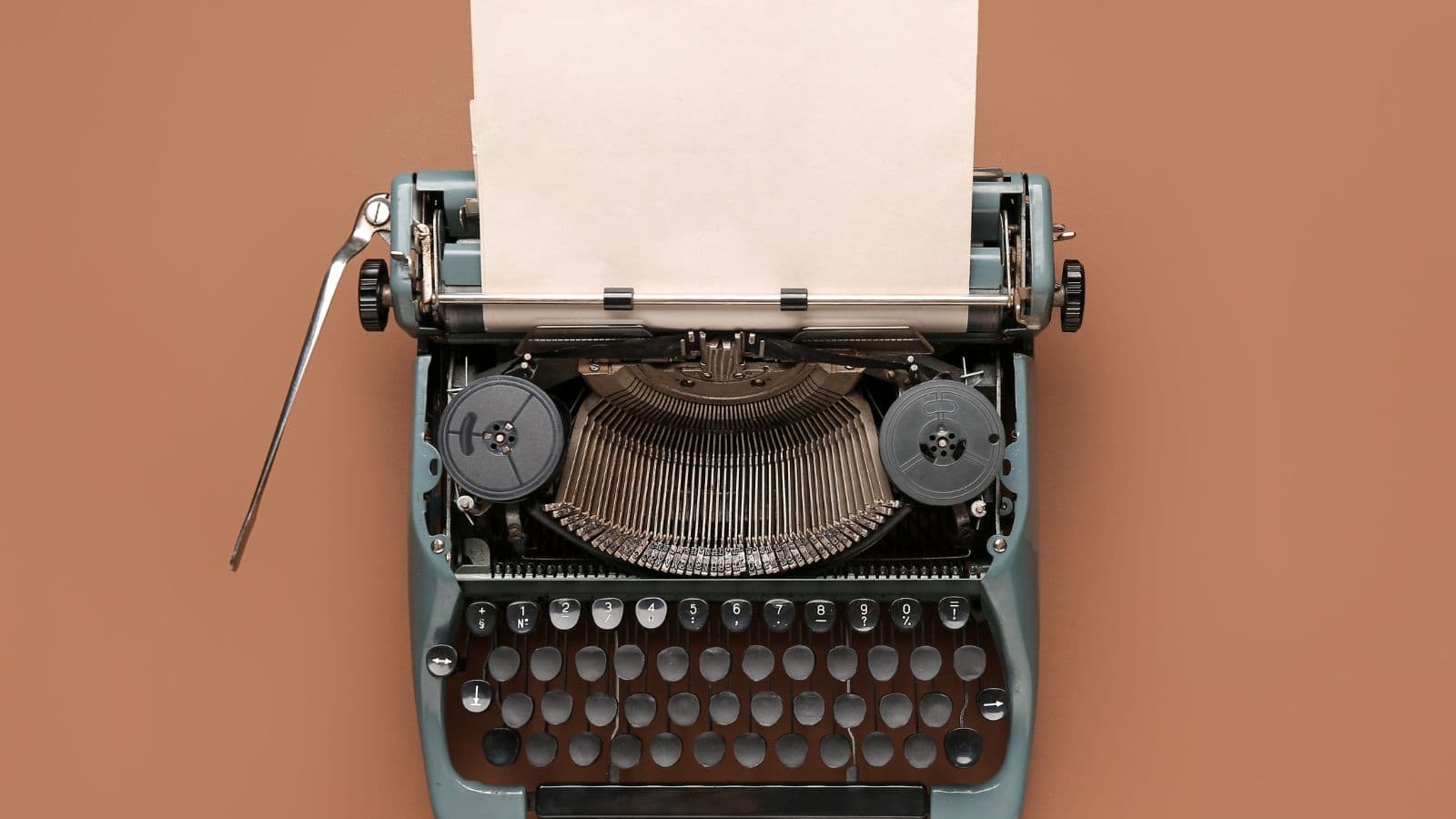
The rhythmic clacking of heavy mechanical typewriters echoed down the hallways of nearly every American high school. Students spent hours memorizing the home row and learning how to dictate letters using complicated shorthand symbols. Mastering these specific skills practically guaranteed you a steady office job immediately after graduation.
We all carry digital keyboards in our pockets now, but formal typing instruction has largely disappeared. Interestingly, a 2024 report by Predictive Success notes that the average adult still only types around 40 words per minute. Those rigorous drills clearly produced some of the fastest and most accurate typists the workforce has ever seen.
Physical Education

Gym class was a grueling daily requirement that involved climbing thick ropes and running endless laps around the track. You had to change into a highly unflattering uniform and sweat it out regardless of your athletic ability. These intense physical challenges built character and kept the entire student body in surprisingly good shape.
Kids today are simply not getting the same level of rigorous exercise during their normal school hours. According to the 2024 United States Report Card on Physical Activity for Children and Youth, only 20 to 28 percent of children meet the recommended 60 minutes of daily physical activity. Bringing back mandatory daily gym classes could probably solve a lot of modern health issues.
Penmanship and Cursive

Having elegant handwriting was considered a true mark of a properly educated and refined individual. Teachers would constantly grade you on the slant, loops, and overall neatness of your written assignments. If your cursive was sloppy, you would be forced to practice tracing letters until your hand cramped.
This flowing style of writing was nearly abandoned, but some places are finally bringing it back. In 2024, California became the 22nd state to pass a law requiring some form of cursive handwriting instruction in public elementary schools. Being able to read historical documents and sign your own name is a skill that never should have left the classroom.
Driver Education

Getting your driver’s license was the ultimate ticket to freedom, and the school actually helped you achieve it. Instructors bravely sat in the passenger seat while nervous teenagers learned how to parallel park in the school lot. Having access to a free driving instructor made it incredibly easy for everyone to get on the road safely.
You spent weeks watching terrifying instructional films about highway safety before you ever touched a steering wheel. The entire community benefited from having newly licensed drivers who were properly trained by professionals. It is a shame that families now have to pay expensive private companies for this basic teenage rite of passage.
Foreign Languages

Learning to roll your letters in Spanish or conjugate verbs in French was a standard part of the academic track. Students had to memorize endless vocabulary lists and practice speaking aloud in front of their highly critical peers. These language requirements forced teenagers to look beyond their own neighborhoods and appreciate different cultures.
Today, the priority placed on learning a second language has unfortunately taken a massive hit across the country. According to a recent American Council on International Education survey, only about 20 percent of the K through 12 student population in the U.S. is currently enrolled in foreign language courses. We are losing out on a crucial tool that helps connect people across global borders.
Geography and Map Reading
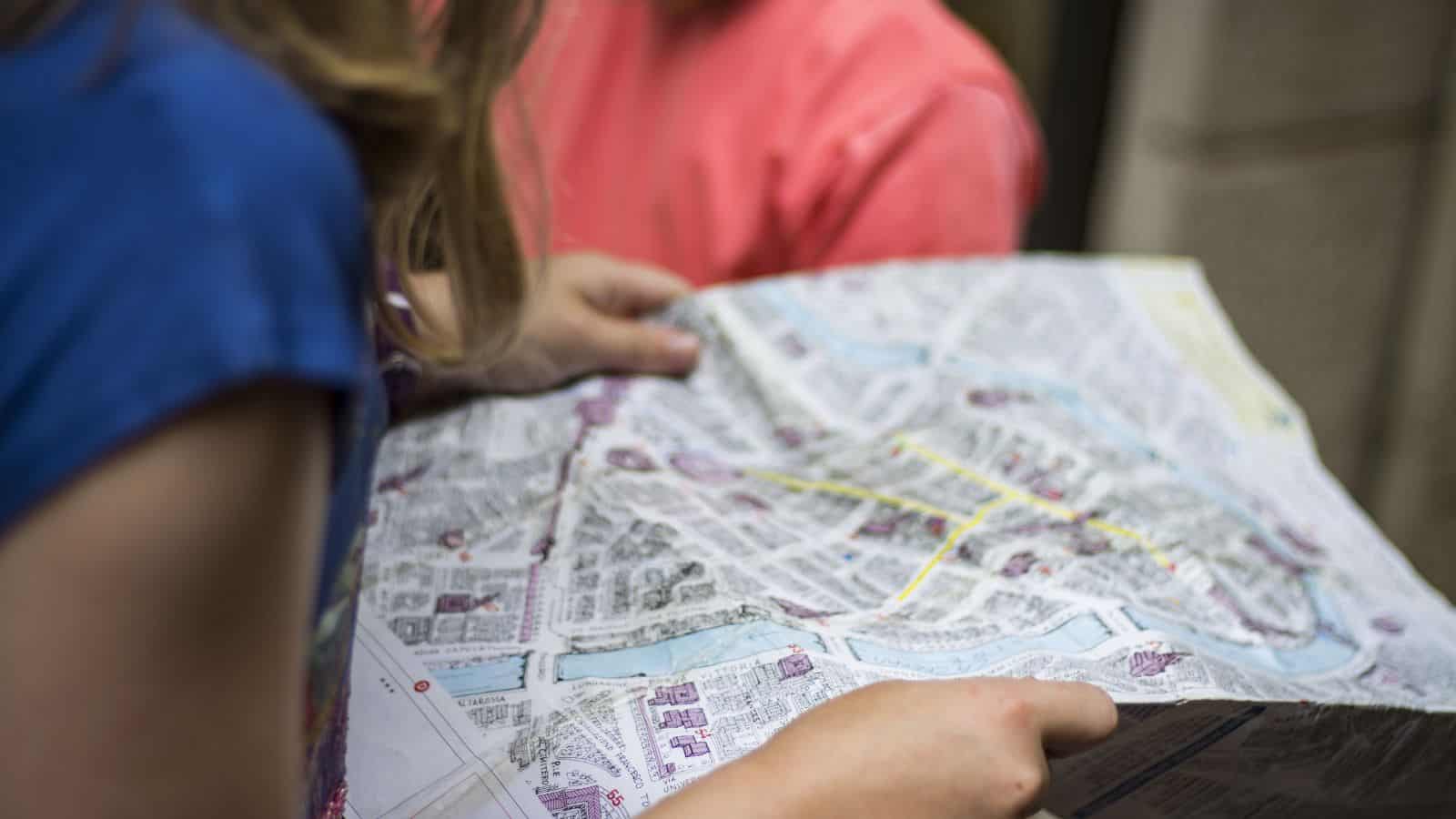
There was a giant paper map in every single classroom, and you were expected to know exactly where everything was. Students had to memorize state capitals, identify major rivers, and understand how to read topographic lines. Knowing how to find your way around the physical world without a glowing screen was simply expected of everyone.
You could actually plan a cross-country road trip using nothing but a folded paper atlas from the gas station. It required spatial awareness and a solid understanding of cardinal directions to avoid getting completely lost. Relying entirely on digital navigation has definitely robbed us of our natural sense of direction.
Classic Literature

English teachers demanded that you read thick novels written by authors who had been dead for centuries. You spent hours analyzing the green light in The Great Gatsby or the heavy symbolism in The Scarlet Letter. These foundational texts sparked deep conversations about morality, society, and the human condition.
Kids complained about the required reading lists, but those stories stuck in their brains for decades. You learned how to formulate an argument, write a cohesive essay, and defend your interpretation of the text. Those deep dives into literature created critical thinkers who could see multiple sides of a complicated issue.
Like our content? Be sure to follow us