12 common things people do that are actually illegal
That harmless little habit you do on autopilot might be more illegal than you think. Maybe it is tapping out a text at a red light, letting your dog wander off leash, tossing crumbs to pigeons, or sleeping in your car after a long drive.
Most people do these things without imagining a ticket, a fine, or an awkward knock on the window from an officer. Yet local laws can turn everyday routines into legal trouble, especially when public safety, sanitation, traffic rules, or property rights are involved.
The National Highway Traffic Safety Administration reported that 7,080 pedestrians died in U.S. traffic crashes in 2024, which helps explain why cities still take crosswalk rules and street behavior seriously. Every day life already comes with enough stress, so nobody needs a surprise fine hidden in a simple errand.
This guide breaks down 12 everyday habits that can be surprisingly illegal in parts of the U.S., so you can stay sharp, avoid trouble, and still move through life with confidence.
Jaywalking can cost you
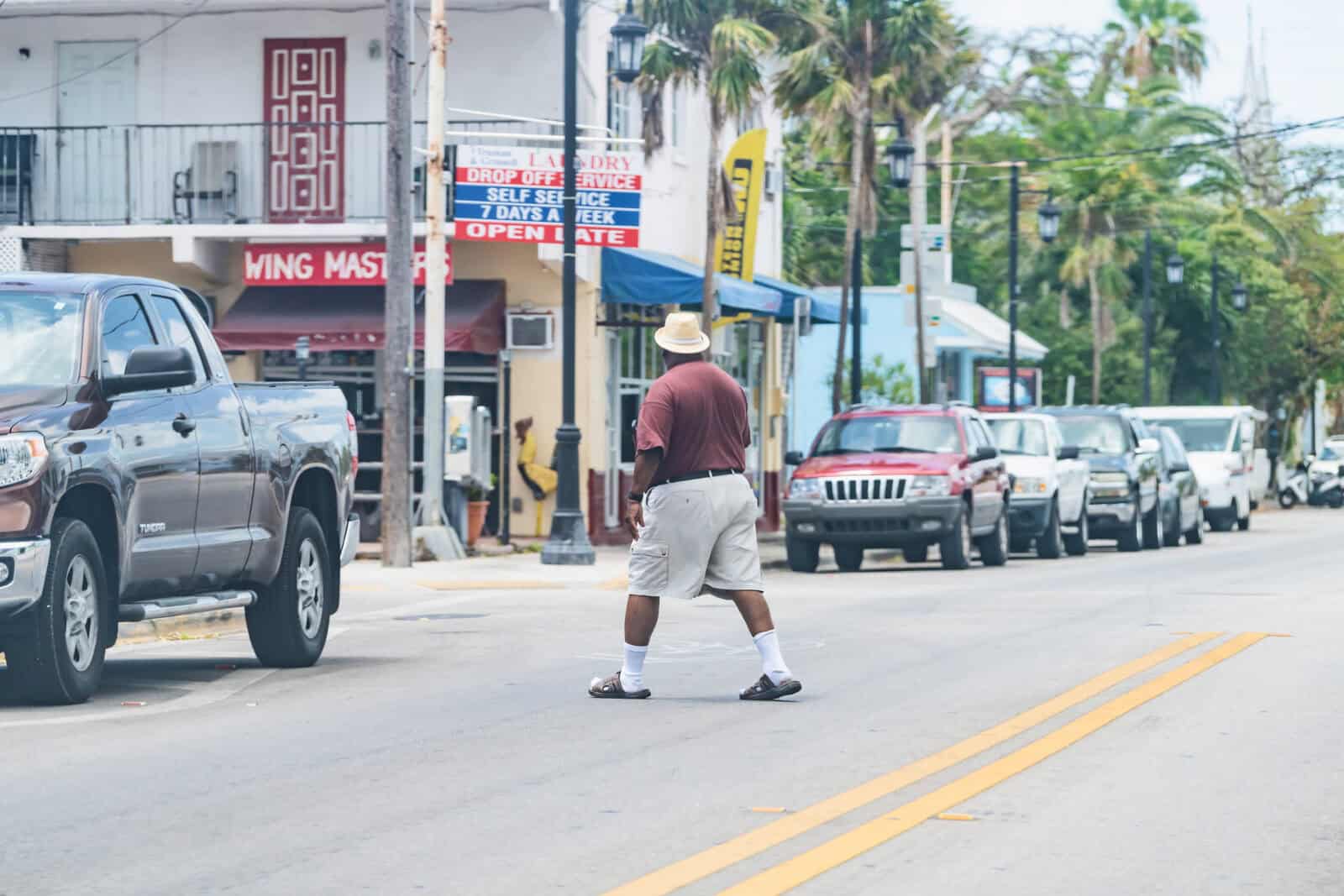
Crossing midblock may feel like a harmless little power move, especially when your shoes hurt, and the crosswalk sits half a block away. Still, many cities treat jaywalking as a public safety issue because drivers often scan for people at marked crossings rather than between parked cars. NHTSA reports that 7,080 pedestrians died in traffic crashes in 2024, so officers and safety campaigns continue to urge people to use signals and crosswalks.
Some places have softened jaywalking enforcement, but others still issue tickets near transit stops, downtown districts, schools, and entertainment areas. The fine may look small, yet the risk grows fast when a driver turns, speeds, or misses a person stepping out suddenly. A few extra seconds at the corner can protect your wallet and your bones.
Feeding pigeons can backfire

Dropping crumbs for pigeons can feel sweet, almost like a tiny city picnic with feathers. Some cities see it very differently because concentrated flocks can leave droppings, attract pests, and create sanitation problems in crowded areas. San Francisco Public Works says feeding pigeons on city streets or sidewalks violates local law, and violators may receive citations and fines.
That means a cute moment outside a coffee shop can turn into an expensive reminder that wildlife rules exist for a reason. Bread also does birds no favors because it can crowd out healthier food and encourage dependence on people. Take the photo, enjoy the sidewalk drama, and keep the croissant for yourself.
Rain barrels have limits

A backyard rain barrel looks like the dream setup for a woman who loves plants, lower bills, and a cute garden corner. In many states, that setup stays perfectly legal, but in a few places, they regulate how much rainwater homeowners can collect and how they use it. Colorado State University Extension says Colorado households can use up to 2 rain barrels with a combined storage capacity of 110 gallons under current residential rules.
That limit surprises people because rain feels free once it falls from the sky, yet water rights laws can treat runoff as part of a shared system. Larger tanks, indoor plumbing, or commercial use can trigger extra rules in some areas. Before you build the Pinterest version, check your city or state guidance to keep your eco habit clean and legal.
Password sharing can cross lines

Sharing a streaming password can feel like modern friendship, especially when everyone has subscriptions stacked like unpaid chores. The problem starts when the account terms treat that login as intended for a single household.
Netflix’s help center now says people outside a household need their own account or an added extra member slot. Netflix also told investors that paid sharing expanded to 100-plus countries in 2023, which shows how seriously platforms now treat borrowed access.
A casual login probably will not bring the police to your door, but it can lead to account blocks, verification prompts, surprise charges, or awkward fights with the person paying. Shared plans, cheaper tiers, and official extra member options keep the binge night peaceful.
Car naps may violate rules
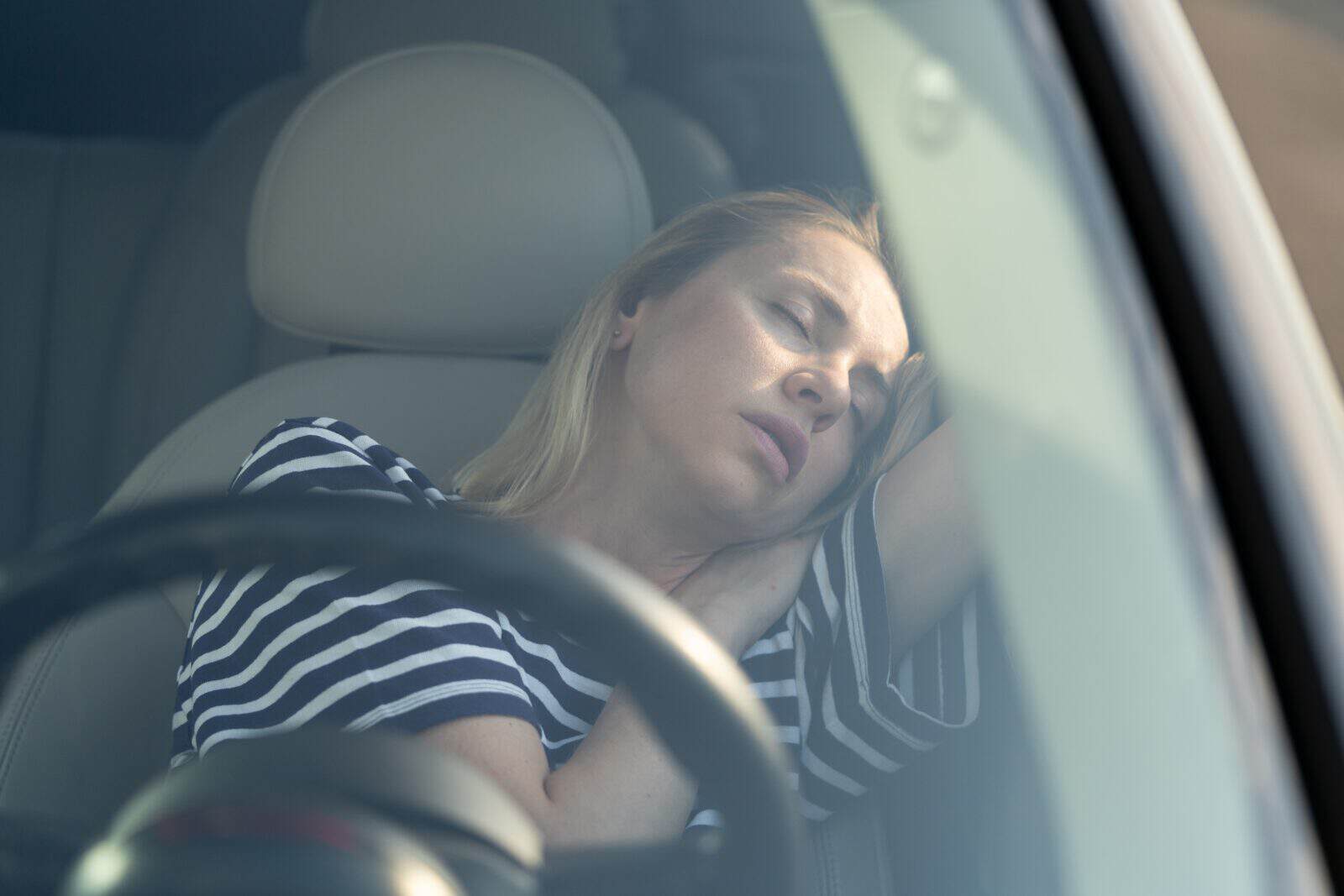
Sleeping in your car during a road trip can feel practical, especially after a long drive, late shift, or messy travel delay. Local rules can complicate that simple nap because some cities ban overnight vehicle camping on streets, beach lots, business corridors, or residential blocks. Stateline reported in 2025 that roughly 150 homelessness-related measures had passed or appeared in local and state debates, often covering camping, sleeping, or storing property on public land.
These rules often hit unhoused people hardest, but a regular driver can still get a warning, citation, or tow notice in the wrong location. Posted signs matter, and so do rest area rules, store policies, and local parking codes. A legal rest stop, campground, hotel lot, or clearly permitted overnight area makes that nap much less stressful.
Public swearing can still matter
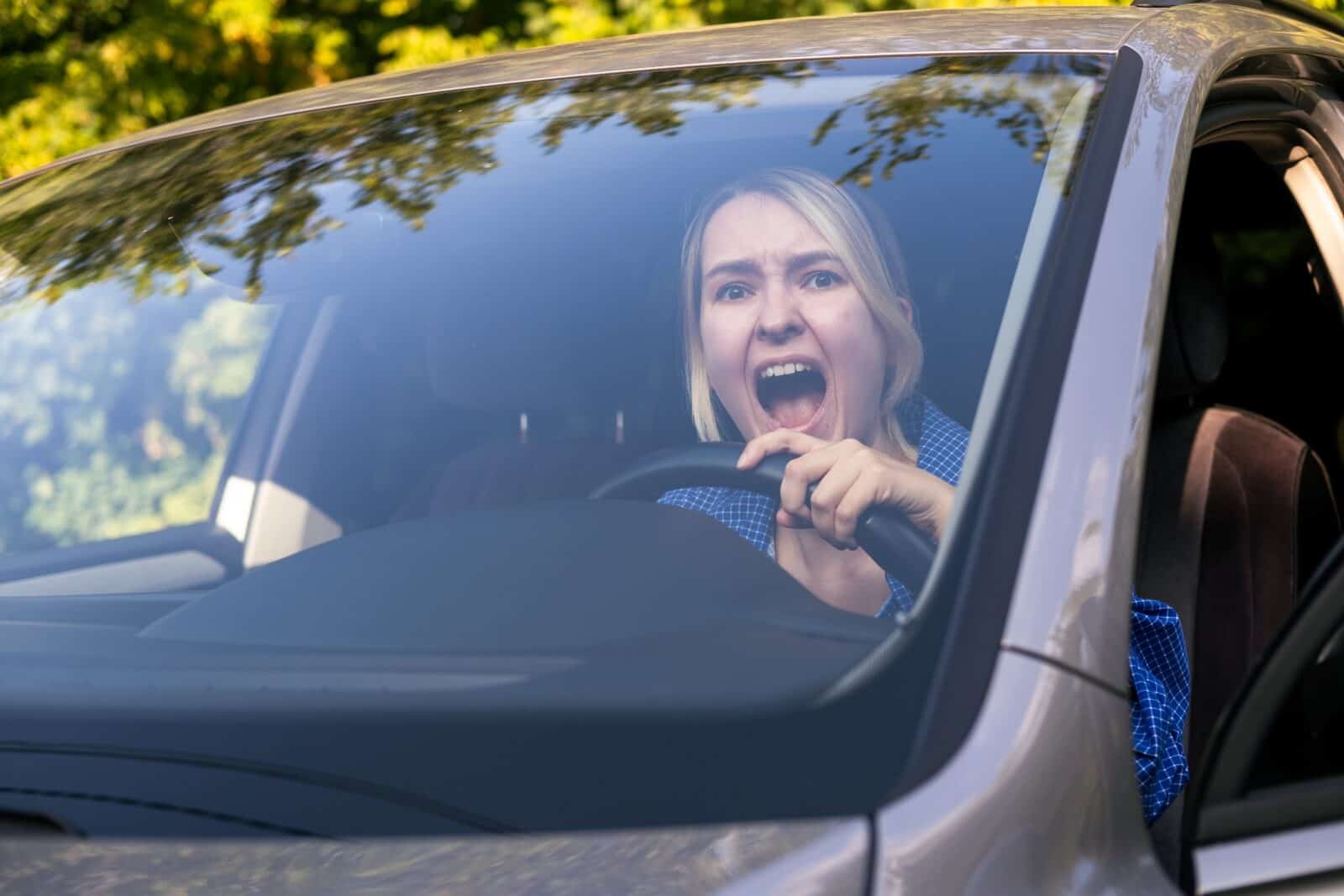
A loud curse after spilling iced coffee on your blouse may feel like the most honest sentence of the day. The First Amendment protects a lot of strong speech. However, profanity can still lead to legal trouble if it constitutes harassment, a threat, disorderly conduct, or a violation of a specific local rule.
Mississippi’s current code states that public profanity or vulgar language in the presence of two or more people can result in a fine of up to $100 or up to 30 days in jail. Courts often limit broad bans on profanity, and many old laws are rarely enforced. Still, context matters a lot in public places, schools, transit systems, and tense confrontations. A sharp breath and a lower voice can save you from turning a bad moment into paperwork.
Loose dogs can bring fines

Letting your dog trot freely beside you can feel charming, especially when she behaves like a furry angel at home. Public spaces work differently because even friendly dogs can chase a squirrel, scare a child, or snap at another pet.
A loose dog can bring a ticket, liability, or a painful vet bill if another animal reacts badly. Off-leash dog runs give pets room to play without turning a casual walk into a legal mess.
Picking flowers can be illegal
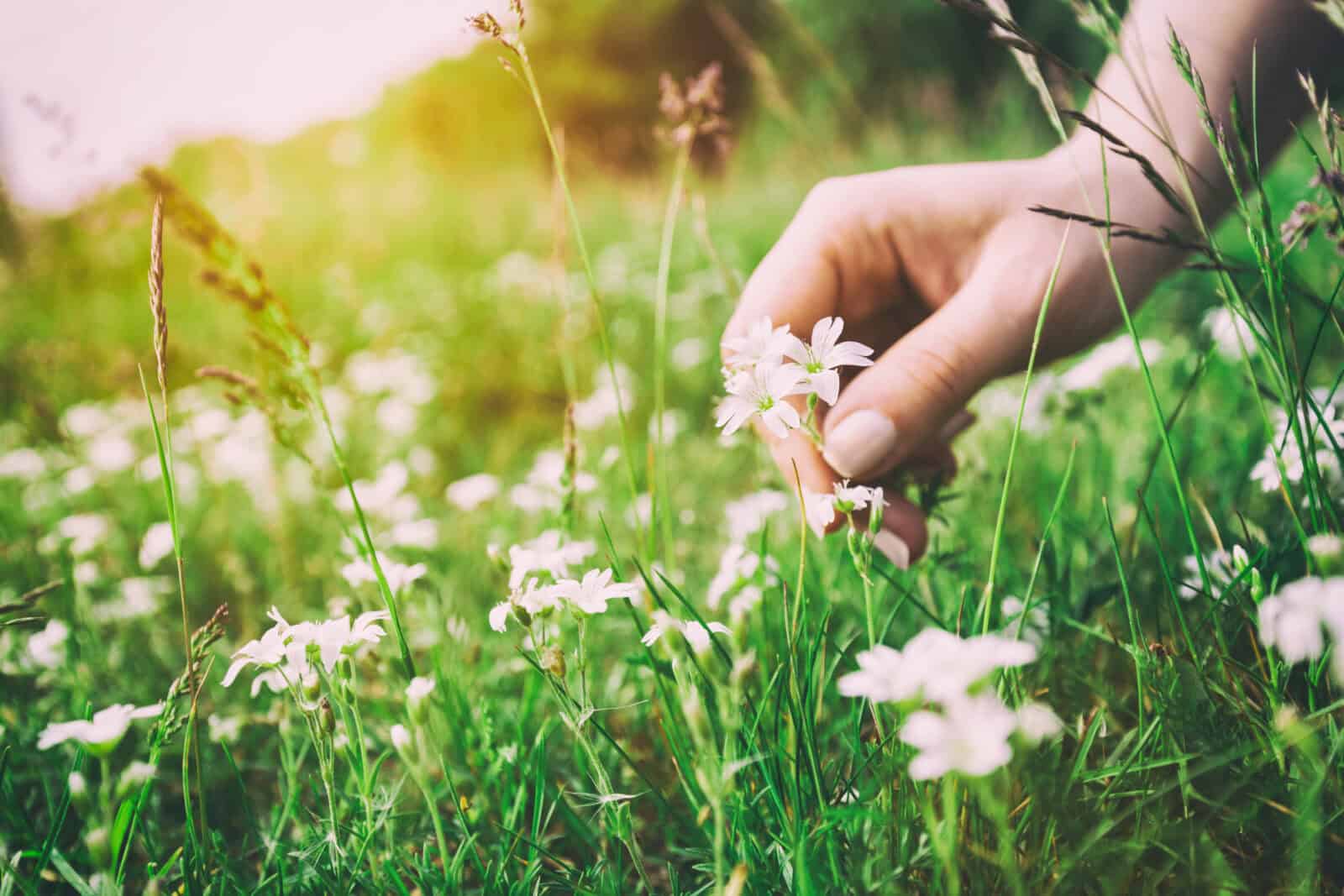
Picking a wildflower on a hike feels romantic until the land manager calls it resource removal. National parks, state parks, preserves, and some public gardens protect plants so seeds, pollinators, and future visitors can all benefit. Federal regulations at 36 CFR 2.1 prohibit the removal or disturbance of plants in National Park Service areas unless an exception applies.
The rule may sound strict, but one blossom can matter when thousands of visitors make the same choice. Some parks also protect rare species that struggle under foot traffic, drought, and habitat pressure. Snap the picture, post the glow, and let the flower stay rooted where it belongs.
Red light texting can count

A red light can trick drivers into thinking the car has entered a tiny legal waiting room. Many phone laws still treat that moment as driving because the vehicle remains in traffic, and the driver must react fast. The National Safety Council says NHTSA recorded 3,208 deaths in distraction-affected crashes in 2024, which helps explain the hard push against handheld phone use.
Some states and cities ban holding a phone even when stopped at a signal or stuck in traffic. Officers may not care that the message took only three seconds, because three seconds can change a life at an intersection. Set directions before leaving, use hands-free tools, and save the text for a parking spot.
Spitting can draw tickets

Spitting on a sidewalk may seem like a gross habit rather than a legal problem. Some places treat it as a sanitation issue because shared sidewalks, stations, buses, and public buildings need basic hygiene rules. The MTA’s Rules of Conduct list littering, urinating, and spitting as violations, with a $100 fine, in its public transit rule sheet.
City codes in other places also ban spitting on sidewalks, crosswalks, public grounds, and public buildings. Enforcement may feel rare until someone does so near transit staff, on school grounds, or on a crowded platform. A tissue, restroom, or trash can keeps the street cleaner and keeps you away from a needless ticket.
Drones need permission

Flying a drone over a park, beach, concert, or neighborhood can feel like the fastest way to make a gorgeous reel. The FAA treats drones as aircraft, so recreational flyers must follow airspace rules rather than treat the sky like an open social media space.
FAA guidance says recreational flyers must register drones weighing 250 grams or more. It must pass the Recreational UAS Safety Test.
Many parks, airports, stadiums, military areas, emergency scenes, and city properties impose additional restrictions. Privacy concerns also grow when a drone hovers near windows, pools, or backyards. Check an official drone map, carry proof of registration, and get approval before your cute skyline shot becomes an expensive lesson.
Recycling mistakes can cost
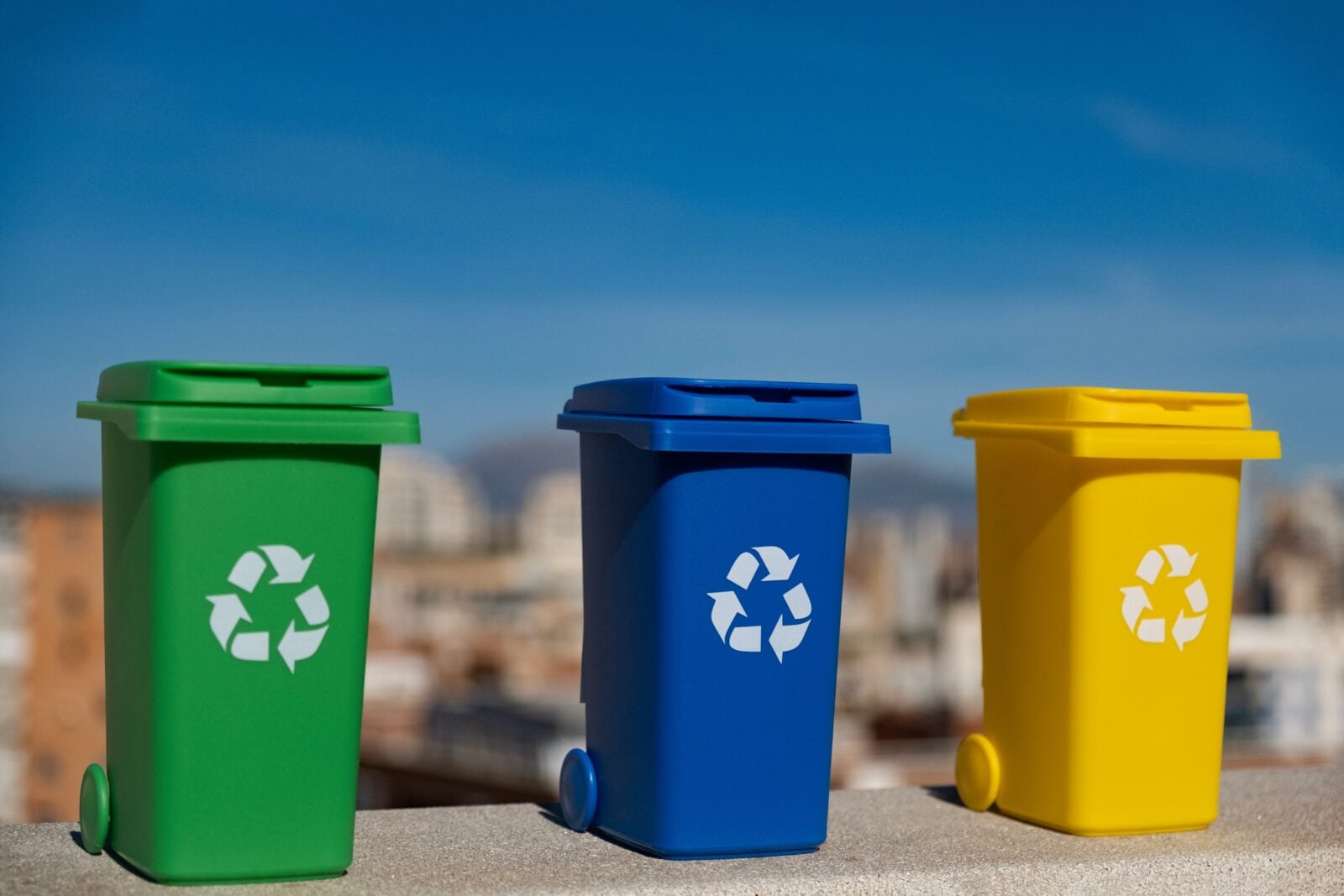
Tossing a greasy box, plastic bag, or random takeout container into the recycling bin can feel responsible in the moment. In reality, the wrong item can contaminate a load and create extra sorting costs for local programs. The Recycling Partnership’s 2024 State of Recycling report found that only 21% of recyclable material is captured in the residential system, underscoring how fragile the process already is.
Some cities tag bins, skip pickup, charge extra fees, or fine repeated sorting mistakes. New York City sanitation rules also allow fines for certain collection violations and for mandatory separation of organics. Check your local guide before tossing that item, because wishful recycling can hurt the system you meant to help.
Trash sorting can be mandatory
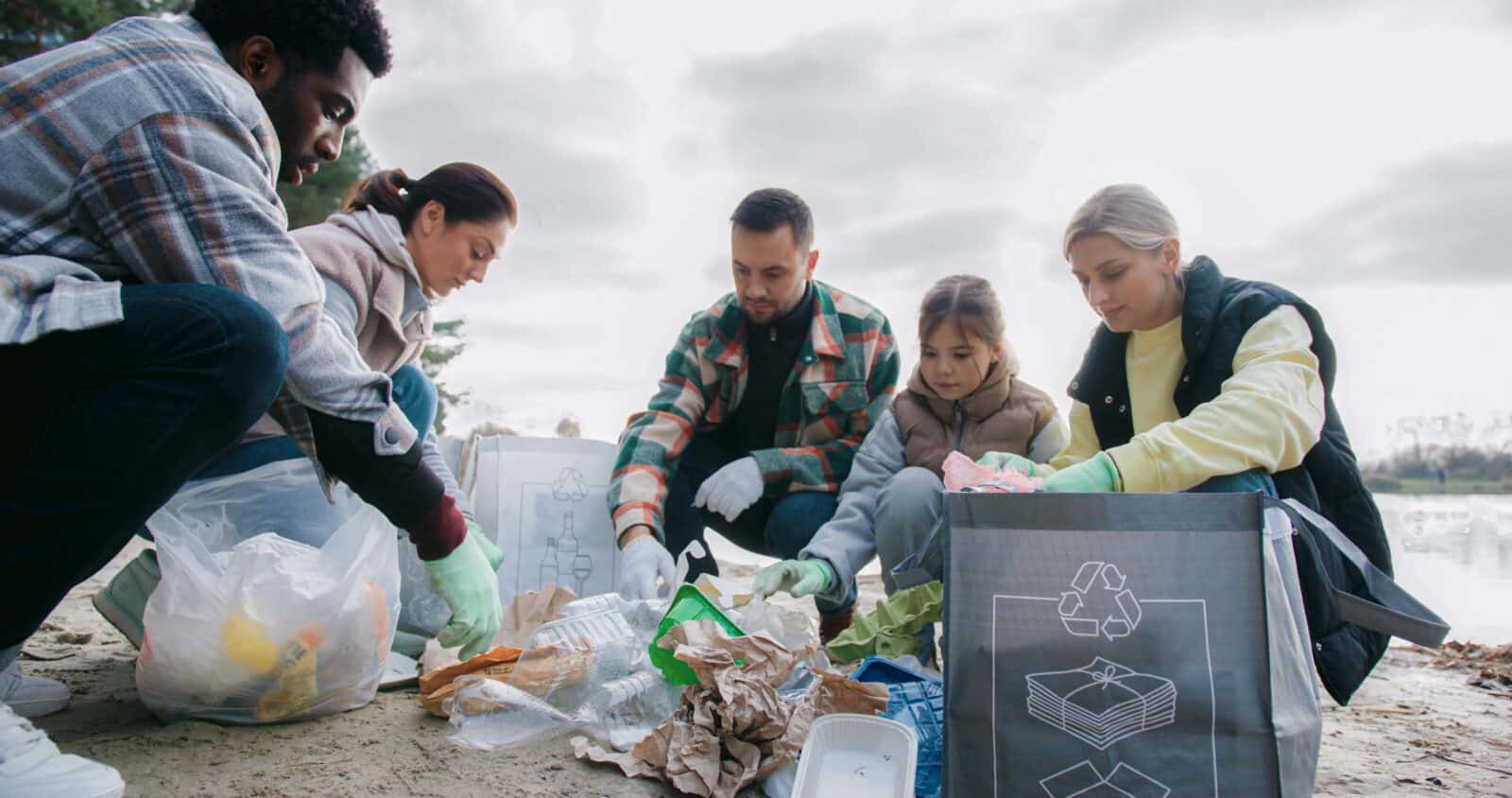
Separating food scraps, yard waste, bottles, paper, and regular trash can feel like one more tiny chore in an already full day. Some cities now make that chore a legal requirement because landfills, rats, methane, and recycling costs have pushed waste rules into daily household life. New York City says that citywide separation of food waste, yard waste, and food-soiled paper from trash became mandatory on April 1, 2025.
Property owners can face fines that rise after repeated violations, especially in larger buildings. Renters may not always receive the bill directly, but messy sorting can still create tension with landlords and neighbors. A small kitchen caddy and a glance at local rules can make the whole system easier to use.
Key takeaway
Everyday habits can run afoul of the law when they affect safety, sanitation, wildlife, water, privacy, or public order. Jaywalking, red-light texting, loose dogs, car naps, pigeon feeding, and public spitting may seem minor, but local rules can treat them seriously. Rain barrels, drones, streaming passwords, wildflowers, recycling, and trash sorting show how modern routines now sit inside very specific regulations.
The smartest move is not fear. It is important to check local rules before assuming that a habit is harmless everywhere. A little awareness keeps your day smooth, your record clean, and your life much less dramatic.
Disclaimer – This list is solely the author’s opinion based on research and publicly available information. It is not intended to be professional advice.
Like our content? Be sure to follow us.