10 most visually stunning abandoned megastructures on Earth
Colossal, empty, and hauntingly beautiful, the planet is dotted with massive concrete skeletons that humanity simply walked away from. The global rise of dark tourism has turned these decaying ruins into modern, viral monuments.
Dr. Philip Stone of the Institute for Dark Tourism Research notes that visiting these sites allows people to face their own mortality. The financial waste is staggering, with billions of dollars in sunk costs left to rot in the wind.
The Ryugyong Hotel, North Korea
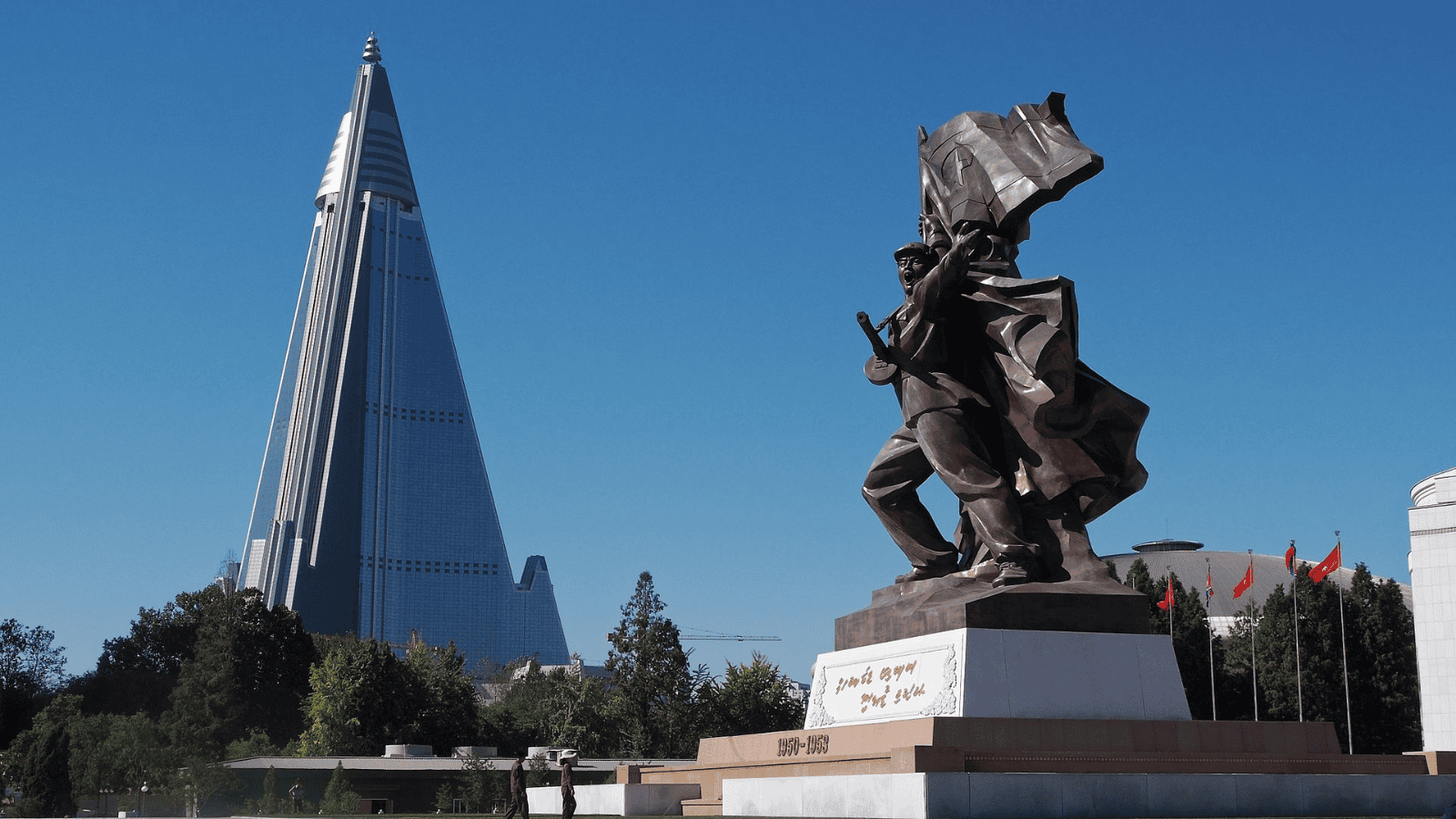
Pyongyang’s skyline is dominated by a massive, 105-story pyramid-shaped concrete skyscraper that has never welcomed a single guest. Construction began in 1987 with massive Soviet backing but ground to a halt in the early 1990s as economic collapse gripped the nation.
The hollow interior remains bare, a stark contrast to the original plans for 3,000 rooms and five revolving restaurants. Wrapped in over 3,000 glittering glass panels, the “Hotel of Doom” stands as an empty, $750 million shell.
The Buzludzha Monument, Bulgaria
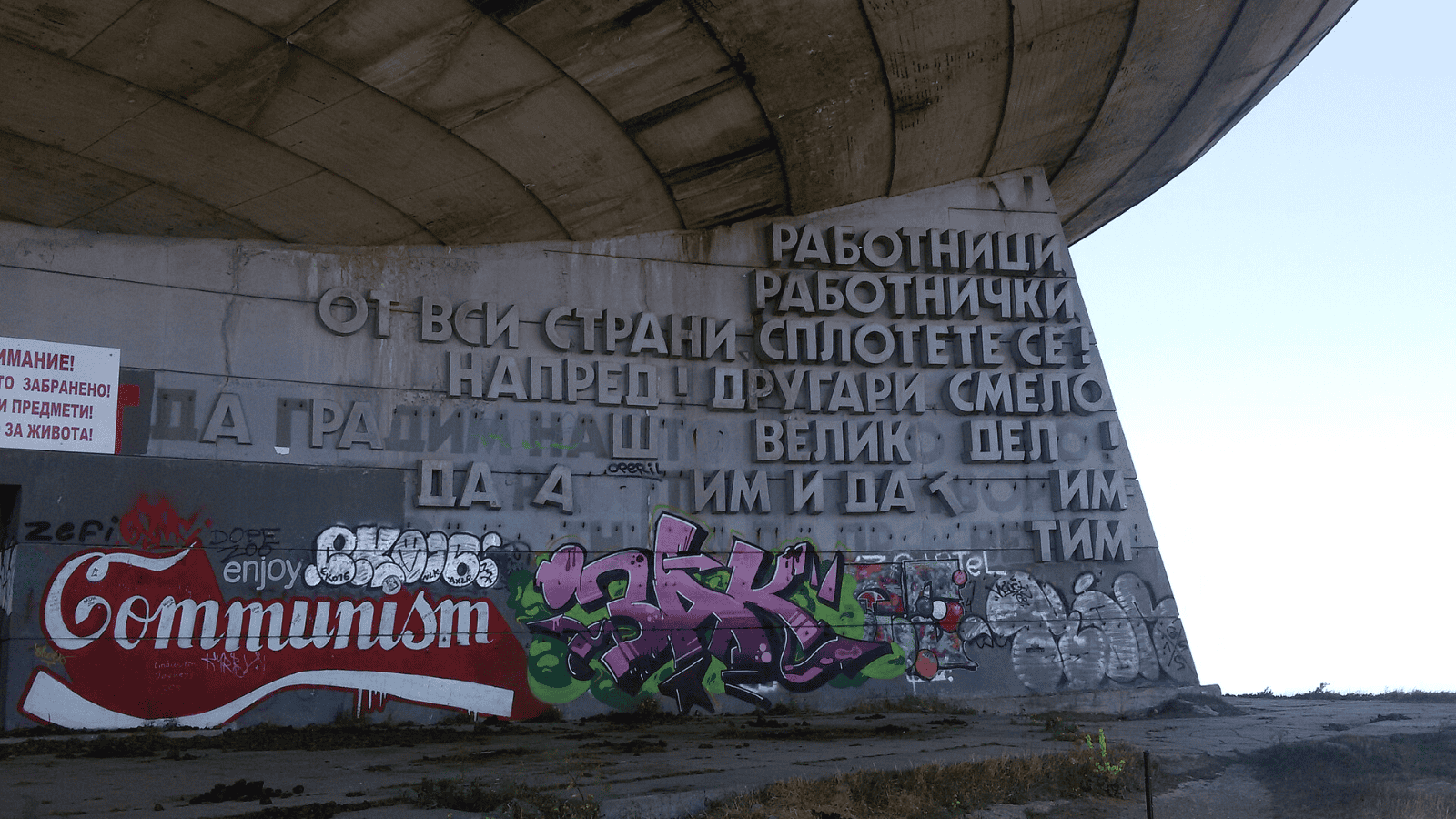
Perched atop a windy Balkan peak, this colossal concrete dome looks exactly like a crashed futuristic UFO. The structure was opened in 1981 to commemorate the founding of the Bulgarian socialist movement.
Inside, over 900 square meters of glittering mosaic murals once celebrated Soviet heroes before the regime fell in 1989. Over 6,000 workers spent seven years building this monument, which devoured 70,000 tonnes of concrete and 3,000 tonnes of steel.
Burj Al Babas, Turkey
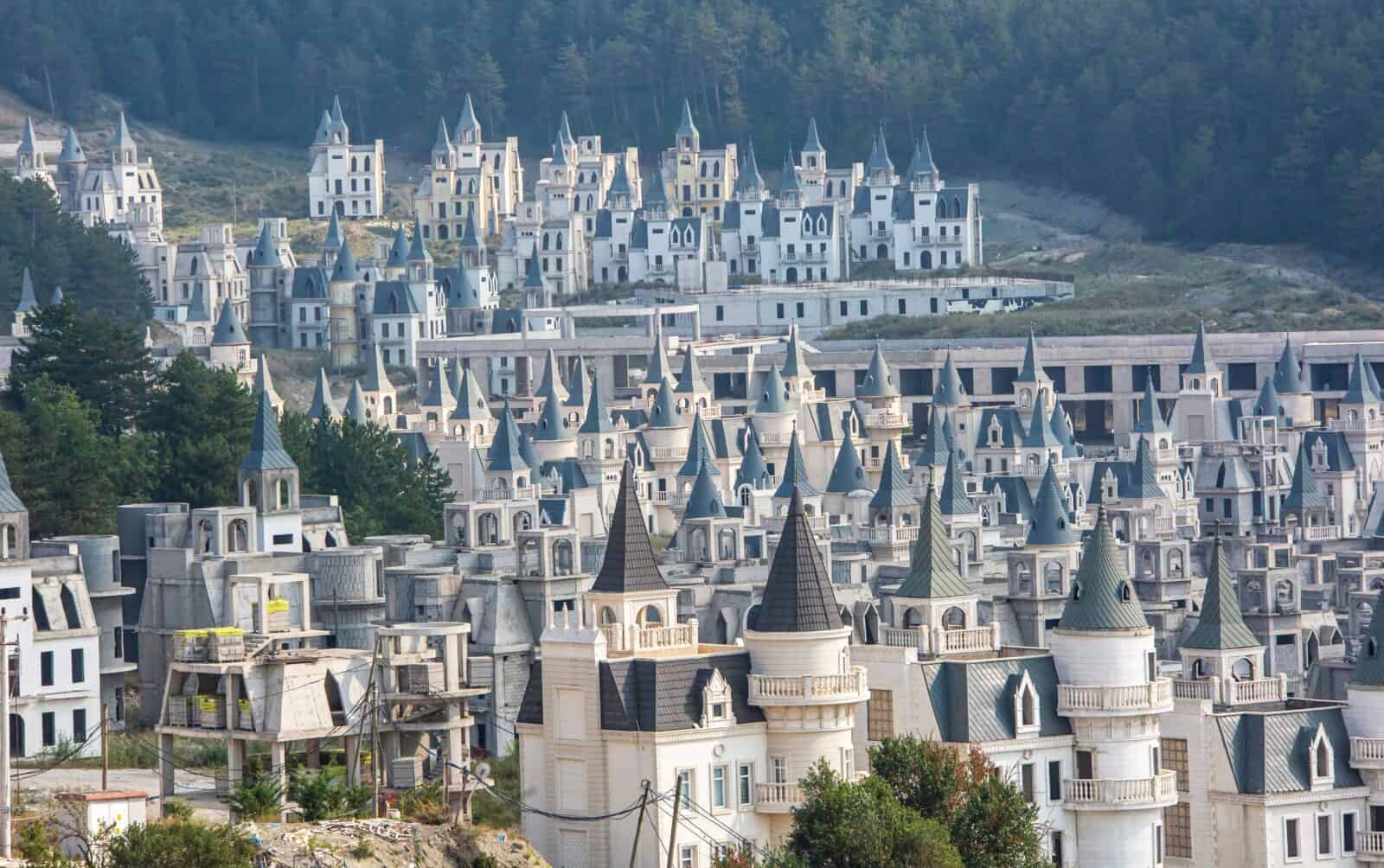
Tucked away in a misty valley lies a bizarre, abandoned fairytale kingdom of over 700 identical Disney-like castles. This $200 million project began in 2014 with the intention of selling 732 luxurious French-style châteaux to wealthy investors.
Each three-story villa was designed to feature underfloor heating and private jacuzzis on every level. When Turkey’s economy crashed, the developer went bankrupt, owing $5 million, leaving rows of empty spires to rot in the forest.
Sathorn Unique Tower, Thailand
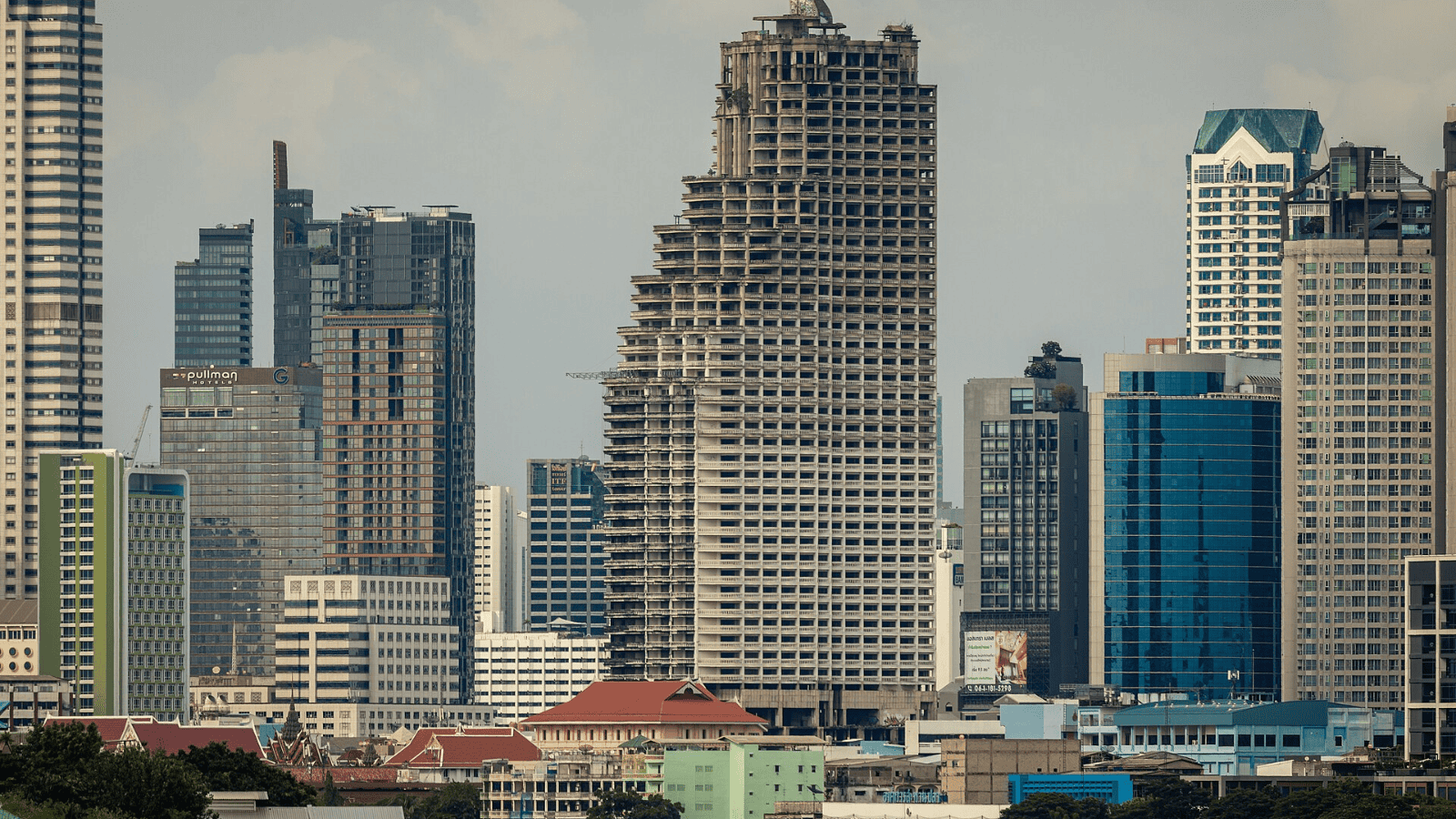
This massive 49-story luxury skyscraper in the heart of Bangkok was left to rot at 80% completion. The “Ghost Tower” was envisioned as a premium residential complex, but the Asian financial crisis of 1997 halted everything overnight.
Superstitious locals steer clear of the building, claiming it is severely cursed and haunted. Climbing the 185-meter concrete frame offers spectacular panoramic views, but navigating the open elevator shafts is incredibly dangerous.
Hashima Island, Japan
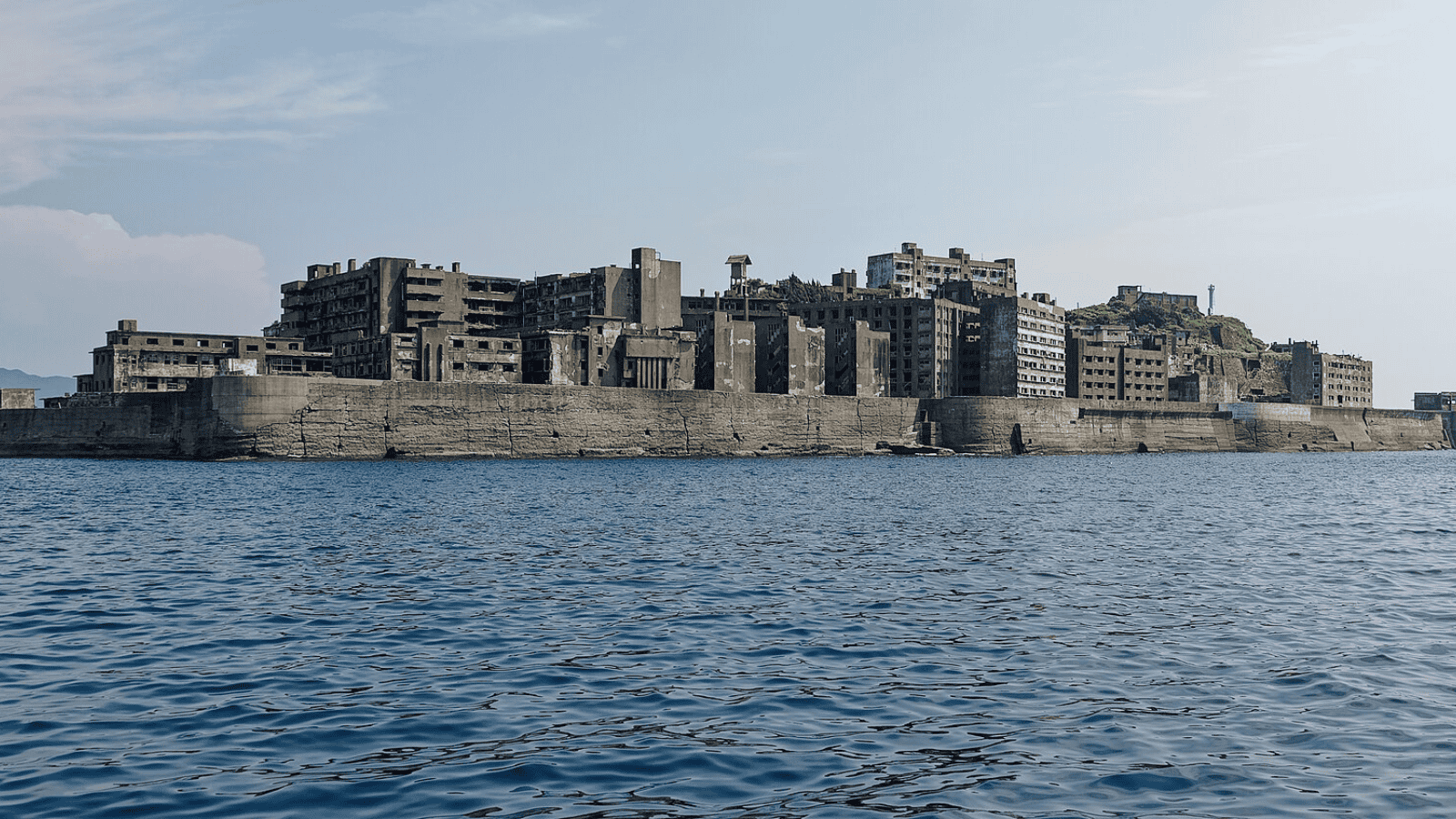
An entire concrete city sits abandoned on a small, 15.6-acre island off the southern coast of Japan. This coal-mining colony reached a peak population of 5,259 in 1959, making it one of the most crowded places on Earth.
When petroleum replaced coal as Japan’s main fuel source, Mitsubishi closed the mines and evacuated everyone in 1974. Today, the island is a decaying, post-apocalyptic fortress where wild green plants slowly reclaim the crumbling concrete streets.
The Duga Radar, Ukraine
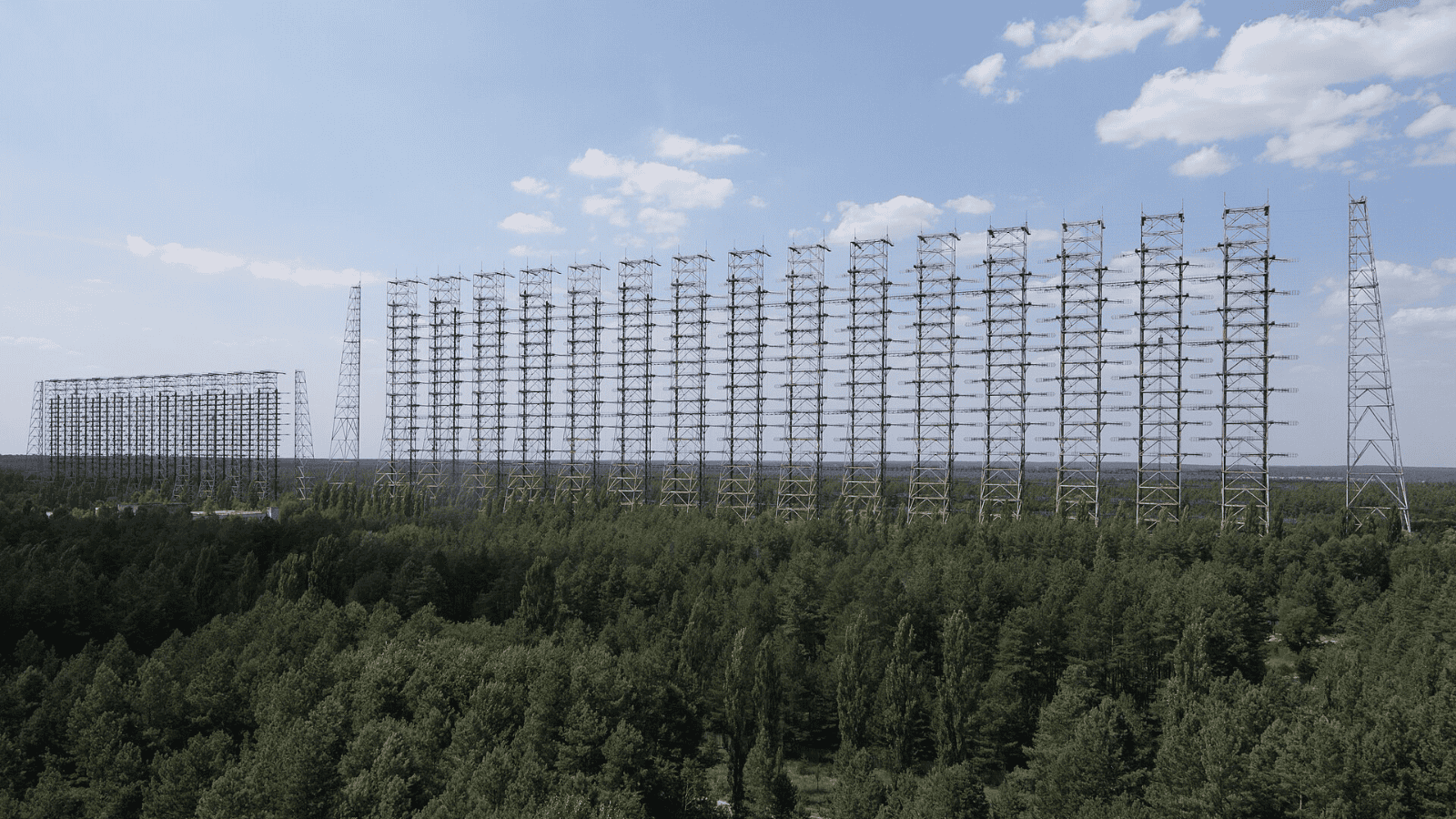
Deep inside the radioactive forests of Chornobyl, a colossal wall of rusted steel towers over the horizon. This massive over-the-horizon radar system stands 150 meters tall and stretches an incredible 700 meters in length.
The radar’s strange, repetitive radio signals earned it the global nickname “The Russian Woodpecker.” It was abandoned after the 1986 nuclear catastrophe, leaving the gargantuan steel grid to rust in silence.
The Maunsell Sea Forts, United Kingdom
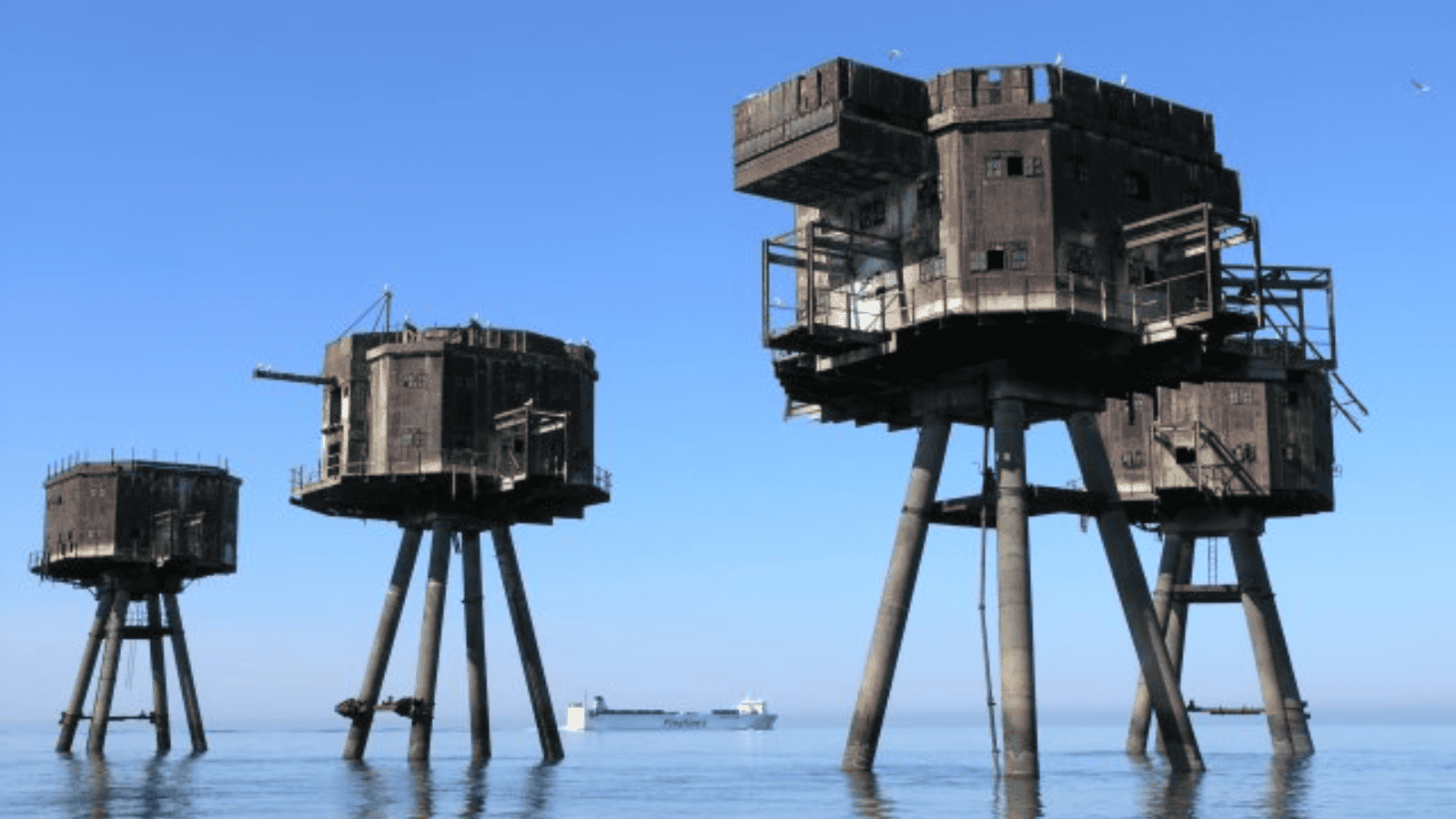
Rising from the chilly waters of the Thames Estuary, these rusty, metal-clad sci-fi towers look like alien war machines. Constructed in 1942, these offshore forts once housed up to 265 soldiers each to defend London from German airstrikes.
The military decommissioned the towers in the late 1950s, leaving them to the mercy of North Sea tides. During the 1960s, rebel broadcasters occupied the vacant platforms to run legendary pirate radio stations.
Haludovo Palace Hotel, Croatia
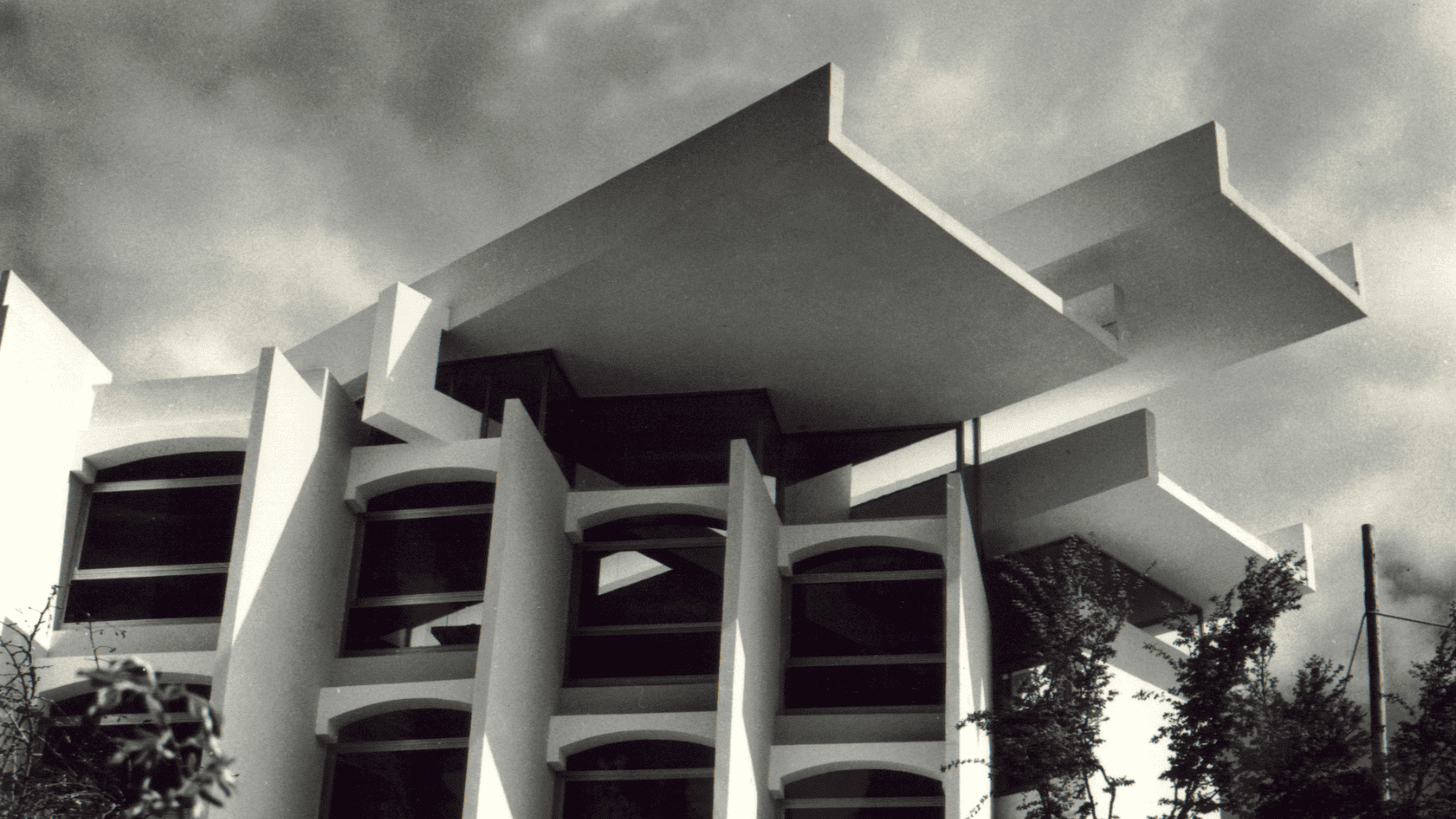
This sprawling, $45 million brutalist resort on the island of Krk was once the ultimate playground for international high rollers. Opened in 1972 by Penthouse magazine founder Bob Guccione, the ultra-luxury hotel featured the first legal casino in Yugoslavia.
The casino went bankrupt within a year, and the Yugoslav Wars later turned the grand resort into a refugee shelter. Today, the broken glass and hollow concrete frames offer a haunting look at 1970s opulence reclaimed by the elements.
Ciudad Real Central Airport, Spain
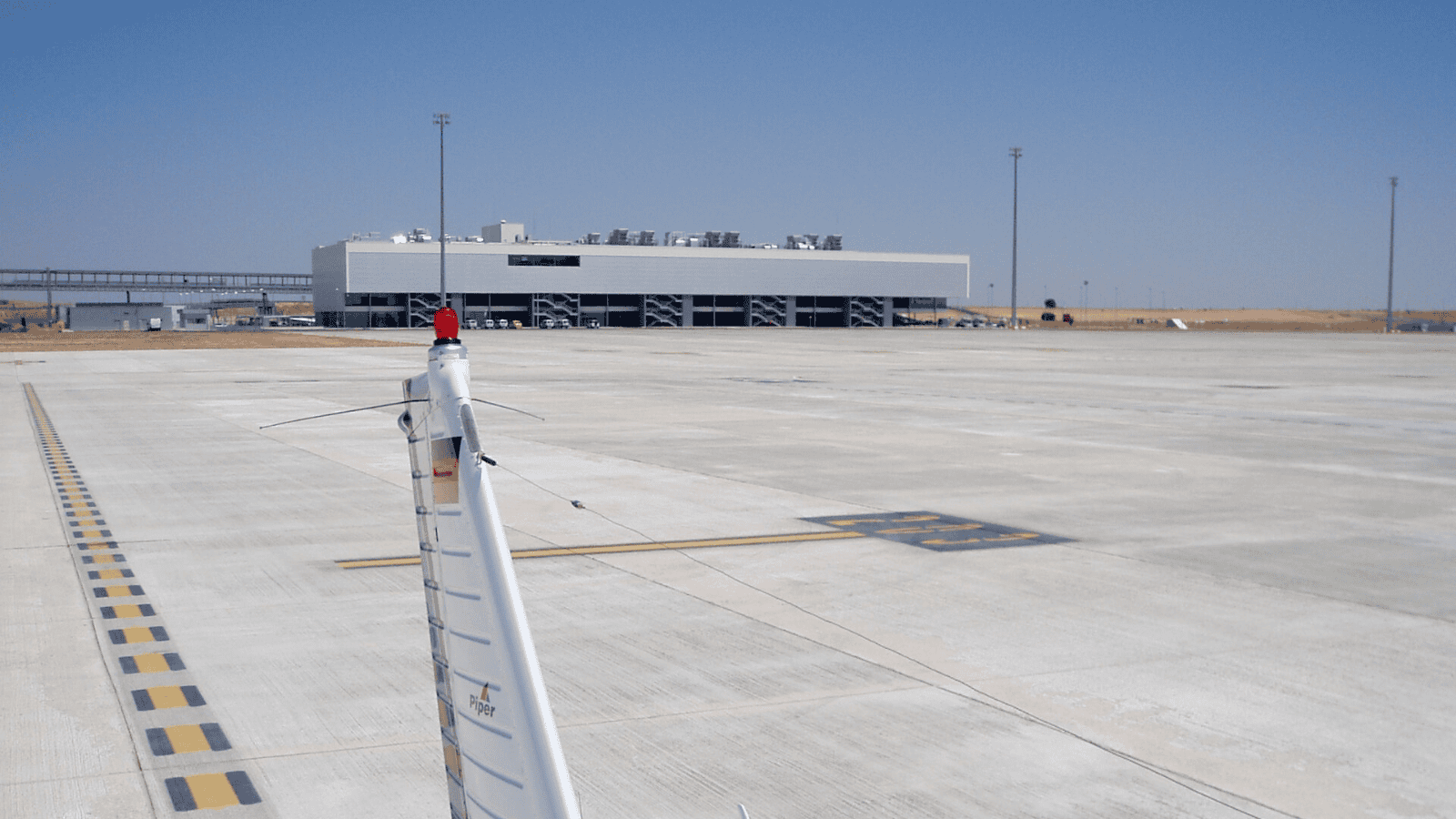
This massive international airport south of Madrid became a billion-euro symbol of disastrous, boom-era spending. Opened in 2008, it has Europe’s longest runway at 4,200 meters and was built to handle 2.5 million passengers annually.
But the global financial crisis hit almost immediately, and the airport was forced to shut down in 2012, leaving it with huge debts. In a shocking turn of events, the entire €1.1 billion complex was auctioned off in a bankruptcy sale for just €10,000.
The New York State Pavilion, United States
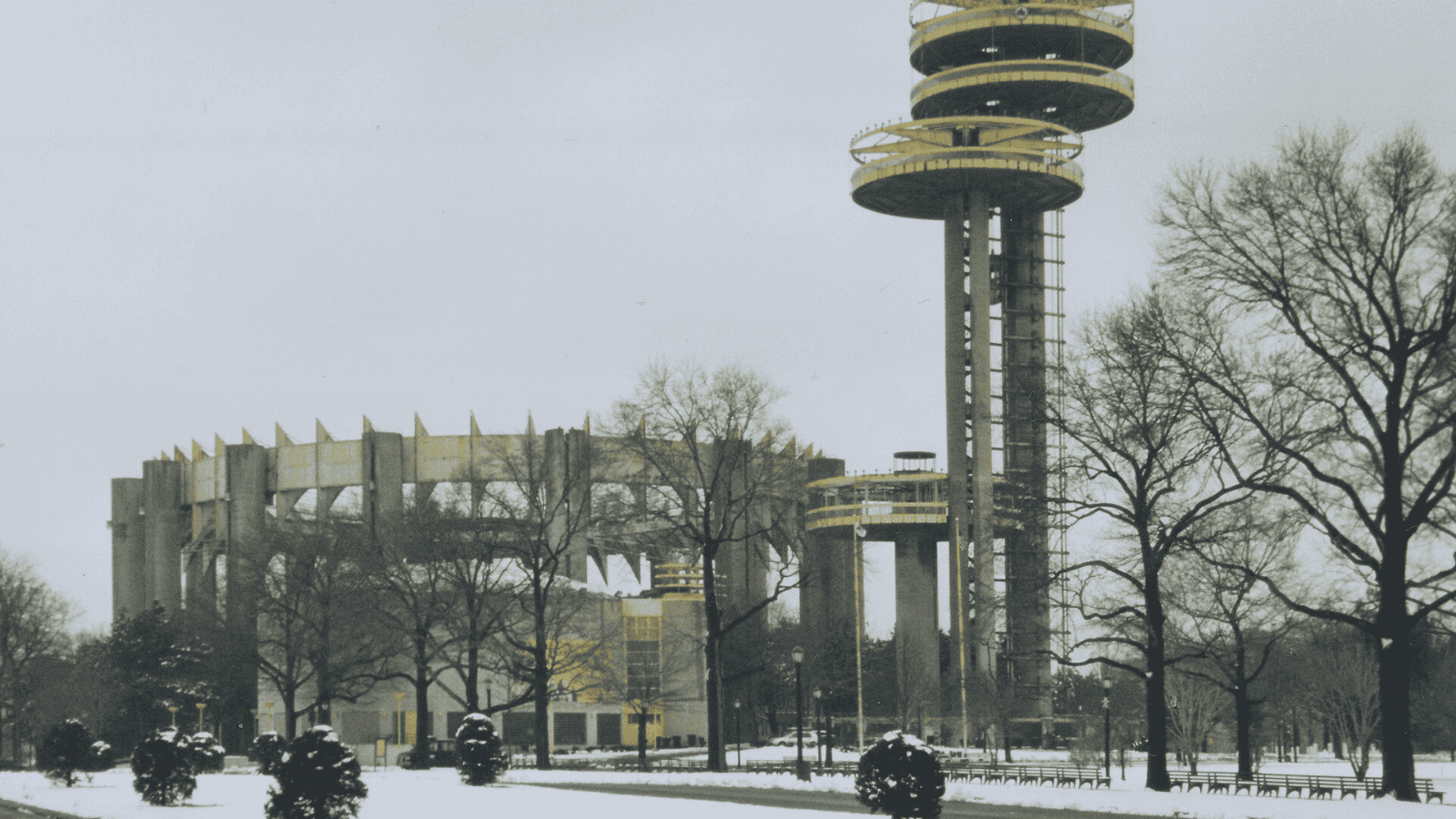
Constructed for the 1964 World’s Fair, this iconic Queens landmark was a stunning vision of space-age architecture. Designed by Philip Johnson, the site featured three towers and the massive, colorful “Tent of Tomorrow.“
The main plaza floor featured a gorgeous $1 million terrazzo map of New York State in meticulous detail. After welcoming millions of visitors, the pavilion was abandoned to decay as local authorities struggled to maintain it.
Key Takeaway

These colossal ruins prove that even the grandest architectural dreams can quickly turn into massive financial nightmares. The global fascination with these rotting giants highlights our deep curiosity about human transience. These visual wonders remind us of what happens when massive ambitions collide with harsh reality.
Disclaimer – This list is solely the author’s opinion based on research and publicly available information. It is not intended to be professional advice.
Like our content? Be sure to follow us.