Trump directs EPA to ease barriers to consumer vehicle repairs
President Trump signed a presidential memorandum on June 29, 2026, directing federal agencies to expand Americans’ ability to fix their own vehicles, a move the White House is framing as a cost-of-living measure rather than a deregulatory favor to any single industry.
The memorandum instructs the Environmental Protection Agency to clarify what individuals can legally do to their own vehicles’ emissions systems, to speed up alternative certification pathways for aftermarket parts, and to consider deprioritizing civil enforcement against people who modify their own cars in good faith.
The directive arrives months after a similar move in February that affirmed farmers’ ability to lawfully fix their own agricultural equipment.
A private meeting with automakers preceded the public order
In early June, Trump met with auto industry leaders, including executives from General Motors, Ford, and the National Automobile Dealers Association, along with Ohio Senator Bernie Moreno, a former auto dealer, to discuss a potential right-to-repair directive.
That meeting became a flashpoint in its own right after Trump told reporters the automakers had asked him for legislation restricting consumer repairs, a claim that confused even some of his own supporters because it ran counter to the populist framing the administration was building.
Trump described the request as odd, saying he told the executives he had never heard of such a thing. The automakers themselves never confirmed the specifics of the proposal, leaving the public with a secondhand account of a private conversation rather than a documented position.
A single state agency controls the bottleneck nationwide

Americans have generally always been free to repair their own vehicles, but federal law prohibits tampering with emissions control systems, and automakers have long restricted independent mechanics’ access to diagnostic software, repair information, and specialized tools.
The real bottleneck, according to the administration, sits inside a regulatory chokepoint most car owners have never heard of. The only certification process currently recognized under the Clean Air Act runs through the California Air Resources Board, and now routinely takes well over a year even when paperwork and testing are complete.
Because that single state agency effectively controls the pipeline, the supply of approved aftermarket parts nationwide has been constrained, which the White House argues drives up prices and narrows consumer choice everywhere, not just in California.
Modern cars have turned ownership into a contested concept
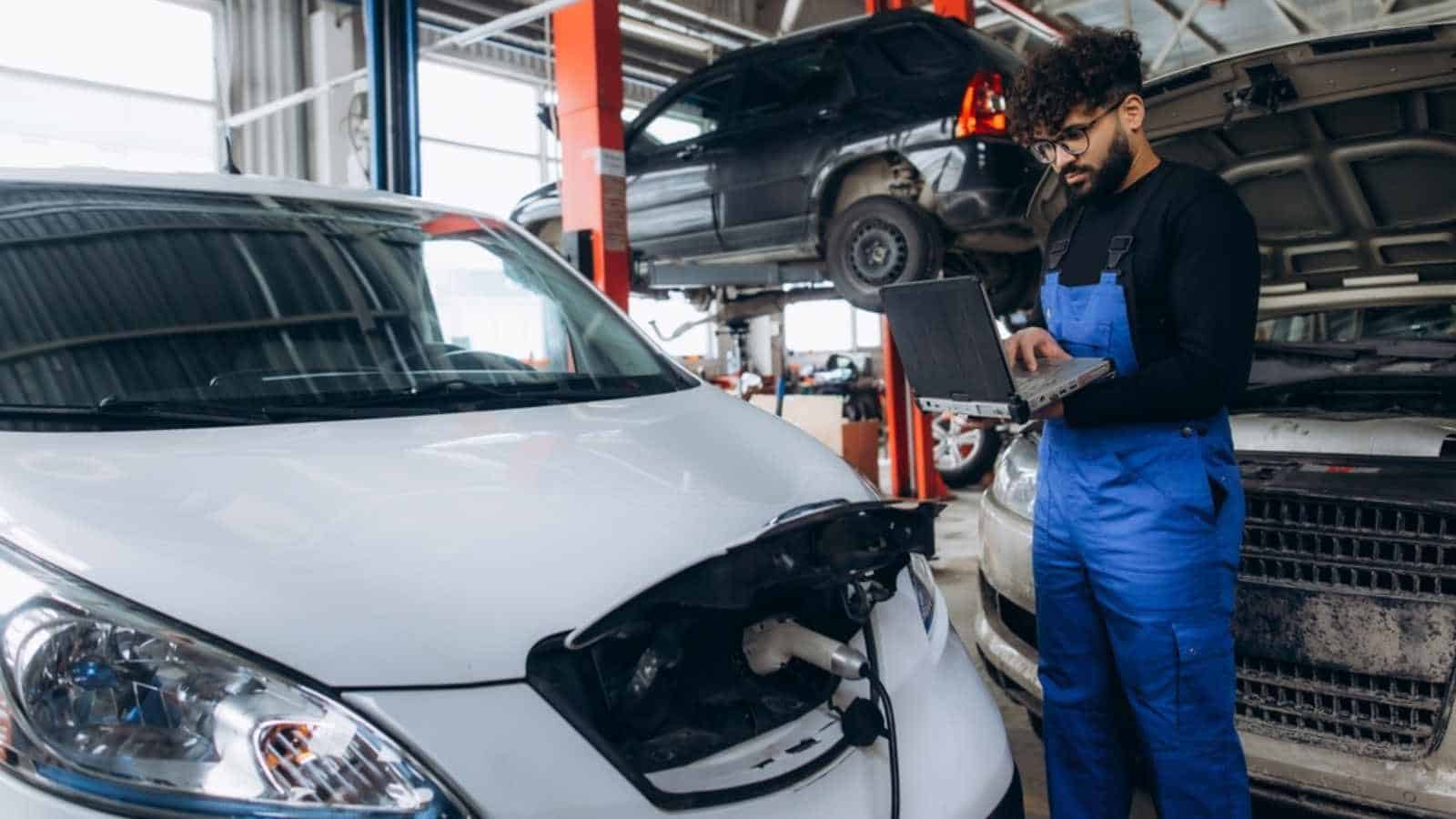
A vehicle bought a generation ago was a mechanical object. A vehicle bought today is closer to a networked computer that happens to have wheels, and that shift has rewritten who actually controls what happens under the hood.
Modern cars are rolling computers, and getting into their systems is no longer as simple as popping the hood and grabbing a wrench, which has created genuine tension between the people who build cars and the people who fix them.
Automakers have defended the lockdown as a safety measure. They argue that access to vehicle-generated data, software systems, and diagnostic information poses security and privacy risks, and that restricting access protects owners from threats they might not anticipate.
Independent mechanics and consumer advocates see the same restrictions as a business strategy dressed up as a safety concern, locking customers into dealership service bays where labor and parts cost more.
Automakers and dealers are not on the same side
The trade groups involved are not unified, which complicates any tidy hero-villain framing. The Alliance for Automotive Innovation, representing major manufacturers, has supported expanded repair legislation, noting that three-quarters of post-warranty vehicle repairs already occur at independent shops rather than dealerships.
The dealers themselves have been the more reluctant party, with some industry voices warning that broader access could enable lower-quality counterfeit parts or shift more leverage to insurance companies over which repairs get approved.
Who actually benefits from looser repair rules? Not every industry player loses when access expands, and not every consumer advocate is fighting the same fight as independent mechanics.
Congress is still negotiating a narrower bill
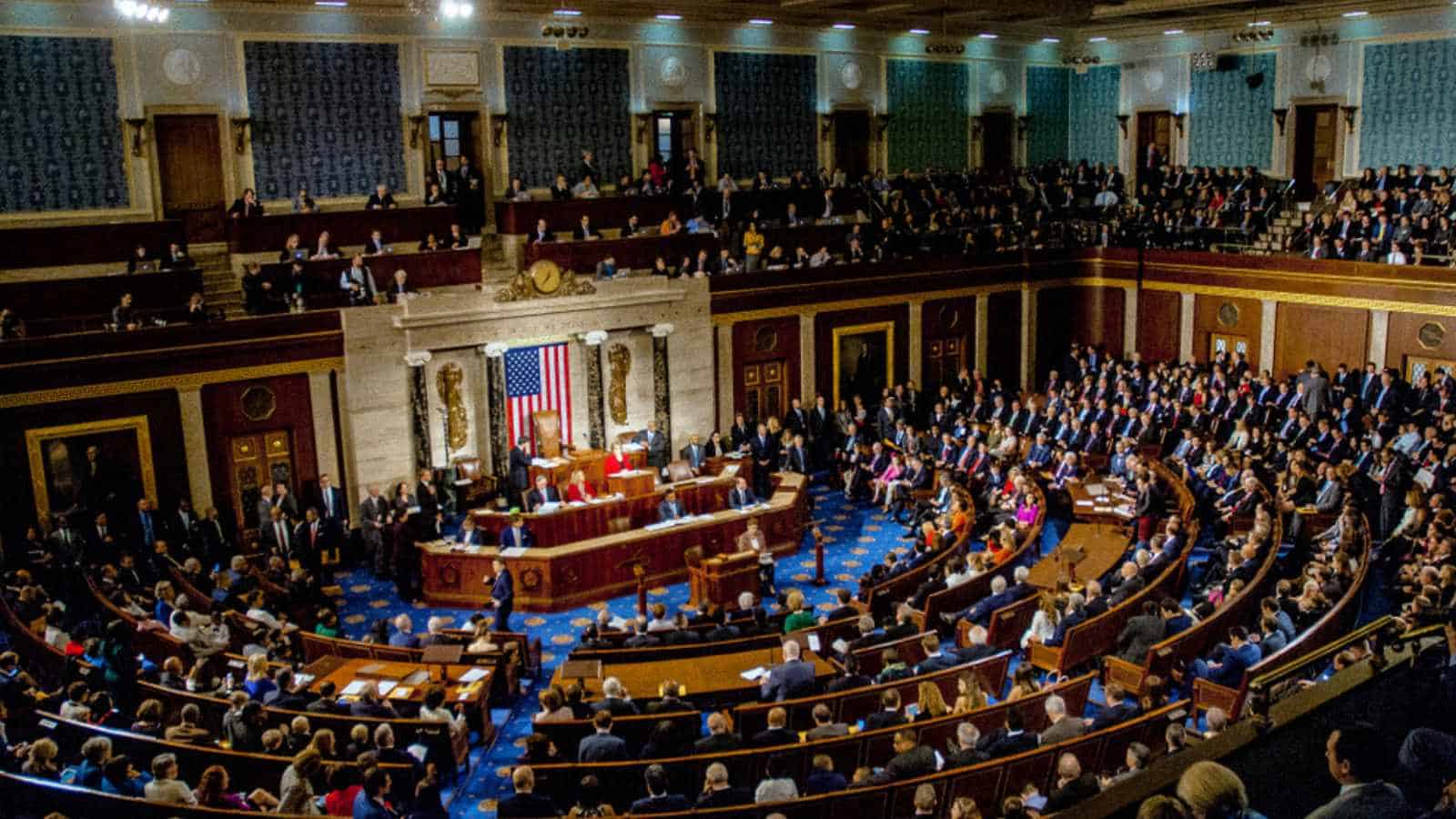
Congress has been working on a parallel track that the executive memorandum does not replace.
The House Committee on Energy and Commerce passed the Motor Vehicle Modernization Act of 2026 by a 48 to 1 vote in May, a bill that folded in a reworked version of the long-stalled REPAIR Act, stripping out several provisions from earlier drafts and instead codifying a 2014 agreement between manufacturers and the aftermarket sector that guarantees repairers access to information and tools.
Even with bipartisan committee support, the bill faces a narrower scope than what independent shops originally wanted.
The anecdote driving public sympathy was overstated

Trump’s own explanation for his interest in the issue has been less precise than the policy itself. He said he became interested in the order after reading about people who were arrested for fixing their own cars, telling the room that some owners are better mechanics than the ones working in shops. That framing echoes a separate controversy that has trailed the administration for weeks.
In early June, Trump repeatedly told audiences that a man had been sentenced to seven years in jail for fixing his own car, a claim that turned out to be substantially overstated. The case Trump appeared to be referencing involved a Wyoming diesel mechanic who served seven months, not seven years, after pleading guilty to disabling emissions monitoring systems on hundreds of commercial trucks, a federal crime rather than the simple act of fixing a personal vehicle.
The exaggeration does not undo the underlying policy, but it complicates the moral narrative the White House has built around it, since the anecdote driving public sympathy was not quite the story it was presented as.
What the memorandum does and does not guarantee
Nothing about June 29th’s memorandum grants Americans a new legal right to fix their own cars, since that right already existed.
What it targets instead is the slow, opaque machinery that determines whether the parts needed for that repair are affordable, available, and legally compliant in the first place.
Whether that translates into cheaper trips to the mechanic will depend less on the memorandum’s language and more on how quickly the EPA moves, whether Congress finishes the legislation as it works through committee, and whether automakers who say they support consumer access actually behave that way once the rules change.
Disclaimer – This list is solely the author’s opinion based on research and publicly available information. It is not intended to be professional advice.
Like our content? Be sure to follow us.