10 historical facts about the world Jesus lived in
The world Jesus grew up in was loud, crowded, unfair, and exhausting, nothing like the calm scenes we’re used to seeing in stained glass.
Imagine stepping into a time machine and landing in first-century Judea. You would not find the pristine, halo-lit scenes of Sunday school paintings, but rather a gritty, noisy, and challenging environment in which survival was the only goal. The air would be thick with the smell of livestock and unwashed bodies, and the tension of Roman occupation would be palpable in every marketplace conversation.
This was a society defined by hardship, where the average person worked from sunrise to sunset just to put bread on the table. It was a place of deep religious fervor mixed with political volatility, far removed from our modern comforts. To truly understand the narratives of the Gospels, we must examine the raw, unfiltered reality of daily life in that era.
Nazareth Was A Tiny Village
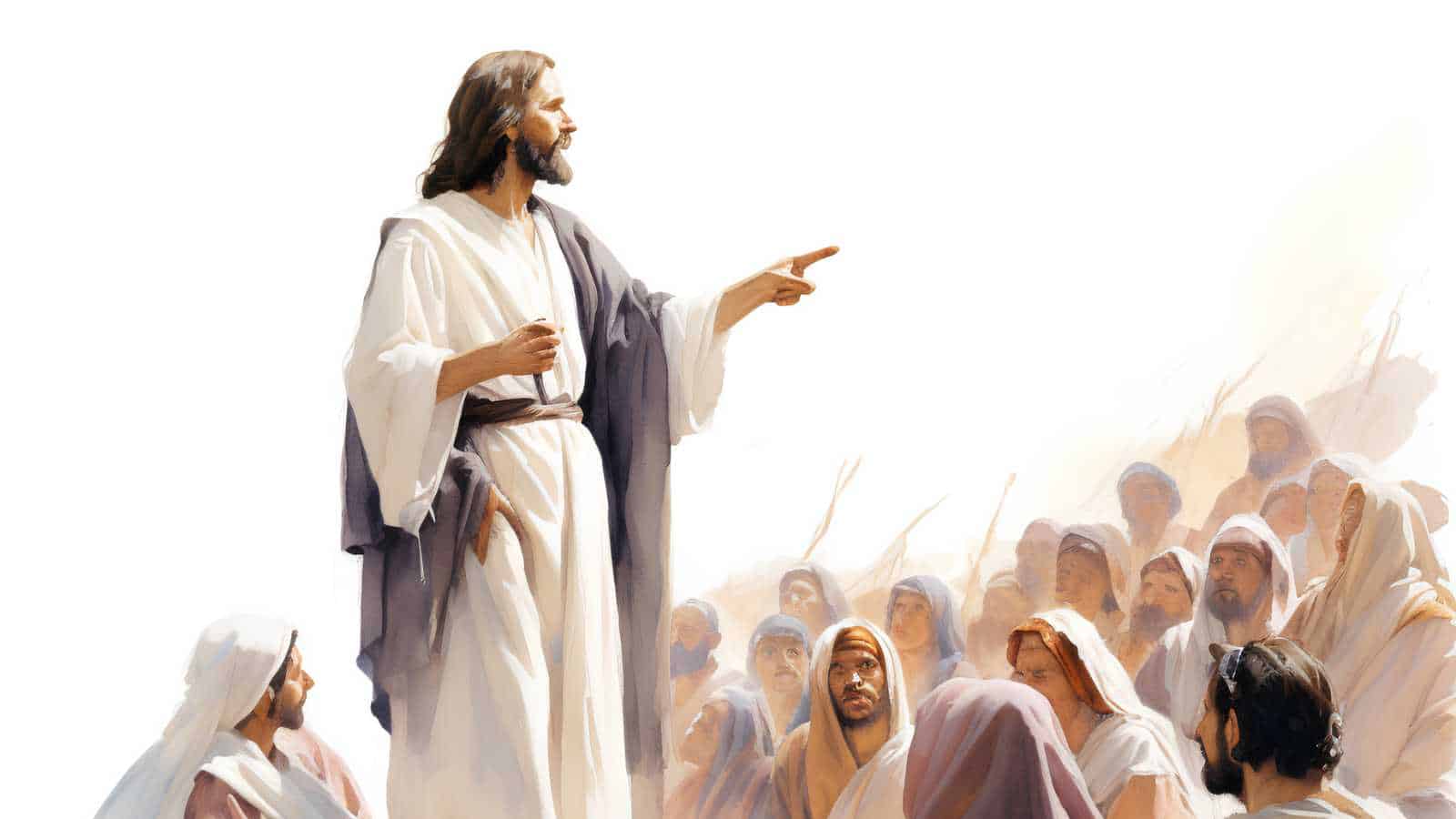
Nazareth was not the bustling town many people imagine; it was an obscure, hillside hamlet that did not even appear on maps of the time. Although the population was previously estimated to be between 200 and 400, new evidence suggests it was approximately 1,000. It was the kind of place where everybody knew your business, and news traveled faster than a text message.
Because it was so small and insignificant, coming from Nazareth carried a stigma, almost like being from the middle of nowhere. This context gives greater weight to the biblical question, “Can anything good come from Nazareth?” It was not merely a rhetorical jab; it reflected the village’s complete lack of status in the wider region.
Life Expectancy Was Brutally Short
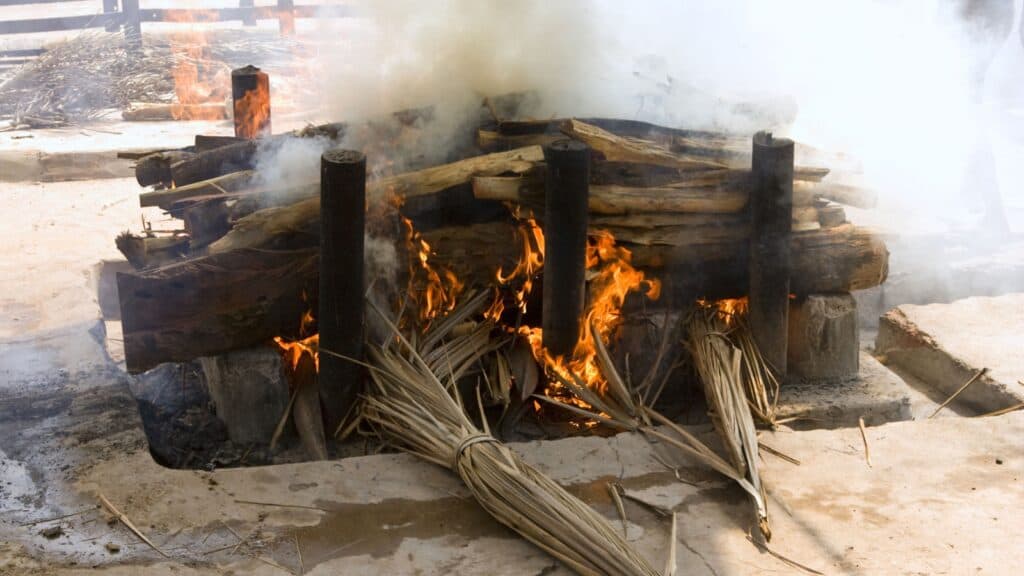
Survival in the first century was a daily struggle against disease, malnutrition, and injury, with no antibiotics or modern medicine available. According to Brill, the average life expectancy at birth in the Roman Empire was roughly 28 years. This strictly low number was heavily skewed by massive infant mortality, meaning death was a constant, familiar presence in every family.
If you managed to survive childhood, you might live into your forties or fifties, but you would be considered an elder by then. Reaching old age was such a rare achievement that those with gray hair were accorded immense respect and authority. Jesus died in his early thirties, not merely young; he was in the prime of what was considered a full adult life.
Taxes Were A Crushing Burden

The average family in Judea was being squeezed from all sides, paying heavily to both the Roman Empire and the Jewish Temple. Current economic historians estimate that between Roman tributes and religious tithes, a peasant could lose a massive portion of their harvest annually. This left very little for food, seed for the next year, or emergencies, pushing many farmers into crushing debt.
Tax collectors were despised not only because they worked for the enemy, but also because they often collected additional revenue to line their own pockets. They were seen as economic predators who thrived on the poverty of their neighbors. When you read about Jesus eating with tax collectors, he was essentially hanging out with the most hated figures in society.
Most People Were Illiterate
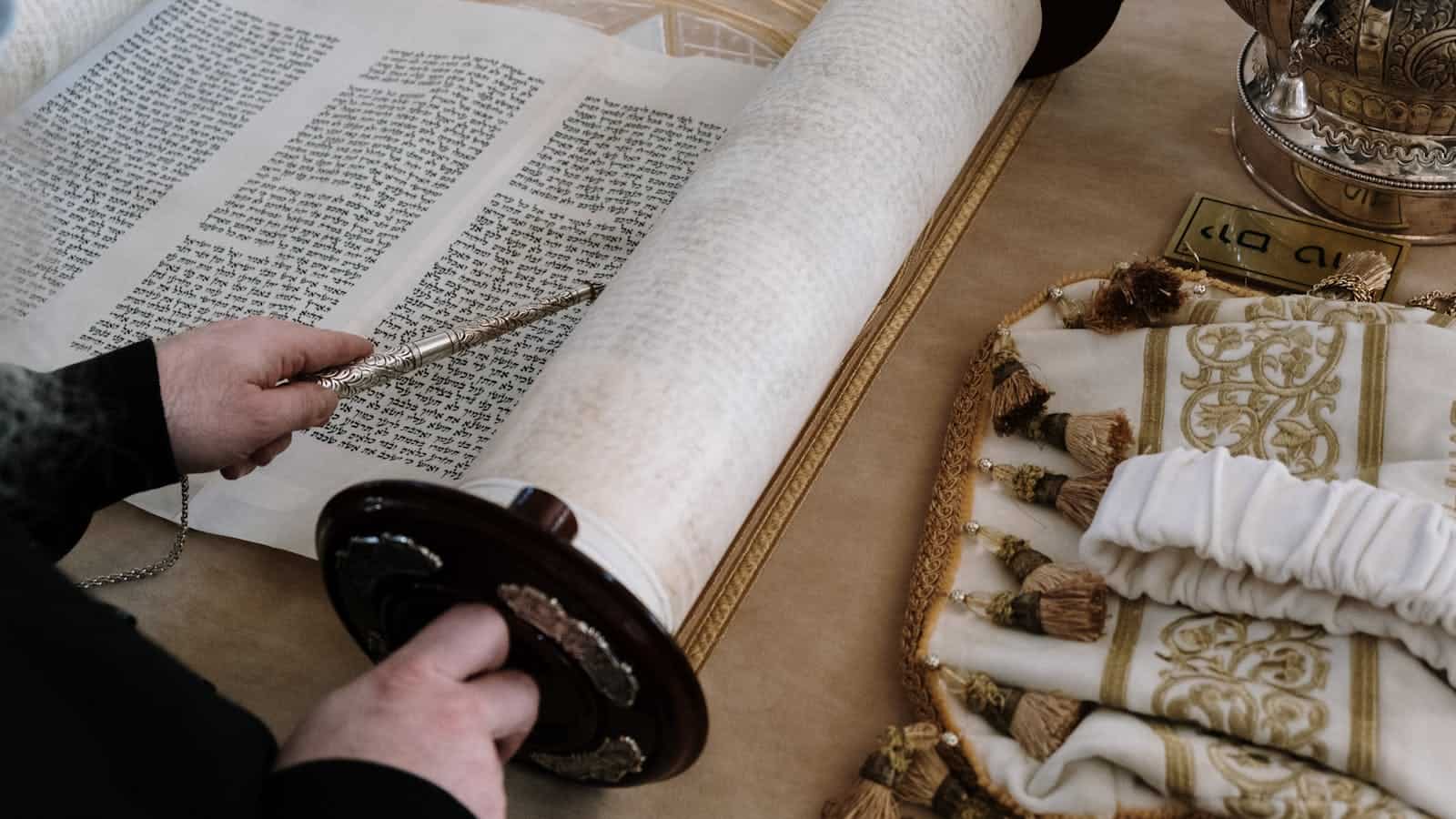
In a world without printing presses or public schools, reading was a specialized skill reserved for the elite, scribes, and wealthy. Professor Catherine Hezser’s research, which remains the gold standard, estimates that the literacy rate in Roman Palestine was likely around 3 percent. Information was passed down orally, through stories, parables, and memorization, which is why Jesus’s teaching style was so memorable.
The fact that Jesus could read from the scroll of Isaiah in the synagogue was actually quite remarkable for a craftsman from a small village. It indicated a level of education that far exceeded that of the average laborer. For the common people, their “Bible” was what they heard read aloud, not what they read themselves.
The Temple Was An Economic Engine
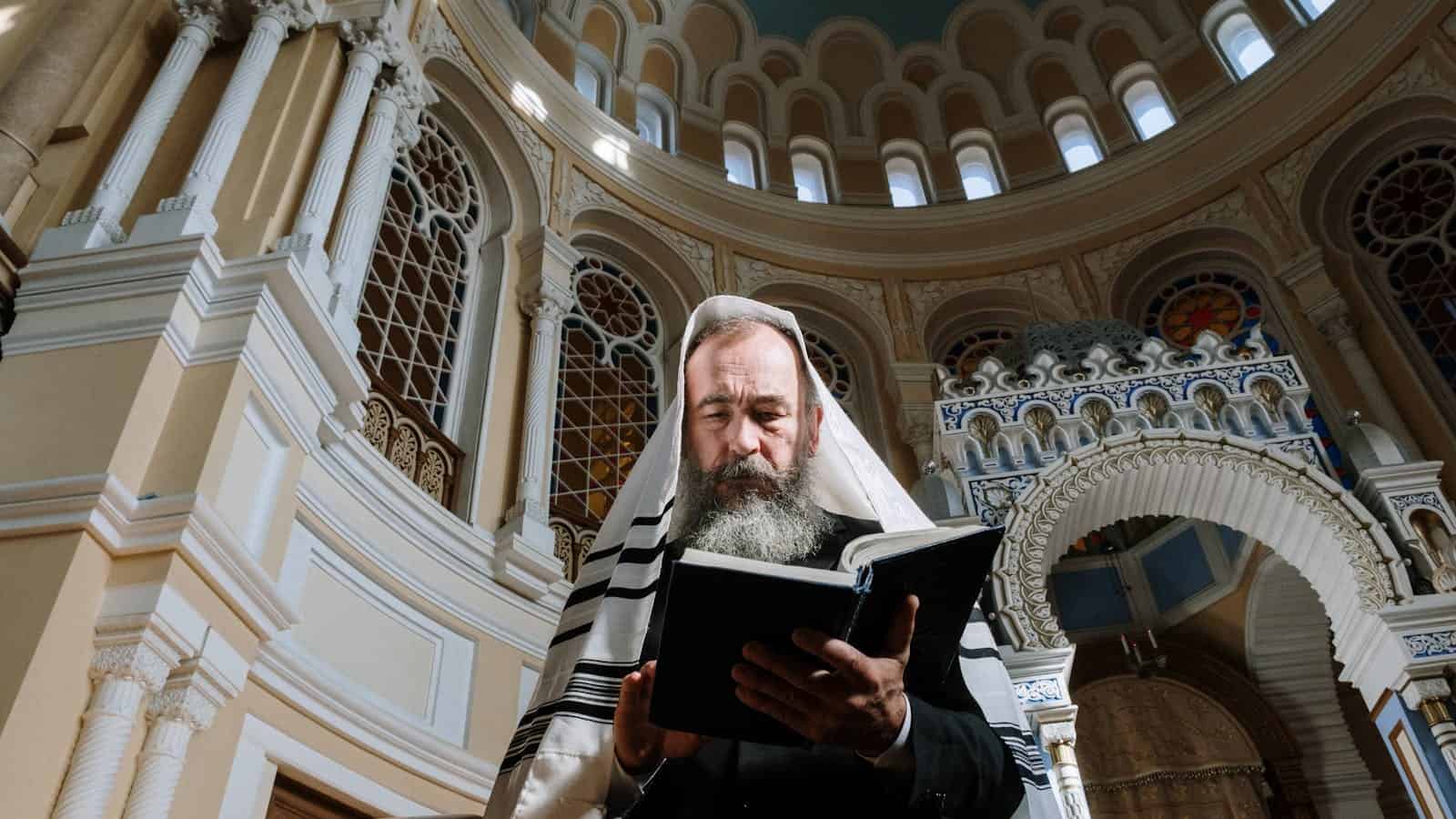
Jerusalem’s Temple was not just a place of worship; it was the national bank, the center of trade, and the beating heart of the economy. During major festivals such as Passover, the city’s population would swell by tens of thousands. Merchants made fortunes selling sacrificial animals and changing foreign currency into the special Temple coin.
This commercialization is exactly what sparked the famous scene of Jesus overturning the tables. He was not just disrupting a church service; he was attacking a corrupt financial system that exploited the devotion of the poor. The Temple authorities saw this as a direct threat to their immense revenue stream.
Walking Was The Main Mode Of Transport
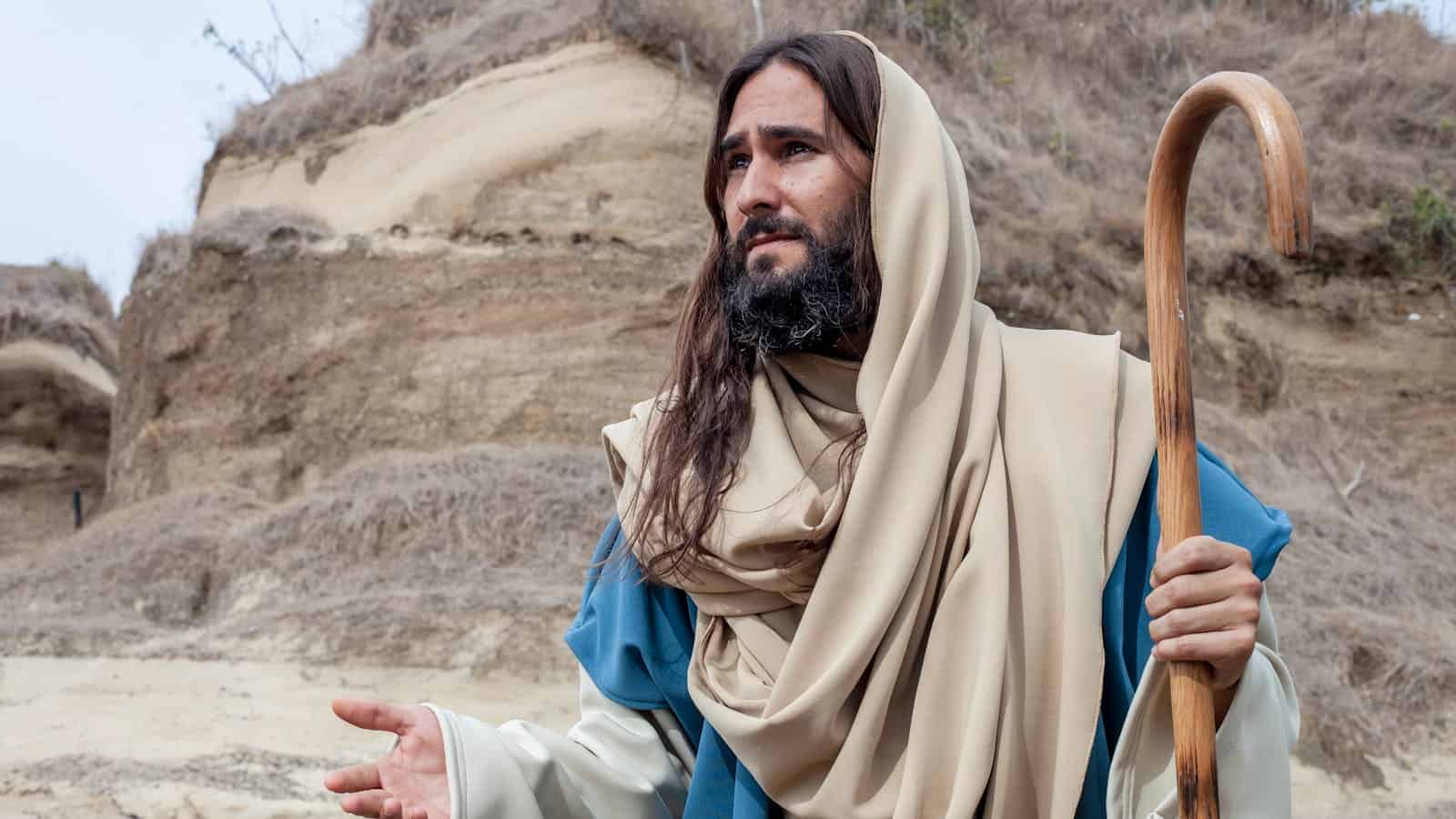
If you wanted to go somewhere, you walked, and you walked far, often over rough and dangerous terrain. A 2025 digital mapping project revealed that the Roman road network was over 186,000 miles long, a vast network connecting even remote areas. Despite these roads, travel was slow, exhausting, and fraught with the risk of bandits.
For a Galilean to travel to Jerusalem, it meant a trek of roughly 70 to 80 miles, taking nearly a week one way. We often overlook the sheer physical endurance required for Jesus’s ministry, which involved constant travel from town to town. The disciples were not just spiritual followers; they were road-hardened travelers.
The Class Divide Was Massive

There was no middle class as we know it today; you were either very rich or, more likely, struggling to survive. A tiny elite controlled the vast majority of the land and wealth, while the rest of the population lived at a subsistence level. This extreme inequality created a social powder keg, with the poor constantly resentful of the aristocracy.
Wealth was often seen as a sign of God’s favor, which made Jesus’s teachings about the poor being “blessed” radically counter-cultural. He was flipping the accepted social ladder upside down, offering dignity to those whom society treated as invisible. In that world, being poor was not just an economic state; it was a shameful social position.
Medicine Was Primitive And Scarce

If you got sick in the first century, your options were limited to herbal remedies, prayer, or superstition. There were no hospitals, and what we call “physicians” often used treatments that were more harmful than the disease itself. A simple infection from a cut or a toothache could easily turn fatal within days.
This context explains why Jesus’s healing miracles attracted such desperate, massive crowds. He offered hope in a world where physical suffering was a constant, inescapable reality for almost everyone. For a leper or a blind man, a cure was not just a health improvement; it was a restoration of their entire life and community status.
Galilee Was A Hotbed Of Rebellion

Far from being a peaceful pastoral region, Galilee was known for being the center of anti-Roman sentiment and revolutionary activity. The region was home to the Zealots, a political movement that advocated the use of force to expel the foreign occupiers. Living there meant dealing with a tense atmosphere where riots and military crackdowns were common.
When people heard the term “Messiah,” they were not thinking of a spiritual savior, but of a warrior king who would expel the Romans. This explains the disciples’ constant confusion, as they kept expecting Jesus to initiate a military uprising. Jesus’s preaching of nonviolence in Galilee was akin to preaching pacifism in a war zone.
Carpenters Were Actually Stonemasons

The Greek word “tekton,” used to describe Jesus, is often translated as “carpenter,” but it denotes a general builder or stonemason. Since wood was scarce and stone was the primary building material in Judea, Jesus likely spent his days hewing rock rather than whittling wood. It was grueling, heavy labor that required immense physical strength.
This changes our mental image of Jesus from a gentle woodworker to a physically imposing construction worker. His parables about cornerstones and building on rock likely came directly from his own professional experience. He knew firsthand the sweat and exhaustion of a hard day’s work.
15 Things Women Only Do With the Men They Love

The 15 Things Women Only Do With the Men They Love
Love is a complex, beautiful emotion that inspires profound behaviors. We express our love in various ways, some universal and others unique to each individual. Among these expressions, there are specific actions women often reserve for the men they deeply love.
This piece explores 15 unique gestures women make when they’re in love. From tiny, almost invisible actions to grand declarations, each tells a story of deep affection and unwavering commitment.