You know you’re over 50 when one of these 12 items lives in your wallet or purse
If you are over 50, your wallet or purse probably tells a more honest story about your life than any social media bio. From loyalty cards to pill cases, what you carry reflects a stage of life where health, security, and comfort outrank trends and impulse buys. According to a 2024 Pymnt study, while 60% of Gen Z consumers use digital wallets, nearly 70% of Baby Boomers and Gen X still prefer physical cards and cash.
Check your pockets, because if you find these items, you’ve officially earned your “seasoned” status.
A well-worn credit card that actually gets paid

By 50, many people have decades of credit history and a healthier relationship with plastic than in their twenties. LendingTree data shows that U.S. adults 65 and older have lower average credit card balances and significantly lower utilization rates than the general population, despite higher credit limits. That combination of access and discipline turns the card in their wallet into a tool rather than a trap.
An “in case of emergency” health card
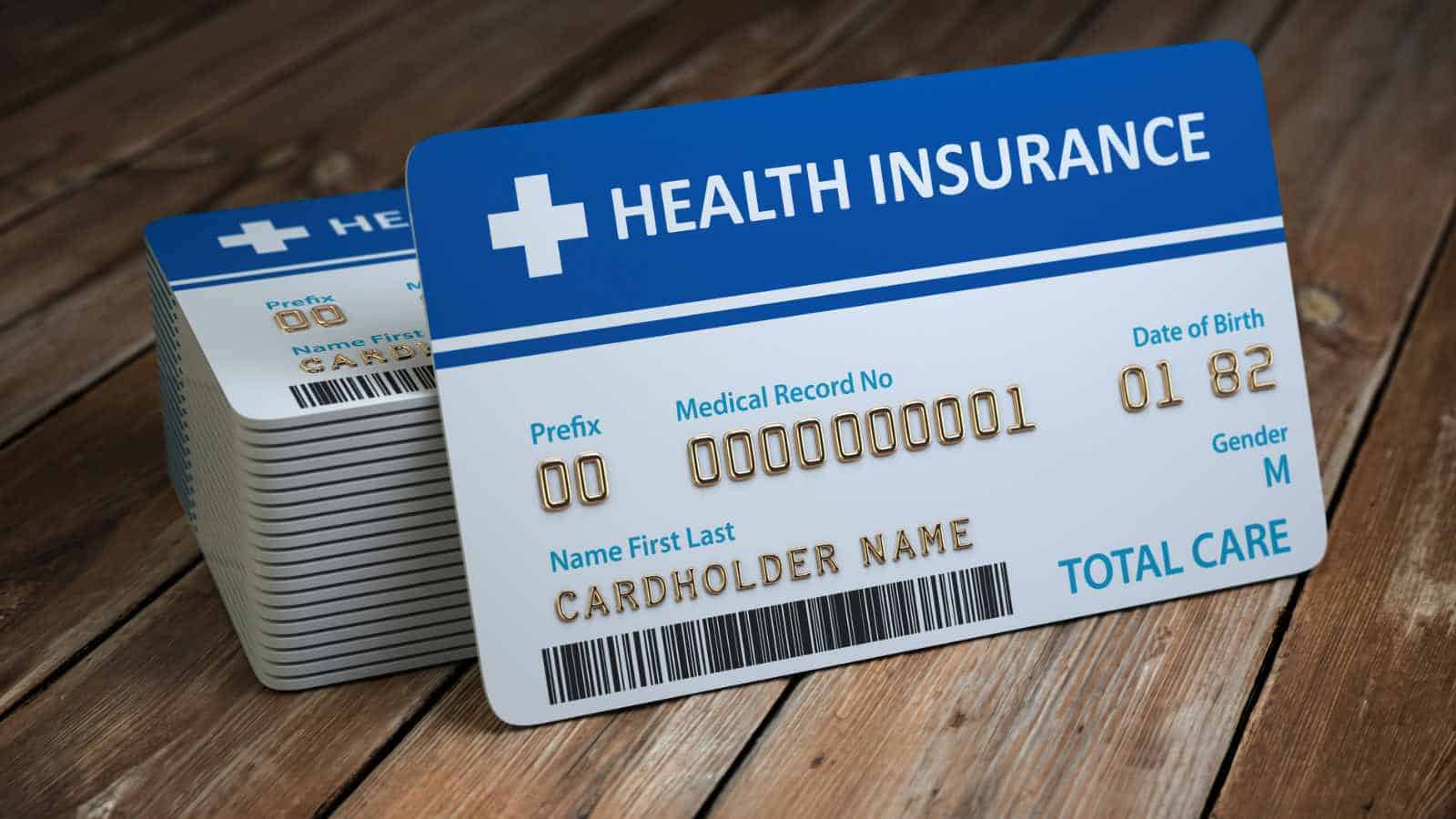
Whether it is a printed card listing allergies, medications, and emergency contacts, or a neatly folded sheet, health information tends to live where the over-50s can reach it quickly. AARP notes that adults over 50 are increasingly using digital tools for medical payments and records, but many still like having a physical backup for emergencies or doctor visits. With multiple prescriptions and conditions becoming more common in later life, that card is a quiet form of self-advocacy.
A tiny pill case or blister pack

If you pull out your wallet and a day’s worth of medication rattles out with it, you are in good company. Scientific Research finds that people in their 60s and 70s often manage several chronic conditions at once, and many use pillboxes or manual organizers to keep track of complex regimens.
Between 40 and 75 percent of elderly individuals with chronic disease struggle with medication adherence, which is why portable pill organizers are so popular despite their potential downsides.
Reading glasses tucked in the side pocket

Presbyopia, the gradual loss of close-up focusing ability, affects nearly everyone as they age, which is why readers become a permanent purse or wallet companion after 50. Health Direct notes that reduced visual acuity and contrast sensitivity can make tasks like reading labels, receipts, and tiny card print more difficult for older adults, especially in low light. Having a slim pair of reading glasses handy is less about vanity and more about staying independent in daily life.
Old school cash for “just in case” moments

While younger generations default to mobile wallets and contactless taps, older adults are more likely to keep some emergency bills tucked away. Federal Reserve research reports that older consumers use cash differently from younger ones, with many still relying on it for small-value, in-person transactions, even as they prefer cards for larger purchases. That folded note in a worn billfold is less about nostalgia and more about being prepared for the parking meter, the farmer’s market, or the card machine that suddenly goes offline.
A stack of loyalty and membership cards

From grocery discounts to pharmacy points, those extra cards say a lot about how people over 50 shop. Older consumers are highly engaged with loyalty programs because they often manage fixed incomes, recurring prescriptions, and household shopping for themselves and sometimes their extended family. Keeping these cards in a crowded wallet is a simple way to stretch every dollar and make routine purchases feel a little more rewarding.
A paper check or two “for the one place that still needs it.”
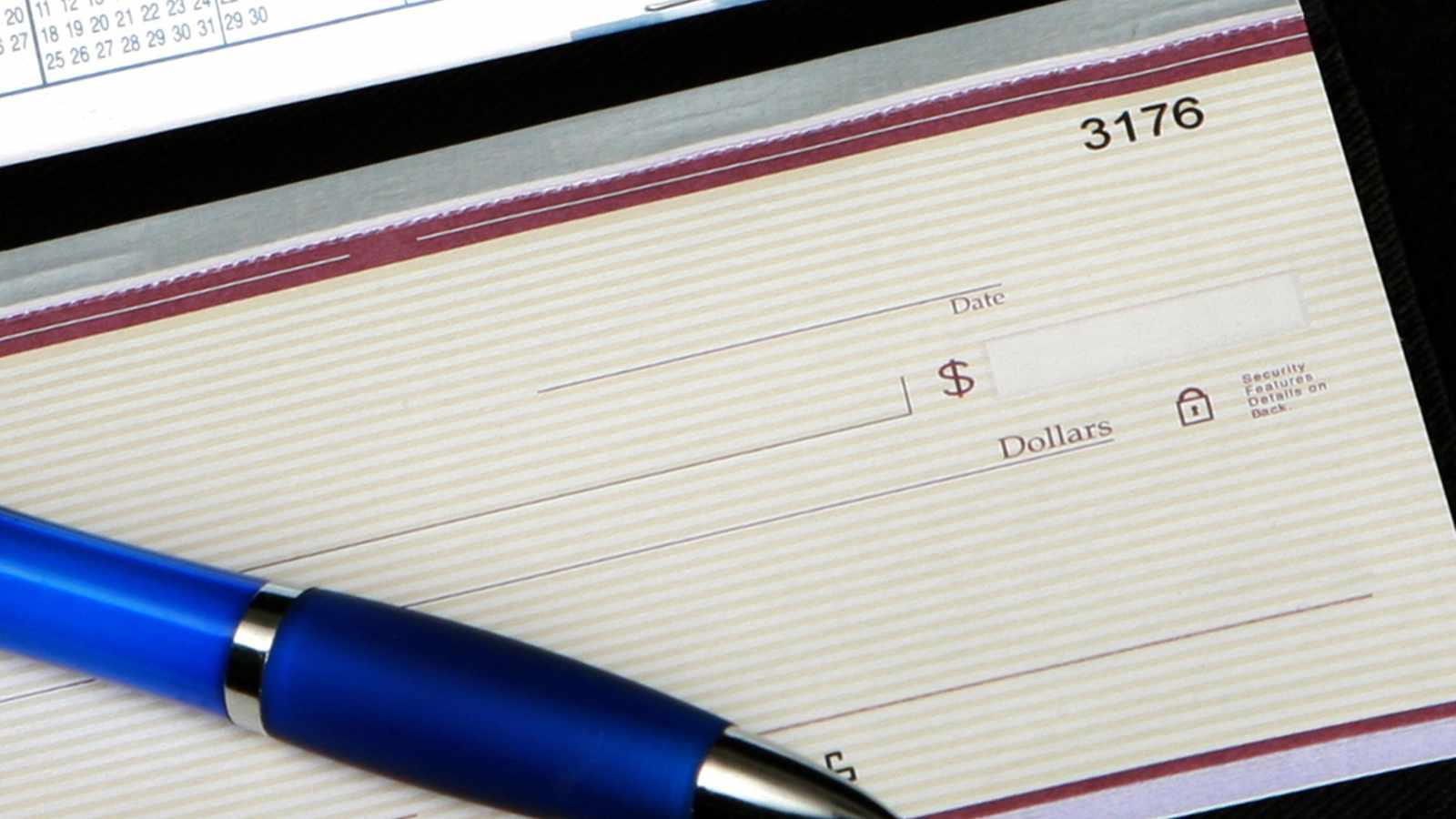
Younger adults may go years without writing a check, but many over 50s still carry one or two in their purse for edge cases. Federal Reserve analyses of payment preferences show that adults over 65 are much more likely than younger people to prefer checks and to use them for certain types of transactions, such as rent, local services, or donations. That single folded check tucked behind debit cards is a relic of older payment habits that still has specific, practical uses.
A printed list of passwords or PIN hints

Cybersecurity experts may cringe, but a surprising number of people keep some kind of written password prompt in their wallet. AARP research on tech use among adults 50+ finds that most in this age group use financial apps to monitor balances and pay bills, yet many are still adjusting to frequent password changes and multi-factor authentication. For those managing multiple logins for banking, health portals, and email, a coded list of hints offers peace of mind, even if the safer long-term answer is a dedicated password manager.
A photo of kids, grandkids, or a loved pet

In an era of camera roll overload, a physical photo in a wallet stands out, especially among older adults. While people over 50 have embraced smartphones and social media, many still cherish printed photos as tangible reminders of relationships, milestones, and family history. That worn picture tucked behind an insurance card often says more about someone’s priorities than any app on their home screen.
A folded coupon or handwritten shopping list
If you constantly find old grocery lists and clipped coupons crumpled at the bottom of your bag, you are firmly in the over-50 camp. AARP’s research on tech trends shows that many in this age group blend digital and analog habits, using apps to check prices while still relying on handwritten notes and paper offers for everyday shopping. It is less about being behind the times and more about trusting systems that have worked for decades.
A backup mask or travel-size sanitizer
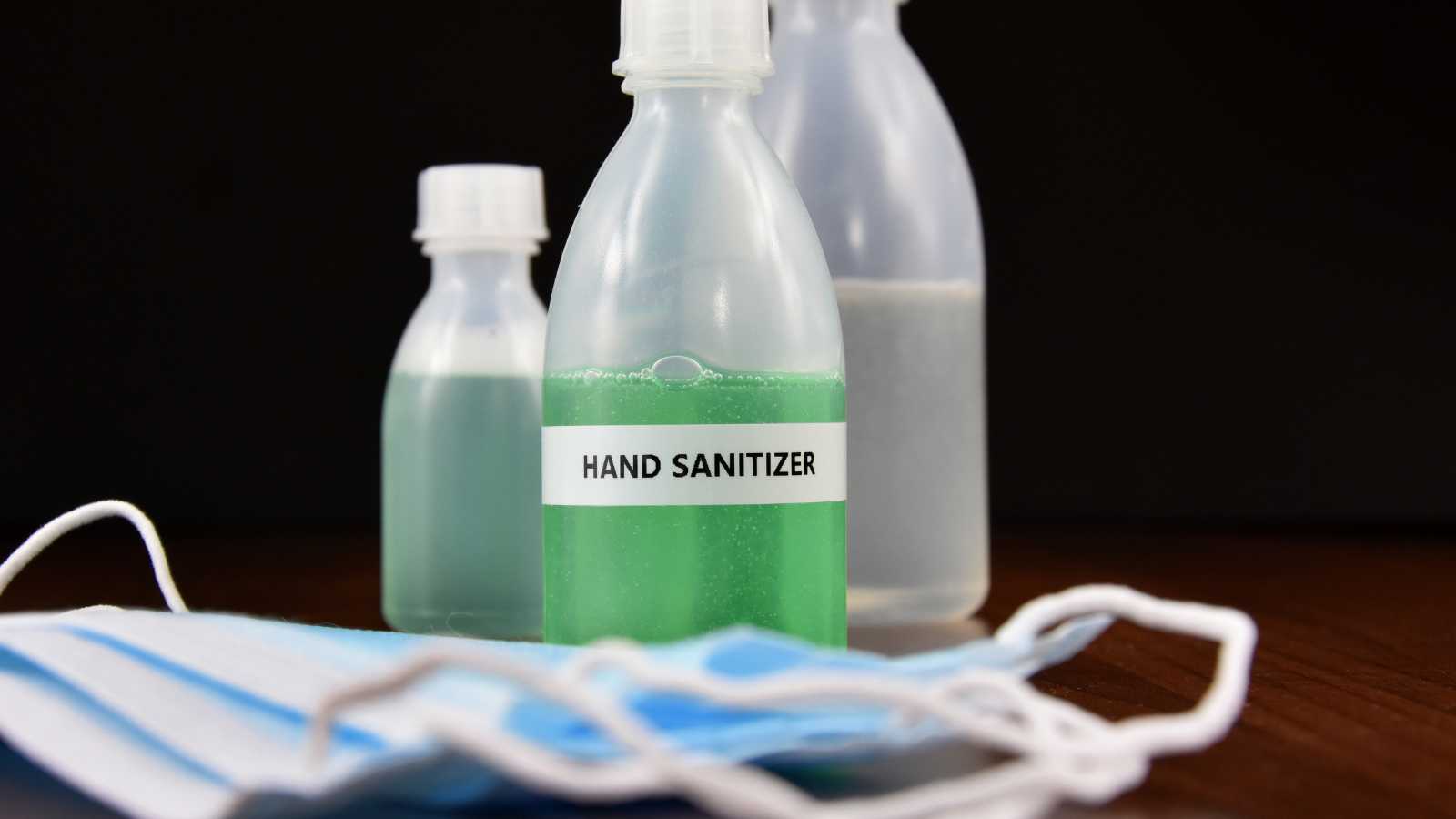
Even as official restrictions have eased, adults over 50 remain more cautious about health risks than younger groups. Older adults are more likely to continue masking in crowded indoor spaces and to carry sanitizer or wipes, especially if they have underlying conditions. That spare mask stuffed in a side pocket is a lingering symbol of a generation that took pandemic risk seriously and still thinks about respiratory season.
A slimmed-down wallet that proves you are done impressing anyone
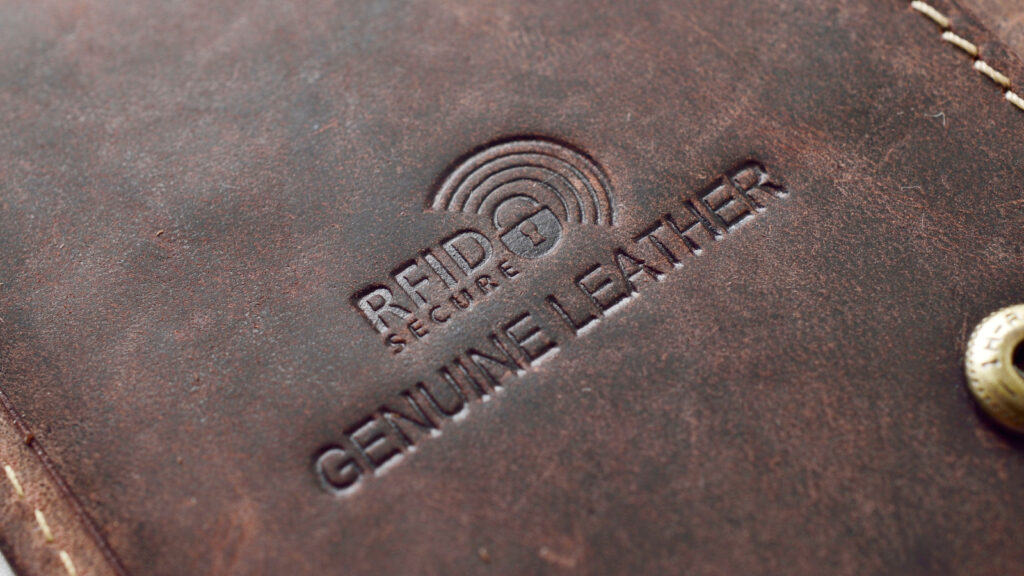
Perhaps the clearest sign you are over 50 is not a specific item, but how intentionally you carry it all. AARP tech and fintech research shows that seven in ten adults 50+ now use digital tools for everyday money tasks, from checking balances to paying bills, which lets them streamline what stays in their physical wallets. Instead of cramming in every card and receipt, many curate a small set of essentials that reflect years of trial and error and of knowing what actually matters from day to day.
Disclosure: This article was developed with the assistance of AI and was subsequently reviewed, revised, and approved by our editorial team.
20 Odd American Traditions That Confuse the Rest of the World
20 Odd American Traditions That Confuse the Rest of the World
It’s no surprise that cultures worldwide have their own unique customs and traditions, but some of America’s most beloved habits can seem downright strange to outsiders.
Many American traditions may seem odd or even bizarre to people from other countries. Here are twenty of the strangest American traditions that confuse the rest of the world.
20 of the Worst American Tourist Attractions, Ranked in Order

20 of the Worst American Tourist Attractions, Ranked in Order
If you’ve found yourself here, it’s likely because you’re on a noble quest for the worst of the worst—the crème de la crème of the most underwhelming and downright disappointing tourist traps America offers. Maybe you’re looking to avoid common pitfalls, or perhaps just a connoisseur of the hilariously bad.
Whatever the reason, here is a list that’s sure to entertain, if not educate. Hold onto the hats and explore the ranking, in sequential order, of the 20 worst American tourist attractions.