10 Pet Products Vets Say You Don’t Really Need
From pet DNA kits to water fountains with LED lights, the pet product market is flooded with items that promise a better life for your furry friend. But not all of them live up to the hype. In fact, some are unnecessary, overpriced, or even harmful. Veterinarians see what actually benefits pets, and what doesn’t.
Here are 10 pet products vets say you can skip.
Rawhide Chews
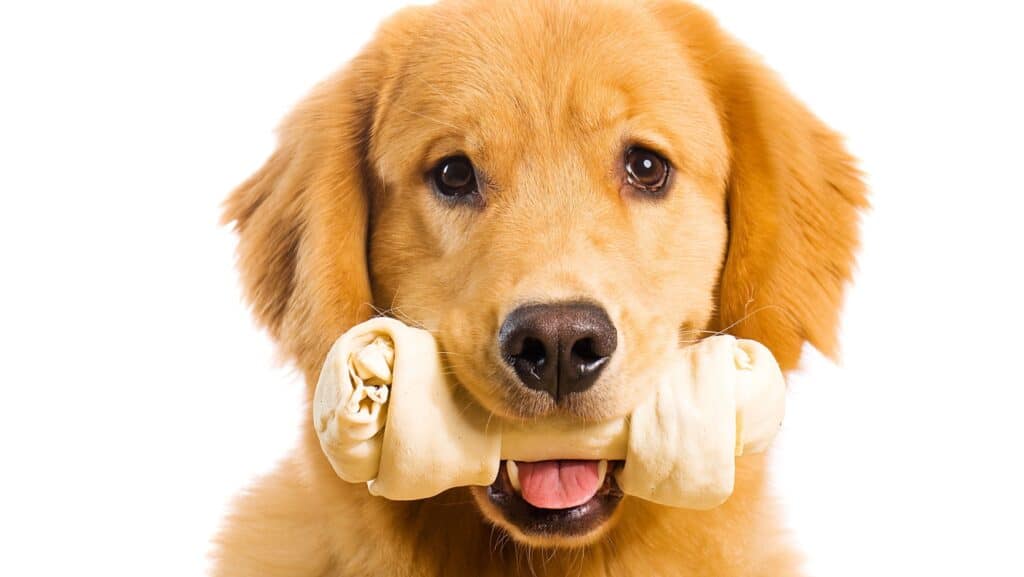
Rawhide chews may seem like a classic treat, but they pose serious choking and digestion hazards. According to the American Kennel Club and many vets, rawhides can swell in the stomach, creating blockages that may require surgery. Opt for safer alternatives like natural chews, sturdy rubber toys, or supervised raw bones.
Vitamin Supplements for Healthy Pets
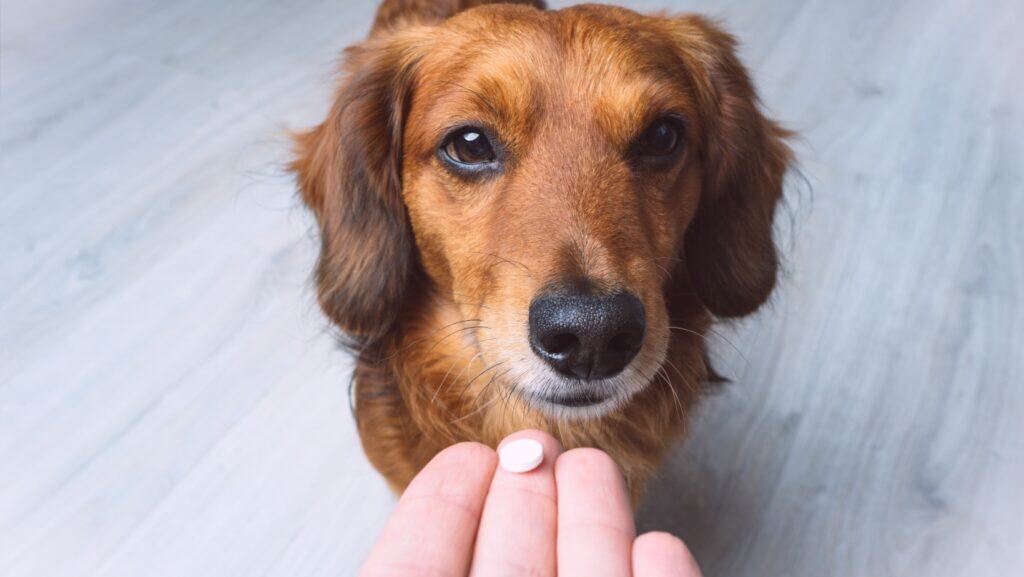
Unless your dog or cat has a diagnosed deficiency or chronic illness, adding multivitamins to an already complete and balanced diet can do more harm than good. Excess amounts of fat-soluble vitamins—like A or D—can build up to toxic levels. The FDA warns that pet supplements are not well regulated, and quality varies greatly between brands.
Pet Wipes with Fragrance
Those lavender-scented pet wipes might appeal to you, but they often contain alcohols and perfumes that can irritate your pet’s skin, especially around the eyes, ears, or paws. Vets recommend using unscented, vet-approved wipes or simply a damp washcloth. Fragrance isn’t a health benefit; it’s a human preference.
Fancy Elevated Bowls (for Most Dogs)
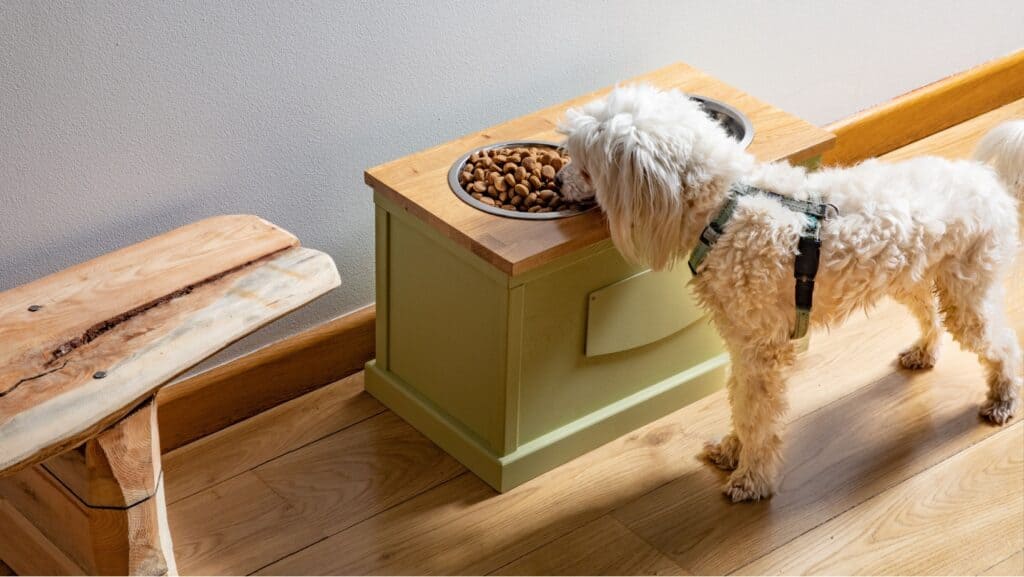
While elevated food bowls were once recommended for large-breed dogs, more recent research suggests they may actually increase the risk of gastric dilatation-volvulus (bloat) in susceptible breeds. The Purdue University studyon Great Danes and other deep-chested breeds found a strong correlation between raised feeders and life-threatening bloat. For most dogs, standard floor-level bowls are safer.
Grain-Free Diets
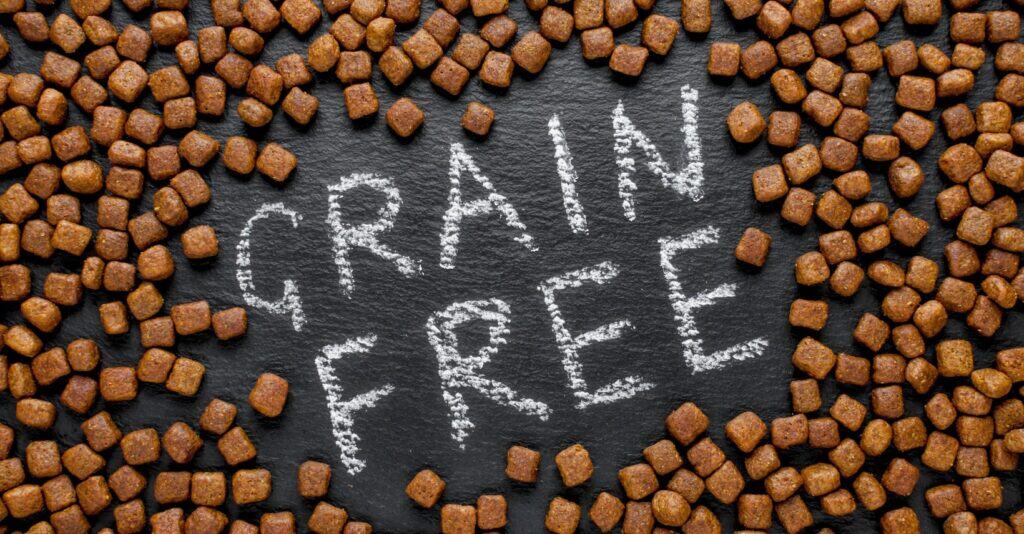
Grain-free foods became trendy in the 2010s, but most dogs don’t need them. Unless your dog has a diagnosed grain allergy, which is rare, there’s no benefit. In fact, the FDA began investigating a potential link between grain-free diets and canine dilated cardiomyopathy (DCM). Your vet can help you choose a truly appropriate food, not just a trendy one.
Pet Clothing (Except for Cold or Medical Reasons)
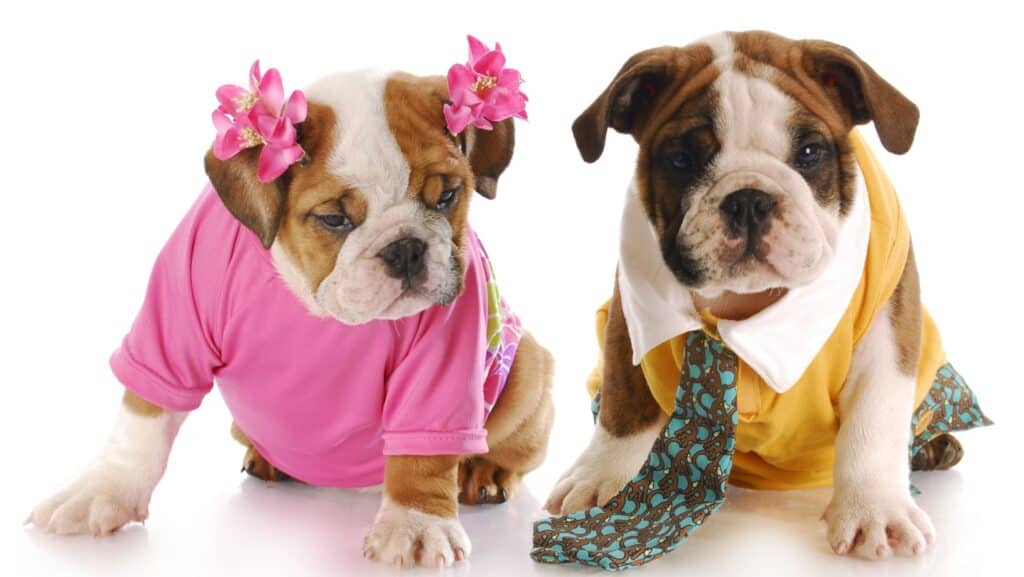
While it’s fun to dress up dogs, most don’t need coats or pajamas—especially indoors. Clothing can cause overheating or anxiety in some dogs. That said, short-haired breeds, elderly pets, and dogs recovering from surgery may benefit from a light jacket or bodysuit. But if it’s just for style, your dog probably isn’t impressed.
Laser Pointers for Dogs
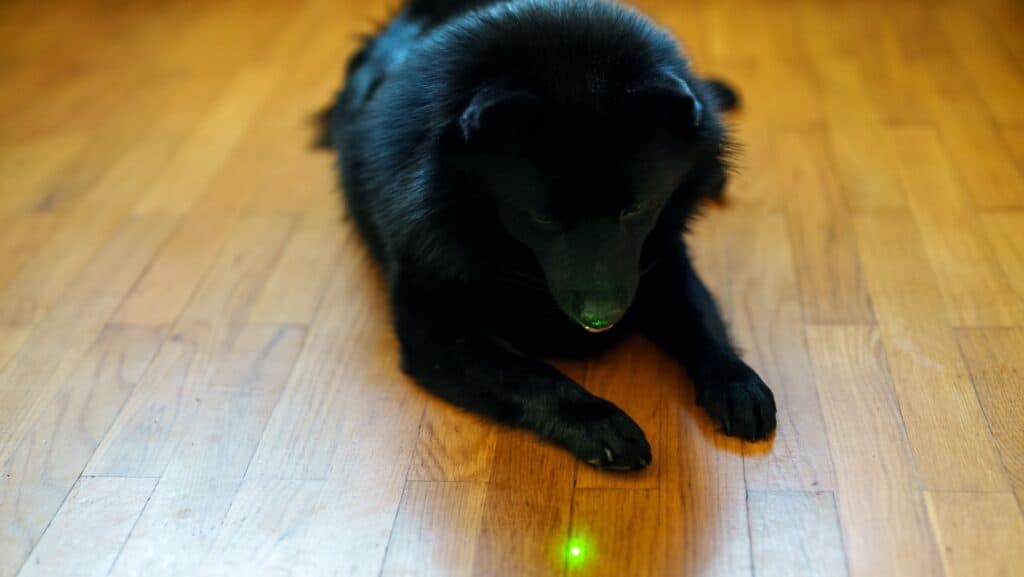
Dogs, unlike cats, often become frustrated when they can’t “catch” their prey. This can lead to compulsive behavior and increased anxiety. According to behaviorists, laser pointer frustration can fuel obsessive tail chasing or pacing in dogs. Stick to toys that offer physical rewards, like tug ropes or puzzle feeders.
Dog Perfume or “Pet Cologne”
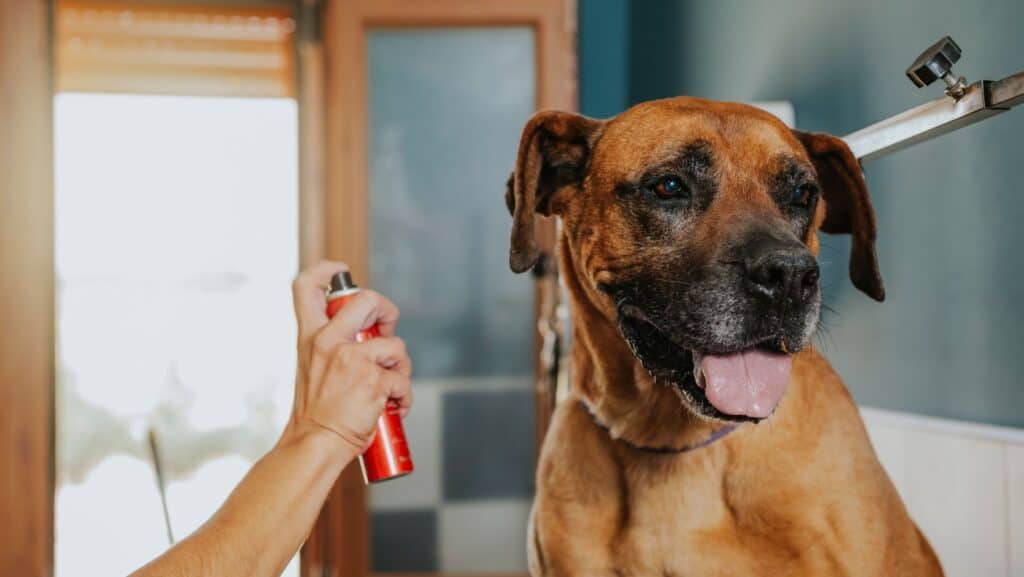
Your dog’s natural smell may not be your favorite, but it’s how they communicate with the world. Scented sprays and colognes can interfere with their ability to interact with other dogs and often contain alcohols or chemicals that can dry out the skin. If your dog has a persistent odor, it may be a sign of an underlying medical issue, not something to cover up.
DNA Testing Kits for Breed Mixes
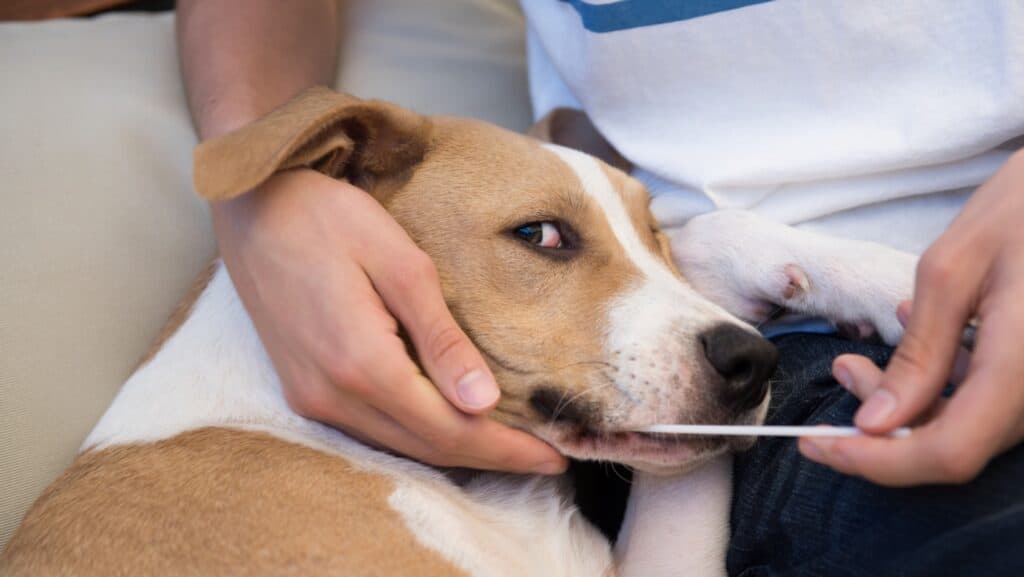
Pet DNA kits are fun, but most aren’t scientifically rigorous. A 2019 study showed discrepancies in breed identification and results that can’t always be replicated. More concerning is when owners make care decisions based on breed guesses—like assuming a dog has herding instincts or exercise needs based on a misidentified result. Use DNA kits for fun, not medical or behavioral planning.
Pet Water Fountains (in Most Cases)
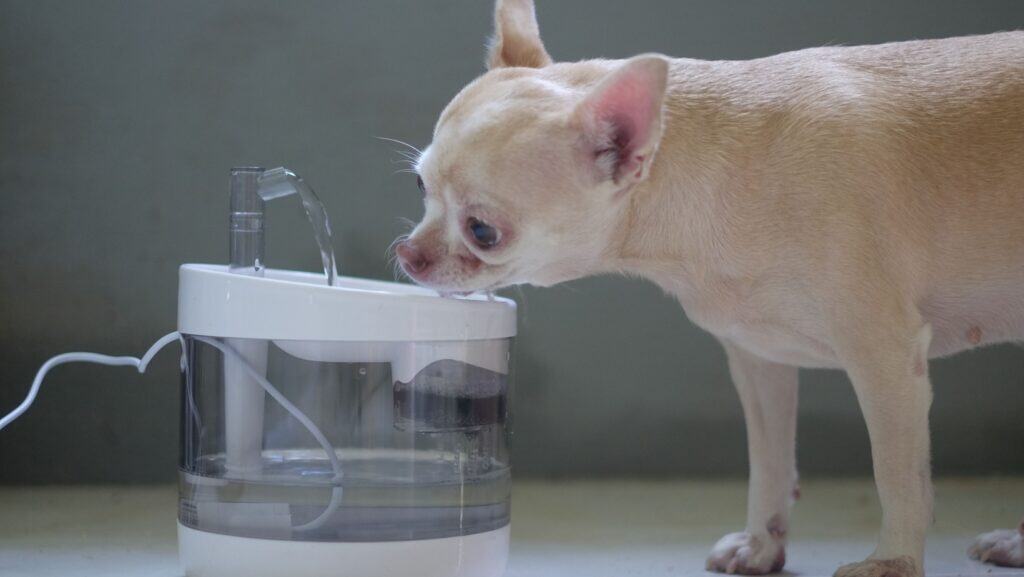
These gadgets are often marketed as essential, but unless your pet avoids drinking standing water or has urinary issues, a clean bowl is just fine. Water fountains must be cleaned regularly to prevent mold and bacteria buildup. Many cats and dogs simply ignore them. If you’re worried about hydration, adding moisture-rich food or bone broth may help more than a gadget.
Don’t Follow Trends

It’s easy to get caught up in pet trends and clever marketing. But most animals thrive with simplicity: good food, clean water, affection, exercise, and regular veterinary care. If a product sounds too good to be true, or just looks cute on social media, ask yourself if your pet actually needs it, or if you’re the one being sold.
Before buying something new, ask your veterinarian what they’ve seen work, or what they’ve seen cause trouble.
How to Protect Your Dog from Heat Stroke This Summer and What NOT To Do!

Summer is here and it’s essential to prioritize your dog’s safety and well-being by taking proactive steps to prevent overheating. Dogs are more susceptible to heat-related illnesses due to their inability to sweat like humans, making it crucial for pet owners to be aware of the signs, prevention methods, and emergency procedures to ensure their dog stays cool and healthy. In the most serious cases of canine dehydration, severe fluid shortage can lead to the failure of the kidneys and other organs.
In addition, we keep seeing posts, on Facebook in particular, that have incorrect, and even dangerous information. All of the information here is evidence-based.
READ: How to Protect Your Dog from Heat Stroke This Summer and What NOT To Do!
Join Us

Join us on this empowering journey as we explore, celebrate, and elevate “her story.” The Queen Zone is not just a platform; it’s a community where women from all walks of life can come together, share their experiences, and inspire one another. Welcome to a space where the female experience takes center stage. Sign up for our newsletter so you don’t miss a thing, Queen!