10 reasons why women are waiting longer to get married than ever before
In 2024, the median age for a first marriage for women in the U.S. reached 28.6, a stark contrast to the 20.3 years it was in 1960.
Over the past few decades, a quiet yet profound social transformation has occurred across the United States and other developed nations. The traditional life script, in which a young woman’s journey culminates in an early-20s marriage, is no longer the norm. Today, women are intentionally delaying marriage, choosing to walk down the aisle later than any generation before them.
This shift isn’t a sign of fear or a lack of romantic interest; it’s a reflection of deeper societal changes, personal empowerment, and a more thoughtful approach to life and partnership. This article delves into ten key reasons behind this trend. We’ll explore the economic, social, and psychological factors that have redefined the modern woman’s timeline for love and commitment. Let’s get into it!
Higher Education and Career Ambition

The pursuit of higher education has become a top priority for women. Data from 2024 has shown that college enrollment rates for women continued to be higher than for men. The time spent in college, graduate school, and building a career naturally pushes back the age at which marriage is a realistic consideration.
It’s a simple equation: more time spent on education and professional development means less time for early-in-life marriage.
Economic Independence

Historically, marriage was an economic necessity for many women. A man’s income was often the primary, if not the sole, source of financial stability for a family. That reality has changed dramatically. With more women entering the workforce and achieving financial autonomy, the need to marry for financial gain has largely evaporated. They are now free to prioritize personal goals, career advancement, and paying off student loans before entering a serious relationship.
This financial power enables them to be more selective in their choice of partner, ensuring they are marrying for love and compatibility, rather than for security.
Shifting Social Norms

Decades ago, being an unmarried woman in her late twenties or thirties carried a significant social stigma. Words like “spinster” or “old maid” were used to shame women who were not married. Today, that stigma has largely disappeared. There is a broad cultural acceptance of single living and a recognition that a woman’s value is not defined by her marital status.
This freedom from judgment allows women to pursue their own timelines without external pressure.
Increased Cohabitation

In the past, couples typically moved in together after getting married. Today, cohabitation has become a default step in most relationships. A 2024 study by Bowling Green State University found that the prevalence of cohabitation among unmarried adults has increased significantly over the past two decades.
For many couples, living together offers the benefits of a shared life without the legal and social pressure of marriage, often delaying the decision to walk down the aisle.
Higher Standards for a Partner

As women become more educated, financially independent, and self-aware, their standards for a partner are also rising. They are not just looking for a good man; they are looking for a great partner. This includes emotional intelligence, shared values, and a true sense of partnership.
With more options and less pressure to settle, women are being more selective, which naturally extends the time it takes to find the right person.
The High Cost of Weddings and Living

In a society where women are increasingly contributing to their financial future, the high cost of weddings and general living expenses is a significant deterrent to marrying early. The average wedding in the U.S. costs over $33,000, a massive financial undertaking that many couples can’t afford without a significant period of saving.
In addition to wedding costs, the high prices of housing and childcare mean that many couples are waiting until they have a solid financial foundation before considering marriage and starting a family.
Shifting Gender Roles in Relationships

The traditional roles of a stay-at-home wife and a breadwinning husband are becoming a thing of the past. Women are increasingly looking for a partner who is willing to share responsibilities equally, from household chores to childcare. This search for an egalitarian partnership takes time.
Many women are waiting to get married until they find a partner who aligns with their desire for a more balanced relationship dynamic, rather than settling for an outdated model of marriage.
The Increased Focus on Self-Discovery

Psychologists and relationship coaches note that women today are prioritizing personal growth and self-discovery as a prerequisite for a healthy relationship, not a result of it. The idea is that you must become a whole, happy person on your own before you can successfully merge your life with someone else.
This focus on personal well-being, travel, and pursuing individual passions is a key psychological reason for delayed marriage. Women are using their single years to figure out who they are, what they want, and what they will and won’t accept in a partner.
The Changing Role of Marriage Itself
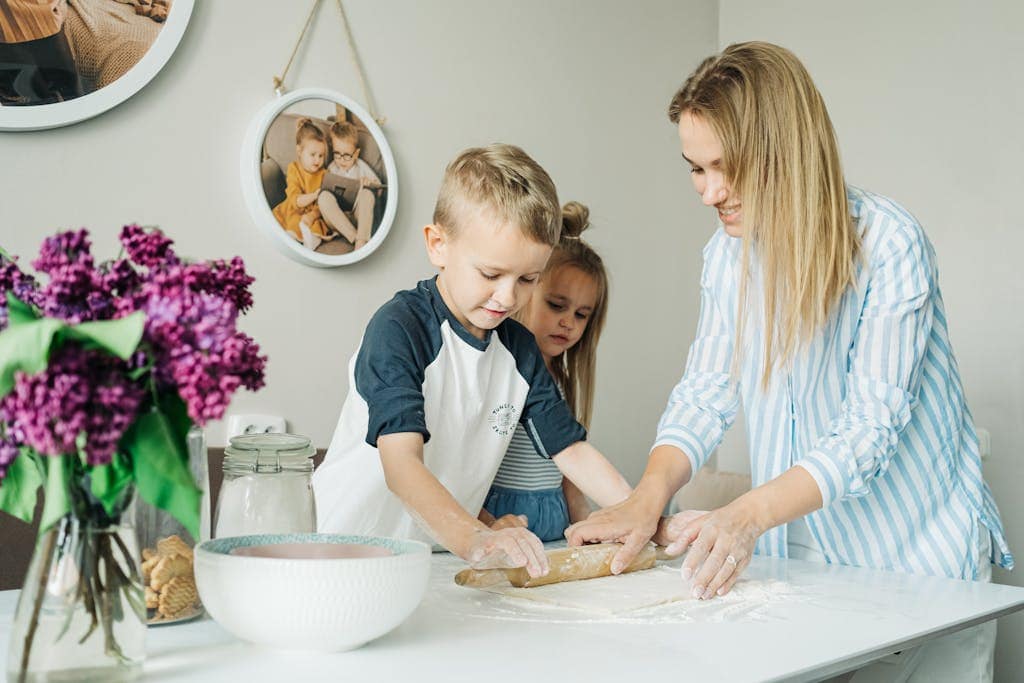
For previous generations, marriage was the accepted gateway to adulthood and the foundation for building a family. Today, that is no longer the case. A marriage certificate is no longer a requirement for buying a house or having children. As a result, the institution of marriage has transformed from a necessity into a choice.
Sociologists note that this change has raised the bar for what a marriage should be. It is now seen as a deeply personal and meaningful commitment—a partnership of equals.
Acknowledging the High Divorce Rate

With divorce rates hovering around 40-50%, women are more cautious about entering into marriage without careful consideration. The decision to get married is now seen as a serious legal and emotional commitment, not just a romantic gesture.
Women are taking the time to ensure they are with the right person and are in a secure, stable relationship to reduce the risk of future divorce. This cautious approach is a smart way to protect their emotional and financial well-being.
The 15 Things Women Only Do With the Men They Love

The 15 Things Women Only Do With the Men They Love
Love is a complex, beautiful emotion that inspires profound behaviors. We express our love in various ways, some universal, while others are unique to each individual. Among these expressions, there are specific actions women often reserve for the men they deeply love.
This piece explores 15 unique gestures women make when they’re in love. From tiny, almost invisible actions to grand declarations, each tells a story of deep affection and unwavering commitment.