11 major diffferences between Islam and Christianity
Two religions with shared roots tell strikingly different stories about God, humanity, and what it means to live a faithful life.
Religion often feels like a difficult dinner table topic, yet it remains one of the most fascinating lenses through which we view our neighbors and ourselves. Christianity and Islam share deep roots as Abrahamic faiths, but they diverge in ways that shape culture, daily habits, and global history.
Understanding these distinctions helps us move past stereotypes and into genuine conversation, especially as our communities become increasingly diverse and interconnected. We are taking a look at the key theological and practical separations that define these two massive world religions.
The Concept Of God

Christians typically believe in a Triune God, meaning God exists as three persons in one essence: Father, Son, and Holy Spirit. This concept of the Trinity is central to Christian theology but is often considered a mystery even to the faithful.
Muslims hold to strict monotheism called Tawhid, which asserts that God, known as Allah, is absolutely one and indivisible with no partners. There is no division like God in Islam, and associating partners with Him is considered the gravest sin.
The Identity Of Jesus
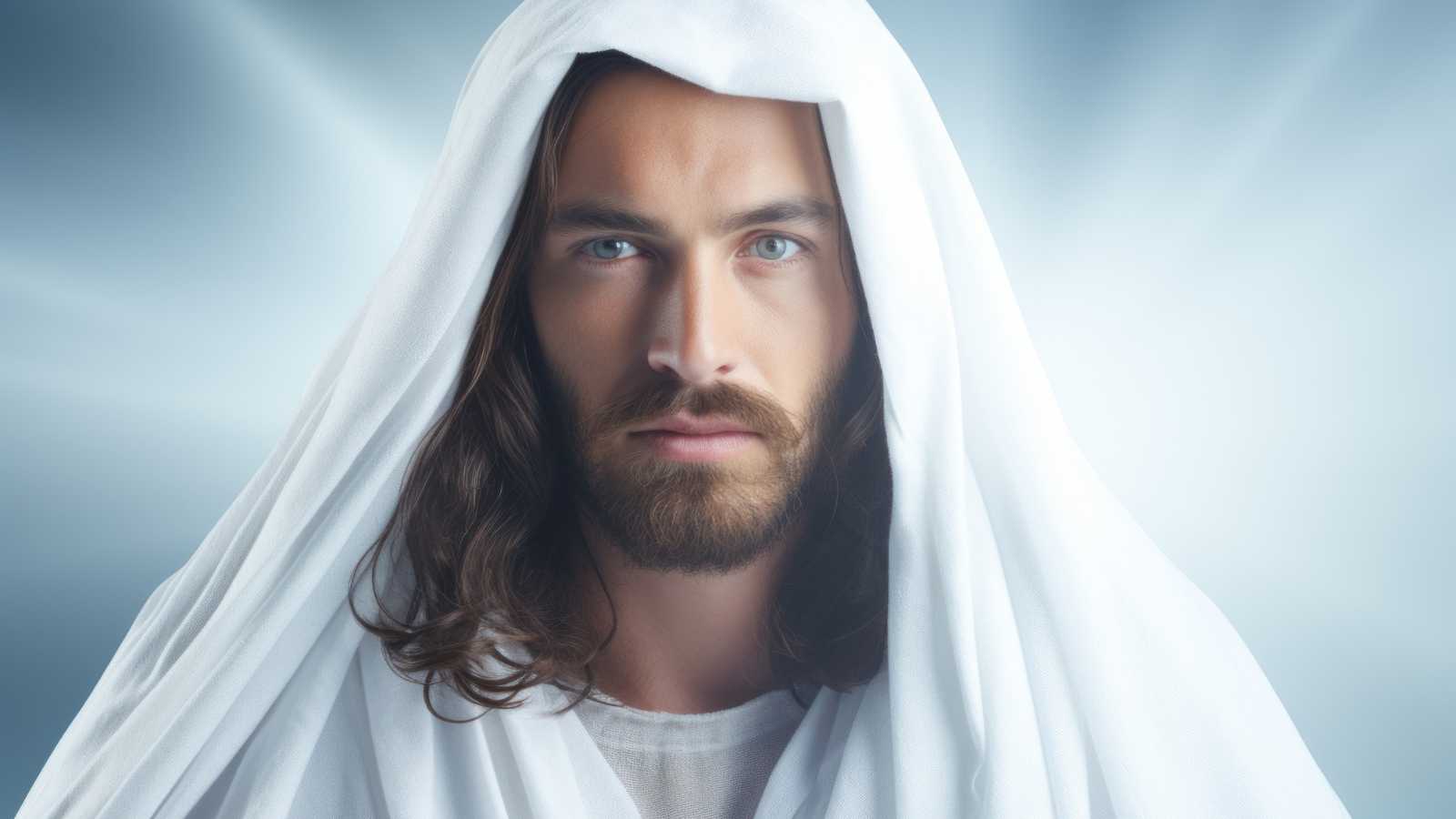
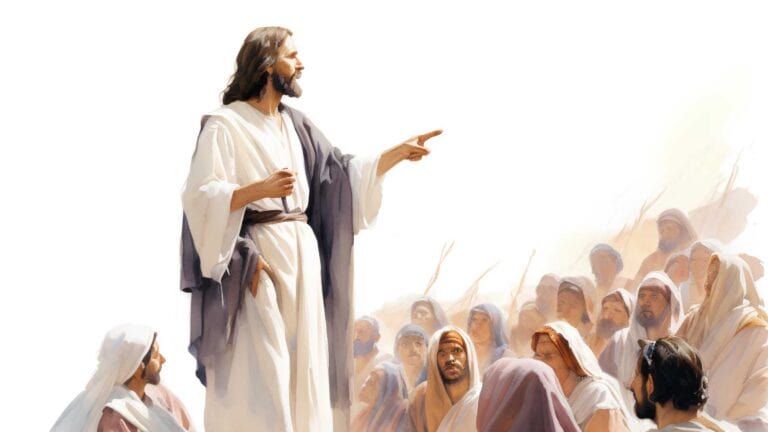
For Christians, Jesus is the Son of God and the awaited Messiah who is fully divine and fully human. His divinity is the cornerstone of the faith, as his sacrificial death is believed to be the mechanism for redeeming humanity.
In Islam, Jesus is revered as Isa, a mighty prophet of God who performed miracles and preached monotheism, but he is not divine. Muslims respect him deeply but believe he was created by God without a father, similar to how Adam was created without parents.
Scripture And Divine Revelation
Christians look to the Bible, comprising the Old and New Testaments, as the inspired word of God written by human authors under divine guidance. This library of books tells the story of God’s interaction with humanity through history, poetry, prophecy, and letters.
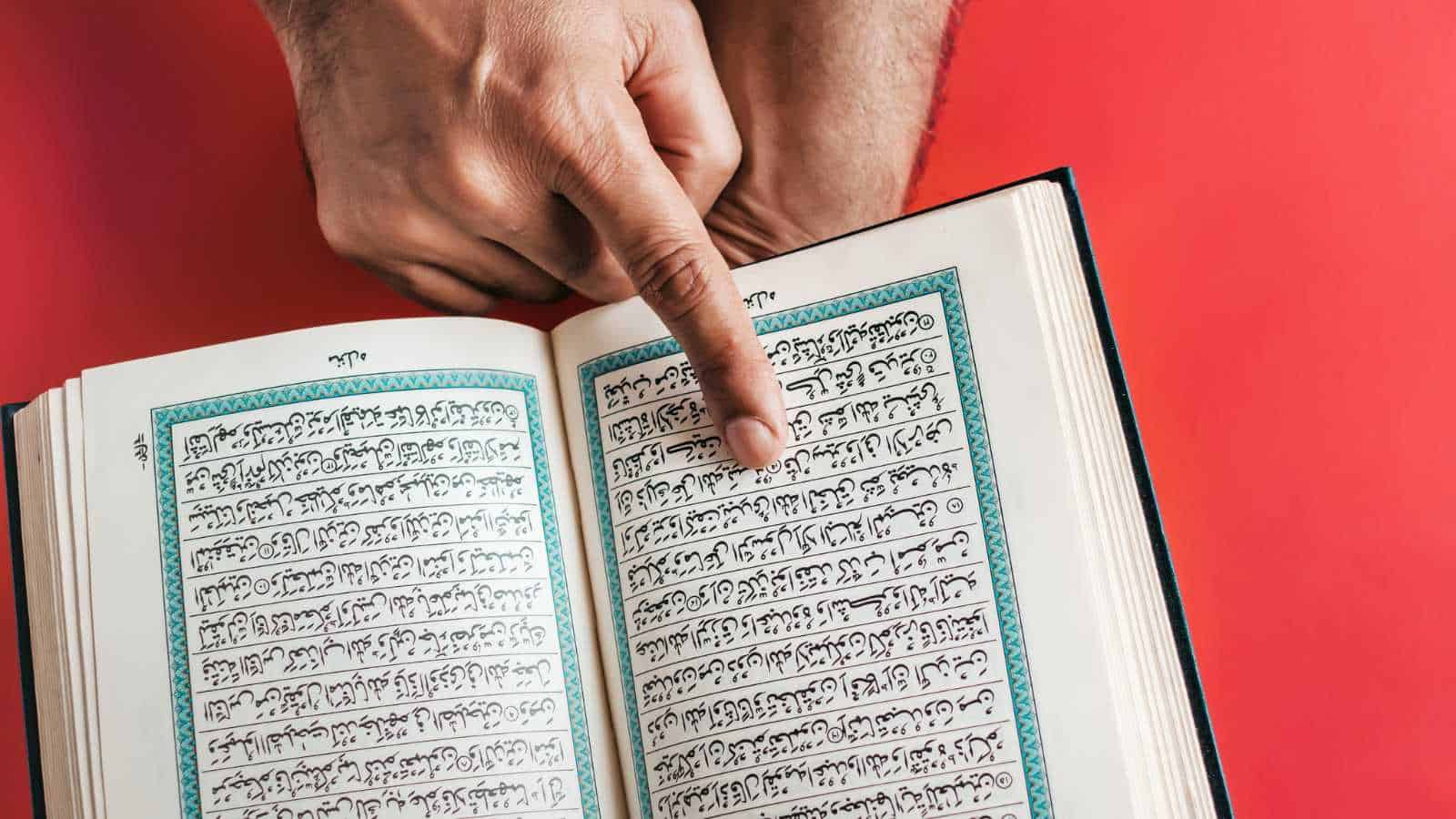
Muslims believe the Quran is the literal, verbatim word of God revealed to the Prophet Muhammad through the Angel Gabriel over 23 years. Unlike the Bible, the Quran is viewed as timeless and unchanged in its original Arabic form, representing God’s final revelation.
The Meaning Of The Trinity

The doctrine of the Trinity defines God as three distinct persons—Father, Son, and Holy Spirit—who are co-eternal and of the same substance. However, a striking 2025 survey from Arizona Christian University found that only 11% of Americans hold a biblical belief in this specific doctrine.
Islam explicitly rejects the Trinity, viewing it as a form of polytheism that contradicts the absolute oneness of the Creator. The Quran addresses this directly, warning against saying “Three” and emphasizing that God is self-sufficient and has no offspring.
Original Sin And Human Nature
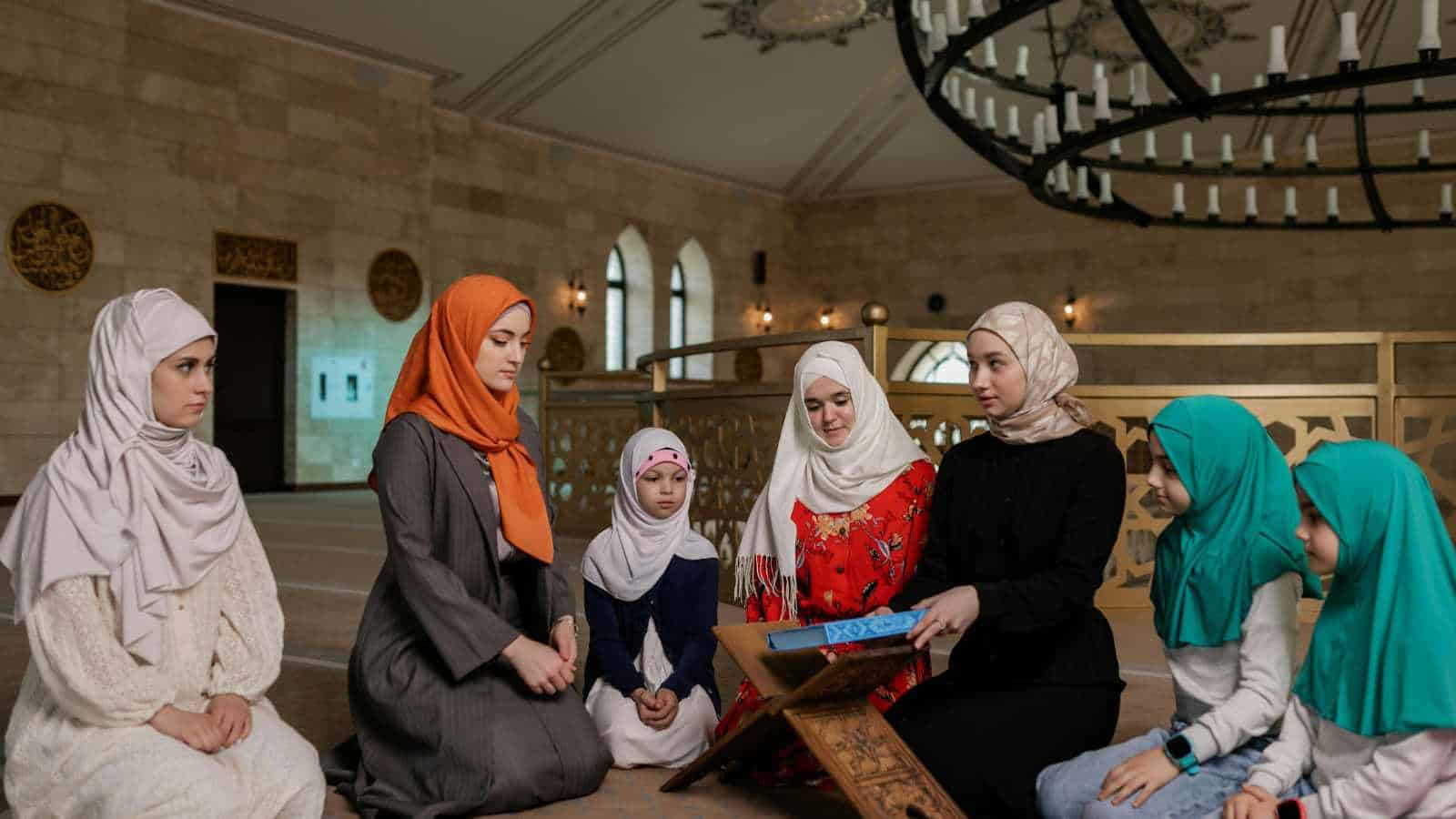
Christianity traditionally teaches the doctrine of original sin, suggesting that all humans inherit a sinful nature due to Adam and Eve’s disobedience. This inherited condition means that humans are born in need of spiritual redemption and cannot attain perfection on their own.
Islam teaches that every child is born in a state of “fitra,” or innate purity, and sin is an action committed later in life rather than a state of being. Muslims believe Adam and Eve were forgiven after their mistake, so their descendants do not carry the burden of their initial error.
The Path To Salvation

In Christian thought, salvation is generally viewed as a gift of grace received through faith in Jesus Christ, not something earned by good behavior alone. Believers trust that Jesus paid the penalty for their sins, allowing them to be reconciled with God freely.
Islam emphasizes a balance of faith and deeds, where one’s entrance into Paradise depends on belief in God and a life of righteous actions. Salvation is ultimately granted by God’s mercy, but it is sought through sincere repentance and the weight of one’s good deeds.
Daily Prayer Rituals

Muslims are required to pray five specific times a day, facing Mecca, a ritual known as Salah that structures their entire daily schedule. This practice is highly disciplined, involving physical prostrations and recitations that serve as a constant reminder of God.
Christian prayer is typically more flexible and can occur at any time, though some traditions follow set hours or liturgies. Pew Research found in 2025 that 44% of Americans pray daily, a figure that highlights a shift in personal spiritual discipline. For many Christians, prayer is a spontaneous conversation with God that can happen in the car, at work, or during church services.
Fasting And Religious Observance
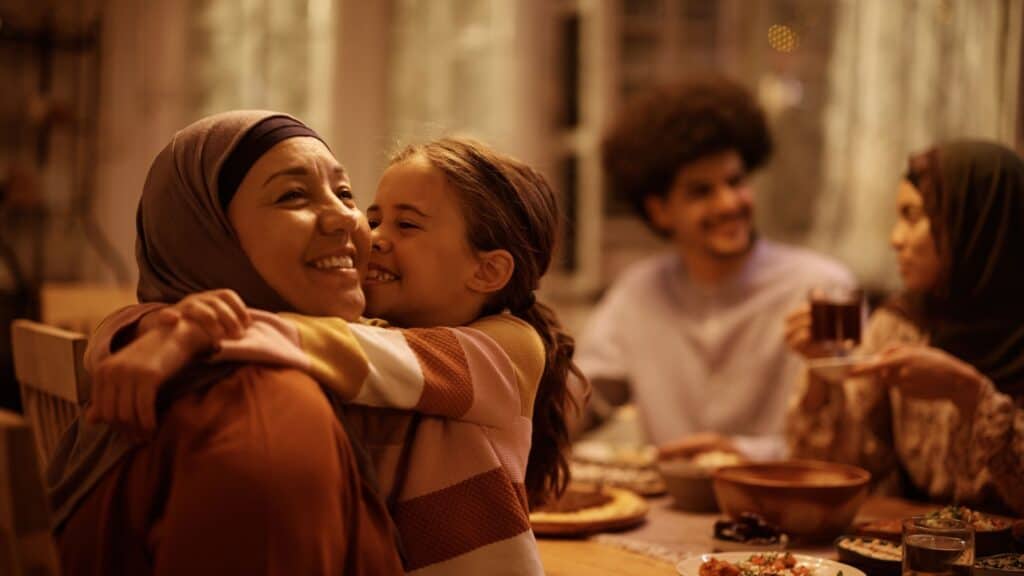
Fasting in Christianity is often voluntary or practiced during specific seasons like Lent, where believers might give up certain foods or habits. The focus is usually on spiritual discipline and reliance on God rather than a strict sunrise-to-sunset prohibition.
In Islam, fasting during the holy month of Ramadan is mandatory for all able-bodied adults and involves abstaining from food and drink during daylight hours. A 2018 Pew Research study noted that 80% of U.S. Muslims observe this fast, showing incredible dedication. This month is a communal experience of worship, self-reflection, and charity that culminates in the celebration of Eid.
The Structure Of Clergy
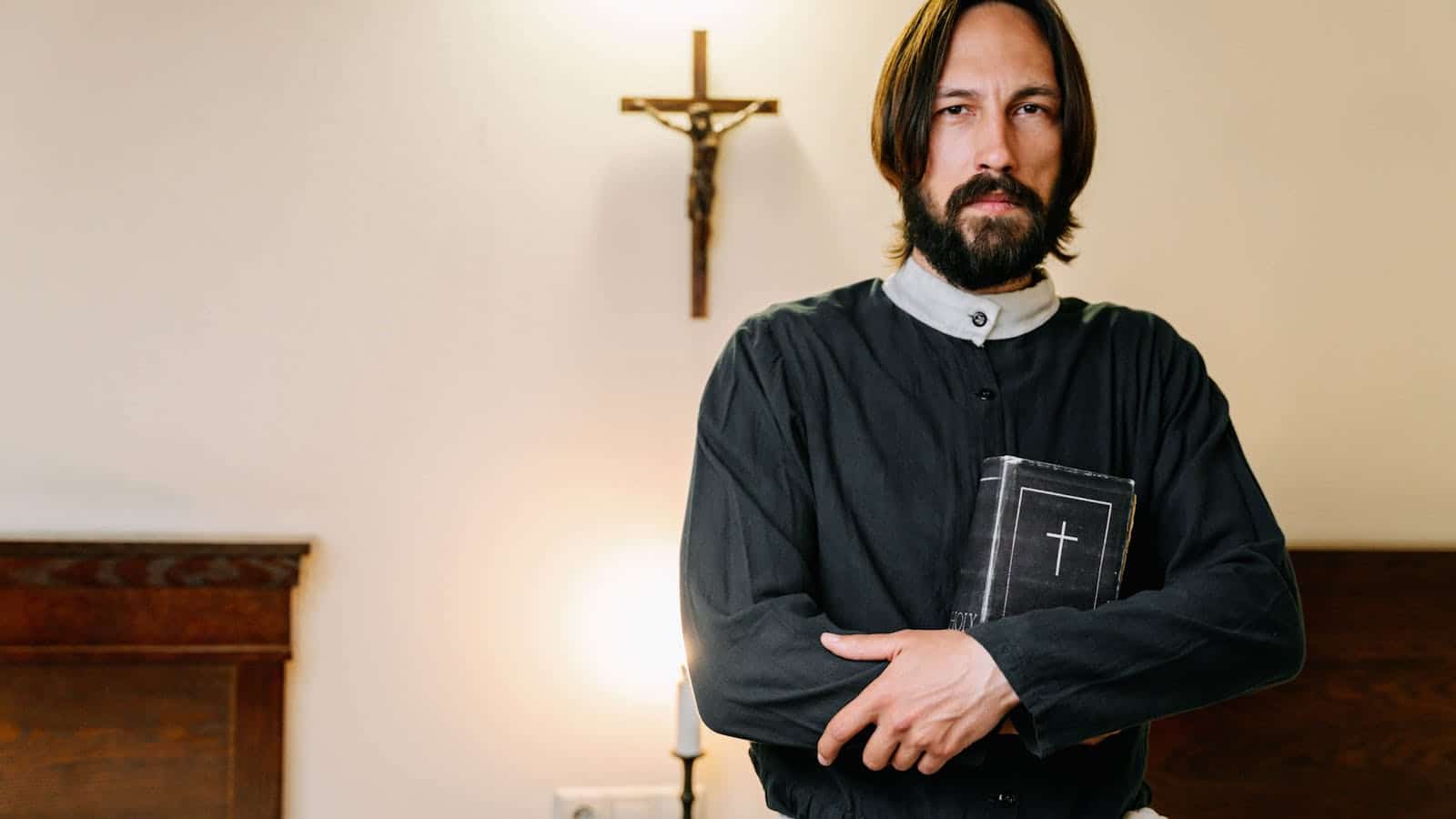
Christianity, particularly the Catholic and Orthodox branches, often features a formal hierarchy of priests, bishops, and a pope who act as intermediaries. Protestant denominations vary, but most still ordain pastors or ministers who lead congregations and administer sacraments.
Islam generally lacks a central clerical hierarchy or a single leader who acts as a mediator between the individual and God. Imams are prayer leaders and scholars chosen for their knowledge of the Quran, but they do not possess the power to forgive sins.
The Crucifixion Event

The crucifixion of Jesus is the pivotal event in history for Christians, representing the moment God’s love conquered sin and death. The cross has become the universal symbol of the faith, representing sacrifice and the promise of resurrection.
The Quran teaches that Jesus was not crucified or killed, but rather it was made to appear so to the observers while God raised him. This belief stems from the idea that God would not allow His chosen prophet to suffer such a humiliating death at the hands of his enemies.
Future Growth And Demographics
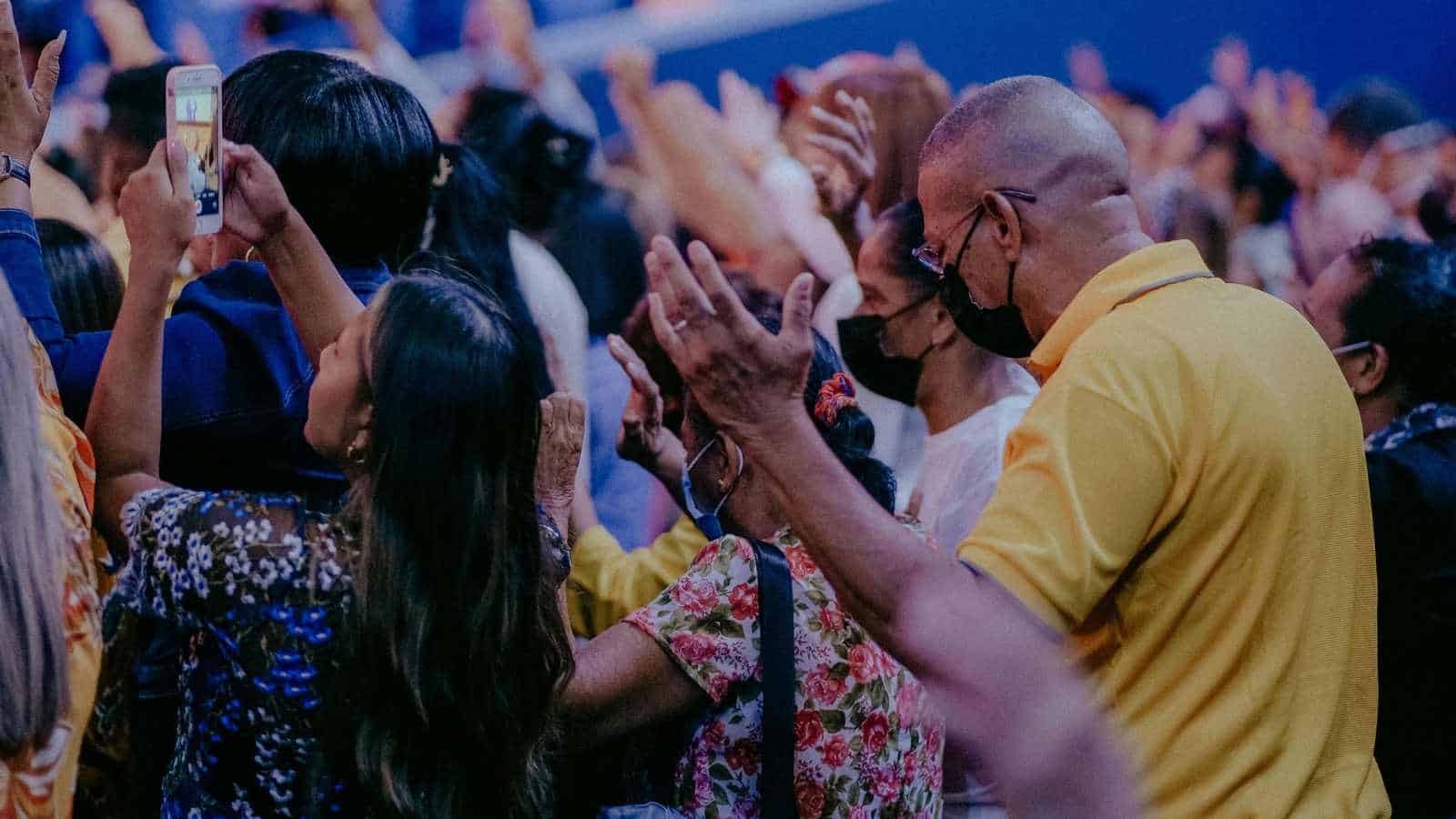
Christianity is currently the world’s largest religion, but its growth has slowed in the West while continuing in the Global South. A 2025 Pew Research report indicates that 29% of U.S. adults read scripture monthly, reflecting how religious habits are shifting. The demographic change is significant, as younger generations in America are less likely to identify with specific denominations.
Islam is the fastest-growing major religion globally, driven largely by younger populations and higher fertility rates in Muslim-majority regions. Pew Research projects that by 2050, the number of Muslims will nearly equal the number of Christians worldwide. This trajectory suggests that the religious environment of the future will look vastly different from the one we know today.
Like our content? Be sure to follow us