11 pregnancy myths women still hear all the time
Despite decades of medical research, pregnancy remains one of the most myth-filled stages of a woman’s life, with outdated advice still shaping how many expectant mothers navigate their health.
Pregnancy is one of the most life-changing experiences a woman can go through, yet it’s also surrounded by endless myths, advice, and old wives’ tales. Friends, family, and even strangers often feel entitled to weigh in, leaving expectant mothers drowning in mixed messages. Not all advice is rooted in science; some of it can actually cause unnecessary stress.
These myths stick around because they’ve been repeated for generations, but holding onto misinformation can make women second-guess themselves during an already vulnerable time. Knowing the difference between fact and fiction helps women feel more confident, less anxious, and more in control of their pregnancies. Let’s break down some of the most common myths women still hear today.
A bigger belly means a bigger baby
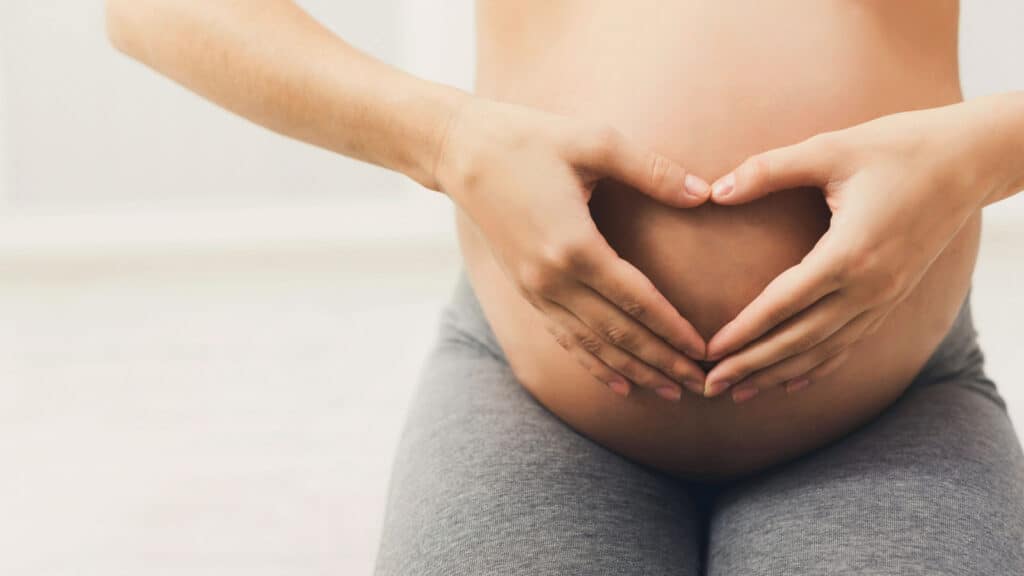
Belly size isn’t a reliable indicator of a baby’s size. Every woman carries differently, depending on body shape, muscle tone, and the position of the baby. Ultrasounds and medical checks are the only accurate way to measure growth.
Pregnant women should eat for two

“Eating for two” doesn’t mean doubling your meals. According to MedlinePlus, most women require approximately 300 extra calories per day during the second and third trimesters. Overeating can lead to unnecessary weight gain, gestational diabetes, and complications. Balanced nutrition matters more than eating more.
You can’t drink coffee

Many women are advised to eliminate coffee completely, but moderate caffeine consumption is generally considered safe. The Mayo Clinic notes that up to 200 mg per day, about one 12-ounce cup, is fine for most pregnancies. Total elimination isn’t required unless your doctor recommends it.
Morning sickness only happens in the morning

Morning sickness isn’t limited to mornings. Nausea can occur at any time during the day or night. Some women even experience it all day long. Calling it “morning” sickness makes many expectant moms feel dismissed when they’re struggling at other times.
You can’t travel while pregnant

Travel isn’t automatically off-limits during pregnancy. Most women can fly safely until about 36 weeks, provided their doctor approves. Staying hydrated, moving around, and wearing comfortable clothing helps. Restrictions usually apply only to high-risk pregnancies.
Heartburn means the baby will have lots of hair

Heartburn has nothing to do with your baby’s hair. It’s caused by hormonal changes that relax the valve between the stomach and esophagus. While one study suggested a slight link, it’s not a reliable indicator; heartburn is a common symptom of pregnancy.
You can’t dye your hair

Using hair dye in moderation is generally considered safe during pregnancy. Experts recommend waiting until after the first trimester and, if possible, choosing low-ammonia or natural dyes. The biggest risk is inhaling fumes, so proper ventilation is key.
Pregnant women shouldn’t sleep on their backs

While late-pregnancy back sleeping can reduce circulation, it’s not dangerous in early pregnancy. Doctors usually recommend side sleeping after 20 weeks, but shifting positions during the night is natural. What matters most is overall rest, not obsessing over one position.
Spicy food will trigger labor

Spicy food doesn’t cause labor; it just causes heartburn for many women. Labor begins when hormones and the baby’s development trigger it, not from what you eat. This myth has stuck around for decades, but it’s not grounded in science.
Pregnancy always means glowing skin
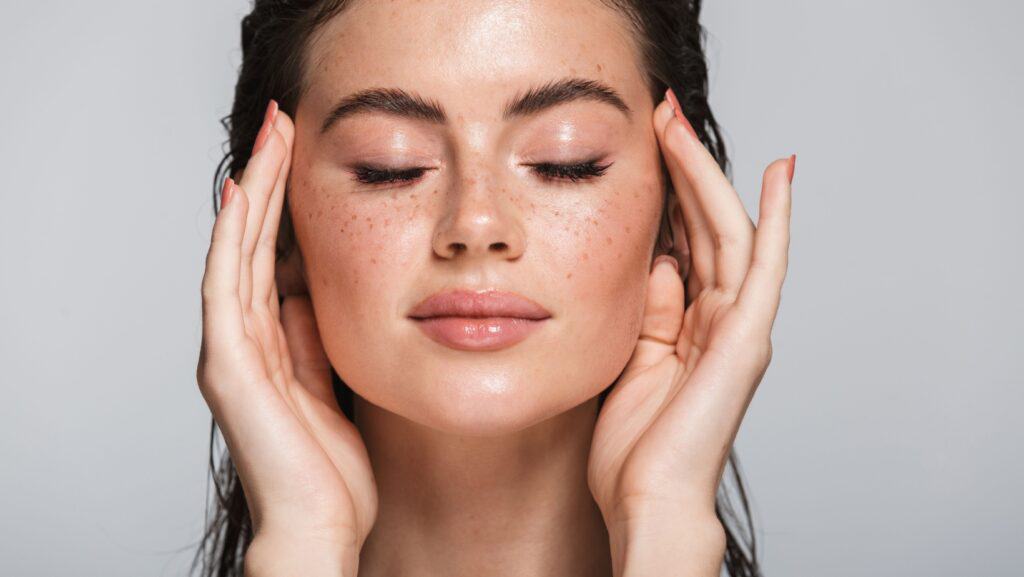
Not every woman gets the “pregnancy glow.” Hormonal changes affect women differently; some experience clearer skin, while others deal with acne, dryness, or pigmentation. There’s no single way pregnancy affects appearance, and that’s normal.
You can’t exercise during pregnancy

Many people still believe women should avoid exercise while pregnant, but that’s outdated advice. The American College of Obstetricians and Gynecologists recommends regular activity like walking, swimming, or prenatal yoga. Exercise supports better sleep, reduces back pain, and can even ease labor.
15 Things Women Only Do With the Men They Love

The 15 Things Women Only Do With the Men They Love
Love is a complex, beautiful emotion that inspires profound behaviors. We express our love in various ways, some universal, while others are unique to each individual. Among these expressions, there are specific actions women often reserve for the men they deeply love.
This piece explores 15 unique gestures women make when they’re in love. From tiny, almost invisible actions to grand declarations, each tells a story of deep affection and unwavering commitment.