11 risky places fraud experts say you should avoid using your debit card
Debit cards are convenient, but they come with serious risks, especially when used in certain locations. Unlike credit cards, which offer broader fraud protections, debit cards are directly linked to your bank balance, meaning any unauthorized charges hit your own pocket. When things go wrong, it’s your money on the line, not the bank’s.
The Federal Trade Commission reports that Americans lost a staggering $12.5 billion to fraud in 2024, a 25% increase from the previous year. According to the FBI, card skimming alone costs consumers over $1 billion annually. Understanding where not to use your debit card can save you from financial headaches, fraud, and surprise expenses.
Here are 11 places where fraud experts say you should never swipe your debit card, and why you might want to reconsider using it in these high-risk spots.
Gas Station Pumps
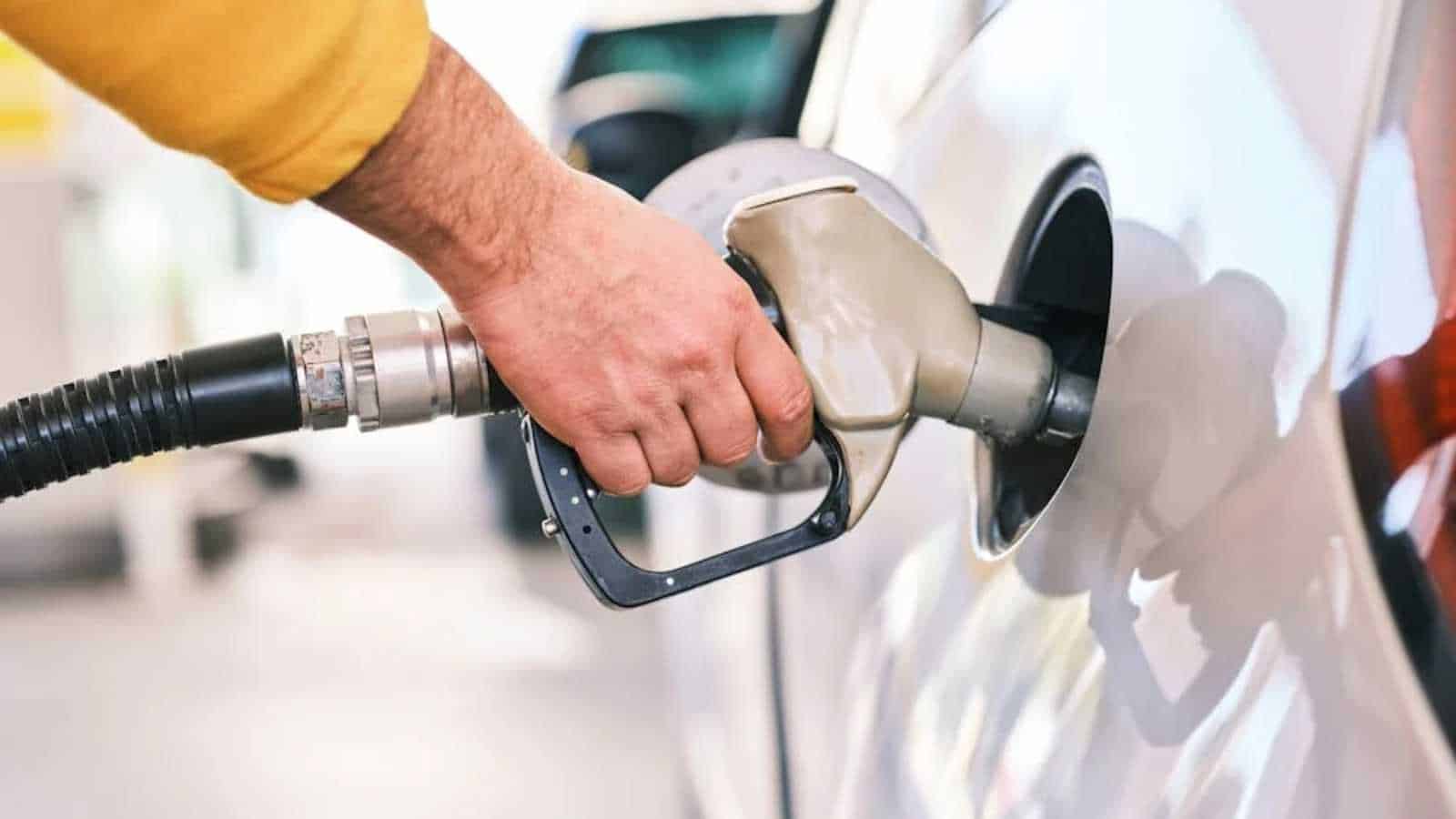
Gas stations are prime targets for card skimming devices that can capture your card data and sometimes even your PIN. Older, unattended pumps that use magnetic stripe cards are especially vulnerable.
Additionally, many gas stations place large temporary holds, often $75 to $100 or more, on debit transactions, tying up your checking balance for hours or even days.
Safer move: Pay inside with cash or use a credit card at the pump, or opt for a contactless mobile wallet at newer pumps.
Independent, Non-Bank ATMs
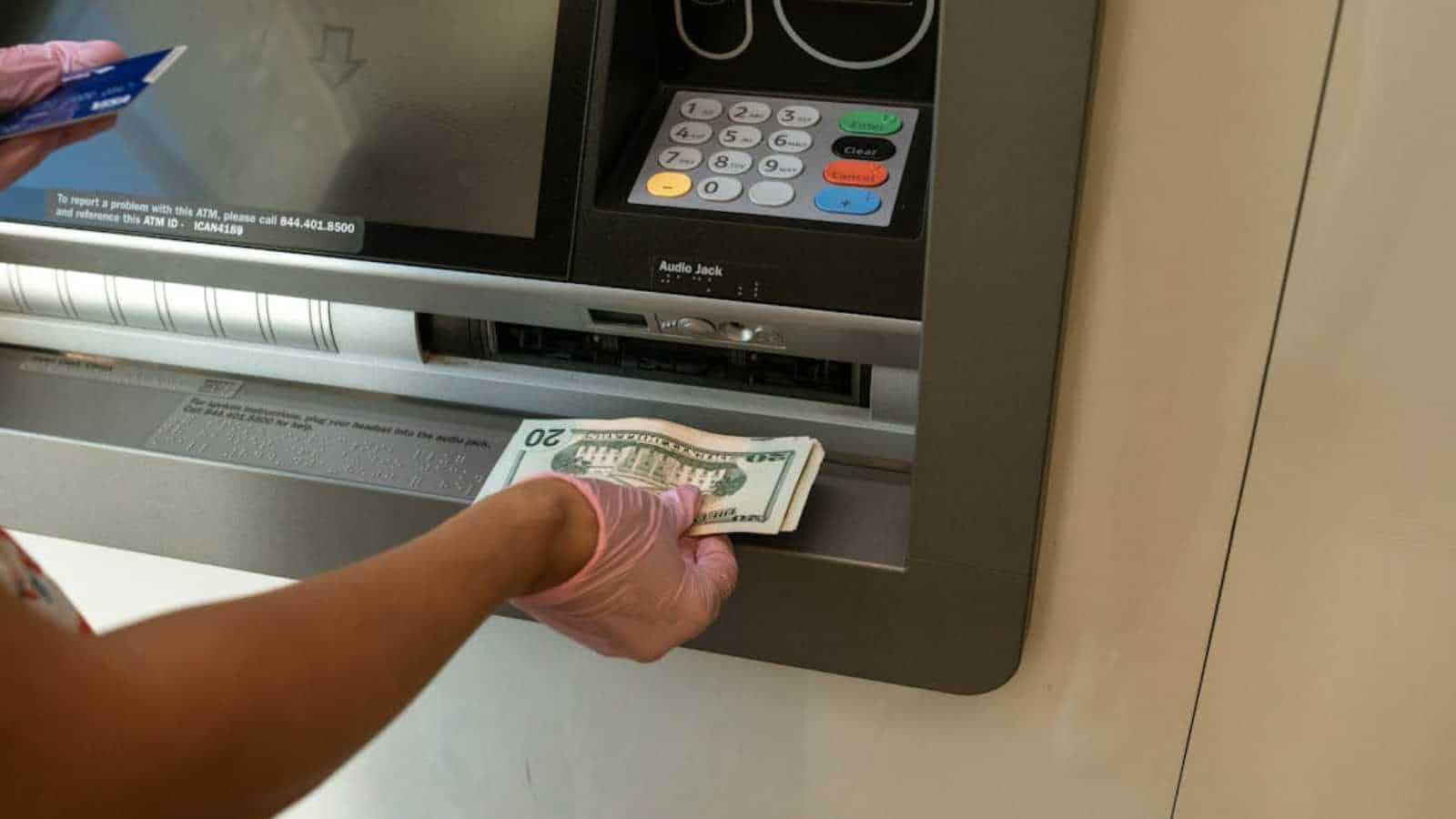
ATMs at convenience stores, bars, and other non-bank locations are often not closely monitored and can be easily targeted by card-skimming devices or hidden cameras.
These machines are also notorious for charging high withdrawal fees, and their location in low-visibility spots makes them easy targets for criminals.
Safer move: Stick to ATMs physically attached to bank branches, preferably in well-lit, camera-covered areas.
Restaurants and Bars

Many restaurants and bars still require staff to take your debit card out of sight to process payments, creating an opportunity for skimming or copying card details. Busy nightlife venues, in particular, are hotspots for this type of fraud, and portable point-of-sale (POS) terminals are particularly susceptible to tampering.
Safer move: Pay directly at the table with a terminal you can see, or use a credit card or mobile wallet instead.
Hotels

Hotels often place preauthorization holds on cards to cover incidentals, which can tie up hundreds of dollars (sometimes up to $1,000) for days, or even weeks, after checkout. If any fraud or billing disputes occur during your stay, it’s your checking account that gets hit immediately, triggering overdrafts or declined payments.
Safer move: Use a credit card for reservations and check-ins, and reserve your debit card for ATM withdrawals only.
Car Rental Counters

Car rental agencies often place large security holds on your card, which remain until the vehicle is returned and inspected. These holds can significantly shrink your available balance. Any additional charges, disputes, or damage claims are also deducted from your checking account, making it much harder to resolve issues than with a credit card.
Safer move: Always use a credit card for car rentals to avoid frozen funds and to take advantage of stronger dispute rights.
Public Wi-Fi (Any Online Debit Use)

Public Wi-Fi networks like those found in airports, cafés, hotels, or shopping malls are perfect targets for “man-in-the-middle” attacks, where cybercriminals intercept your banking logins and debit card details. Logging into your bank account or making purchases while on an open Wi-Fi network is a major security risk.
Safer move: Avoid entering debit card details or logging into banking apps on public Wi-Fi. Instead, use mobile data, a trusted VPN, or wait until you’re on a secure network.
Unfamiliar or Shady Online Retailers

Online fraud, especially card-not-present fraud, is a significant issue, with smaller or unverified retailers being prime targets. Fraud experts warn that scam online stores and compromised e-commerce websites are notorious for stealing card details during checkout.
Safer move: Use credit cards or virtual cards for online shopping, and stick to reputable sites that use HTTPS encryption.
Peer-to-Peer Marketplaces and Classifieds
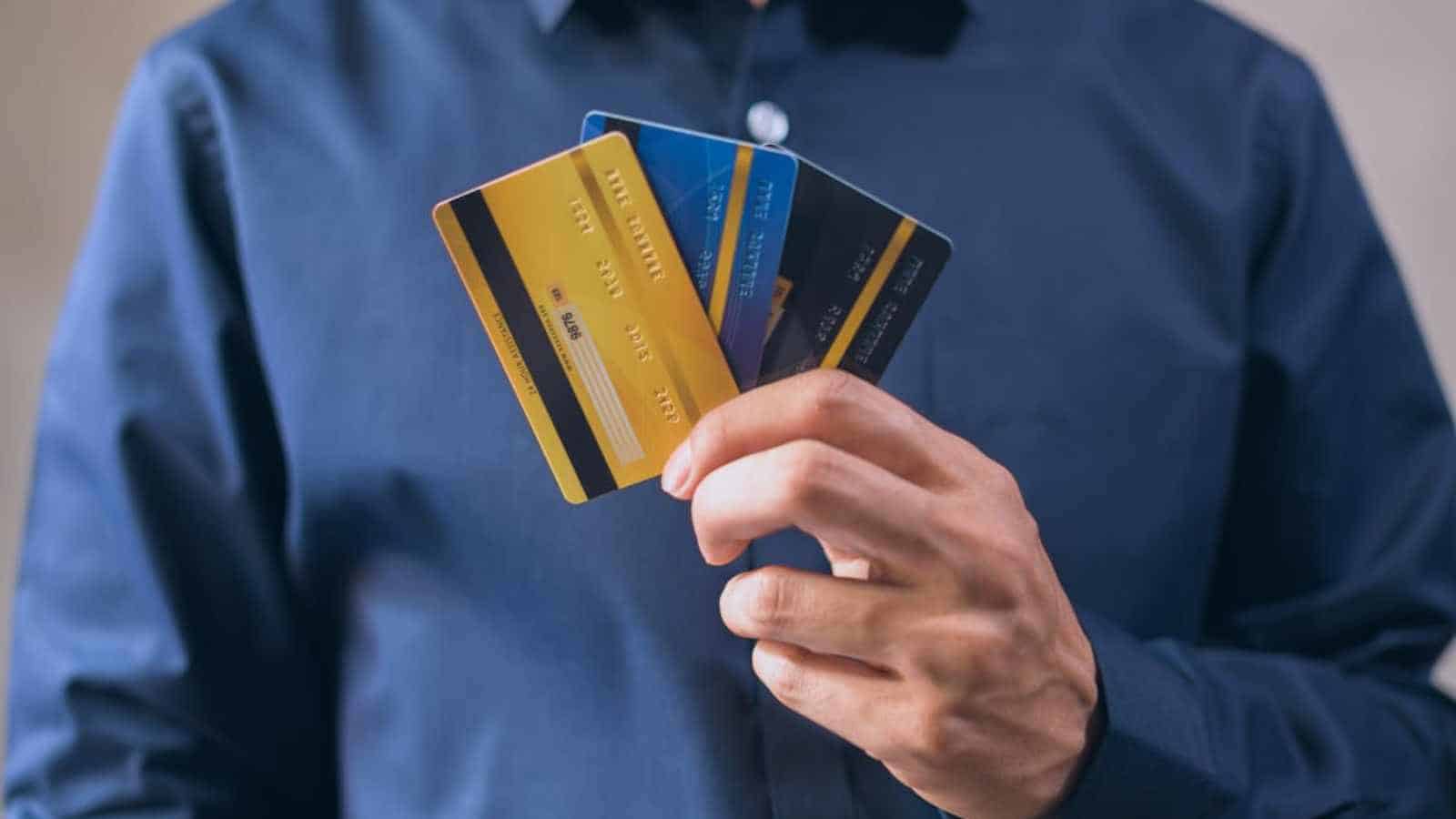
Peer-to-peer platforms and online classifieds are often used by fake sellers and scammers, especially when you’re pressured into making fast, irreversible payments. Sharing debit card information via off-platform links or fake payment pages can result in quick, irreversible losses.
Safer move: Use secure in-app payment systems with buyer protections, or opt for credit cards or escrow-style services when available.
Crowded Big-Box Stores and Busy Retail POS Terminals

High-traffic environments, such as grocery stores and malls, are frequently targeted by skimming devices installed on POS terminals. Some incidents even involve insider collusion to install or ignore tampered terminals, making it difficult for customers to detect fraud in real time.
Safer move: Use contactless payments, such as credit cards or mobile wallets, and keep an eye out for terminals that seem misaligned or tampered with.
International Travel Hotspots

Using your debit card abroad can trigger foreign transaction fees, ATM surcharges, and currency conversion markups, and expose you to greater fraud risks. Debit card fraud is more prevalent in certain travel destinations, and dealing with unauthorized charges while traveling can be slow and stressful.
Safer move: Use credit cards with no foreign transaction fees for most purchases, and only use debit cards at trusted ATMs. Notify your bank before travel and set up alerts.
Public Computers and Shared Devices

Public or shared computers, like those at hotels, libraries, or internet cafés, are often compromised by keyloggers and spyware that capture your banking logins and debit card details. These machines are poorly maintained, and fraudsters can use them to collect your personal information.
Safer move: Use only your personal devices with updated security software, and set up account alerts for any debit activity.
Key Takeaways
Debit cards work beautifully for withdrawing cash from your official bank branch, but using them for everyday purchases exposes your hard-earned money to severe risks. Between hidden skimmers at gas stations and digital hackers prowling online stores, credit cards simply provide a much stronger security buffer.
Always prioritize payment methods that shield your actual checking account from the wild west of modern fraud. Stay safe out there!
Disclosure: This article was developed with the assistance of AI and was subsequently reviewed, revised, and approved by our editorial team.
Like our content? Be sure to follow us