14 signs you are an unhealthy workaholic
Somewhere between “just one more email” and “another late night at the office,” you might be losing more than you realize.
We often wear our busy schedules like a badge of honor, assuming that constant activity equals productivity and success in our careers. However, there is a very fine line between being a dedicated hard worker and crossing into dangerous territory where your job consumes your entire existence. When your professional life starts to eat away at your personal happiness and physical health, it is time to take a step back and reassess your priorities before you burn out completely.
This cultural obsession with the grind has led many of us to ignore the flashing warning lights that our bodies and minds are desperately trying to send us. Recognizing these signs early can be the difference between a thriving career and a total collapse of your well-being. If you find yourself nodding along to the points below, it might be the wake-up call you need to reclaim your life and find a sustainable balance.
You Check Emails On Vacation

Taking time off is supposed to be a chance to recharge your batteries, yet many people find it impossible to disconnect from the office. A recent 2025 report by Robert Walters revealed that 51% of professionals admit to checking their work emails while on holiday, proving how widespread this inability to switch off has become. You might convince yourself that you are just doing a quick check to stay on top of things, but this habit prevents you from ever truly relaxing.
When you bring your laptop to the beach or check notifications during a family dinner, you are signaling that your job is more important than your rest. This constant state of alertness keeps your cortisol levels high and denies your brain the downtime it requires to recover from daily stressors. True recovery only happens when you completely sever the digital tether to your workplace for a set period.
Your Hobbies Have Vanished

Think back to the last time you did something simply for the sheer joy of it, rather than for professional development or networking. If you cannot remember the last time you read a book, played a sport, or painted without thinking about how to monetize it, you have likely let work overrun your identity. Hobbies are essential for mental health because they provide a necessary outlet for creativity and stress relief outside of office demands.
When your golf clubs gather dust and your guitar sits untouched in the corner, it is a clear indicator that your work-life balance is off-kilter. You might tell yourself you will get back to your passions when things slow down, but for a workaholic, things never actually slow down. Reclaiming these small pockets of joy is vital for maintaining a sense of self that exists independently of your job title.
First To Arrive Last To Leave

There is a pervasive myth in many corporate cultures that face time is the best metric for an employee’s dedication and value. You might feel an internal pressure to be the one who unlocks the office doors in the morning and the one who turns off the lights at night. This behavior often stems from insecurity or a need to prove your worth, but it rarely translates to higher-quality output or better results.
Spending excessive hours at your desk often leads to diminishing returns, where you are simply tired rather than productive. According to a Gallup report, only 31% of U.S. employees felt engaged at work, suggesting that longer hours do not necessarily equate to better connection or performance. It is better to focus on efficiency and impact during standard hours than to perform a marathon of presence that leads to exhaustion.
Lunch Breaks Are For Wimps

Skipping your midday meal or eating a sad sandwich over your keyboard while typing is a classic hallmark of someone who has lost perspective. Your brain needs fuel and a break from the screen to function at its best, yet you likely view lunch as an inconvenient interruption. This habit deprives you of a mental reset and can lead to a mid-afternoon energy crash that kills your productivity anyway.
Ignoring your body’s hunger signals to answer one more email is a form of self-neglect that sets a dangerous precedent for your health. Taking just twenty minutes to step away from your desk can significantly improve your focus and mood for the rest of the afternoon. You are not a machine that can run indefinitely without maintenance, so stop treating your basic biological needs as optional.
You Feel Guilty Resting

For the unhealthy workaholic, sitting on the couch to watch a movie or taking a Sunday afternoon nap feels almost like a moral failing. You probably experience a nagging sense of anxiety whenever you are not actively producing something or ticking an item off a to-do list. This toxic mindset equates your human value solely with your output, making it impossible to enjoy any downtime without shame.
This guilt drives you to fill every spare moment with “productive” tasks, leaving you with no actual recovery time. Rest is not a reward you have to earn through suffering; it is a biological necessity for long-term survival and mental clarity. Learning to sit still without reaching for your phone is a skill you must practice if you want to break this cycle.
Sleep Patterns Are Wrecked
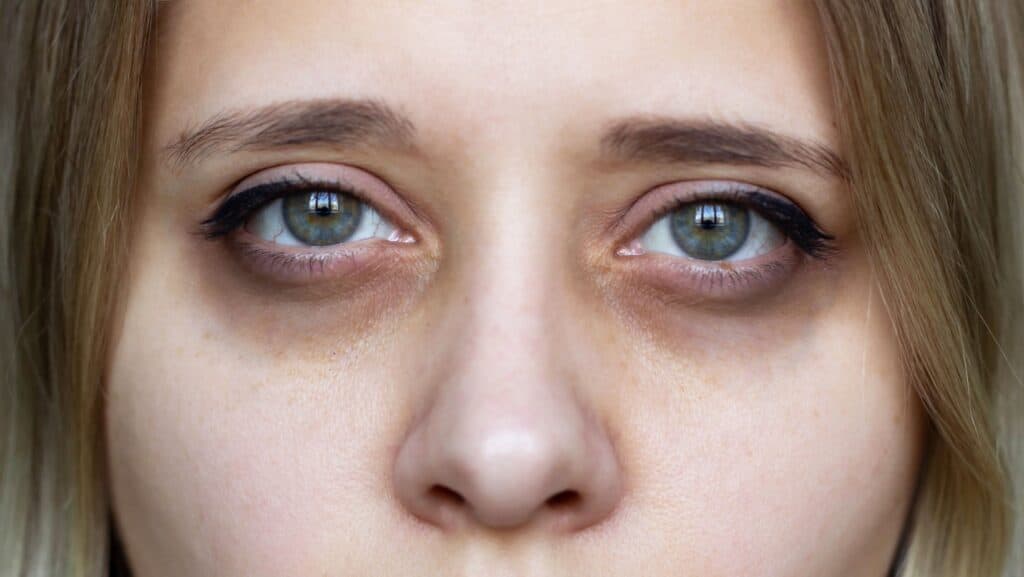
Insomnia and workaholism often go hand in hand because your brain refuses to shut down when your head hits the pillow. You might find yourself lying awake at 3 a.m. drafting mental emails or worrying about a presentation that is still days away. This lack of quality sleep destroys your immune system and cognitive function, making you less effective when you actually are at work.
The blue light from late-night screen time suppresses melatonin and tricks your body into thinking it is still time to be alert and active. Research from the World Health Organization indicates that working long hours increases the risk of stroke by 35%, a stark reminder that losing sleep over work can be fatal. Prioritizing a strict bedtime routine is one of the most effective ways to protect your long-term health.
Conversations Drift To Work

When you are out with friends or having dinner with your partner, pay attention to what you talk about. If you find that you cannot sustain a conversation for more than five minutes without mentioning a client or a project, your world has become too small. Your loved ones want to connect with you as a person, not hear a recap of your latest quarterly meeting or office drama.
This inability to switch codes socially alienates the people around you and makes you seem one-dimensional. You may not realize it, but using work as a social crutch often signals that you have lost touch with current events, culture, and your friends’ lives. Expanding your horizons will not only make you more interesting but also help you detach from the stress of the grind.
You Work While Sick

Dragging yourself into the office with a fever or logging on remotely while battling the flu is not a sign of heroism. It shows a lack of respect for your own body and a disregard for the health of your colleagues who do not want your germs. The “power through it” mentality often prolongs illness and can lead to more serious health complications down the road.
Your company will not collapse if you take a day or two to recover, despite what your anxiety might tell you. In fact, a 2025 report by Aflac highlighted that burnout has reached a seven-year high, partly because employees refuse to take the necessary time to heal and rest. Resting when you are sick is the responsible thing to do for both your longevity and your team’s safety.
Family Time Is A Myth

If you are constantly missing soccer games, anniversary dinners, or simple movie nights, you are trading memories for billable hours. Your family might have stopped asking you to join them because they already assume you will be too busy or too distracted to attend. This physical or emotional absence creates a drift that can be incredibly difficult to repair once the damage is done.
Work can be replaced, but the time you spend with your children or spouse is a finite resource that you can never get back. According to a Randstad survey, 48% of workers stated they would quit a job if it prevented them from enjoying their life, showing that many are waking up to this reality. You must schedule family time with the same rigidity and respect that you apply to your most important client meetings.
Hiding Work From Loved Ones

You might find yourself sneaking off to the bathroom to check Slack or pretending to text a friend when you are actually emailing your boss. Deception about how much you are working is a major red flag that you know your behavior has become problematic. This secrecy erodes trust in your relationships and proves that you are aware that your habits are hurting those around you.
When you have to lie about your workload, it is an admission that your professional life has encroached on boundaries it should respect. Honesty with yourself and your partner is the first step toward dismantling the walls you have built around your addiction to work. Open communication can help you establish accountability partners who support your journey toward balance.
Perfectionism Paralysis

The unhealthy workaholic often spends hours agonizing over minor details that do not significantly impact the outcome. You likely struggle to delegate tasks because you are convinced that no one else can do them to your impossibly high standards. This need for control creates a bottleneck that slows down the entire team and drastically increases your own stress levels.
Learning that “done is better than perfect” is a painful but necessary lesson for preserving your sanity. Statistics from ZeroBounce suggest that 35% of workers spend up to five hours a day in their inboxes, often due to this kind of over-analysis. Letting go of the need for flawlessness allows you to move faster and frees up mental energy for things that actually matter.
Defining Self By Job

If you stripped away your job title, your salary, and your company name, would you still know who you are? For many workaholics, the answer is a terrifying no, because they have allowed their career to become their sole source of self-worth. This is a precarious way to live because if you lose your job, you effectively lose your entire identity in one fell swoop.
Building a sense of self that is rooted in your values, your relationships, and your interests offers a much more stable foundation. You are a human being with a multifaceted life, not just a worker bee designed to generate revenue for a corporation. Specific efforts to cultivate interests outside of your career can build resilience against professional setbacks.
Small Mistakes Feel Like Disasters

When you are overworked and sleep-deprived, your emotional regulation skills are often the first thing to go out the window. A minor typo in a report or a missed call can feel like a catastrophic failure that sends you into a spiral of panic and self-loathing. This disproportionate reaction is a symptom of a nervous system that is frayed and operating on the edge of its capacity.
You lose the ability to see the big picture and realize that everyone makes mistakes without the world ending. Eagle Hill Consulting found in 2025 that 66% of Gen Z workers are reporting burnout, often driven by this intense pressure to perform without error. Diverse perspectives can help you realize that a small stumble is just a part of the learning process, not a defining moment.
Body Sends Warning Signals

Your body will often scream at you to stop long before your brain is willing to listen to reason. Chronic headaches, back pain, digestive issues, and frequent colds are all physical manifestations of prolonged stress that you should not ignore. These are not just annoyances; they are your biology pleading with you to slow down before something major breaks.
Ignoring these symptoms and popping painkillers to get through the day is a recipe for a serious medical emergency. Chronic stress is a killer, yet we often wait for a hospital visit to finally make the lifestyle changes we need. Listen to the subtle cues your body provides now so you do not have to deal with a crisis later.
Like our content? Be sure to follow us.