12 “if only he knew this” secrets most girls share
Dating right now feels like everyone’s talking, but very few people are actually saying what they mean. You see it on apps, in group chats, even at family dinners: people are swiping, texting, “seeing where it goes,” while a lot of girls quietly think, “If only he actually knew how this feels.”
Bumble’s 2024 Dating Trends Report found that 31 percent of women say they’re no longer focused on the traditional “dating, engagement, marriage” timeline, and 37 percent of U.S. women only want to date people who share their views on milestones and timing.
So this isn’t just another “here’s what girls like” rant. It’s a little flashlight into twelve secrets most girls never say out loud.
If only he knew emotional safety is hotter than abs

Here’s the twist: the real “spark” for most women is not a six‑pack, it’s a soft place to land. Counseling data from Serenity Counseling Center shows modern women rank emotional connection, empathy, and feeling understood above pure physical attraction.
Tinder’s own Gen Z report found young daters still care about looks, but they put respect at 78 percent, loyalty at 79 percent, and open‑mindedness at 61 percent, while appearance trails at 56 percent. Relationship researcher John Gottman talks about “turning toward bids for connection,” those tiny moments when she reaches out emotionally, and you reach back.
That’s what makes her nervous system relax, her shoulders drop, her jokes come back to life. Emotional safety is the new “he’s so fine.”
If only he knew that saying what we need is hard

Most girls are not walking around with a PowerPoint of their needs. They’re walking around with a knot in their throat. One relationship survey found only 13.3 percent of people feel totally comfortable expressing emotional needs to a partner, which means nearly 87 percent are low‑key terrified of being “too much.”
In the same data, only 7 percent said their partner’s listening was excellent, and just 11 percent regularly talk about fears and dreams. Another report shows 65 percent of couples list poor communication as their biggest challenge. So when she says “it’s fine,” it might not be fine at all. It might be “I don’t know how to explain this without you rolling your eyes.”
The secret wish here is simple: make it safe for her to talk, and don’t weaponize what she shares later.
If only he knew she’s tired from carrying the mental load

A lot of women are not just tired, they’re spreadsheet‑of‑life tired. A 2023 Harris Poll of over 4,500 women found 71 percent feel it’s their job to “worry about and think through everything” for the family and the home.
74 percent said they are constantly adjusting their lives to accommodate others, and 76 percent believe women still carry most of the unpaid mental load. That “invisible” work looks like remembering birthdays, dentist appointments, school events, which detergent is on sale, which kid hates the blue cup, and the exact day the dog’s shots expire.
Psychologists warn this kind of nonstop planning drains energy, mood, and yes, even desire, even when the guy swears things are “50/50.” The quiet fantasy isn’t a surprise trip to Paris. It’s a partner who notices the trash on his own and books the pediatrician before she asks twice.
If only he knew emotional labor isn’t free
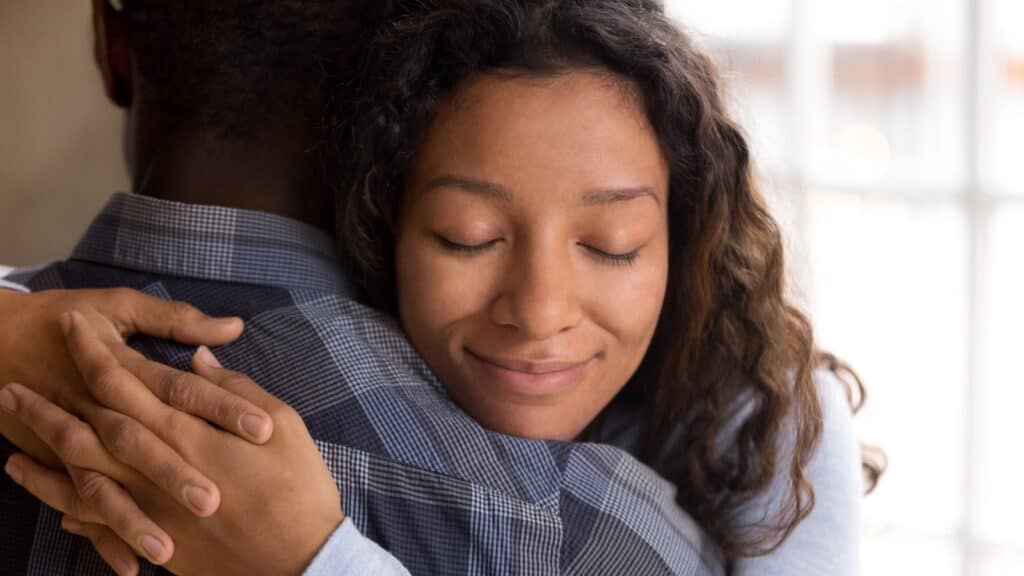
Emotional labor is that invisible job description many girls got without ever signing a contract: soothe him, calm the room, smooth the conflict, be the group therapist with mascara.
Psychologists define it as the unpaid work of managing other people’s feelings, keeping the peace, and doing the “it’s okay, I understand” routine even when it’s not okay. Research shows women and marginalized groups do most of this emotional labor, which leads to exhaustion, resentment, and burnout when it isn’t shared.
New studies on mental labor link heavy emotional load to sleep problems, emotional exhaustion, and work–family conflict. Her secret wish is that he learns to regulate his own feelings, too, instead of using her as a human stress ball.
If only he knew women want a partner, not a second job
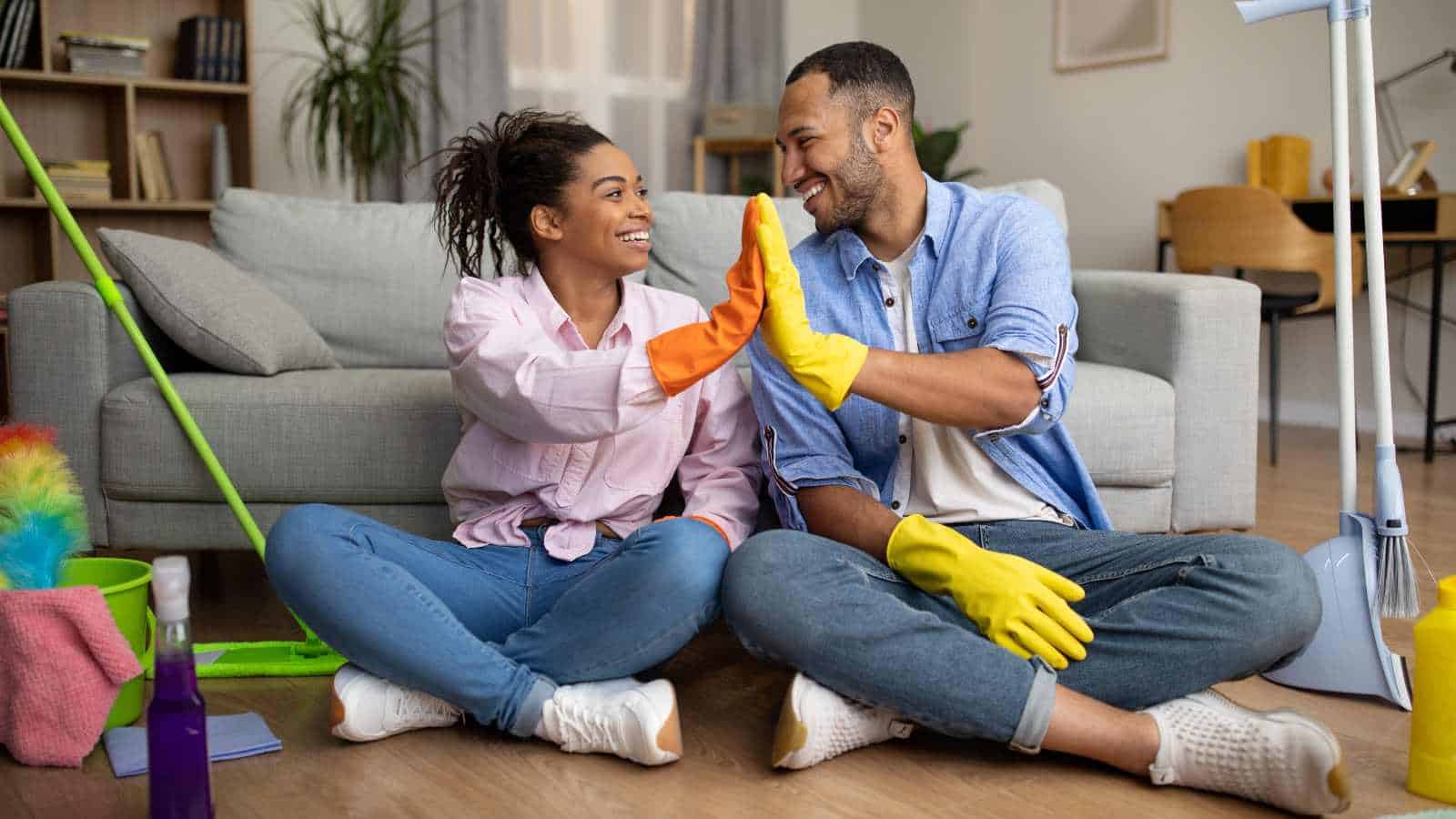
Modern women aren’t looking for a boss or a babysitting gig; they’re looking for a teammate who can read the playbook. Serenity Counseling Center notes that in 2023, women explicitly say they want to share obligations, decision‑making, and problem-solving, rather than being expected to “naturally” manage housework and kids.
That lines up with reports showing women expect equal participation in chores and parenting, plus support for their own ambitions and careers. Relationship statistics show that when housework and decision-making are balanced, satisfaction and feelings of fairness increase for both partners.
She doesn’t want to nag you like a manager. She wants to know you saw the mess and decided on your own that you live here too.
If only he knew trust is oxygen now, not decoration
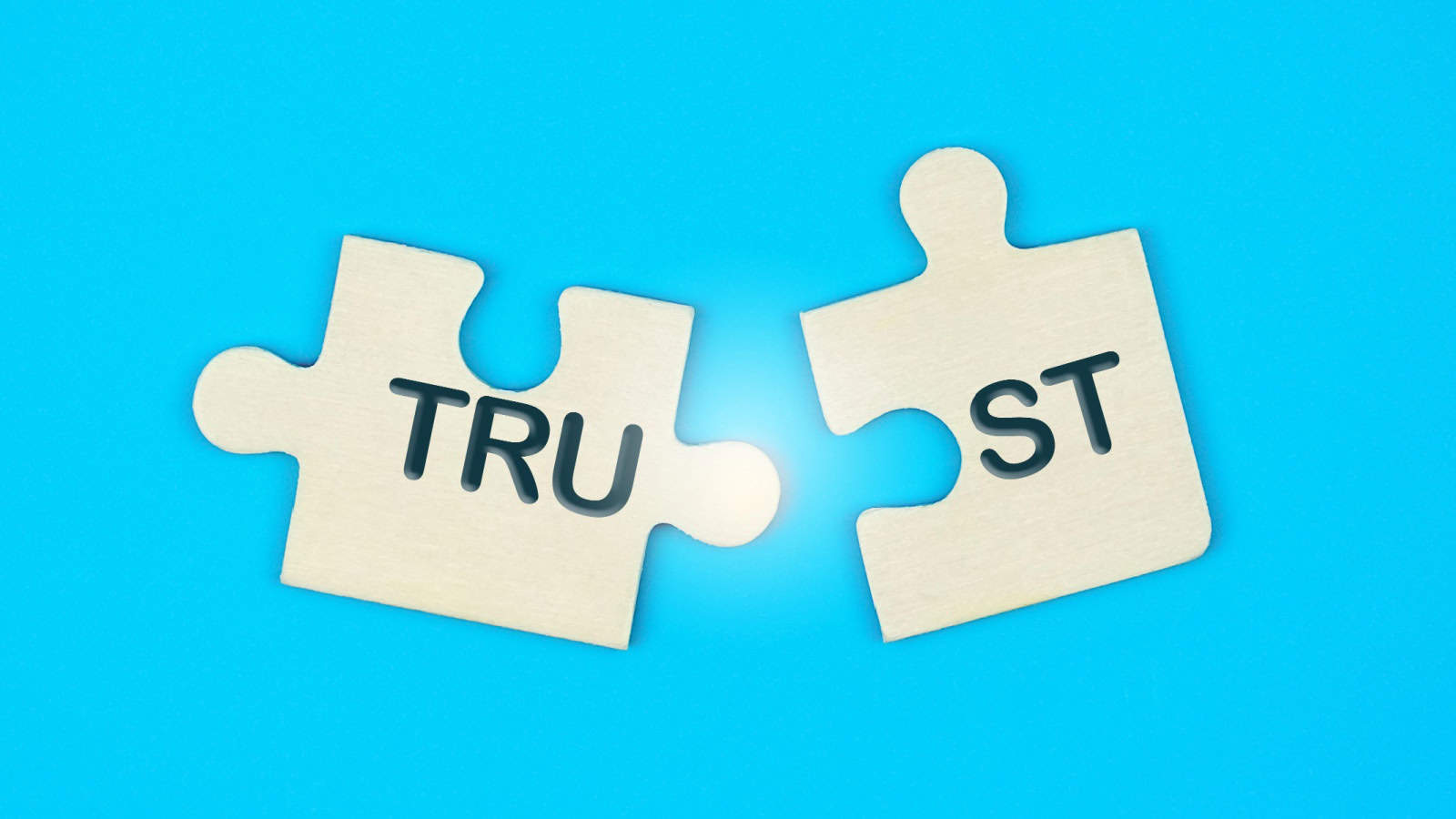
Trust used to be a nice word on a wedding program. Now it’s survival gear. Estimates suggest nearly 20 percent of married couples experience infidelity, yet around 60 percent of those who seek help choose to stay and work through it.
Other research referenced by therapists notes that close to half of people in monogamous relationships report having affairs at some point. No wonder women watch secrecy, phone habits, and “it’s not a big deal” lies like hawks. Many say they would rather hear a painful truth early than be emotionally blindsided after building an entire life on top of it.
That’s why transparency about money, past relationships, and online behavior is becoming a baseline.
If only he knew her future anxiety is part of the love story
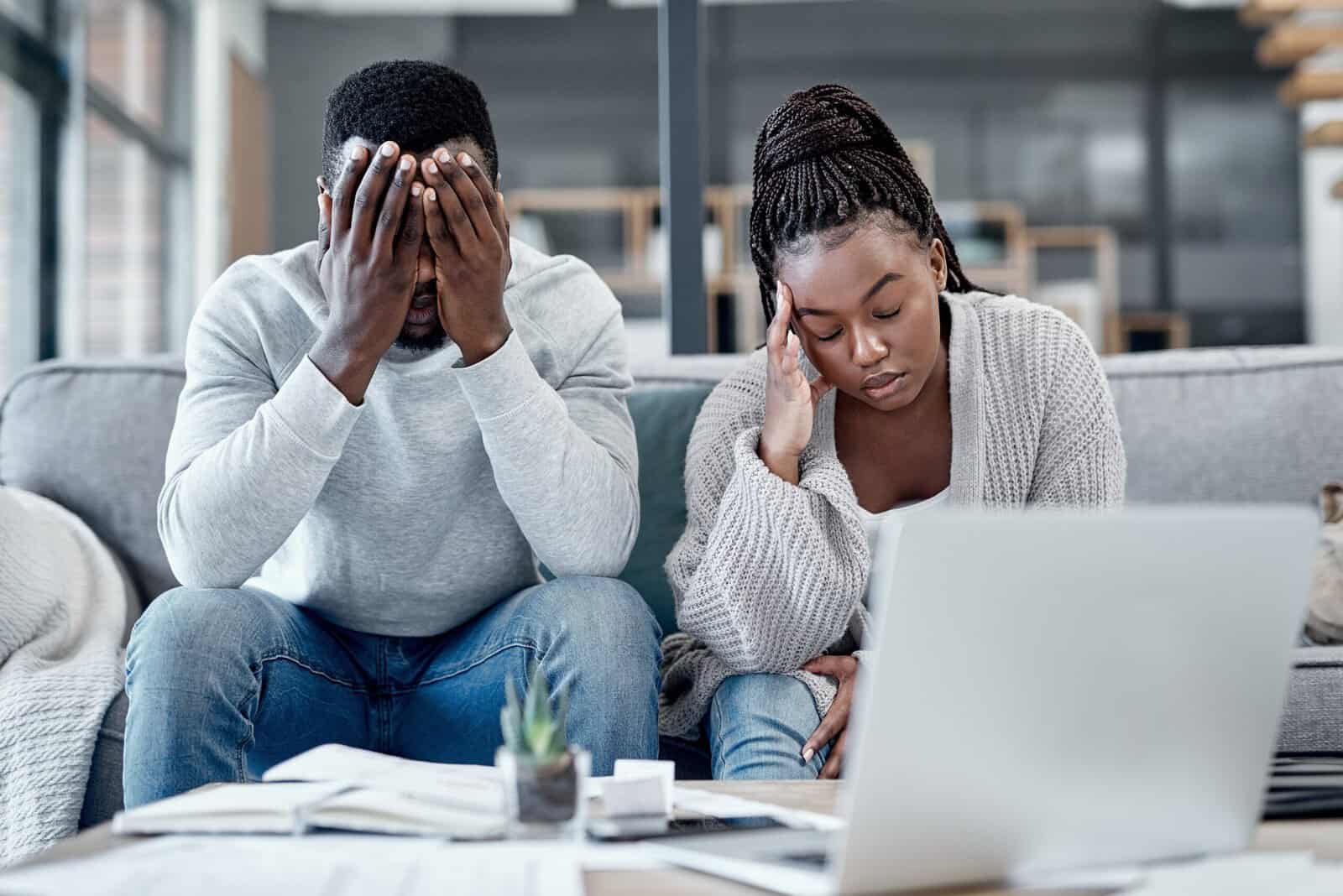
A lot of women are dating with one eye on the present and one eye on rent, climate change, and student loans. A trend reporters call “future‑proofing” found that about 95 percent of surveyed singles say worries about money, housing, and stability influence who they date.
In that same dataset, 59 percent of women said they deliberately look for emotional stability, which basically means “Can you be a calm human when life is confusing?” Around 27 percent of women now bring up topics like finances and long‑term plans early in dating, even at the risk of being labeled “too serious,” because wasting years on someone who can’t offer stability feels more terrifying than an awkward conversation.
If only he knew that not every woman is chasing a white dress

The old script said: date, ring, wedding, baby, credits roll. Bumble’s 2024 Trends Report found that around 31 percent of women are no longer focused on following the traditional “dating, engagement, marriage” escalator.
37 percent of U.S. women on Bumble only want to date people who share their views on timelines and milestones, meaning the pace matters more than ticking boxes by a certain age. Another 2024 poll highlighted by Bloom Matchmaking reported that 48 percent of Americans now prioritize mental health over marriage itself.
So yes, some women still want the big wedding, but many would rather be single than shrink themselves into a “perfect wife” role that wrecks their peace.
If only he knew money stress changed how she dates

Dating in 2026 can feel like trying to flirt inside a math problem. With prices climbing, one poll cited by Bloom Matchmaking found 48 percent of single millennials and Gen Z are choosing budget‑friendly dates.
Many women now see thoughtfulness and creativity, like a walk, a picnic, or a free museum night, as more charming than a fancy, overpriced dinner they’ll be paying off in guilt later. When there’s debt and rent to worry about, emotional effort is worth more than designer cocktails.
For some, aggressively expensive dates without real conversation have become a red flag, signaling that he’s trying to buy a vibe rather than build a connection. Her secret here is not “spend more.” It’s “show up with intention.” She remembers the snack you brought when she had a bad day more than the restaurant that made her hungry again by 10 p.m.
If only he knew online dating feels like work

For many women, dating apps feel like a part‑time job where the pay is memes and mild trauma. A 2024 national survey showed that 37 percent of U.S. adults have used a dating app, and about 7 percent are currently using one.
Among app users, women are more likely than men to say they’re only looking for a serious relationship, about 46 percent versus 36 percent. Nearly 42 percent of adults who’ve tried online dating have ended up in a committed relationship from it, so women know real love can show up between notifications.
But that’s exactly why they screen so carefully for safety, seriousness, and values, instead of treating it like a casual game. Her quiet wish is that men respect the emotional labor behind every swipe, every “hey,” every “share location with a friend just in case.”
If only he knew affection isn’t always code for s*x
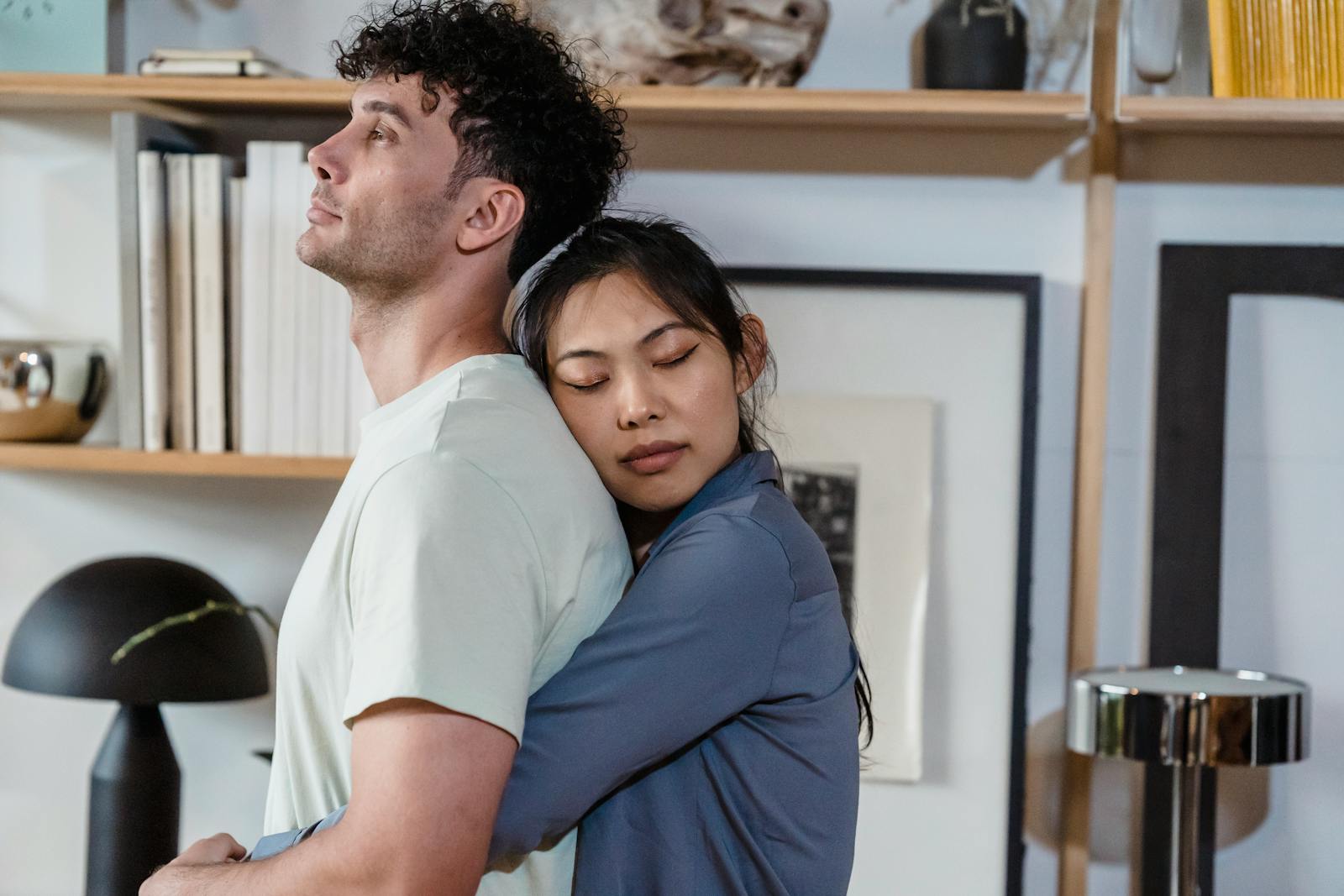
Some women are fluent in a language of tiny touches that never appear on a PG‑13 screen. A 2023 relationship trends report from the app Paired found that physical affection like cuddling and snuggling ranked as a top priority, sometimes even more important than specific s*xual acts.
That lines up with what a lot of women say quietly: they crave non‑s*xual affection such as hugging, holding hands, and casual touch during the day as proof of emotional closeness, not just a countdown to the bedroom. Paired also reports that couples who lean into affectionate touch and emotional intimacy tend to score higher on overall relationship satisfaction than those who only track how often they have s*x.
Her secret is that when you hug her randomly, kiss her forehead, or sit closer on the couch, it doesn’t always mean “let’s go.” Sometimes it simply means “I’m safe with you.”
If only he knew women want better conversations, not mind‑readers

Women don’t actually expect you to read their minds. They just want you to use yours. Oliver Drakeford Therapy reports that 75 percent of couples struggle with serious communication issues, and only 4.2 percent feel very connected to their partner.
Nearly half, 49 percent, say they feel completely disconnected, and 63 percent feel more like roommates than romantic partners, echoing what women describe as a lack of emotional check‑ins and meaningful talks.
Hinge’s 2025 Gen Z report found that 84 percent of Gen Z daters want deeper connections, but they are 36 percent more hesitant than millennials to start vulnerable conversations. That’s the emotional standoff: everyone wants depth, nobody wants to go first.
Disclaimer: This list is solely the author’s opinion based on research and publicly available information. It is not intended to be professional advice.
Like our content? Be sure to follow us