12 interesting facts about Christianity
Let’s talk about Christianity for a second. We all know it’s the world’s largest religion, with over 2.6 billion followers, and expected to surpass 3 billion by 2050, according to Frontier Partners International.
But here’s the thing, there’s so much more to it than meets the eye. If you thought Christianity was all about Sunday church services and Bible verses, think again. This religion has a history, growth, and influence that are anything but ordinary. Some of the facts about it might just knock your socks off.
Now, I’m not here to give you a dry, boring history lesson. Nope, this is about the cool, quirky, and surprising stuff that makes Christianity one of the most fascinating religions on Earth. So, grab a snack, sit back, and let’s explore these 12 facts about Christianity that might just make you look at this religion (and maybe even your faith) a little differently.
The Bible Contains 66 Books Divided Into Two Testaments
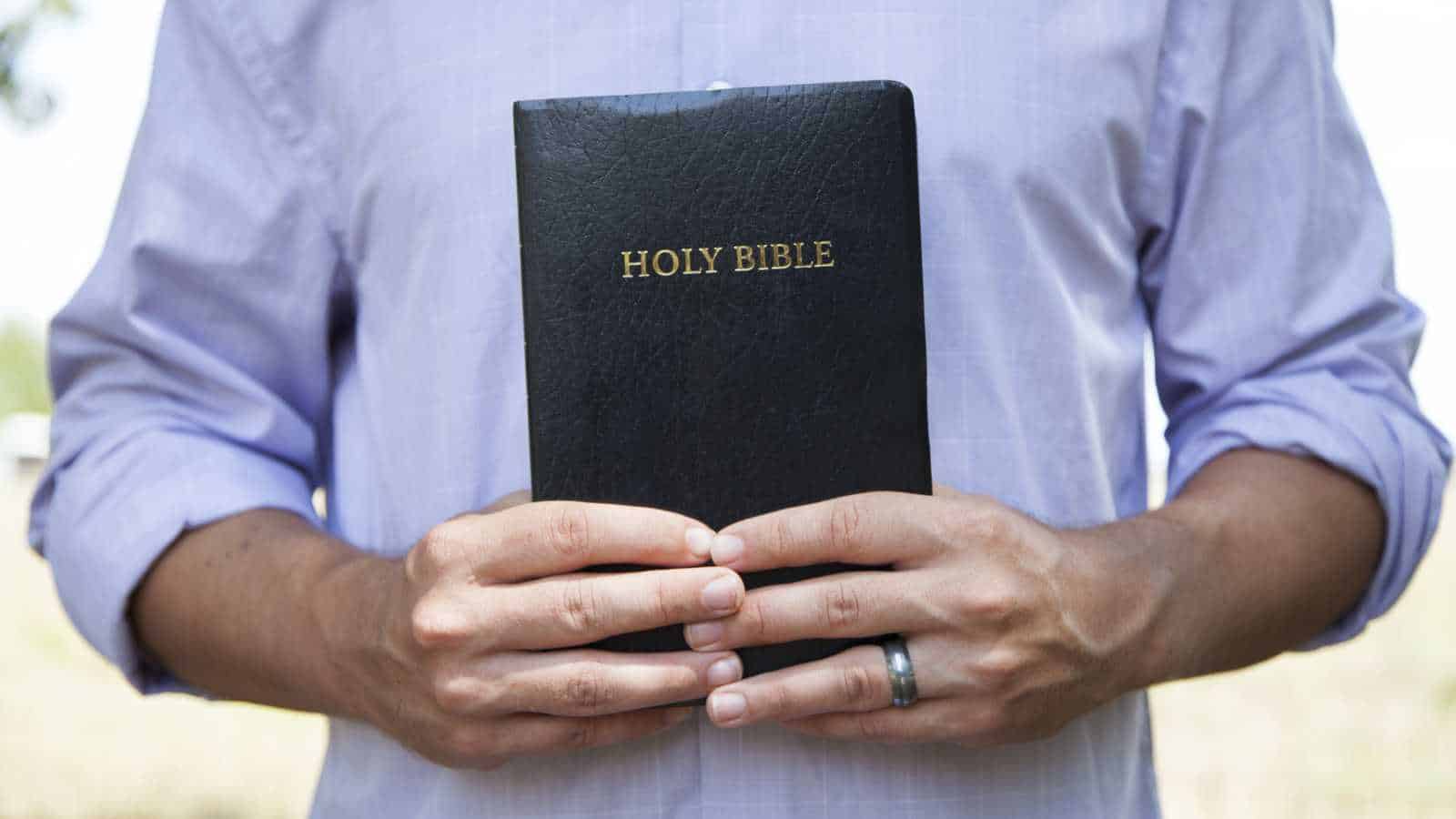
The Christian Bible consists of 66 books, divided into the Old Testament (39 books) and the New Testament (27 books). The Old Testament is largely shared with Judaism, while the New Testament is dedicated to Jesus’ life and the early Christian church. Interestingly, Catholic and Orthodox Bibles include additional books in the Old Testament, enriching the scriptures.
This division forms the foundation of Christian doctrine and has shaped everything from Western law to art and culture. It’s fascinating how these texts have not only influenced religious practice but have also woven themselves into the fabric of global history. The variety of books and writings in the Bible offers countless ways to explore and understand the Christian faith.
Christianity Has 2.6 Billion Followers Worldwide in 2025

As of 2025, Christianity remains the world’s largest religion, with over 2.6 billion followers, and is expected to surpass 3 billion by 2050, according to Frontier Partners International. That’s about 32.3% of the entire global population. For example, in Africa, Christianity’s growth rate is 2.64 percent per year, which is even faster than the global population growth rate.
What’s impressive is that Christianity’s presence isn’t just historical; it’s continuously growing and thriving. From South America to Africa, the faith continues to expand, especially in areas outside traditional Western hubs. So, it’s not just a relic of the past but a faith that’s alive and well across the world.
Jesus Christ Was Born Between 6 and 4 BC
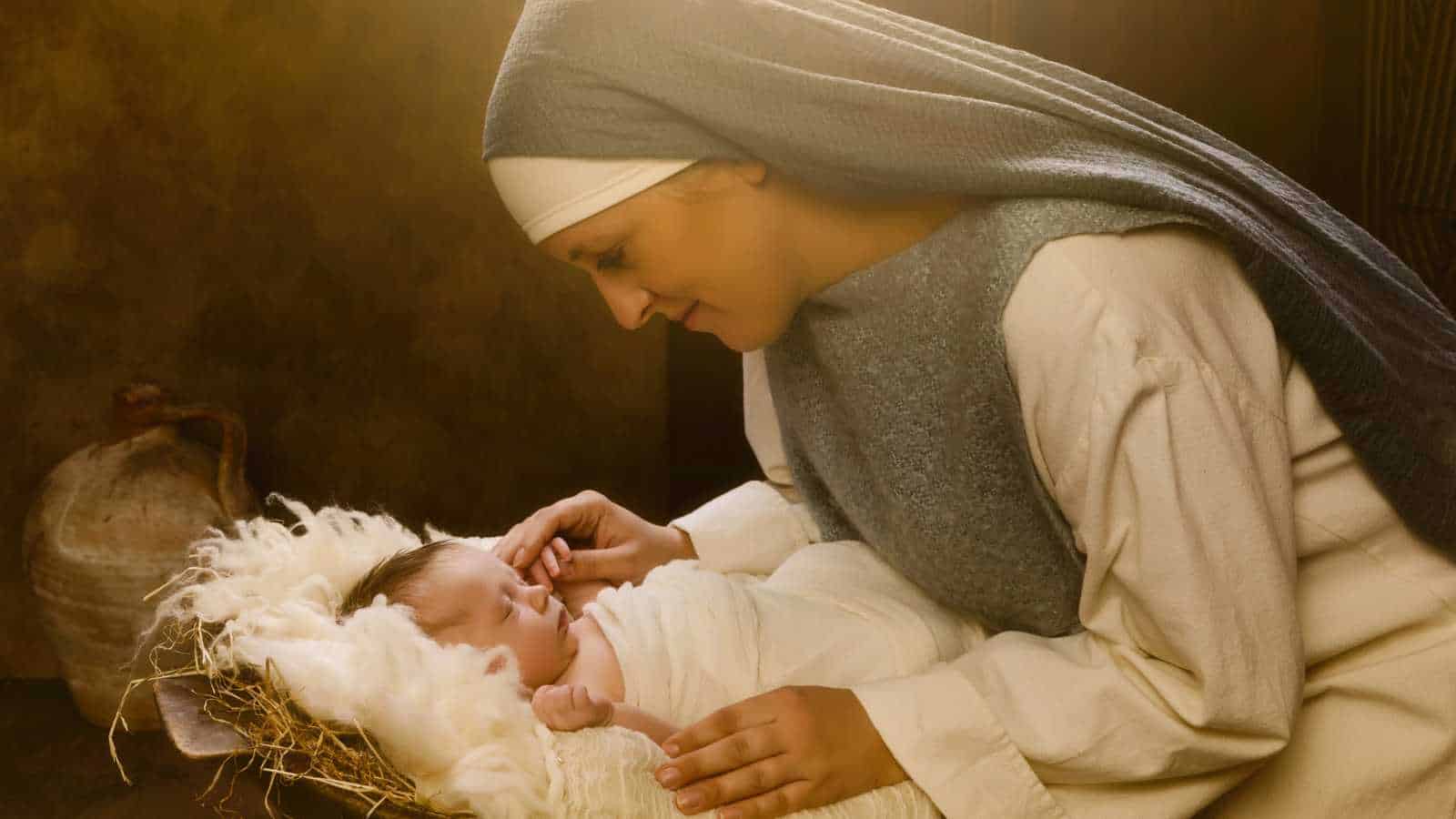
You might be surprised to learn that, according to historians, he was likely born between 6 BC and 4 BC, based on the reign of King Herod and historical records. It’s one of those quirky details that makes you realize the “Before Christ” system was, well, a little off.
This revelation helps clear up some confusion about our modern calendar, which was developed centuries later. It’s also a reminder that the birth of Jesus was situated within a much broader historical context. So, the next time someone asks about the year of Jesus’ birth, you can hit them with this fascinating little fact.
The Lord’s Prayer Is the Most Recited Christian Prayer

The Lord’s Prayer, also known as the Our Father, holds the title of being the most recited prayer in Christianity. This prayer, found in both Luke 11:2-4 and Matthew 6:9-13, was taught by Jesus as a model for how his disciples should pray. It’s a simple yet profound prayer, packed with petitions that align the believer’s heart with God’s will.
Starting with “Our Father in heaven, hallowed be your name,” the prayer expresses reverence and honor for God’s holiness. It continues with requests for God’s kingdom to come, for daily bread, for forgiveness of sins, and for deliverance from evil. For many Christians, reciting this prayer daily is an important spiritual practice that unites millions around the world in a common expression of faith.
Christianity Has Over 47,000 Denominations Worldwide
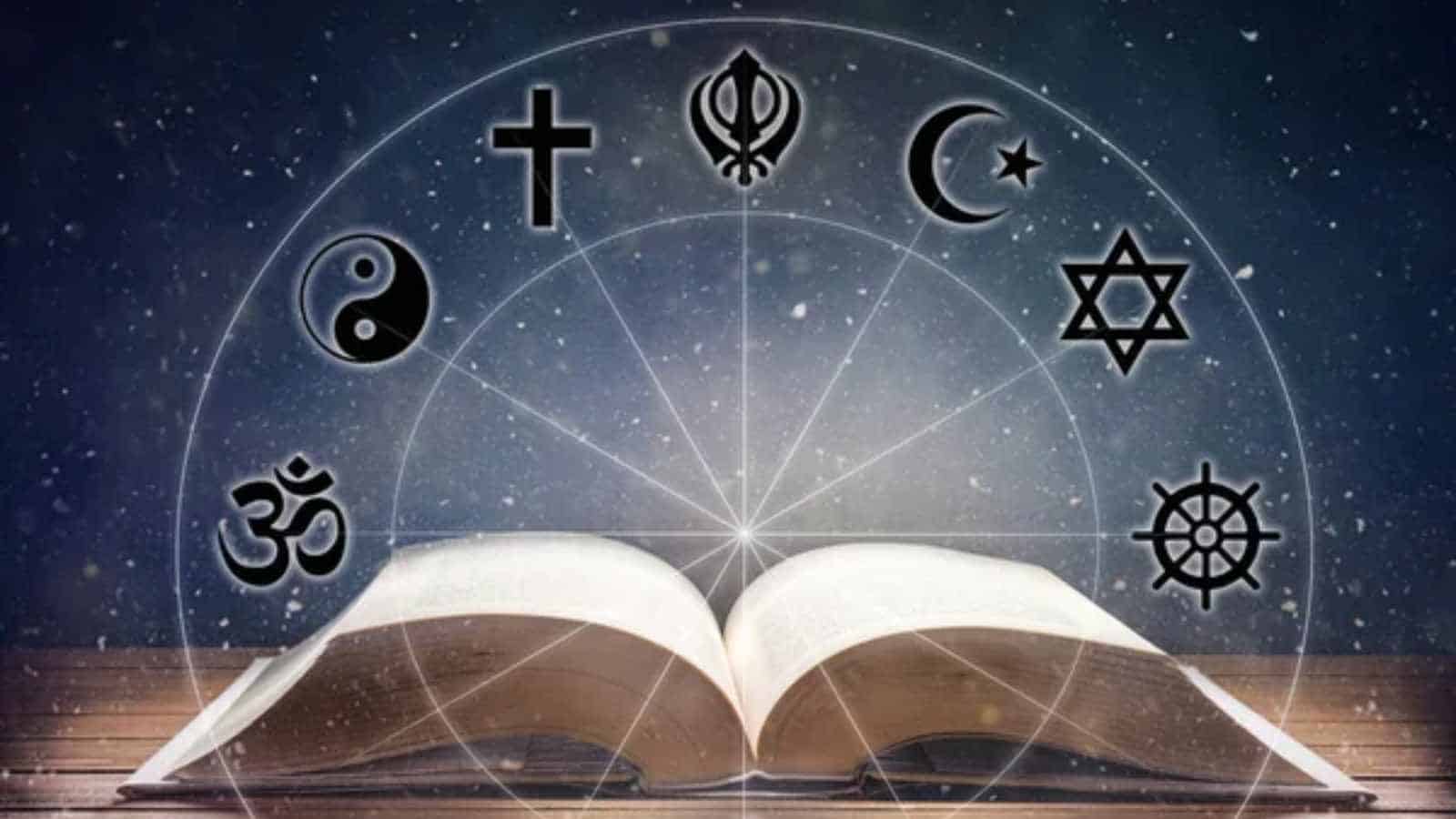
There are over 47,300 Christian denominations worldwide, with the number expected to hit 49,000 by 2025, according to the Center for Study of Global Christianity. This includes the three largest branches: Catholicism, Protestantism, and Eastern Orthodoxy, along with countless smaller sects. The rapid growth of denominations reflects the flexibility and diversity of Christian thought across cultures.
This diversity might seem overwhelming, but it also highlights how Christianity adapts to different languages, cultures, and social norms. Despite the variety of beliefs, all denominations share core tenets, such as belief in Christ’s divinity and resurrection. It’s a testament to the resilience of the faith, which continues to thrive in numerous forms around the world.
Also in MSN: 13 common misconceptions about Christianity to reconsider
The Cross Became Christianity’s Primary Symbol in the Late Second Century
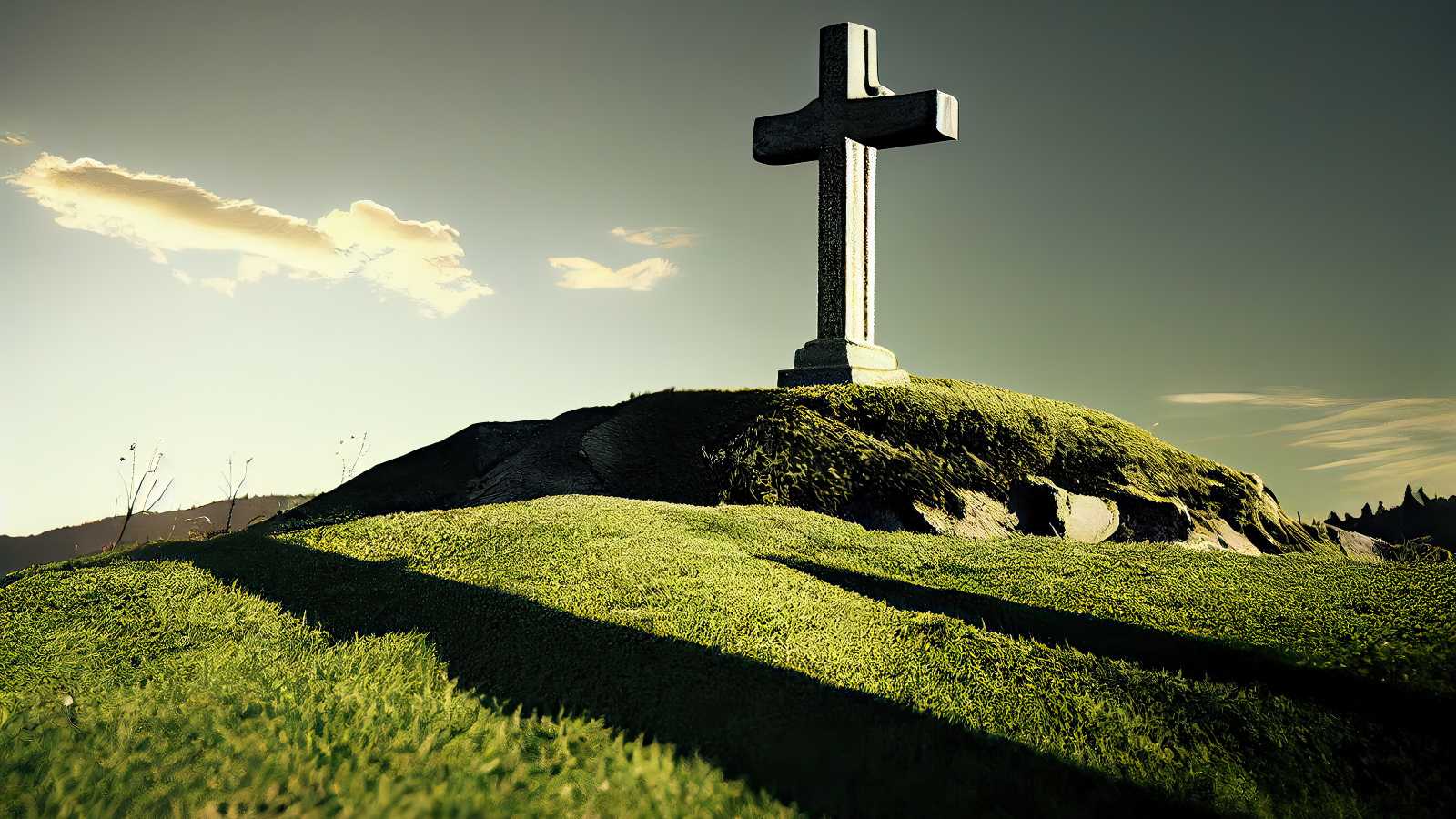
Initially, the fish symbol (Ichthys) was the go-to representation for early Christians, appearing as a secret sign of faith in the Roman catacombs. The cross didn’t become the dominant symbol until the late second century, gradually replacing the fish. This shift marks the growing acceptance and visibility of Christianity in the Roman world, especially after Constantine’s conversion.
Interestingly, the cross symbolizes both Christ’s suffering and victory, which made it an appropriate emblem for a religion focused on redemption. Over time, the cross became so ingrained in identity that it remains the most recognizable symbol worldwide today. It’s a powerful reminder of the transformative power of the faith.
The Largest Church Building Is in Africa, Not Vatican City

While St. Peter’s Basilica in Vatican City is world-famous, it’s not the largest Christian church in the world. Guinness World Records notes that the honor goes to the Basilica of Our Lady of Peace in Yamoussoukro, Côte d’Ivoire. Completed in 1989, this church can accommodate 18,000 worshippers and covers 30,000 square meters, far larger than St. Peter’s.
This enormous church is a reflection of Christianity’s expanding reach, especially in Africa, where the faith continues to grow. It’s a humbling reminder that the world’s religious centers are not limited to Europe and the U.S., but span the globe. So, if you’re looking for a colossal church, Africa’s got you covered.
Christianity Fundamentally Shaped Western Civilization’s Institutions

Christianity didn’t just impact religious life; it laid the groundwork for Western philosophy, law, and education. The early church’s establishment of monastic schools helped preserve classical knowledge during the Middle Ages, eventually leading to the formation of universities. Christian principles of justice and morality influenced landmark documents like the U.S. Constitution.
It’s amazing how much Christian teachings have shaped the very systems that govern modern society. These roots continue to affect everything from human rights to the concept of natural law. So, the next time you read a piece of Western history, remember: Christianity helped write the script.
Christmas on December 25 and Easter Are Christianity’s Two Principal Holidays

We all know Christmas and Easter are the two biggest Christian holidays, but here’s something you might not have realized: Christmas wasn’t celebrated until AD 336 under Emperor Constantine. The date, December 25, was chosen because it coincided with the Roman festival of Sol Invictus, National Geographic notes. Easter, on the other hand, is all about celebrating Jesus’ resurrection, the cornerstone of Christian belief.
The way these holidays are celebrated has shifted over the centuries, but their theological importance remains unchanged. Easter, in particular, holds deeper significance than Christmas for many Christians, as it represents the promise of eternal life. So, while Christmas is fun for gift-giving, Easter is the ultimate celebration of Christianity.
Christians Believe in the Trinity: One God in Three Persons

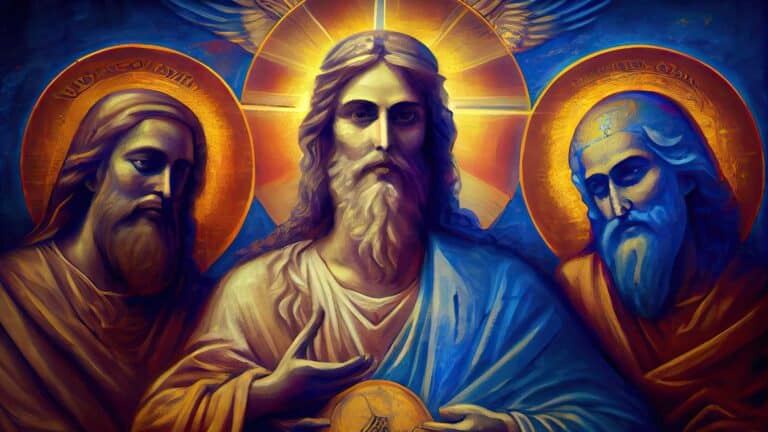
The Trinity is one of Christianity’s most central and profound beliefs, teaching that God exists as three distinct persons, Father, Son (Jesus), and Holy Spirit, yet remains one God. Each of these three persons is fully and equally God, possessing the same divine nature, but they remain distinct in their roles and relationships. This paradox lies at the very core of Christian doctrine and illustrates both the complexity and unity of God.
Understanding the Trinity can be challenging, as it’s a concept that defies easy explanation. But at its heart, it reminds believers of the deep mysteries that underpin Christianity. Even the most devout find the Trinity to be a powerful yet humbling mystery of the Christian faith.
Christianity Has 450,000 Foreign Missionaries Serving Globally in 2025

According to Frontier Partners International, 450,000 missionaries are currently serving worldwide, spreading the Christian message and providing humanitarian aid. The U.S. remains the top sender of missionaries, but countries like South Korea and Brazil are quickly catching up. The global reach of missionaries is a testament to Christians’ commitment to spreading their faith and serving others.
It’s incredible to think that so many individuals have dedicated their lives to missionary work, whether through preaching, education, or health care. It’s a reminder of the global impact and the sense of duty to serve others in the name of faith. So, next time you see a missionary, give them a thumbs-up; they’re doing some seriously important work.
The Bible Has Been Translated Into Over 4,000 Languages

In an effort to make the Christian message accessible to all, the Bible has been translated into over 4,000 languages as of 2025. This includes full translations and partial translations. The goal is to ensure that every person has access to Scripture in their native tongue, with translation projects continuing globally.
This push to translate the Bible underscores Christianity’s worldwide reach and its commitment to making faith universally accessible. So, no matter where you live, the Bible is available to you. How cool is that? It’s a reflection of how Christianity strives to break down barriers and reach people everywhere.
Key Takeaways
Christianity remains the largest religion in the world, with over 2.6 billion followers globally. Its growth is outpacing the world’s population, highlighting its ongoing influence and relevance. From Africa to the Americas, Christianity continues to expand, making it a dynamic and ever-evolving faith.
The Bible is central to Christianity and consists of 66 books, with the Old and New Testaments shaping Christian doctrine and practice. It has been translated into over 4,000 languages, ensuring that people from diverse backgrounds have access to its teachings. This widespread translation reflects Christianity’s commitment to sharing its message with the world, regardless of language barriers.
Christianity’s impact on Western civilization is profound, having shaped everything from philosophy to education and law. The church’s historical role in preserving knowledge and founding universities has had a lasting impact on modern institutions. Key documents like the Magna Carta and the U.S. Constitution also reflect Christian values, demonstrating their far-reaching influence.
Disclosure line: This article was written with the assistance of AI and was subsequently reviewed, revised, and approved by our editorial team.
Coffee and Kidney Health: Risks, Benefits, and What Studies Say

Coffee and Kidney Health: Risks, Benefits, and What Studies Say
The evidence shows that moderate coffee consumption is safe and may even protect kidney health. Problems arise from excessive caffeine, inadequate hydration, and the presence of sugary additives.
The Superfoods That Boost Energy and Mood

The Surprising Superfoods That Boost Energy and Mood
We all have those days when our energy feels low and our mood takes a dip. Instead of reaching for another cup of sugary coffee or an energy drink, the answer might be sitting right on your plate.
Some people are turning to wellness-focused blends that offer a smoother, longer-lasting boost.