12 Painful Truths About Growing Old Alone
We all know someone who swears by independence, but the reality of aging solo is very different from what’s expected. The quiet days, the longing for companionship, and the rising anxiety that comes with it can be overwhelming. AARP’s 2025 study found that 40 per cent of adults aged 45 or older in the U.S. report feeling lonely, up from 35 per cent in 2018.
With an aging population, the number of seniors living alone has increased, and according to Pew Research, 26% of seniors aged 65 and older lived alone in 2023.
The greater this number, the higher the risks of social isolation, such as dementia, depression, and a high rise in emergency room visits. The painful truth? Aging is not just a personal challenge but also a social one that needs to be tackled more than ever before.
Loneliness becomes more acute

As we grow older, the number of people in our social circle reduces. Life takes us in various directions, and our friends are lost before we can even realize it. The 2025 AARP report found that 40% of adults aged 45 and older are lonely, up from 35 years ago.
Among older adults aged 60 and above, the difference is even more pronounced, as a 2026 study by WifiTalents found that 43 per cent feel extremely lonely. The mean time that the elderly spend alone is 7.3 hours. The sooner you establish relationships, the better. Join social clubs, reconnect with old friends, and build a network to combat the silence.
Health challenges feel heavier
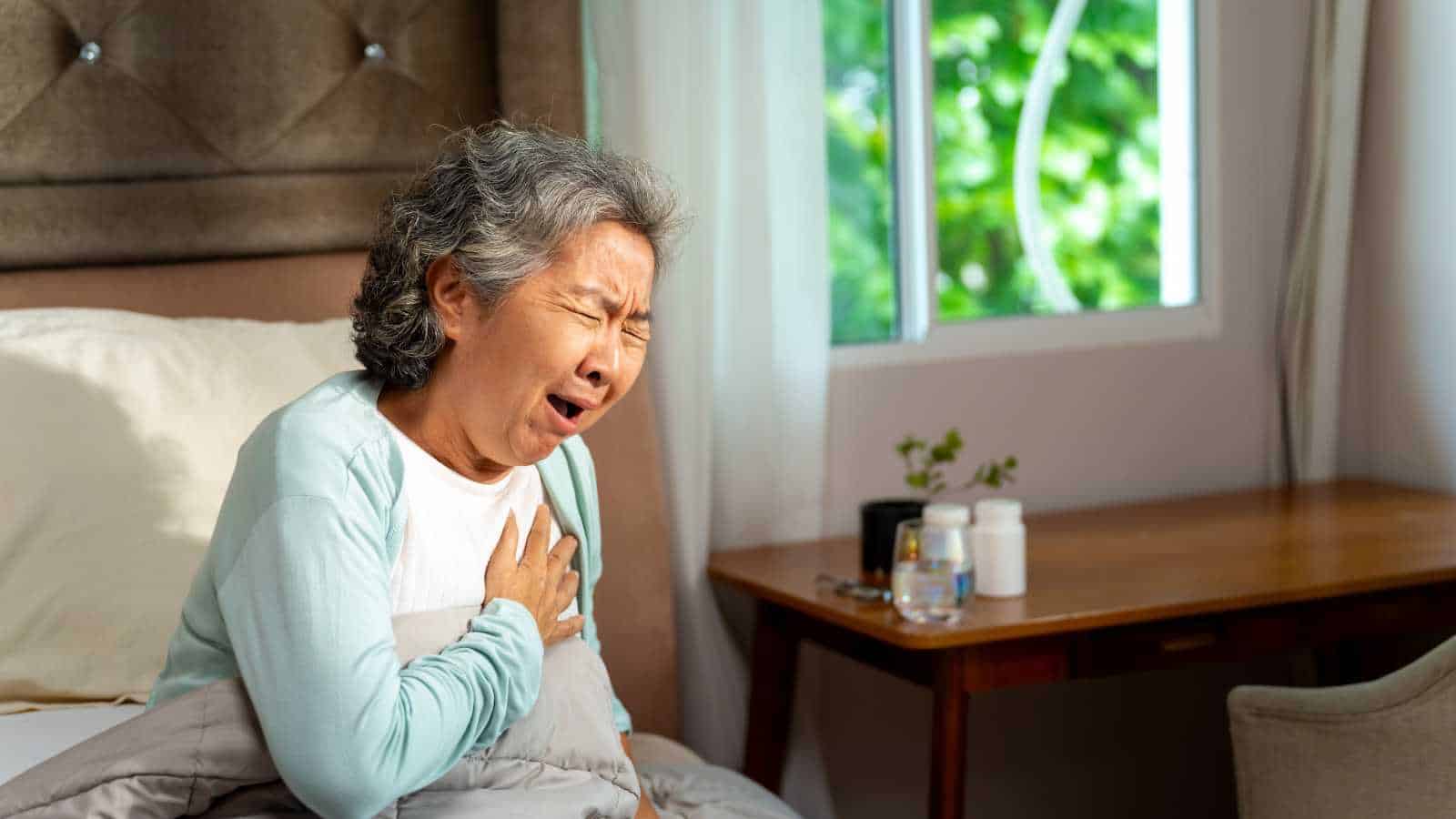
During childhood, we can disregard minor symptoms or dismiss minor injuries. These little problems can easily grow out of proportion for older adults living alone.
According to a 2025 American Heart Association (AHA) study, socially isolated or “solo” seniors experience significantly higher rates of emergency department (ED) utilization than their counterparts who live with a spouse or partner. In the absence of a person to monitor health, other diseases such as heart disease and strokes become more prevalent.
The absence of a partner or a close family member to intervene means that many seniors can lack early warning of the existence of serious health problems, which can result in a slow recovery and increased complications. To prevent such threats, it is necessary to be mindful of health. Schedule periodic check-ups, monitor health dynamics, and issue emergency alerts.
Financial strain
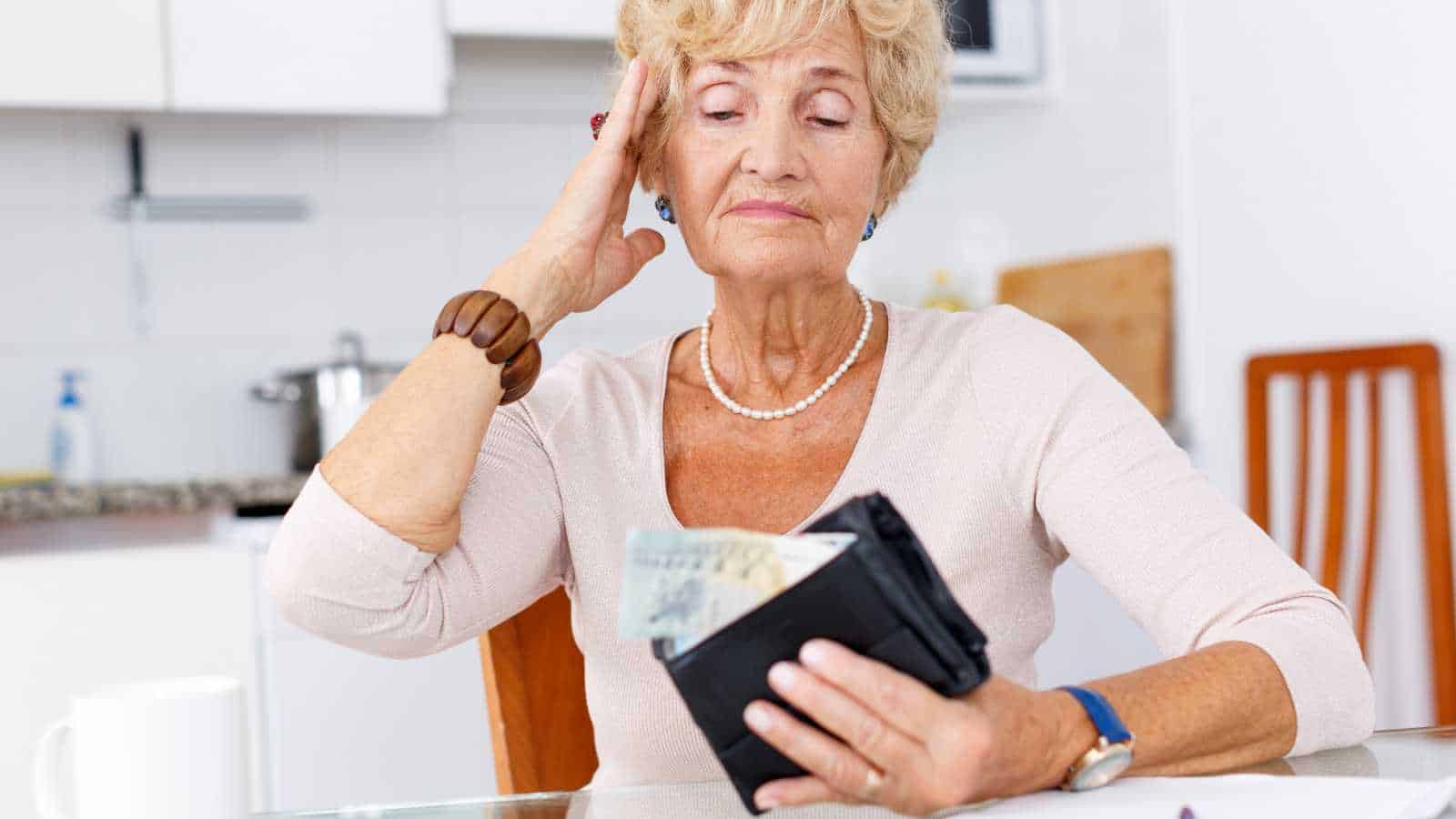
Financial management is difficult at best, and it becomes even more so in the context of aging alone. There is no one to share the bills with, and the costs appear to be mounting. Costs, such as housing and healthcare, are rising, and even a 2.5 percent Social Security increase in 2025 is, in most cases, insufficient to keep pace with rising living costs.
The vision of a nice retirement might seem unachievable to many seniors. To overcome these financial challenges, older adults must be aggressive savers, seek advice from financial consultants, and budget more to maximize their dollars.
No daily companionship
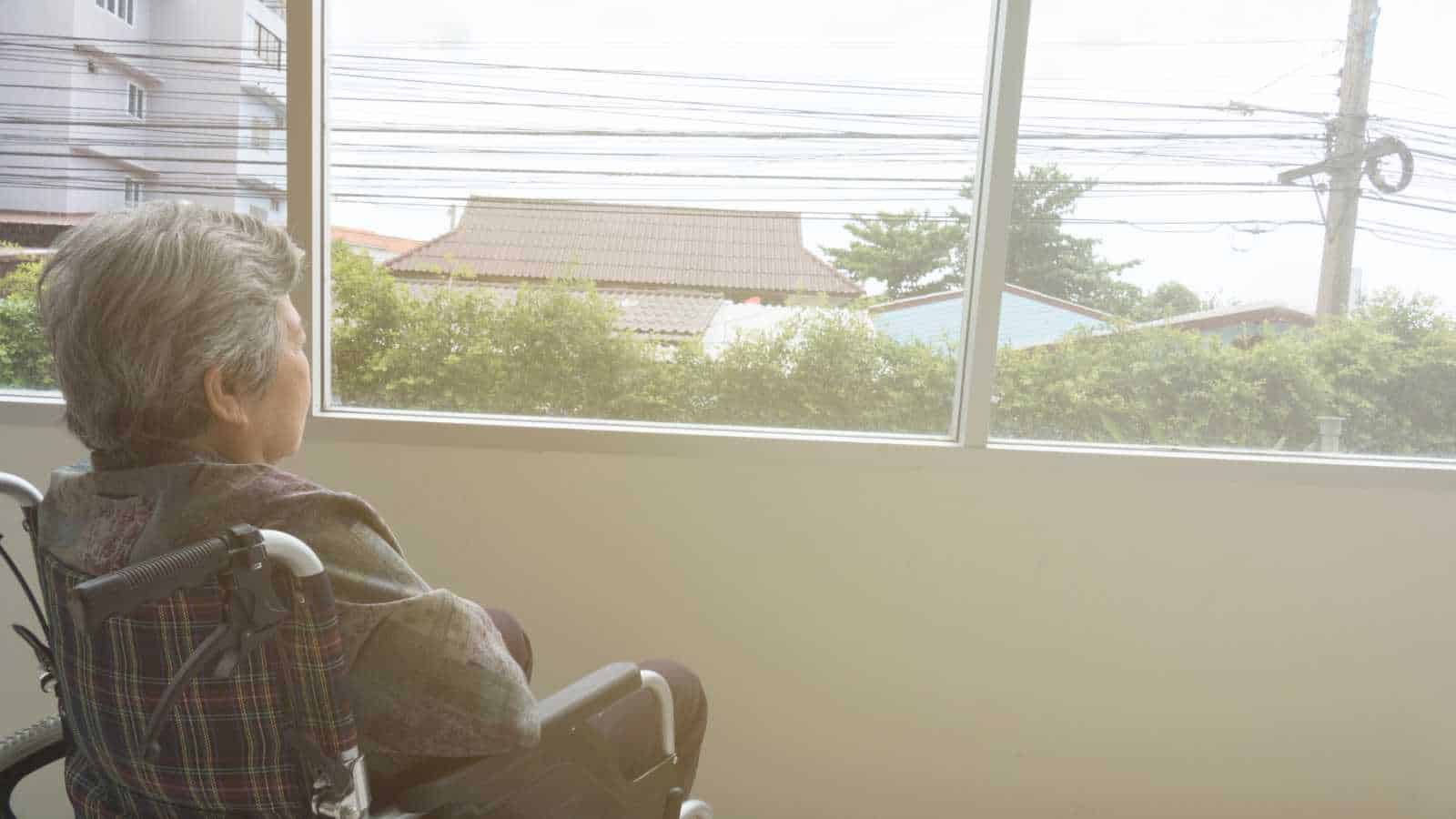
Just think of it, day by day, to go home to a vacant house. That is the reality for millions of older adults living on their own. According to the 2026 CareScout report, the current population of single seniors in the U.S. is 26.9 million.
These people tend to lack the company of a wife or a close relative. Farewell, to laughing, talking, and even ordinary human contact; intimacy, emotional and physical, is lost.
In the absence of such daily interactions, many seniors experience isolation, which can persist throughout the day. It is important to fill in these silent moments with something: invite your friends to dinner regularly, volunteer, or pursue hobbies that make you feel joyful and connected to the world around you.
Limited emotional support

Emotional support is among the most essential parts of our well-being, yet for people who are alone, it can be appallingly missing. As reported by the USC study of 2025, depression is experienced by 27% of seniors in isolation as compared to only 19 percent of the seniors who are in a partnering relationship.
Having no one to share with and be dependent on is likely to leave emotional wounds untreated. Those crises, whether big or small, can be overwhelming when one cannot lean on anyone. The situation is different in the case of seniors living alone; mental health tends to deteriorate.
Emotional resilience can be greatly enhanced by creating a circle of trusted friends, consulting professional counselors, and regularly checking in on the people you love.
Social invitations decline
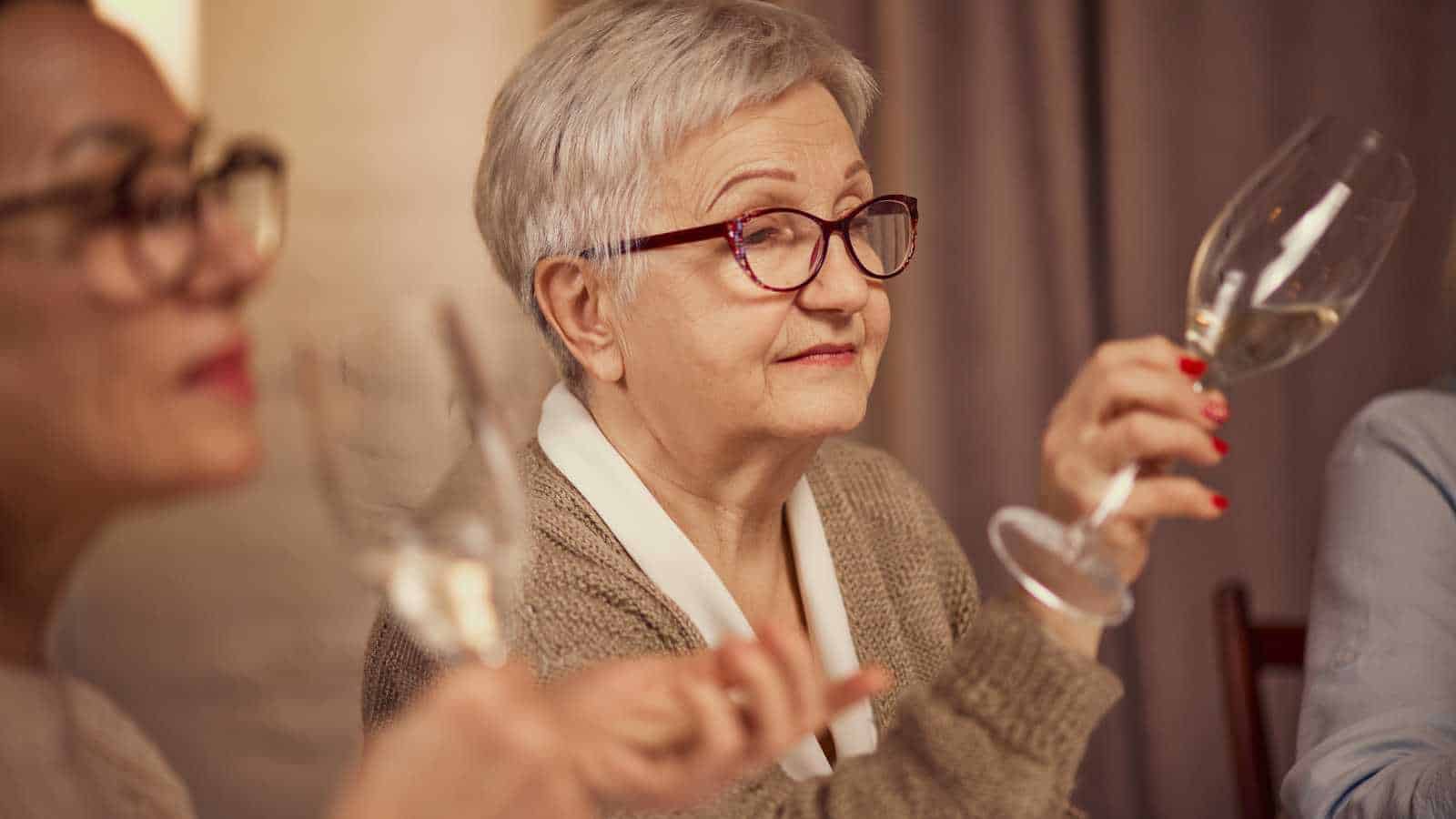
The number of social gatherings one is invited to also reduces as we get older. Couples also invite other couples to parties, and as friends move away or get married, the number of invitations decreases. It is a bitter truth for the aged who live alone, and it may leave them feeling isolated and lonely.
The first step to fight it is to initiate something- have get-togethers, organize activities, and maintain your social network. Re-establish contact with your old friends and remain involved in your community so you do not end up isolated.
Household burdens
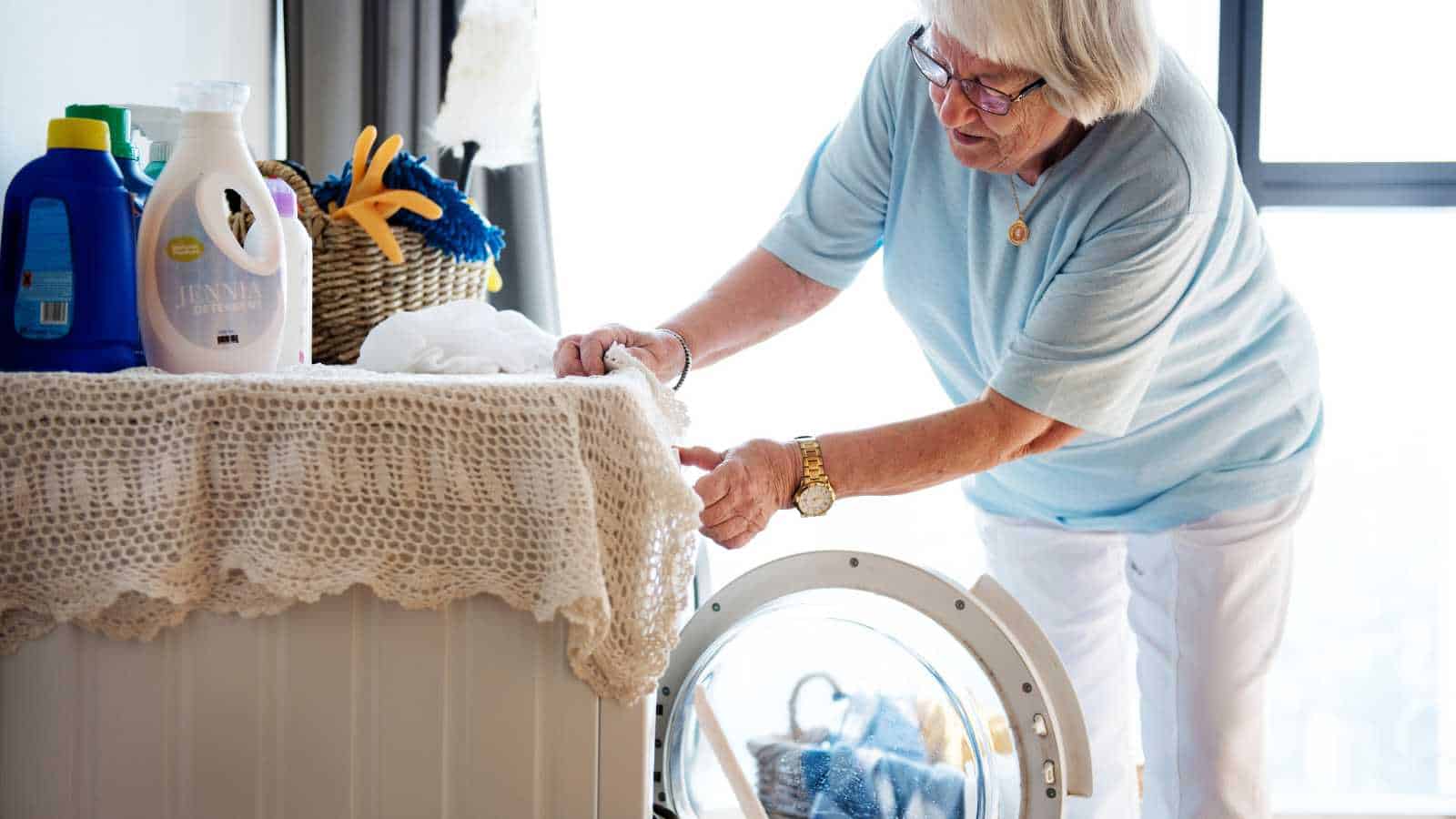
The physical requirement of being a homemaker may really prove too much when you are alone. These activities, such as carrying groceries and cleaning, become more strenuous over time. Lifting, bending, and repetitive movements are among the most exhausting activities for older adults.
The stress of keeping their homes may prove tiresome for solo seniors, particularly when no one is around to assist. Even such straightforward tasks as washing the house or mowing the lawn may soon become physical ordeals.
One way to cope is to make home chores easier, find more help when needed, and focus on what matters most, such as spending time with family or doing what you love.
Fear of medical emergencies
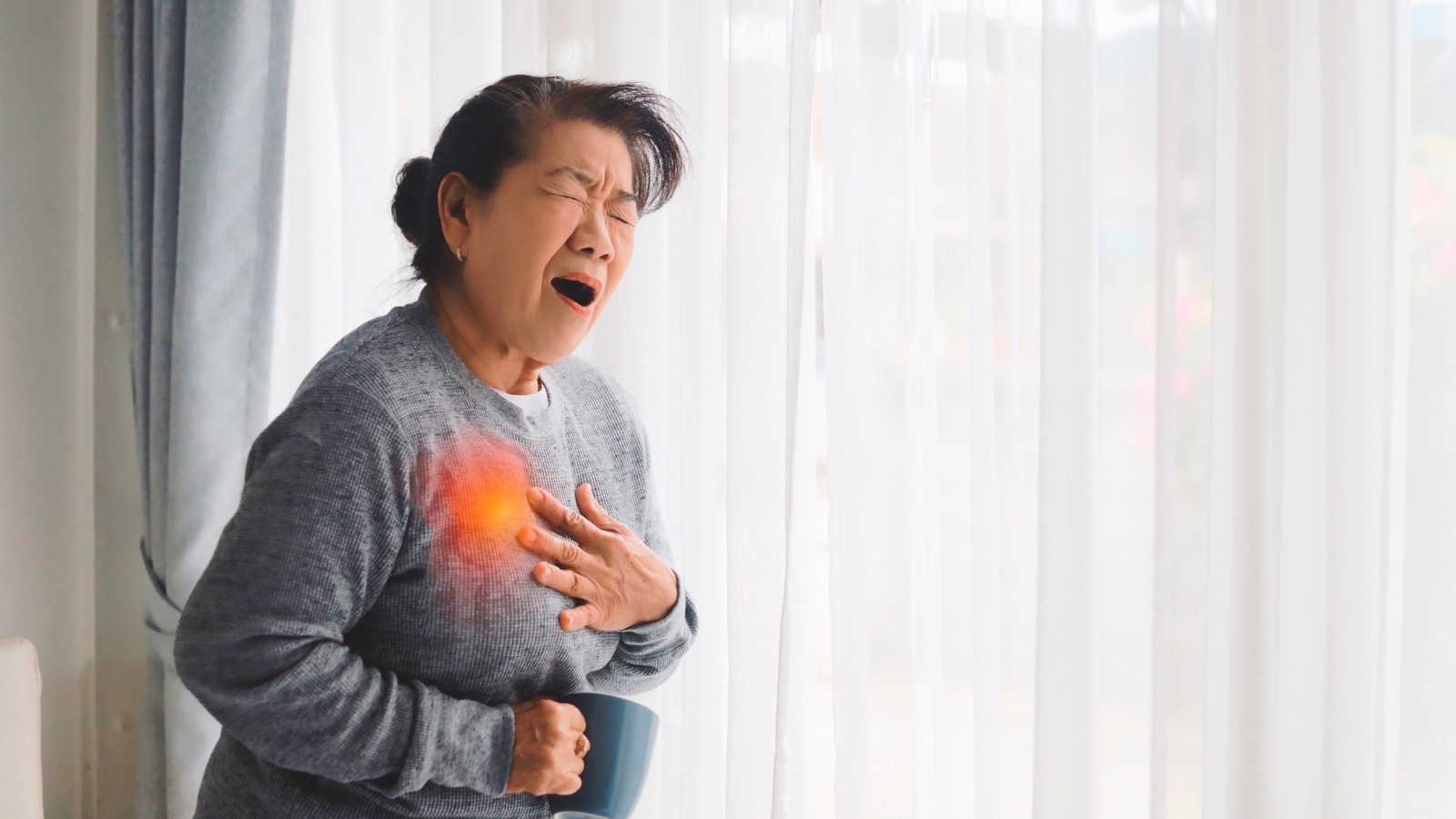
For seniors, when no one else is around, the dread of a medical emergency is ever-present. Falls, heart attacks, and strokes are not warned, and when one cannot be there to call for help, the impact might be drastic. Isolation, according to the Mather report of 2025, leads to panic in medical emergencies.
Installing medical alert devices, emergency numbers, and neighborhood preparedness measures to assist in emergencies is necessary to ensure your safety. One must always be ready and not hesitate to seek assistance when needed.
Reduced sense of purpose
Many seniors struggle to find a sense of purpose without a partner or close relatives to share goals with. Such a feeling of pointlessness may also lead to loneliness, depression, and despair.
To combat this, the elderly should find something that gives them a sense of purpose, whether through volunteering, taking up new hobbies, or mentoring younger people. These activities not only bring a sense of satisfaction but also help keep the mind and spirit healthy.
End-of-life decisions alone

End-of-life choices can be extremely difficult to make, particularly when you are alone. This may lead to hard decisions in which the person is unaware of what he or she would have preferred.
It is important to have strong, legally binding documents, such as a will, a medical proxy, and other advance directives. Talking to a trusted group of people or a lawyer will ensure your wishes are considered at the right time.
Memories without witnesses

The further we get into old age, the more we treasure our memories, yet by this time, they are usually outside the framework of family and friends. Narratives and incidents that, a few years ago, caused laughter may now resound in a deserted room.
The absence of someone to share the memories with makes them pale. Seniors should consider keeping a journal, recording videos, or simply sharing their stories online to preserve these moments. This not only helps preserve memories but also enables future generations to learn about them.
Greater risk of elder neglect

Single seniors are more likely to be neglected and exploited. The U.S. Department of Justice’s 2025 report confirms that elder-related fraud is on the rise, and that individuals living alone are also more susceptible to scams.
Having no network of family or friends to represent them, older adults are prone to fraud, abuse, and neglect. The best way to stay safe is to maintain close contact with your friends and relatives, ensure caregivers are thoroughly vetted, and report suspicious activity to the authorities.
Key takeaway
Old age is a reality for millions of elderly citizens. Though it may be characterized by loneliness, economic hardship, and health issues, it need not be a death sentence. Developing strong social networks, keeping fit physically and mentally, and preparing for the future are all part and parcel of having a good, independent life.
With this awareness, we are better positioned to help the elderly as they face the harsh realities of growing old alone. You should always remain alert and never waste a moment.
Like our content? Be sure to follow us.