12 parental lessons that no longer hold up today
Parents today are raising kids in a world that’s radically different from the one they grew up in. UNICEF reports that more than 1 in 7 adolescents aged 10–19 globally live with a diagnosed mental health condition, totaling approximately 13% of this population. With this in mind, it’s no wonder families are starting to rethink outdated approaches to parenting.
Many “timeless” rules are simply no longer in line with today’s realities. It’s time to put these tired lessons to rest and adopt strategies that promote emotional well-being.
“Kids should tough it out emotionally.”

Back in the day, the standard parental play for a sobbing child was a firm “rub some dirt on it” or a brisk “you’re fine,” as if emotions were pesky gnats to be swatted away. We now realize that treating a kid’s internal world like a neglected junk drawer leads to a cluttered, chaotic adulthood.
Dismissing those early flickers of anxiety or heavy clouds of gloom doesn’t make them vanish; it just teaches them to lift weights in the basement. catching these mental gremlins early keeps them from morphing into full-blown monsters. Validating a struggle isn’t coddling; it’s essentially providing a high-quality emotional roadmap.
“Spare the rod, spoil the child.”
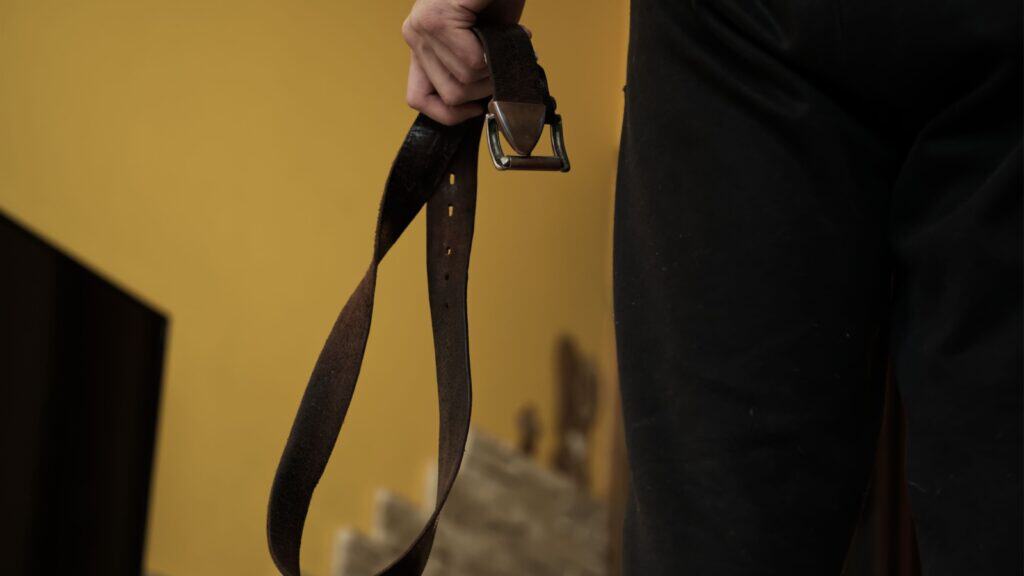
Hitting a child was once the “gold standard” for teaching respect, but science has officially tossed that wooden spoon into the trash. Updated policy guidelines from the American Academy of Pediatrics state that spanking increases aggression in young children, does not improve behavior in the long term, and is associated with a range of negative, lasting consequences.
Toddlers disciplined this way twice a month at age three often become tiny, defiant dynamos by five. Swapping the sting for steady boundaries and logical consequences builds actual self-control. It turns out that leading with a cool head creates much better humans than relying on a heavy hand.
“Boys don’t do housework, girls do.”
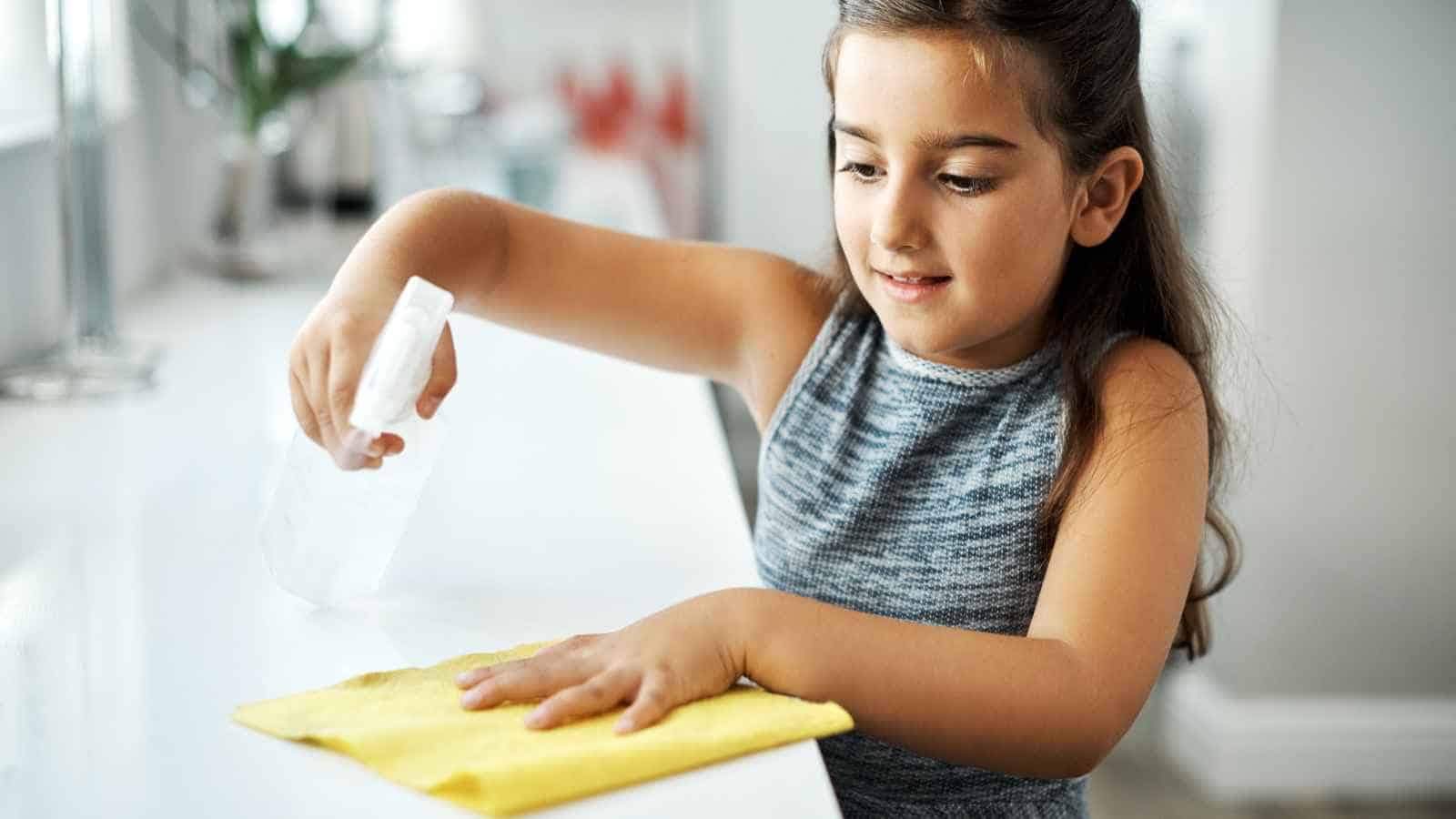
Forget the dusty relic of “blue” and “pink” to-do lists; the domestic revolution is officially televised, and it involves a vacuum. When dads swap the recliner for the rinse cycle, they aren’t just tackling the lasagna pan; they are rewriting the internal software of their offspring.
These tiny humans grow into adults who understand that a dirty dish has no gender and a laundry basket isn’t a biological destiny. By ditching the “man of the house” tropes in favor of a genuine partnership, parents build a foundation where equality is the default rather than a radical concept. It turns out the secret to a progressive future was hiding in the mop bucket all along.
“Screen time is just a harmless distraction.”

Screen time wasn’t always seen as problematic, but that’s changed in the age of smartphones and social media. Studies published in PLOS journals state that excessive teen screen time is strongly linked to reduced sleep quality, lower academic performance, and increased mental distress, such as anxiety and depression.
In response, the American Academy of Pediatrics now recommends limiting screen time to 1 hour per day for children aged 2–5 and discourages screen use altogether for children under 18 months. The key takeaway here is that screens should never replace sleep, physical activity, or family time.
“Hard work at home beats book learning.”
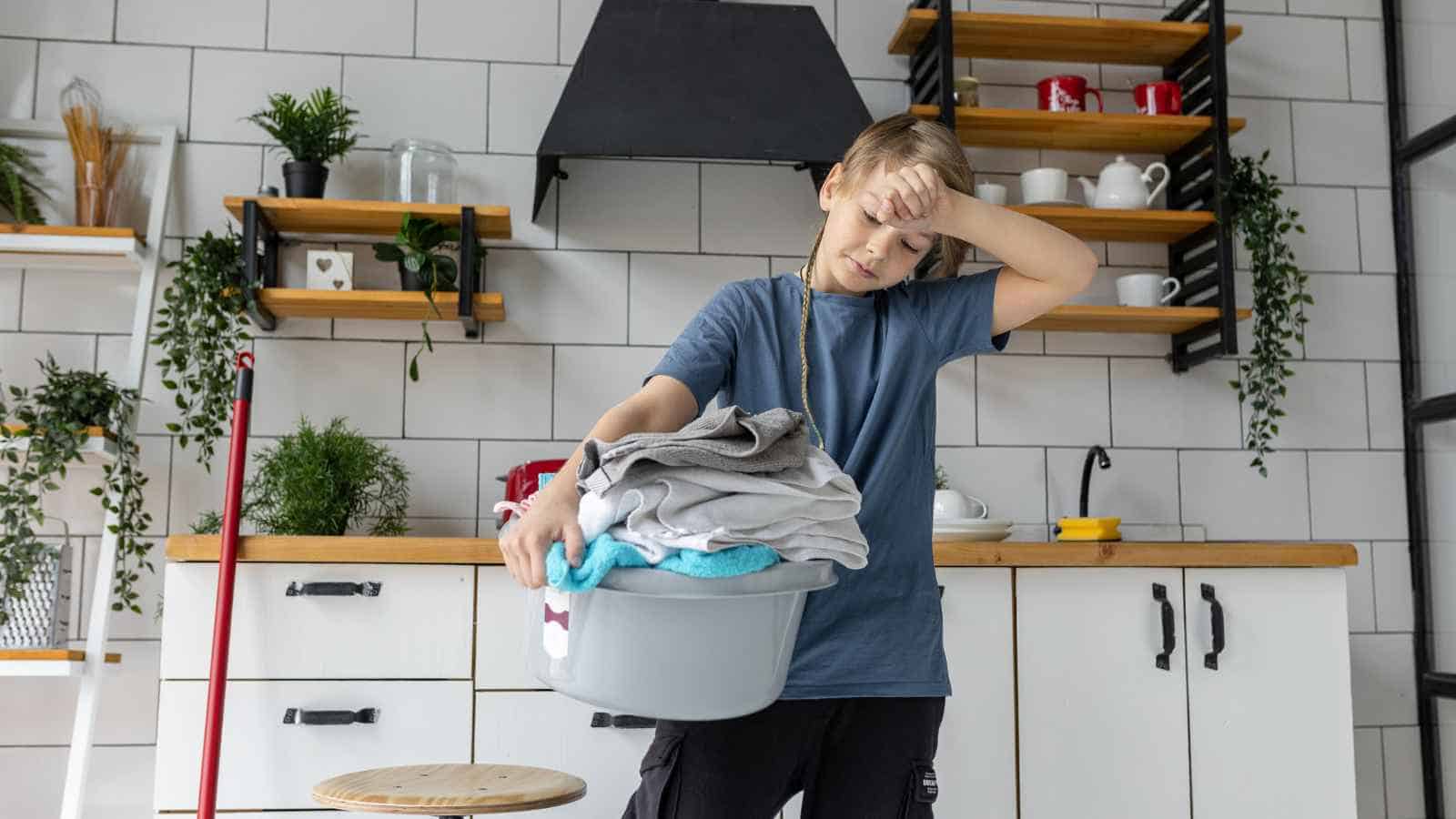
While some parents swear that scrubbing baseboards builds more character than acing calculus,” the school of hard knocks” often just leads to bruised shins and empty transcripts. When the weekly chore list exceeds twenty-one hours, those tiny scholars aren’t learning grit; they are essentially running a mid-sized domestic corporation without the stock options.
Drowning in dishes actively suffocates academic ambition, trading future engineering degrees for immediate floor-mopping prowess. We should definitely swap the relentless drudgery for a calculated blend of Dickensian hustle and actual textbooks. Mastering the art of the side-eye while doing laundry is great, but it shouldn’t come at the cost of a diploma. Balance remains the secret sauce for long-term wins.
“As long as they’re safe, independence can wait.”

We’ve collectively decided that wrapping children in three layers of premium bubble wrap is the only way to parent, yet the data suggests we’re just creating very fragile, high-gloss statues.
According to a report by Little Birdie, 89% of parents are heavily concerned about their children’s safety, mental health, and academic pressures. While the instinct to hover like a caffeinated drone is relatable, it’s actually stifling the grit kids need to navigate a chaotic world.
Resilience isn’t found in a sanitized environment; it’s forged when we step back and let them tackle real stakes. True growth requires a bit of dirt, a few bruised knees, and the freedom to fail spectacularly.
“What happens at home stays at home.”

Back in the day, the family playbook was simple: if something felt broken, you just buried it under the living room rug and hoped nobody tripped over it. We treated emotional struggles like that one weird uncle at a wedding, present, but strictly unmentionable. Breaking that outdated silence isn’t just about venting; it’s about swapping those heavy, secret-filled backpacks for actual tools.
When parents ditch the “we don’t talk about that” mantra, they hand their kids a mental Swiss Army knife. Openness turns terrifying monsters into manageable hurdles, proving that grit isn’t found in silence, but in the courage to speak up before a spark becomes a forest fire.
“They’re just being bullied; it builds character.”

Once upon a time, society treated bullying like a mandatory rite of passage, just some “character building” involving stolen lunch money and locker-room high jinks. We now know that’s total nonsense. JAMA Pediatrics found that children and teens who are bullied or taunted by cyberbullies are roughly 2.5 to 3 times more likely to attempt or consider suicide.
It’s not just “kids being kids”; it is a systemic assault on a child’s psychological foundation. We must swap the old “tough it out” mantra for a fierce, proactive defense at home and in classrooms to ensure that no one’s future is hijacked by a playground tyrant.
“Vaccines are optional if your kid looks healthy.”

Relying on a child’s rosy cheeks as a clean bill of health is like assuming a laptop is waterproof because the screen looks shiny. It’s a bold gamble where the stakes involve pathogens that don’t care about aesthetic vibes. When groups opt out, they aren’t just “living naturally”; they are accidentally rolling out a red carpet for vintage diseases that should have stayed in the history books.
True community spirit isn’t just about sharing lawn mowers; it is about maintaining a collective biological shield. Shielding the squad requires more than just good intentions; it takes a proactive defense to keep the neighborhood thriving.
“Strict discipline is the same as good parenting.”

Ditch the “because I said so” mantra and the iron-fisted ruler vibes of yesteryear. While our own parents might have treated discipline like a rigid boot camp, today’s caregivers are pivoting toward a much sharper strategy.
CNBC reports that 47% of parents aimed to be more consistent with discipline in 2024. This isn’t about being a pushover or a drill sergeant; it’s about mastering the “authoritative” sweet spot. By mixing genuine warmth with rock-solid rules, you create a powerhouse environment where kids actually thrive. It is the secret sauce for boosting both mental health and those elusive straight A’s.
“You’re not an adult until you leave home early.”

The era of the “boot-him-out-at-eighteen” parenting manual has officially hit the bargain bin. While previous generations treated the family nest like a high-speed catapult, today’s economic climate has turned it into a strategic base of operations. Moving out used to signify maturity, but in a world where a studio apartment costs a literal kidney, staying put is a genius financial pivot.
This isn’t about some refusal to grow up or a lingering obsession with mom’s laundry skills; it is a calculated response to soaring rents and the endless marathon of modern schooling. The basement isn’t a trap; it’s a launchpad being fueled for a much later, more stable takeoff.
“If they’re inside, they’re fine.”

We once treated the living room rug like a sanctified fortress of safety, but modern life has turned our cozy nests into static traps. It turns out that staying “safe” indoors usually involves a startling amount of competitive slouching.
The Active Healthy Kids Global Alliance reports that only about 21–25% of children and youth globally meet the recommended 60 minutes of daily moderate-to-vigorous physical activity. Breaking this cycle doesn’t mean turning your home into a grueling boot camp; it’s about outsmarting the sofa. By weaving bursts of kinetic energy into the everyday grind, we can transform stagnant routines into a vibrant, high-speed balancing act that keeps the whole crew thriving.
Key Takeaway
Ditch those “because I said so” fossils and the rigid rulebooks from the 1950s. Modern parenting has evolved from a survival-of-the-sternest drill into a high-stakes, heart-centered collaboration. We now know that emotional resilience isn’t just a buzzword; it’s the secret sauce for raising humans who don’t need a decade of therapy to unpack their childhood.
By trading outdated intimidation for evidence-based empathy, you aren’t just “being nice”; you are literally rewiring a developing brain for long-term success. It is about pivoting from a cold authority figure to a flexible mentor who values mental health as much as good grades.
Like our content? Be sure to follow us.