12 places in America people love to hate
Every country has destinations that spark strong opinions, and the United States is no exception. Some places are criticized for traffic, crowds, high costs, extreme weather, or tourist overload, yet millions of people continue to visit, or even move to, them every year.
In fact, several of America’s most polarizing destinations are also among its most visited. For example, Las Vegas welcomed more than 41 million visitors in 2024, while New York City attracted over 64 million visitors, demonstrating that popularity and criticism often go hand in hand. Critics may complain about congestion, commercialization, or rising prices, but these places remain cultural, economic, or entertainment powerhouses that continue to draw enormous crowds.
Here are 12 places in America that people seem to love to hate, and why they remain impossible to ignore.
Los Angeles
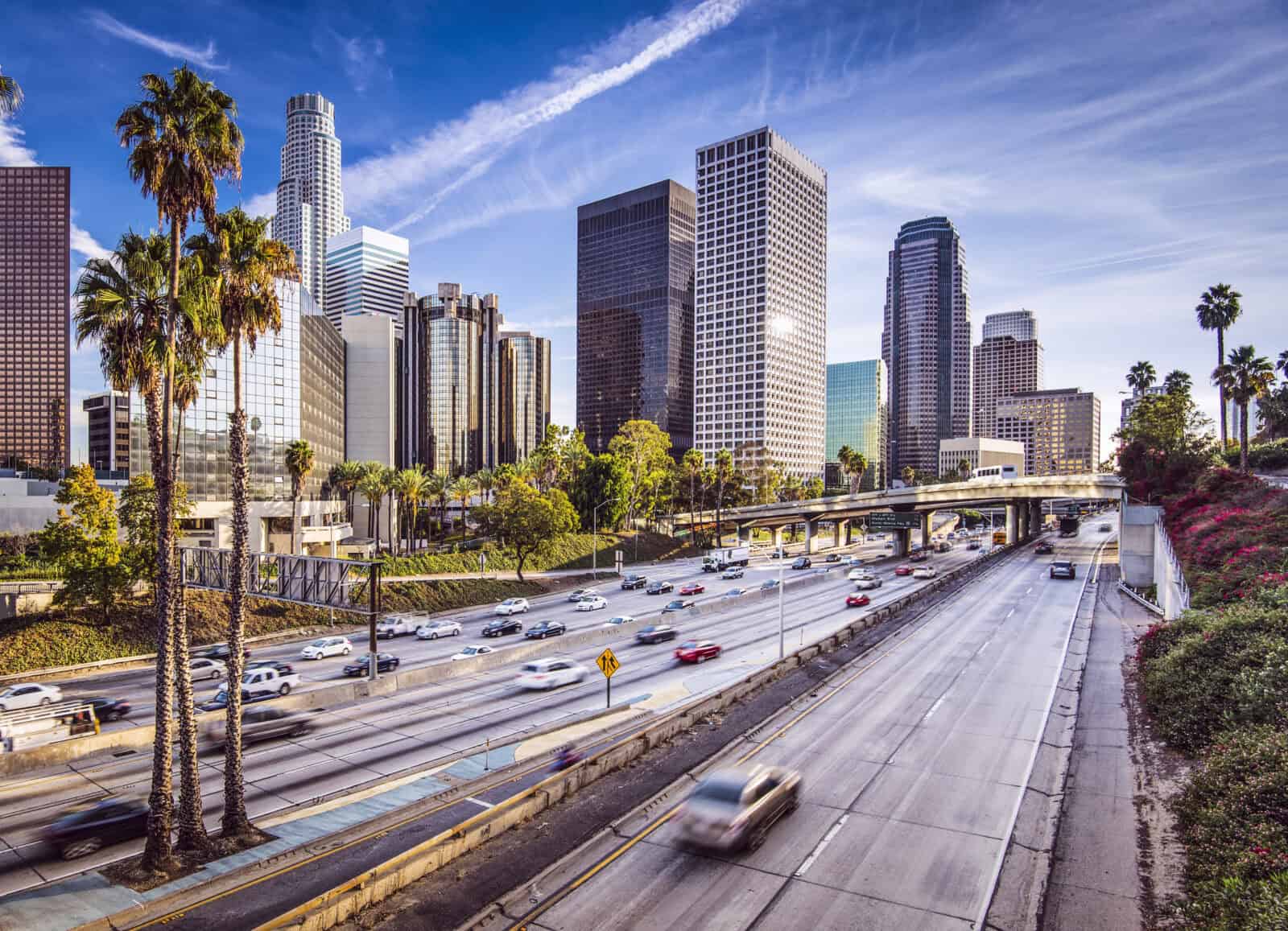
Gridlock dominates the public image of Los Angeles. Drivers in the metro area lost an average of 88 hours annually sitting in traffic, according to the 2024 INRIX Global Traffic Scorecard.
Housing prices also continue to squeeze residents, with median home values exceeding $950,000 in several neighborhoods, according to Zillow data. Visitors arrive expecting palm trees and celebrity sightings but quickly encounter sprawling freeways, parking battles, and expensive hotels.
Critics often describe the city as artificial, image-obsessed, and exhausting to navigate. Entertainment culture amplifies the stereotype because influencers and celebrities dominate social media portrayals of the city.
They may mock Los Angeles relentlessly, yet the city continues shaping global music, film, and internet culture.
New York City
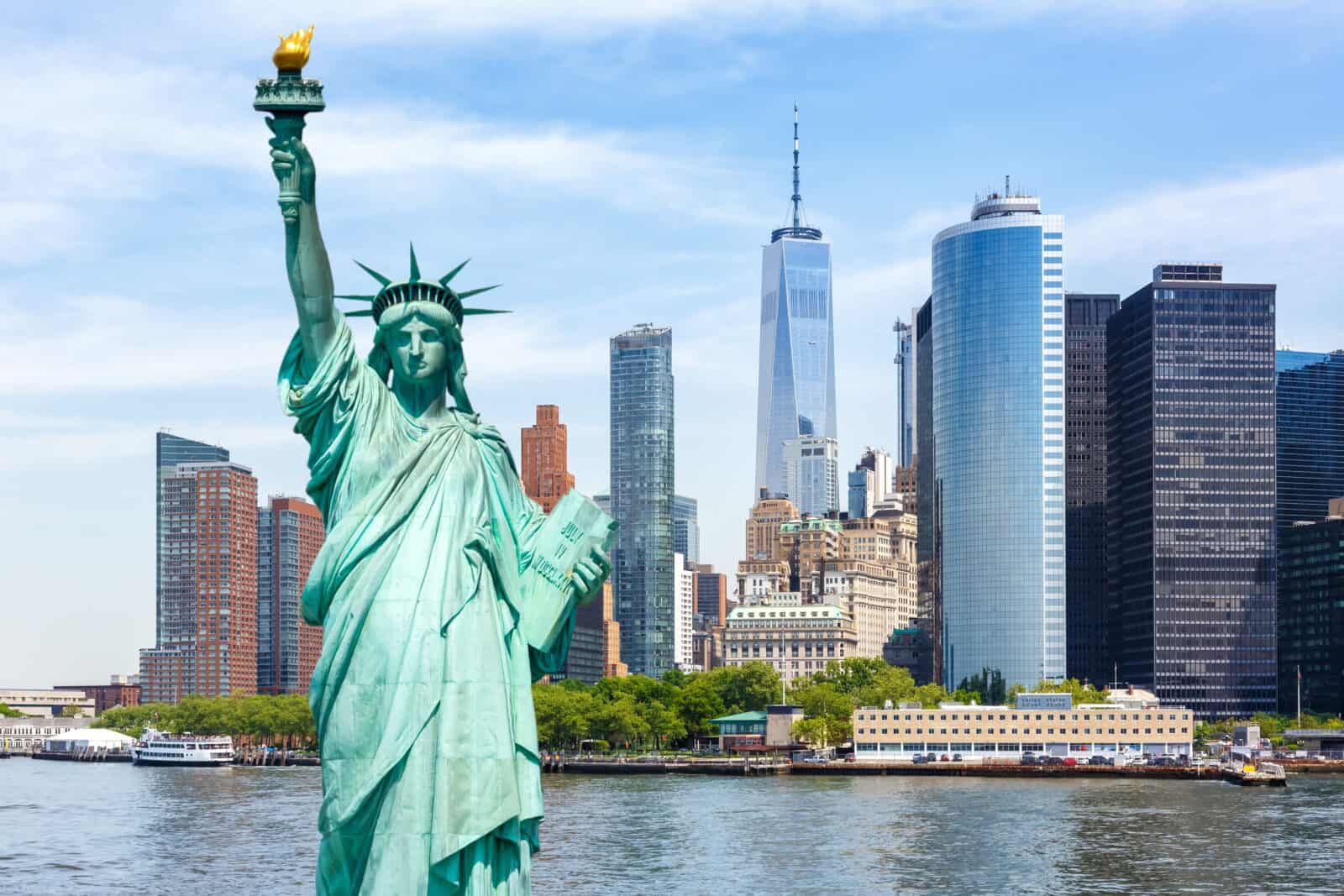
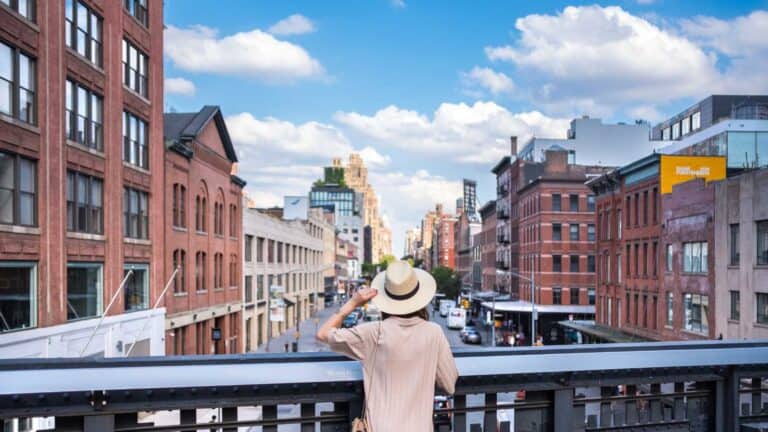
New York moves at a brutal pace, and many Americans admire it even as they resent it. The city welcomed more than 62 million visitors in 2024, according to NYC Tourism + Conventions, yet complaints about cost, crowds, and attitude dominate online conversations.
A basic hotel room in Manhattan can easily cost more than $300 per night during peak season. Subway delays, noise pollution, and tiny apartments fuel the perception that life there feels unnecessarily stressful. Critics frequently argue that New Yorkers confuse exhaustion with ambition.
Behavioral economists often cite New York as an example of “high-density psychological fatigue,” in which overstimulation increases irritability and social impatience. Pedestrians move quickly because every second feels monetized.
Tourists blocking sidewalks triggers open frustration. Restaurant reservations become competitive events. Financial success stories, though, attract millions of dreamers, keeping the city at the center of media, finance, and fashion. Public hostility toward New York resembles the reaction to elite universities: resentment mixed with fascination.
Americans constantly complain about the city, but many still secretly want a version of the New York experience.
San Francisco
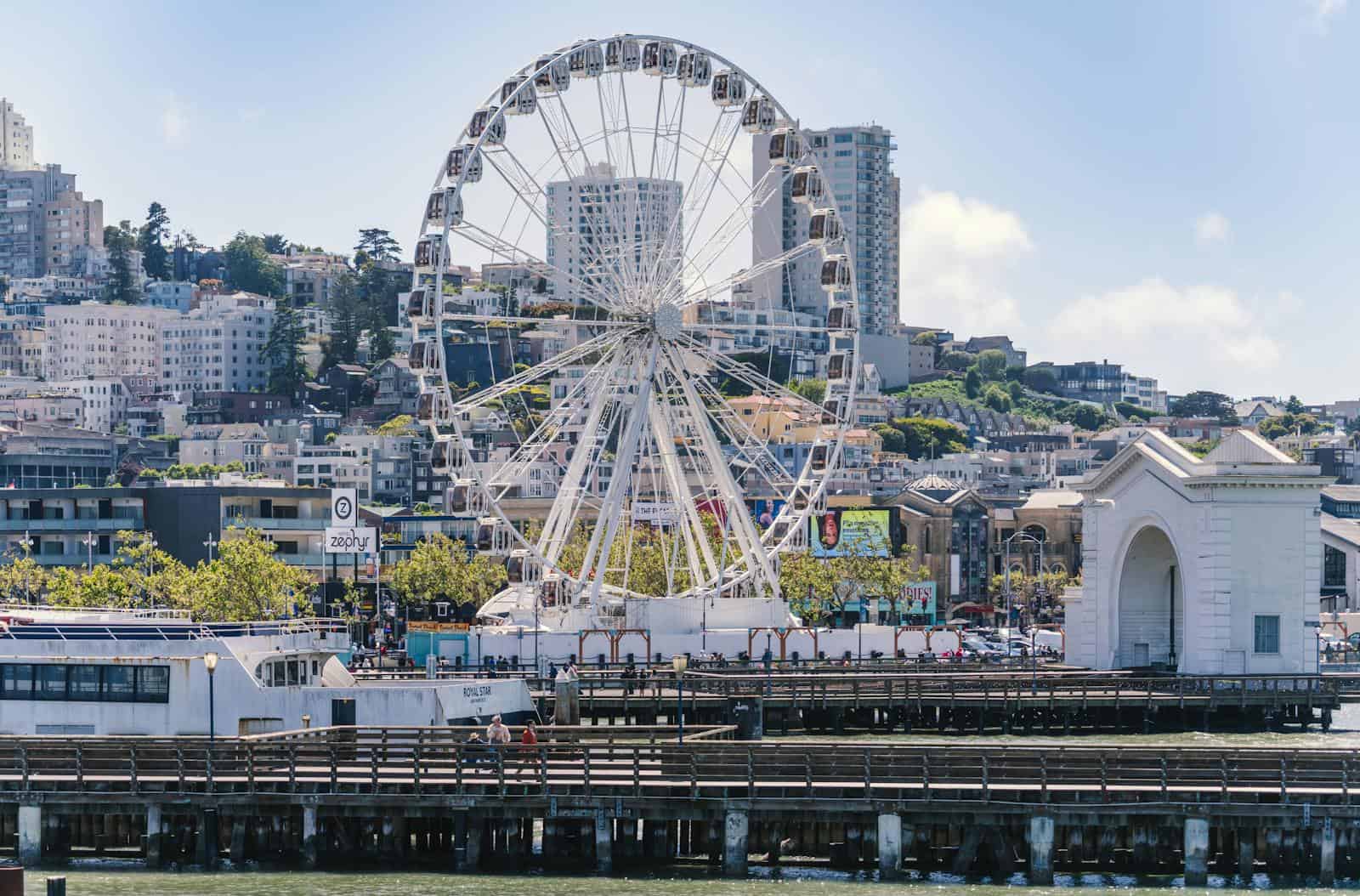
San Francisco became a lightning rod in America’s debates about technology, wealth inequality, and urban management. The city’s median rent remains among the highest in the nation, according to Apartment List, while office vacancy rates surged after remote work reshaped the tech industry.
Viral videos showing car break-ins and homelessness intensified national criticism. Opponents portray the city as a cautionary tale of unchecked wealth paired with visible social decline.
Tech analysts argue that San Francisco suffers in part because it has become shorthand for Silicon Valley excess. During the AI and startup boom, enormous venture capital investments inflated salaries and property values faster than infrastructure could adapt. Residents earning average wages struggled to remain in the city.
Public frustration grew stronger as cafes filled with remote workers carrying laptops worth more than monthly rent in other states. Despite the backlash, San Francisco still attracts entrepreneurs worldwide because its proximity to investors, engineers, and research institutions creates career opportunities that are difficult to replicate elsewhere.
Las Vegas
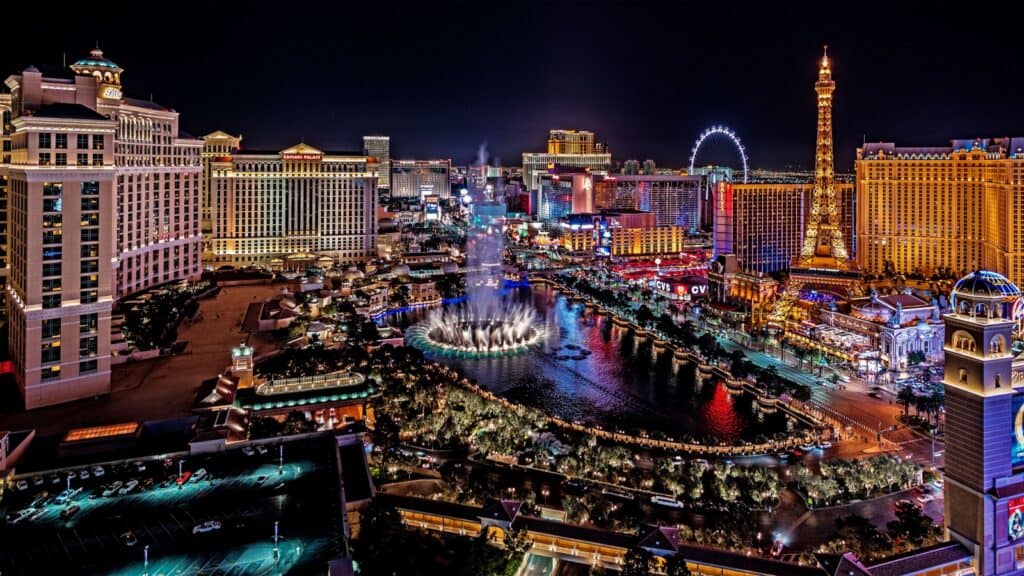
Las Vegas markets sensory overload as entertainment, and that strategy instantly divides people. The city welcomed more than 40 million visitors in 2024, according to the Las Vegas Convention and Visitors Authority.
Casinos, neon lights, and giant themed resorts generate excitement for some travelers while overwhelming others. Critics describe the Strip as loud, artificial, overpriced, and engineered to drain bank accounts efficiently.
Visitors also complain about resort fees, cigarette smoke, and the intense summer temperatures, which regularly exceed 100 degrees Fahrenheit. Psychologists studying gambling environments often cite Las Vegas as a masterclass in behavioral design.
Casinos intentionally minimize clocks and windows while maximizing visual stimulation to encourage longer spending sessions. Financial experts regularly warn tourists about vacation debt tied to impulsive gambling and nightlife expenses.
Public criticism intensifies because Las Vegas openly embraces excess rather than hiding it. Americans frequently mock the city’s fake Eiffel Tower and pyramid hotels, yet convention business, concerts, and sports franchises continue to expand there at a remarkable pace.
Miami
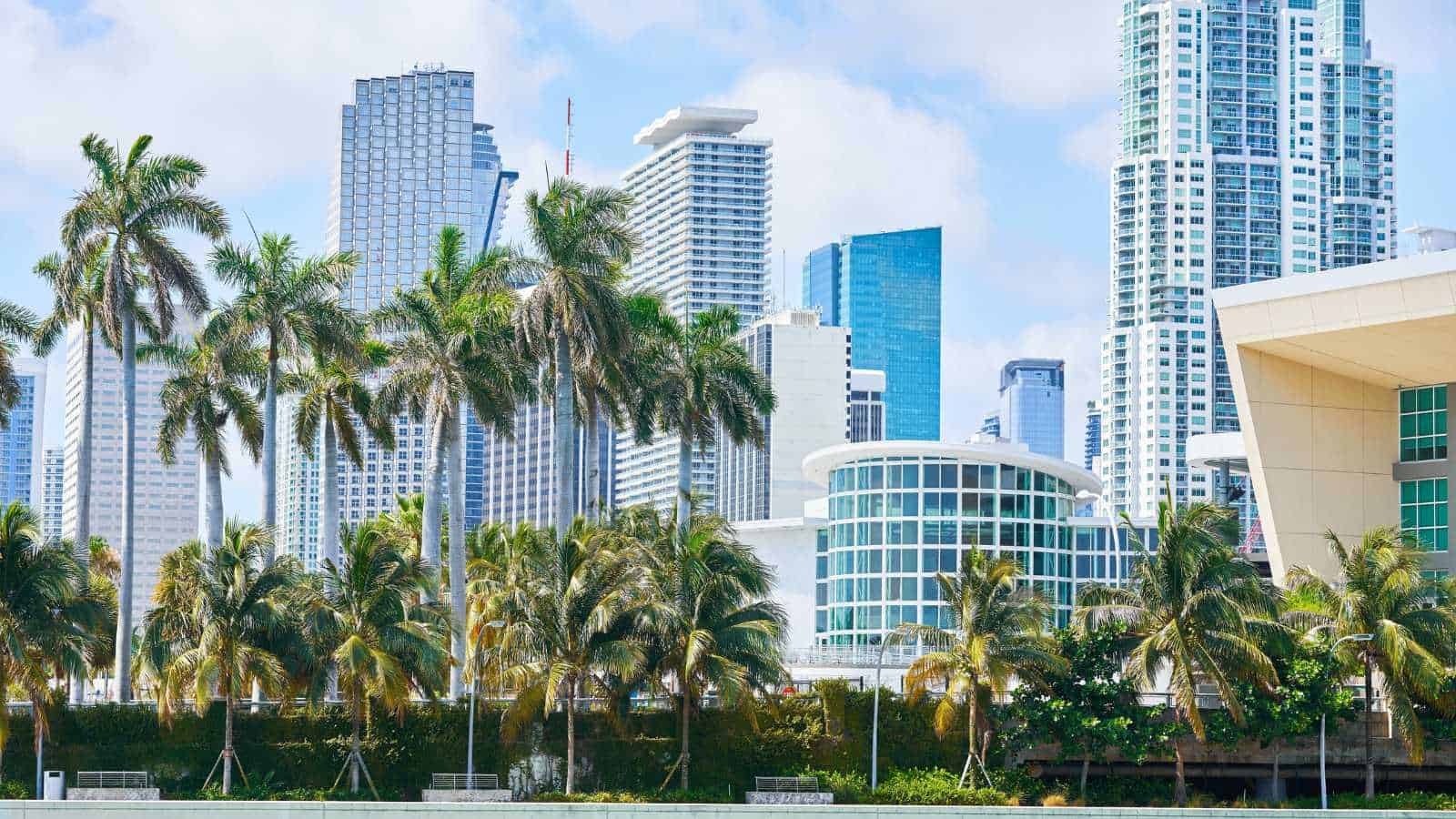
Miami carries a reputation for glamour mixed with chaos. Housing prices surged dramatically after pandemic-driven migration brought wealthy remote workers to South Florida.
Critics complain about nightlife culture, aggressive driving, inflated restaurant prices, and performative social media lifestyles. Tourists expecting nonstop luxury often encounter traffic jams, humidity, and crowded beaches packed with influencers staging photo shoots.
Climate concerns also shape criticism toward Miami. Coastal scientists continue to warn about the risks of flooding and sea-level rise, which are affecting long-term infrastructure planning.
Insurance premiums in Florida climbed sharply, adding another layer of stress for residents. Yet Miami’s cultural energy continues to draw visitors and entrepreneurs. Latin American business networks, music scenes, international cuisine, and year-round warm weather create an atmosphere that is difficult to replicate elsewhere in the country.
Public frustration toward Miami usually centers on excessive visibility. The city broadcasts wealth loudly, and Americans tend to react strongly when status becomes highly visible.
Portland

Portland once enjoyed a national image as America’s quirky creative paradise. Public perception shifted dramatically after years of political unrest, rising homelessness, and struggles for downtown businesses.
Tourism campaigns promoting artisan coffee shops and bicycle culture now compete with headlines about public safety concerns. According to data from Multnomah County Homeless Services, homelessness challenges intensified during the housing affordability crisis, affecting much of the West Coast.
Critics often accuse Portland of performative activism paired with ineffective governance. Online discourse amplified those perceptions during nationwide protests, which placed the city under intense media scrutiny.
Urban development researchers note that Portland’s reputation problem demonstrates how quickly branding can collapse when civic systems become strained. Residents still praise the city’s food scene, environmental consciousness, and independent arts culture, though outsiders increasingly associate Portland with dysfunction.
The tension reveals how national narratives often oversimplify complex urban issues into viral talking points.
Chicago
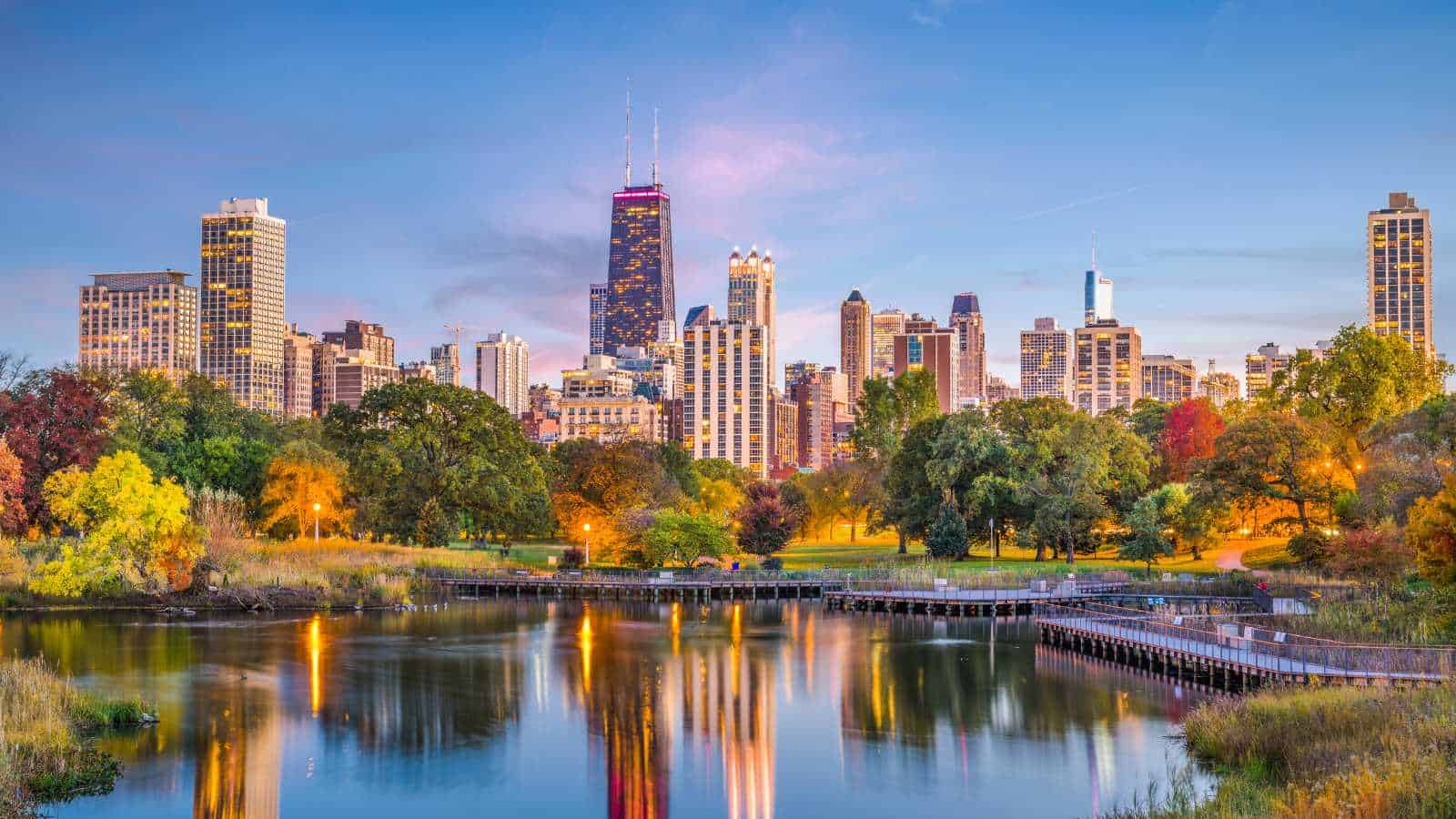
Chicago battles a reputation shaped heavily by crime headlines despite remaining one of America’s major economic and cultural centers. FBI crime statistics and local reporting frequently dominate national conversations about the city, leading many outsiders to exaggerate danger across the entire metropolitan area.
Critics focus on gun violence, harsh winters, and political corruption scandals that periodically resurface in news cycles. Travel analysts argue that Chicago suffers from selective perception. Millions of tourists safely visit the city each year to enjoy architecture tours, restaurants, museums, and sports culture.
The metropolitan economy remains one of the largest in the United States. Celebrity chef restaurants and lakefront attractions continue driving strong tourism numbers. Public hostility persists partly because Chicago symbolizes broader American anxieties about urban inequality and public safety.
Conversations about the city often reveal more about political polarization than the city itself.
Seattle
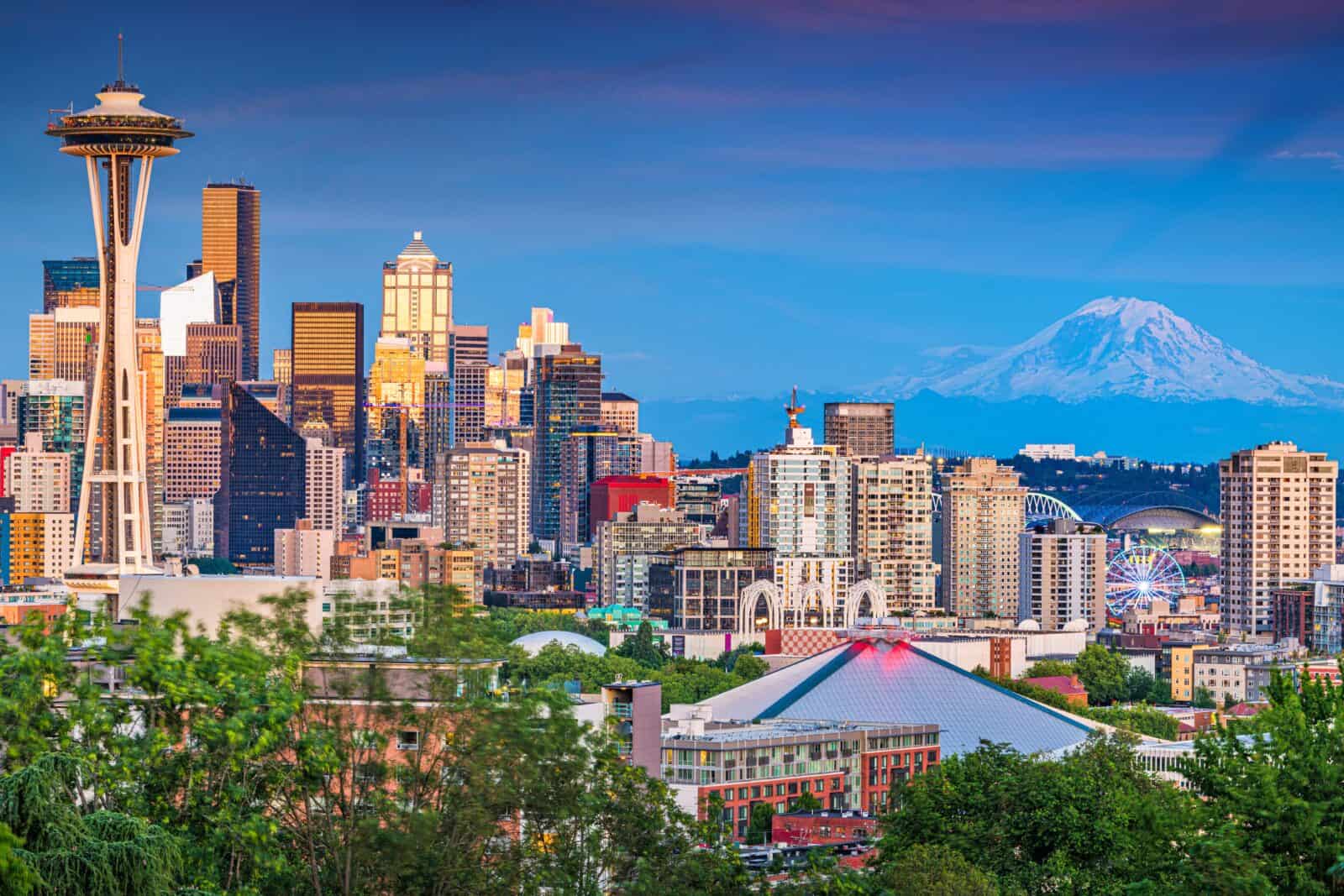
Seattle’s explosive tech growth generated enormous wealth alongside mounting frustration about affordability. Major employers expanded aggressively during the past decade, pushing housing costs sharply upward.
According to the Seattle Office of Housing, affordability remains one of the region’s most urgent concerns. Critics complain about gloomy weather, reserved social culture, expensive coffee shops, and traffic congestion tied to rapid population growth.
The phrase “Seattle Freeze” became shorthand for perceived social coldness among residents. Sociologists studying migration patterns note that fast-growing tech hubs frequently struggle with community fragmentation because newcomers arrive faster than social networks can stabilize.
Seattle’s image also suffers because success in the tech economy created visible class divisions. Luxury high-rises stand beside encampments and aging infrastructure. Critics interpret the contrast as evidence of imbalance, while supporters point to strong wages, outdoor recreation, and thriving innovation sectors.
Orlando
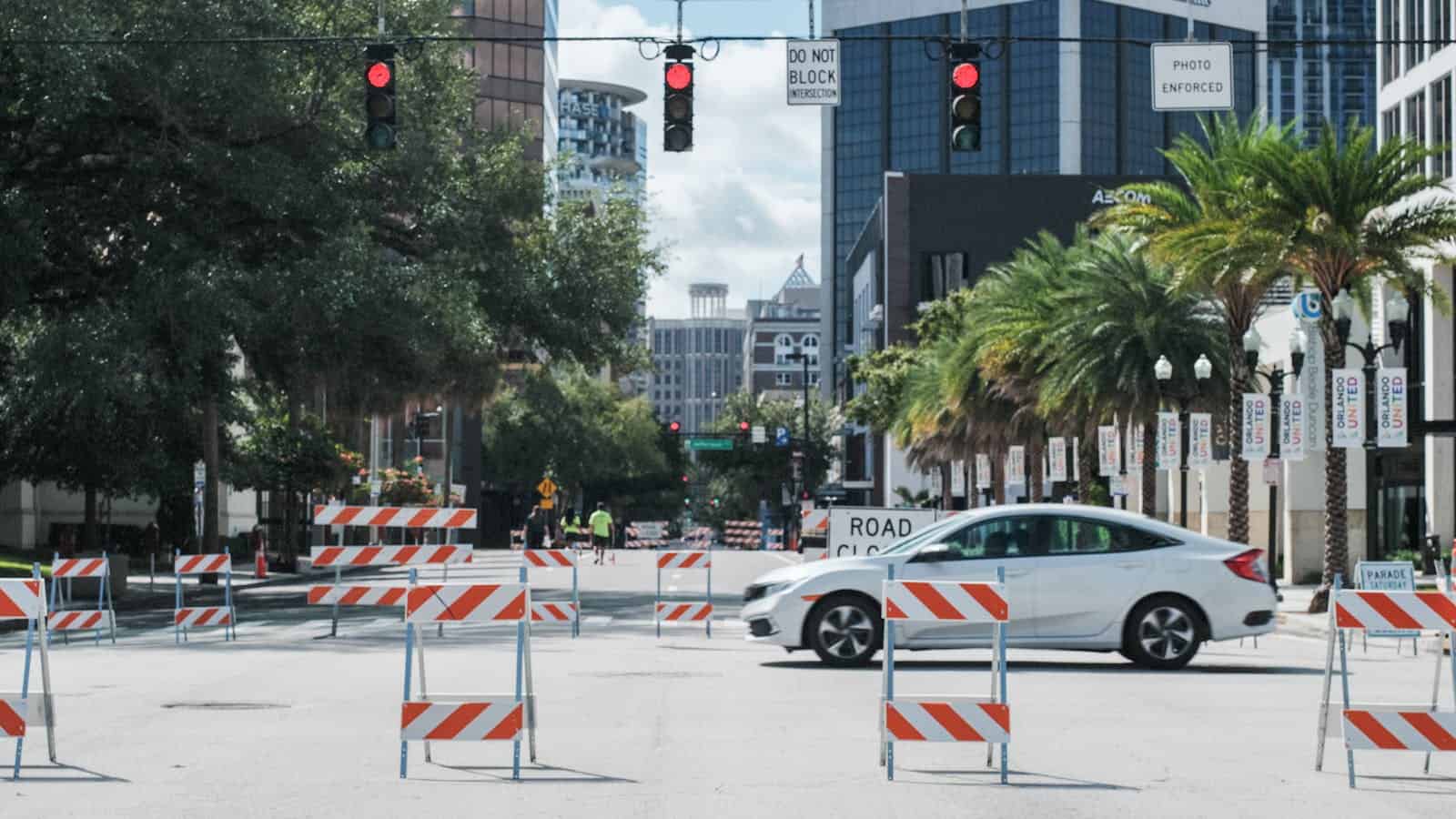
Orlando divides travelers because the city is heavily centered on tourism infrastructure. Theme parks attract millions annually, yet critics argue the experience feels commercialized and exhausting.
Long lines, expensive tickets, crowded airports, and relentless heat contribute to the backlash. According to Visit Orlando, the city remained one of America’s most visited destinations entering 2025, driven heavily by family vacations and convention business.
Families spend thousands on park tickets, hotels, and food packages, then face multi-hour waits for rides. Frustration builds quickly under those conditions. Critics also argue that the city lacks a strong identity outside tourism.
Still, parents continue prioritizing Orlando vacations because theme parks remain deeply tied to American childhood culture and nostalgia.
Austin
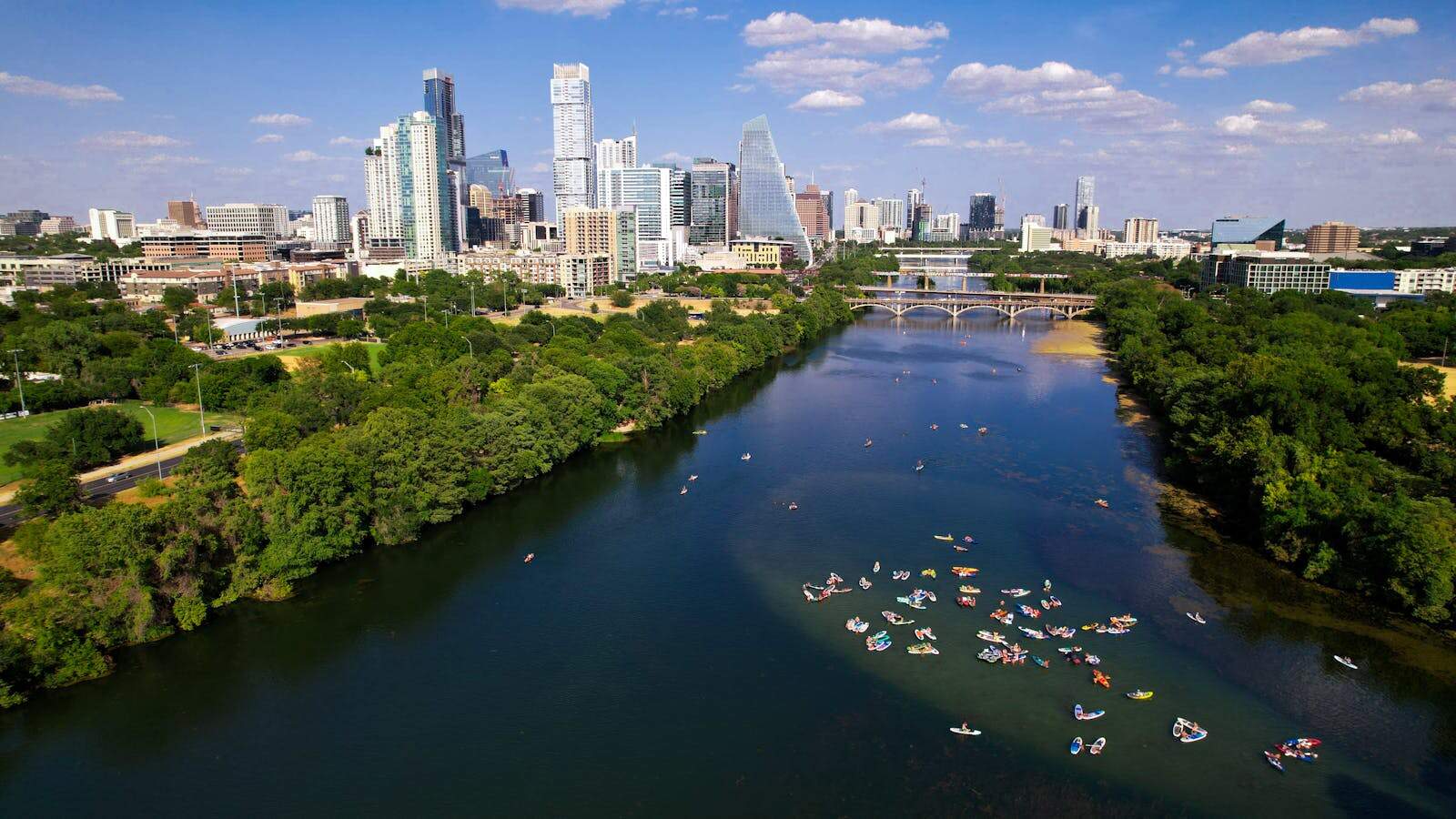
Austin transformed from a laid-back college city into one of America’s fastest-growing tech destinations. Population growth accelerated rapidly during the pandemic relocation wave, according to U.S. Census Bureau data.
Critics complain that soaring housing prices and luxury developments erased much of the city’s original character. Traffic congestion worsened as infrastructure struggled to keep pace with migration.
Longtime residents frequently argue that Austin became a victim of its own marketing success. Music festivals, startup culture, and “weird” branding attracted newcomers seeking authenticity, and commercialization followed immediately.
Economists studying growth markets often cite Austin as an example of demand overwhelming urban planning capacity. Restaurants, bars, and entertainment venues still thrive, but locals increasingly complain about affordability and overcrowding.
Americans who once romanticized Austin now criticize it for becoming expensive and overhyped.
Philadelphia
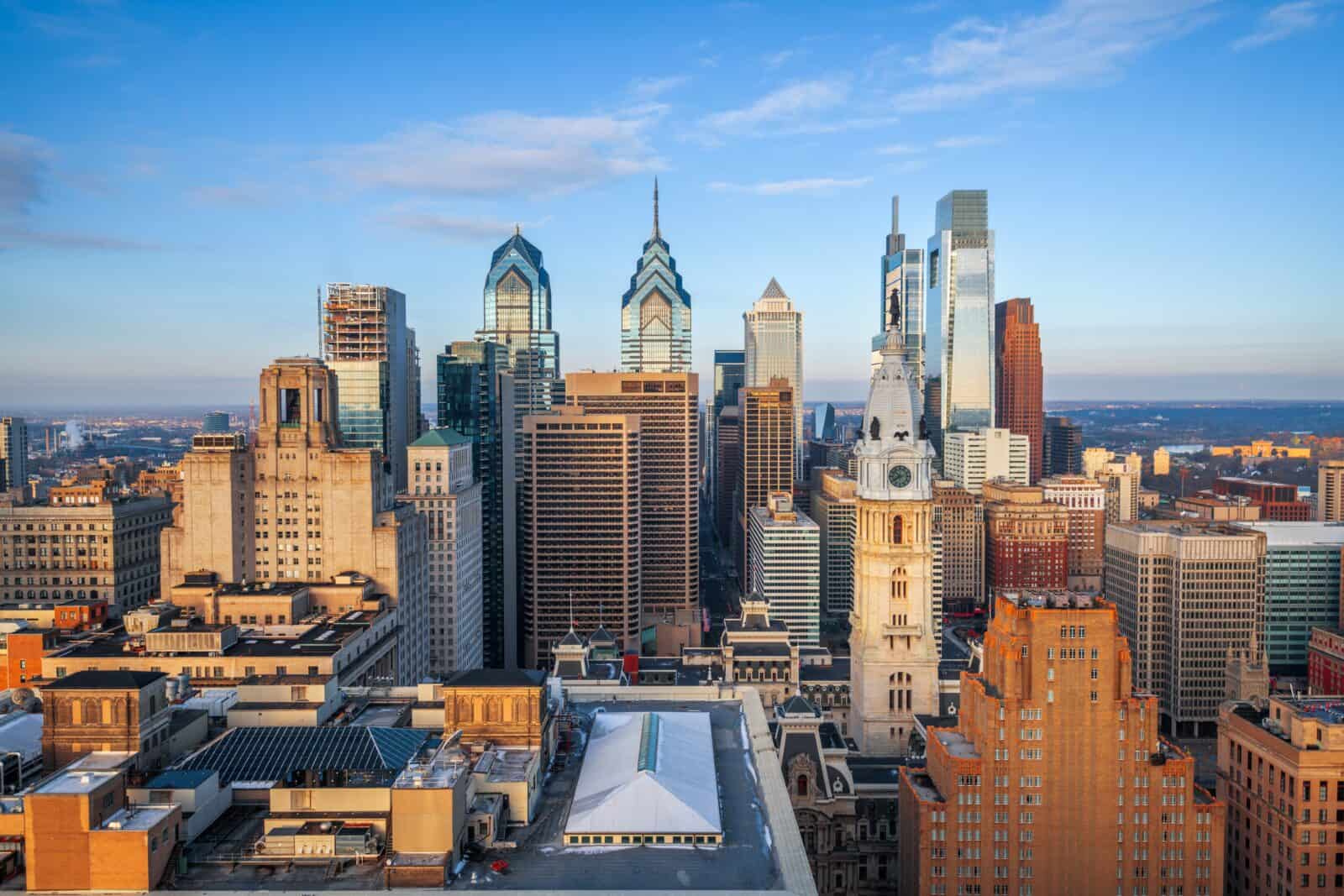
Philadelphia carries a famously aggressive sports culture that outsiders either love or despise. Viral videos of intense fan reactions during games strengthened the city’s reputation for hostility.
Critics also target aging infrastructure, gritty streets, and blunt communication styles associated with the Northeast corridor. Yet Philadelphia continues to attract young professionals because housing costs remain lower than in nearby New York and Washington, D.C.
Urban historians often praise Philadelphia’s authenticity precisely because the city resists polished branding. Historic neighborhoods, local food traditions, and strong community identity create a sense of realism that many travelers appreciate.
Public hostility toward Philadelphia partly stems from cultural misunderstanding. Direct communication styles can come across as rude to outsiders unfamiliar with the city’s personality.
Sports rivalries amplify national perception, especially during NFL and MLB seasons, when fan behavior dominates headlines.
Detroit
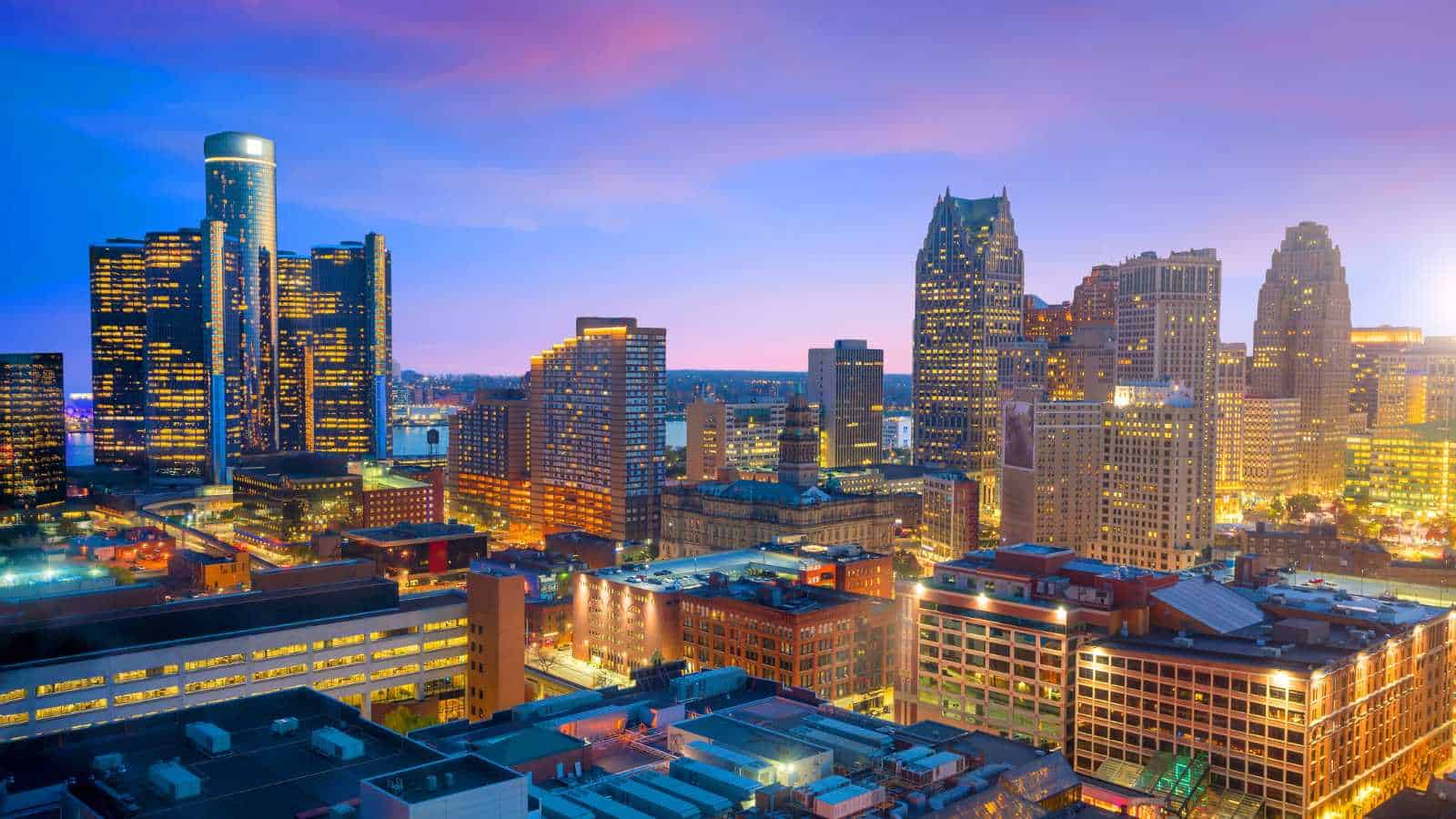
Detroit spent decades battling narratives tied to industrial decline, population loss, and economic hardship. Census data showed significant population declines over several decades following the collapse of manufacturing jobs.
Media coverage frequently focused on abandoned buildings and bankruptcies, shaping national perceptions long after redevelopment efforts began to gain momentum. Economic development experts now point to Detroit as one of America’s most closely watched comeback stories.
Tech startups, manufacturing investments, and downtown redevelopment projects continue attracting attention. Critics still associate the city with crime and economic instability because negative reputations tend to outlive reality.
Detroit’s situation demonstrates how branding inertia works in America. Public opinion often freezes cities in earlier decades, even after conditions improve substantially. Visitors arriving with low expectations regularly leave surprised by the food culture, music history, sports energy, and architectural beauty.
Key Takeaways

- America’s most criticized cities often attract the most tourists and experience the strongest economic growth.
- Public resentment usually increases when housing costs, traffic, and inequality become highly visible.
- Social media amplifies negative perceptions by rewarding outrage-driven travel content.
- Major urban centers frequently become symbols for national political and economic debates.
- Many “hated” destinations continue thriving because opportunity, entertainment, and cultural influence outweigh criticism.
Disclaimer: This list is solely the author’s opinion based on research and publicly available information. It is not intended to be professional advice.
Like our content? Be sure to follow us