12 Reasons California Gas Prices Could Hit $8 This Year
Your morning commute just became a lot more expensive. If you live in California, you probably already feel the sting every time you pull up to a pump and see those digital numbers spinning faster than a slot machine.
The reality of a $100 fill-up is no longer a rare horror story for truck drivers; it is the new Monday morning for families from San Diego to Sacramento. Economists like Nicholas Bloom from Stanford are pointing to a widening gap where those at the bottom of the financial ladder feel every extra cent, while others barely notice.
When crude oil prices surged 40 percent to 102 dollars a barrel following the start of the war on February 28, 2026, the shockwaves traveled straight to your local gas station. For the woman managing a household budget while balancing a career and kids, this spike is a direct hit to the grocery fund and the college savings account.
The U.S.-Iran War and the Global Oil Shock

The world changed on February 28, 2026. When the conflict with Iran began, global markets reacted with immediate panic because oil is the lifeblood of modern travel. Crude oil prices did not just creep up; they leaped to 102 dollars per barrel almost overnight.
Since California cannot fully take care of its own oil needs locally, the state is forced to buy from the global market. When a war starts, the price of every barrel goes up for everyone, but California feels it first because of its isolation.
This conflict has removed a massive chunk of the expected supply from the world stage, leaving states to fight over what remains. If you are wondering why your local station hiked prices by fifty cents in a single weekend, this international crisis is the primary culprit.
The Strait of Hormuz Closure

Imagine a giant straw where 20 percent of the entire world’s oil passes through. Now imagine someone putting a permanent kink in that straw. That is exactly what happened when the Strait of Hormuz closed. Governor Gavin Newsom recently spoke about the “gasoline price blues,” specifically because this narrow waterway is a choke point for global energy.
When tankers cannot get through, the oil stays stuck, and the prices at your corner station skyrocket. It is a simple case of math where the world suddenly has 20 percent less of a vital resource. For a state like California that relies heavily on tankers arriving at its ports, this closure is a physical barrier to affordable fuel.
Major Refinery Closures

California is losing its ability to actually make gasoline. Two massive players, Phillips 66 in Los Angeles and Valero in Benicia, are shutting down or scaling back operations. This move removes 20 percent of the total refining capacity in the state.
We are talking about losing up to 300,000 gallons of production every single day. The leaders at these companies have been blunt, stating they simply cannot do business in California anymore because the costs and regulations are too high.
When these “powerhouses” go dark, the remaining refineries cannot always keep up with the demand of millions of drivers. This creates a vacuum that pushes prices toward that 8-dollar mark.
The California Energy Island

Most people assume that if California runs low on gas, we can just pipe some in from Texas or neighboring states. That is actually impossible. California has zero inbound pipelines for refined gasoline.
Every drop of fuel you put in your car was either produced at a local refinery or brought in by a ship or a truck. This makes the state an “energy island.” If a refinery goes down for repairs, there is no backup straw to suck in more gas from the rest of the country. This total lack of infrastructure means that any small local problem becomes a massive price hike for you at the pump.
Highest State Gas Taxes

California famously has the highest gas taxes in the country. While the national average sits around 3.2 dollars, California drivers are paying significantly more due to a combination of excise and sales taxes.
The Independent Institute released data in July 2025 showing that these taxes essentially punish low-income drivers. For a single mother in the Central Valley who has to drive 40 miles to work, these taxes are not just a line item on a budget; they are a barrier to making a living.
These taxes stay high even when the price of oil goes up, adding a permanent layer of expense that other states simply do not deal with.
Low Carbon Fuel Standard Mandates

The state has very ambitious climate goals, and the Low Carbon Fuel Standard (LCFS) is a major part of that plan. While the program aims to cut emissions, it does so by requiring fuel providers to buy credits or use more expensive blending components.
The California Air Resources Board manages these programs to push the state toward a greener future. However, these environmental credits have a real-world cost that ends up on your receipt.
Many critics argue that while the goals are noble, the immediate financial burden falls squarely on the shoulders of everyday commuters who cannot yet afford an electric vehicle.
Cap and Trade Expansion

California recently extended its Cap and Trade program to 2045, rebranding it as Cap and Invest. This system requires companies to pay for the right to emit carbon. As these carbon prices rise, the companies pass those costs down the line. By the time the fuel reaches your tank, the price includes the cost of the carbon “permission slip” the refinery had to buy.
It is a policy designed to make fossil fuels more expensive over time to encourage people to switch to cleaner energy. For the woman trying to get her kids to soccer practice in a minivan, this means the state is intentionally making her daily routine more costly.
Costly Summer Blend Requirements
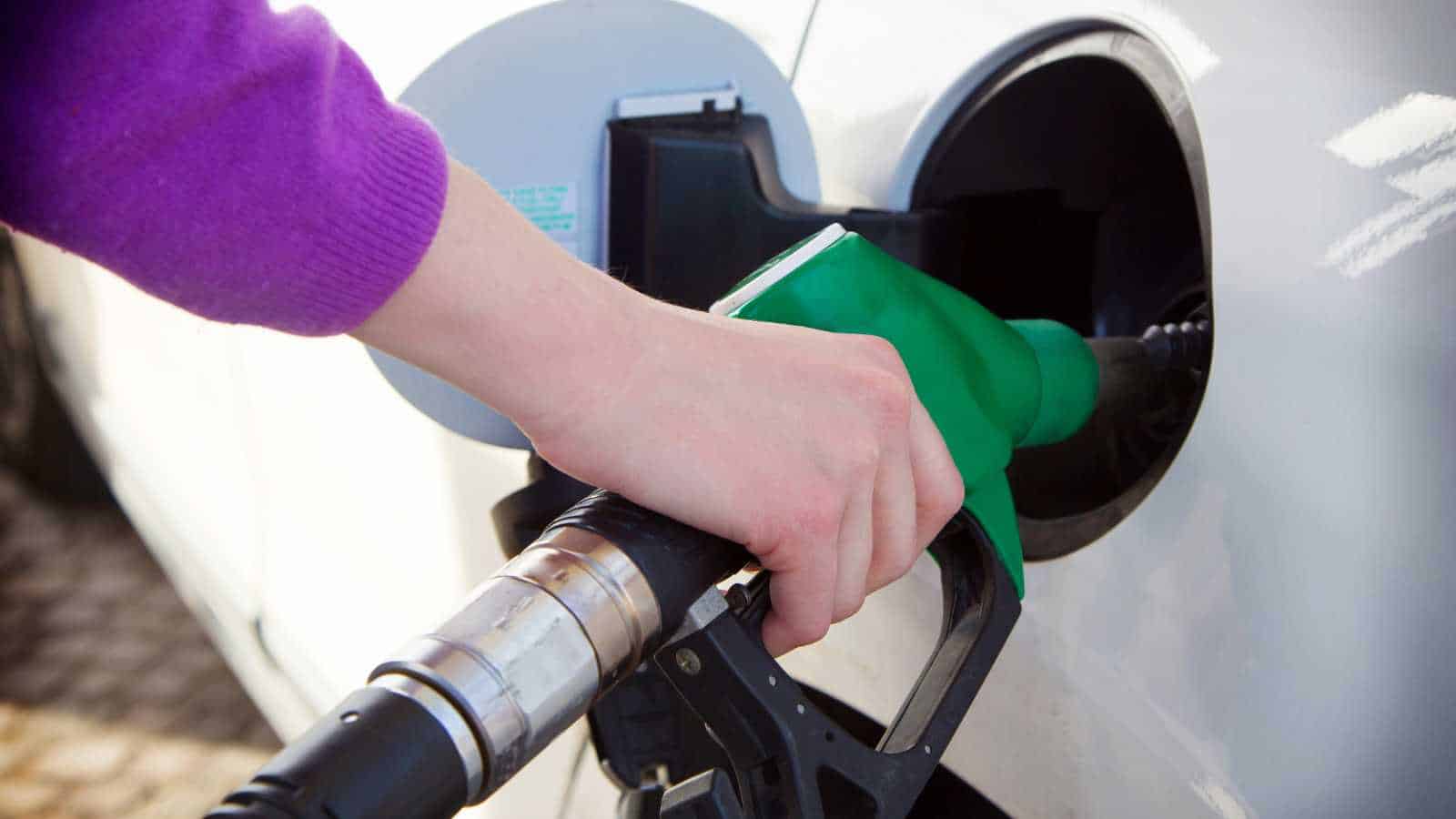
Every spring, California gas stations switch to a special “summer blend” of gasoline. This fuel is designed to be less likely to evaporate in the heat, which helps reduce smog. Producing this boutique fuel is more expensive and requires a different refining process.
The switch usually happens just as people start planning road trips, creating a predictable spike in prices. Because California has such unique air quality needs, we cannot use the same cheaper blends used in Arizona or Nevada. This requirement adds another layer of volatility to an already shaky market.
Refinery Maintenance and Outages

Refineries are massive, complex machines that need constant care. When they go offline for planned maintenance, the supply of gas drops instantly. Michael Mische, a professor at USC, points out that it is a simple matter of economics: when supplies drop, and demand stays the same, prices go up.
Sometimes these outages are unplanned, like a fire or a mechanical failure. In a state with a shrinking number of refineries, one single facility going dark for a week can cause a massive price surge across the entire West Coast.
Reliance on Foreign Imports

Since California produces only 25% of the crude oil it needs, it is at the mercy of foreign nations. We rely on tankers from across the globe to keep our stations running. This means a political shift in the Middle East or a shipping delay in South America has a direct impact on your wallet.
Being so dependent on foreign oil exposes the state to risks that other oil-producing states do not face. It turns every global conflict into a local financial crisis for California drivers.
Fuel Reserve Mandates

A 2024 law requires refineries to maintain certain levels of fuel reserves to prevent shortages. While this sounds like a good safety net, it actually creates its own set of problems. Keeping millions of gallons of gas in storage tanks instead of selling it on the market can tighten the current supply.
This creates a situation where gas is physically sitting in the state but cannot be sold, which can ironically keep prices higher during a crunch. It is a regulatory balancing act that often tips toward higher costs for the consumer.
Retail and Operational Costs

Running a gas station in California is simply more expensive than anywhere else. Owners have to deal with high labor costs, some of the highest electricity rates in the nation, and astronomical real estate prices. These “operational costs” create what some call a mystery surcharge.
A station owner in Los Angeles has to pay their employees more and pay more to keep the lights on than an owner in the Midwest. To stay in business, they have to tack those expenses onto the price per gallon.
Key Takeaways

- A combination of the Iran war and refinery closures has created a perfect storm for record-high prices in 2026.
- California is an energy island with no pipelines, meaning we pay a premium for every drop of gas brought in by truck or ship.
- Programs like Cap and Trade and the LCFS are designed to fight climate change, but add high costs to the pump today.
- A war thousands of miles away can instantly disrupt the 20 percent of global oil California relies on through the Strait of Hormuz.
- Rising fuel prices hit family budgets and low-income earners the hardest, potentially delaying wider economic growth.
Like our content? Be sure to follow us.